
A gender equality plan is a written concept that defines measures and objectives for promoting equal opportunities for women and men within a company or public authority. For federal agencies and many public employers in Germany, it is required by law – primarily through the Federal Gender Equality Act (Bundesgleichstellungsgesetz, BGleiG) and the respective state equality laws (Landesgleichstellungsgesetze, LGG). At the latest, the EU Pay Transparency Directive (Directive 2023/970/EU), which must be transposed into national law by June 2026, is making the topic increasingly urgent for private employers as well.
What Is a Gender Equality Plan?
A gender equality plan is a binding or voluntary management tool that employers use to systematically promote equal treatment of women and men. It defines the goals to be achieved – such as a higher proportion of women in leadership roles – and specifies the concrete measures needed to get there.
The term is often used interchangeably with Frauenförderplan (women's advancement plan). The difference lies primarily in terminology: the Federal Gender Equality Act (BGleiG) uses the term "Gleichstellungsplan" (gender equality plan), while many state equality laws still use the older term "Frauenförderplan". In terms of content, both instruments are largely equivalent – however, the more modern term "gender equality plan" is formulated in a more gender-neutral way and encompasses all employees from underrepresented groups.
In practice, a gender equality plan typically covers the following areas: recruitment and hiring, career advancement, compensation, and the balance between work and family life.
Legal Framework
BGleiG: Obligations for Federal Authorities
The Federal Gender Equality Act (BGleiG) requires all federal authorities, federal courts, and federal enterprises with generally more than 50 employees to draw up a gender equality plan (§ 11 BGleiG). The plan must be updated every four years and submitted to the responsible equality officer as well as the staff council. It is binding: authorities must check whether the gender equality plan has been taken into account when making personnel decisions.
State Equality Laws (LGG)
At the state level, separate regulations apply. Each of Germany's sixteen federal states has its own state equality law that places obligations on public employers within that state. Specific requirements – such as scope, planning period, or minimum content – vary considerably from state to state. HR professionals in public authorities should therefore always consult the relevant LGG of their federal state as the binding basis for compliance.
Pay Transparency Act and EU Pay Transparency Directive 2026
The Pay Transparency Act (Entgelttransparenzgesetz, EntgTranspG) of 2017 requires companies with 500 or more employees to report on equal pay and gender equality measures in their management report. This creates a link between equality objectives and pay transparency.
The EU Directive 2023/970/EU on pay transparency goes significantly further: it must be transposed into national law by 7 June 2026 at the latest. Key points for employers with 100 or more employees:
- Obligation to report on pay differences between women and men
- If an unexplained pay gap of more than 5% exists, remedial measures become mandatory
- Right for employees to receive information on pay ranges for comparable positions
Gender equality plans that include concrete pay-related objectives will become a valuable foundation for meeting these reporting obligations.
Who Is Required to Create One?
| Employer Type | Legal Basis | Obligation | From When |
|---|---|---|---|
| Federal authorities (>50 employees) | BGleiG § 11 | Yes | Immediately |
| State public employers | LGG of the respective federal state | Yes (varies by state) | Depends on LGG |
| Private companies >500 employees | EntgTranspG | Reporting obligation (not a full plan) | Since 2018 |
| Private companies >100 employees | EU Directive 2023/970 | Reporting obligation from 2026 | From June 2026 |
| Private companies <100 employees | – | No statutory obligation | – |
Private companies with fewer than 100 employees currently have no statutory obligation to create a formal gender equality plan. Nevertheless, a voluntary plan can be an effective tool for embedding genuine equal opportunity and strengthening employer branding.
What Must a Gender Equality Plan Contain?
Mandatory Content (Required by BGleiG)
Under § 11 BGleiG, a gender equality plan must include the following elements:
- Status quo analysis: Assessment of the workforce structure by gender, career level, part-time rates, and management tiers
- Target objectives: Concrete, measurable goals to increase the proportion of women in underrepresented areas
- Measures: Specific steps to achieve these goals, e.g. mentoring programmes, flexible working hours, targeted job postings
- Timeline: Milestones and timeframes for implementation
- Responsibilities: Who is accountable for each measure?
Recommended Additions (Best Practice)
- Monitoring mechanism: How and when will progress be measured?
- Pay analysis: Comparison of compensation by gender (relevant for the EU Directive 2026)
- Work-life balance measures: Policies on parental leave, remote work, part-time options in leadership roles
- Communication strategy: How will the plan be communicated internally?
Checklist: Is the Gender Equality Plan Complete?
- Status quo analysis of the workforce structure included?
- Quantitative objectives formulated (measurable, time-bound)?
- Concrete measures described?
- Timeline and responsible parties identified?
- Review and progress monitoring process defined?
- Equality officer and staff council involved?
- Plan formally adopted and communicated?
Creating a Gender Equality Plan – Step by Step
Step 1: Conduct a Status Quo Analysis
Systematically capture the composition of your workforce: proportion of women and men at each level (operational, management, senior leadership), part-time rates, and average compensation by gender and department. This data forms the foundation for all subsequent steps and serves as the baseline measurement for your monitoring.
Step 2: Define Objectives
Derive concrete, measurable goals from the status quo analysis. Examples: "Increase the proportion of women in leadership roles from 22% to 35% by 2028" or "Reduce the gender pay gap to below 3% by 2026." Goals should be ambitious but realistic.
Step 3: Plan Measures
Develop concrete measures to achieve your objectives. Effective approaches include: structured selection processes free of unconscious bias (Unconscious Bias in Recruiting), targeted development programmes for women aspiring to leadership, expanded part-time options for leadership roles, and transparent career pathways.
Step 4: Adopt and Communicate
The gender equality plan must be formally adopted – in the public sector, this requires the involvement of the equality officer and the staff council. Communicate the plan clearly internally: all managers and employees should know which goals apply and which measures are being implemented.
Step 5: Monitor and Review
Review progress regularly – ideally on an annual basis. Document which measures have been implemented and which goals have been met or missed. At the end of the planning period (typically four years), a full revision based on current data is required.
Putting Gender Equality Into Practice in Recruiting
Gender equality plans set goals – but their implementation often starts in recruiting. Anyone who wants to bring more women into leadership must ensure that selection processes are fair and free from unconscious bias. Unconscious bias in personnel selection – such as a preference for similar profiles or unconscious differences in assessment – is one of the most common reasons why equality goals are missed in recruiting.
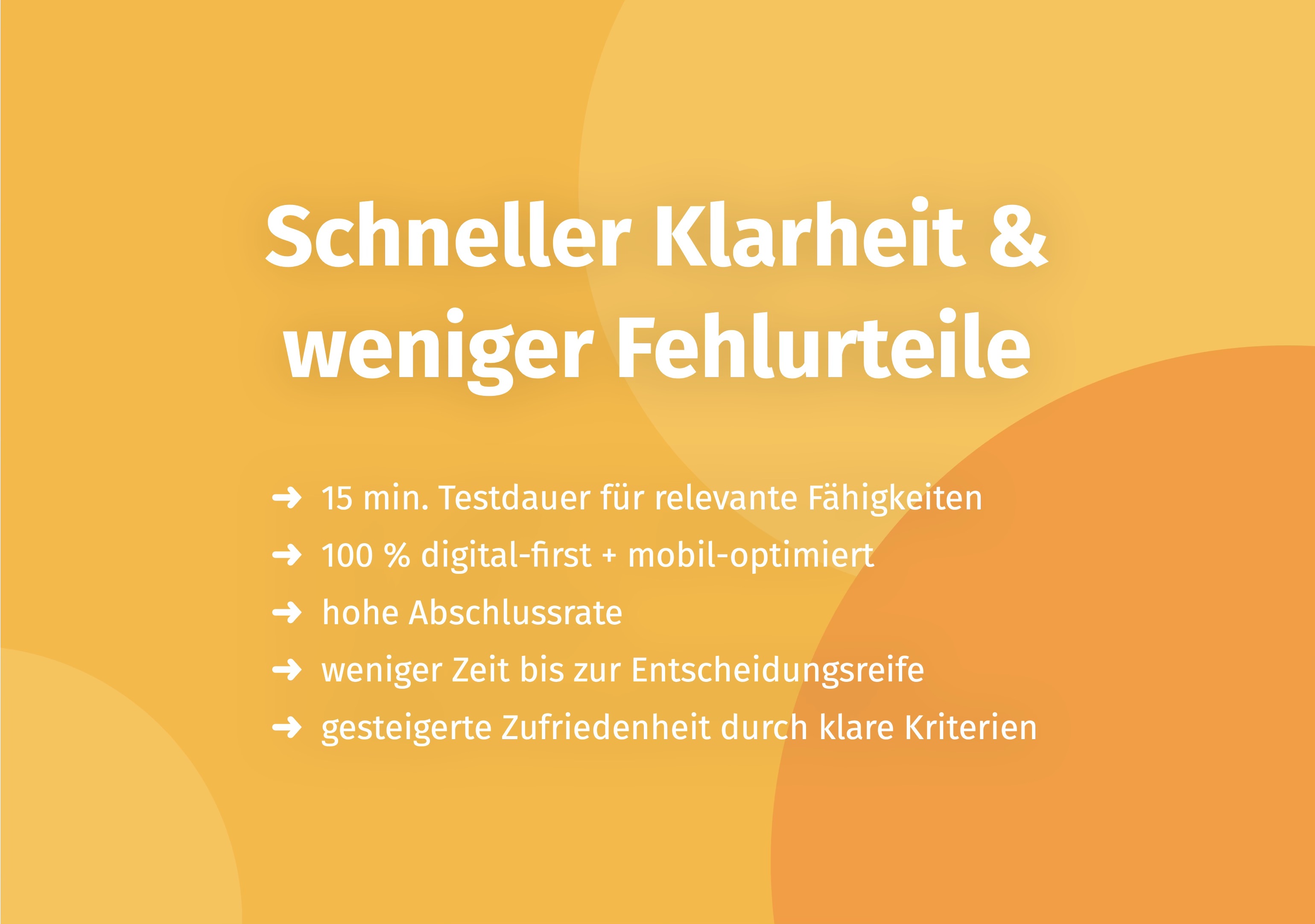
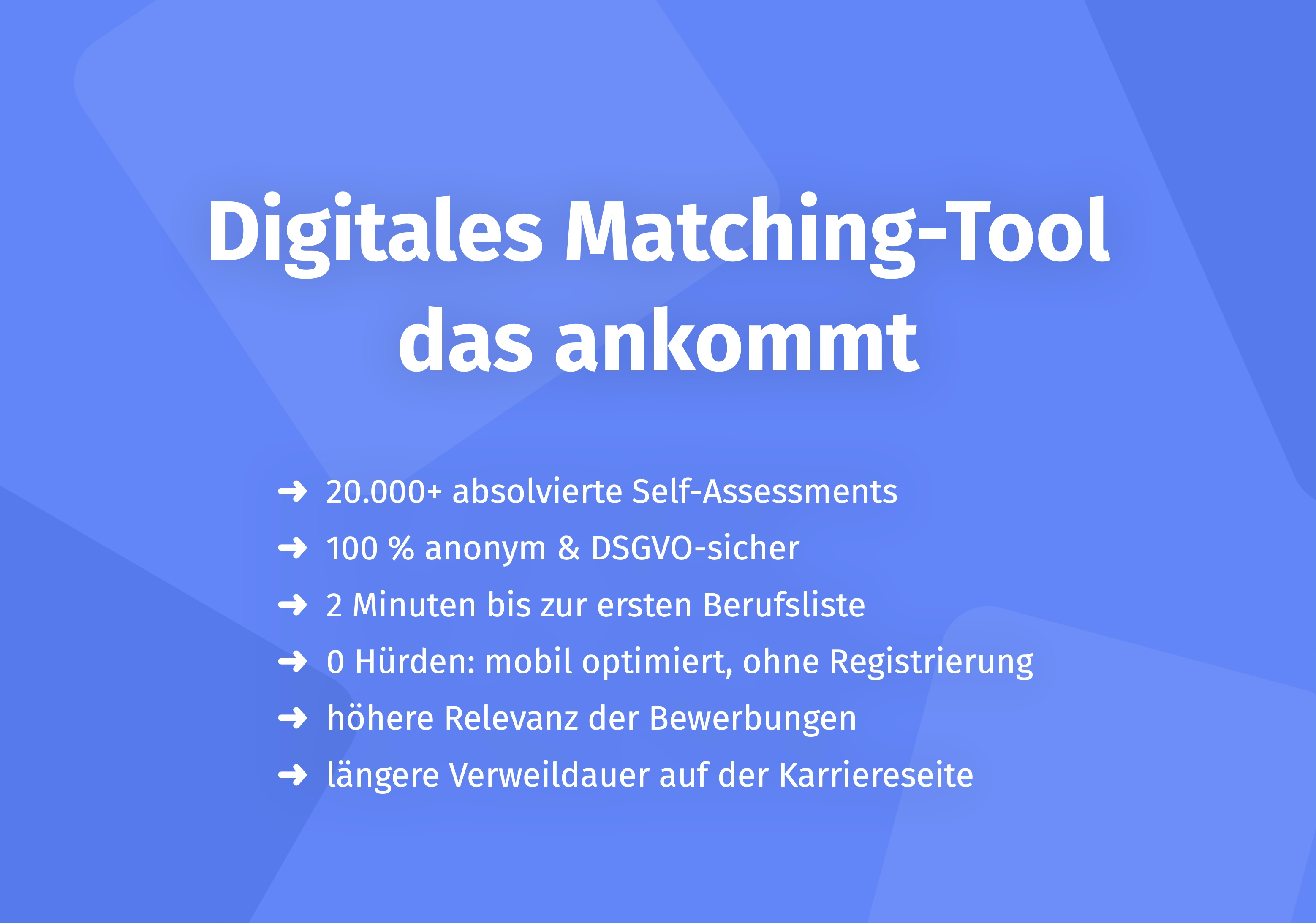
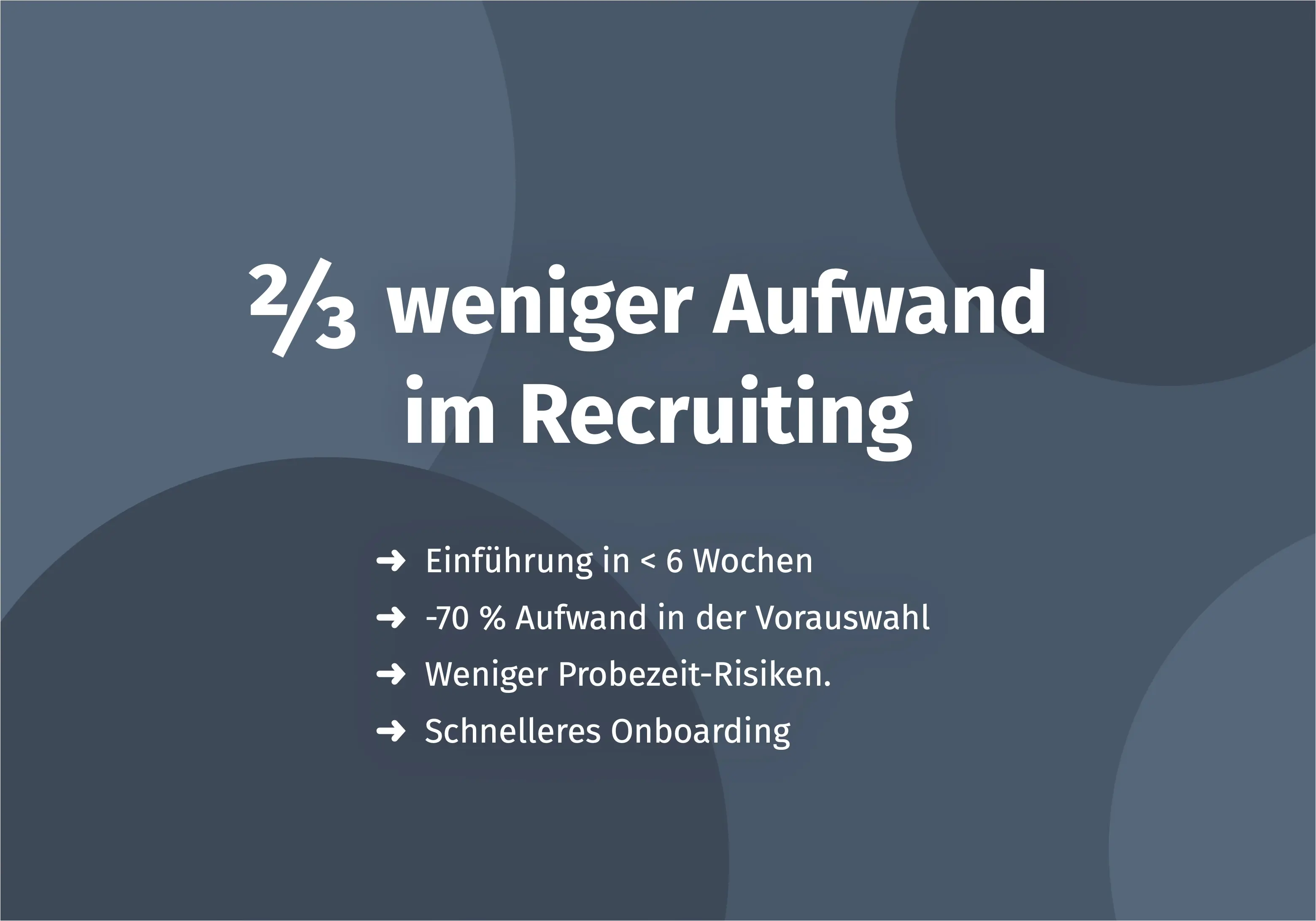
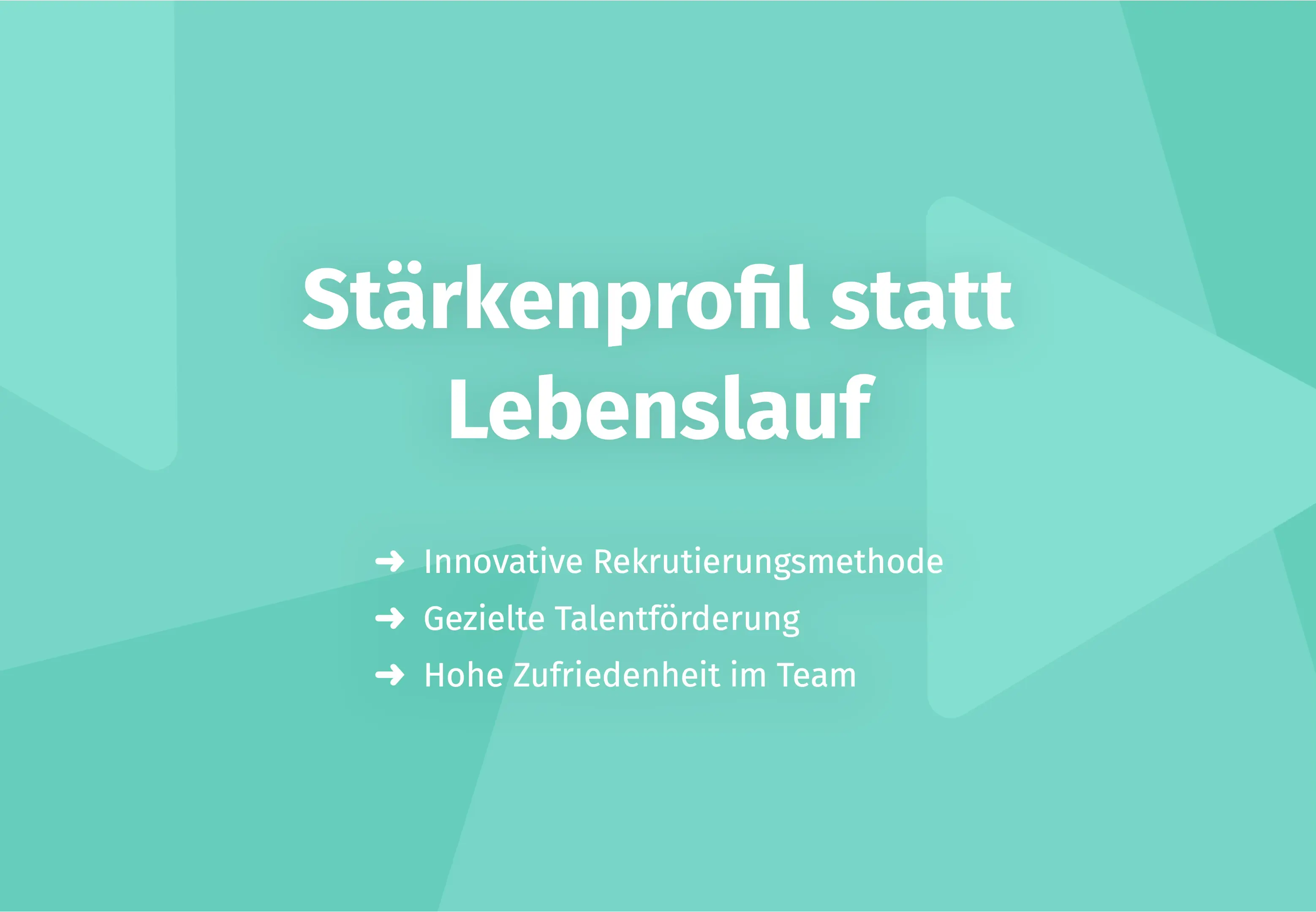
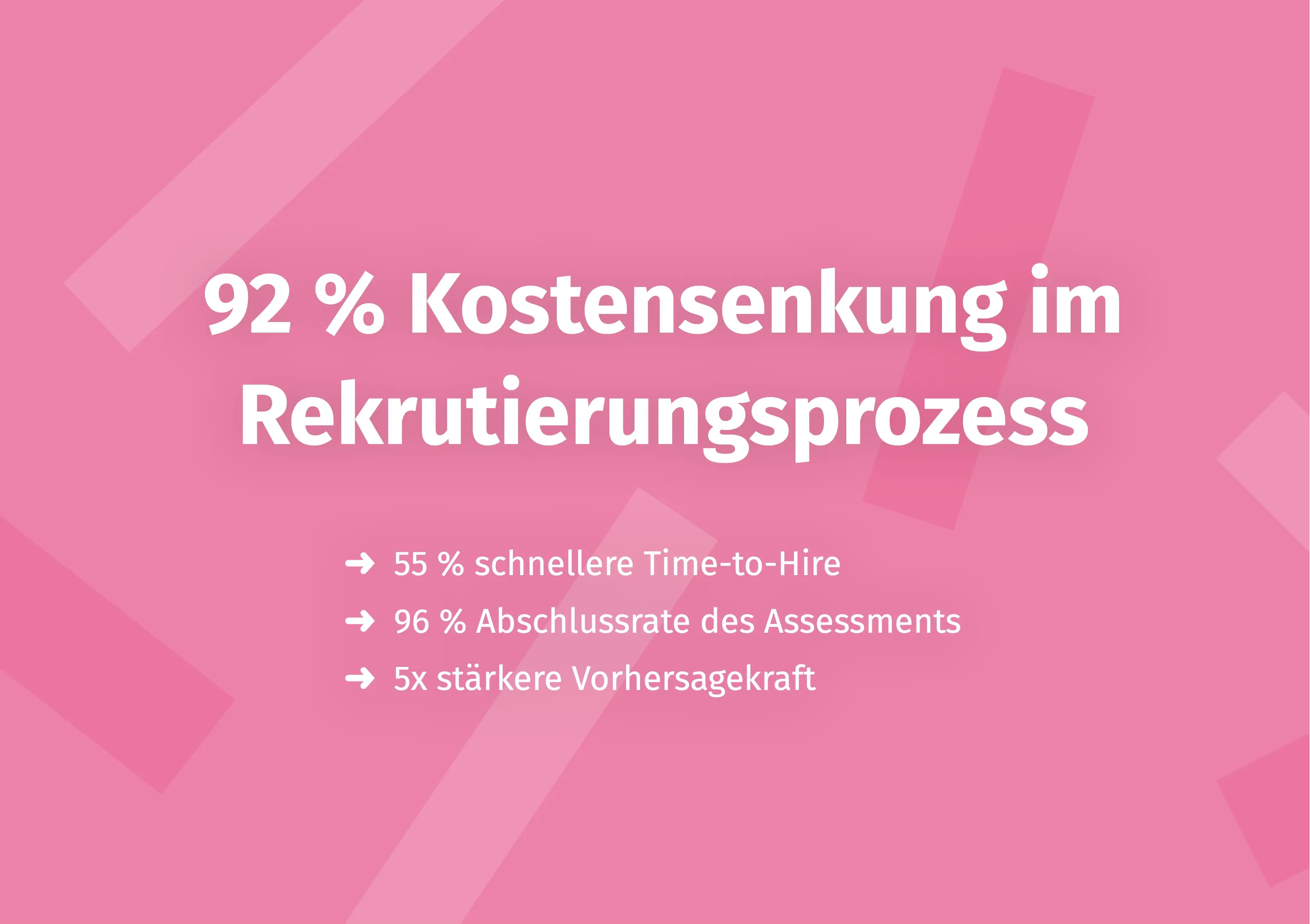
Scientifically validated assessments can help ground hiring decisions in objective criteria rather than gut feeling or CV patterns. The digital platform Aivy uses game-based assessments that validly capture cognitive and personality-related traits – independently of background, educational pathway, or gender. Lufthansa was able to demonstrably increase diversity in its candidate selection using this approach: 81% of applicants were satisfied with the process, and the match rate against the in-house assessment was 96%.
Find out more about how the digital platform Aivy supports companies in fair, objective personnel selection: aivy.app
Frequently Asked Questions About Gender Equality Plans
What is a gender equality plan?
A gender equality plan is a written concept that establishes goals and measures for promoting equal opportunities for women and men within a company or public authority. It includes a status quo analysis of the workforce structure, quantitative objectives, and concrete implementation steps – covering areas such as recruitment, career advancement, compensation, and work-life balance.
Who is required to create a gender equality plan?
Federal authorities with more than 50 employees are legally required to do so under § 11 BGleiG. For state public employers, the respective state equality laws apply, with requirements varying by federal state. Private companies with 500 or more employees have reporting obligations under the Pay Transparency Act; from June 2026, the EU Pay Transparency Directive will introduce additional obligations for companies with 100 or more employees.
What is the difference between a Gleichstellungsplan and a Frauenförderplan?
Both terms refer to the same instrument. "Frauenförderplan" is the older term, used primarily in state equality laws. "Gleichstellungsplan" is the more modern, gender-neutral designation used in the Federal Gender Equality Act. In terms of content, the two are largely equivalent.
What must a gender equality plan contain?
Mandatory content under BGleiG includes: a status quo analysis of the workforce structure, concrete objectives for underrepresented groups, measures to achieve those goals, a timeline, and defined responsibilities. Best practice additions include a monitoring mechanism, a pay analysis, and an internal communication strategy.
How often must a gender equality plan be updated?
Under BGleiG, the gender equality plan must be drawn up every four years. At the state level, the cycle varies – often also two to four years. Annual monitoring is recommended even when the plan is formally still in force, in order to make course corrections at an early stage.
Does a gender equality plan apply to private companies?
Private employers are not yet required to create a full gender equality plan. However, companies with 500 or more employees have reporting obligations under the Pay Transparency Act, and from June 2026 the EU Pay Transparency Directive will require companies with 100 or more employees to meet broader transparency and remediation obligations. A voluntary gender equality plan is a sensible instrument for proactive preparation.
What will change under the EU Pay Transparency Directive in 2026?
EU Directive 2023/970/EU must be transposed into German law by 7 June 2026. It requires companies with 100 or more employees to report on pay differences between women and men. Where an unexplained pay gap of more than 5% exists, corrective measures become mandatory – closely linked to the objectives of a gender equality plan.
How can I put gender equality into practice in recruiting?
Effective approaches include: structured, criteria-based selection processes instead of subjective first impressions, gender-neutral job postings, diverse interview panels, and the use of scientifically validated assessments that assess candidates independently of CV and background. Measurable diversity metrics embedded in the recruiting process help track progress towards equality goals.
Conclusion
A gender equality plan is more than a bureaucratic compliance document – it is a strategic management tool for building a fair, future-ready organisation. For federal authorities and many public employers, it is a legal requirement. For private companies with 100 or more employees, the EU Pay Transparency Directive will significantly raise the stakes from 2026 onwards.
What matters most is consistent implementation: those who take equality goals seriously must embed them in concrete HR processes – starting with personnel selection. A well-considered diversity management approach, combined with objective selection methods, lays the foundation for measurable progress.
Sources
- Federal Gender Equality Act (Bundesgleichstellungsgesetz, BGleiG). Federal Ministry for Family Affairs, Senior Citizens, Women and Youth (BMFSFJ), 2015 (last amended 2021). https://www.gesetze-im-internet.de/bgleiG_2015/
- Pay Transparency Act (Entgelttransparenzgesetz, EntgTranspG). BMFSFJ, 2017. https://www.gesetze-im-internet.de/entgtranspg/
- Directive 2023/970/EU of the European Parliament and of the Council on strengthening the application of the principle of equal pay for equal work between men and women (EU Pay Transparency Directive). European Parliament and Council of the EU, 2023. https://eur-lex.europa.eu/legal-content/EN/TXT/?uri=CELEX:32023L0970
- BMFSFJ – Information and guidance on workplace gender equality. Federal Ministry for Family Affairs, Senior Citizens, Women and Youth, 2022. https://www.bmbfsfj.bund.de/
- German Society for Human Resource Management (DGFP) – Diversity and Inclusion in German companies. DGFP, 2023. https://www.dgfp.de/

Make a better pre-selection — even before the first interview
In just a few minutes, Aivy shows you which candidates really fit the role. Beyond resumes based on strengths.