
Diversity management refers to the strategic governance of diversity within an organisation – with the goal of actively leveraging different perspectives, backgrounds and skills. It encompasses measures across recruiting, leadership and company culture to ensure equal opportunities and prevent discrimination. Research confirms: diverse teams deliver measurably better results – and legal requirements such as Germany's AGG and the EU-wide CSRD make proactive action mandatory for organisations.
What Is Diversity Management?
Diversity management is a strategic management approach that goes beyond merely tolerating differences within an organisation – it actively promotes diversity and treats it as a resource. The term describes the deliberate governance of differences at the level of employees, teams and processes.
At its core lies the conviction that heterogeneous teams – groups with different backgrounds, perspectives and experiences – make better decisions and act more innovatively than homogeneous ones. Diversity management is therefore not an end in itself, but a strategic lever for business success and competitiveness.
A key distinction: diversity describes the state of existing variety within a workforce. Inclusion refers to the active process of involving and valuing that variety. Equity aims to dismantle structural barriers. Together, these three concepts form the DEI framework – Diversity, Equity and Inclusion – which today represents the standard in modern HR practice.
Why Diversity Management Matters
The Business Case: Studies and Figures
The arguments for diversity management are not merely ethical – they are quantifiable. According to a 2020 study by McKinsey & Company ("Diversity Wins: How inclusion matters"), companies in the top quartile for ethnic diversity in their leadership teams are 36 percent more likely to achieve above-average profitability than their peers.
The Boston Consulting Group (BCG) reached a similar conclusion in its 2018 research: companies with above-average diversity in their leadership teams generated 19 percent more revenue through innovation than those with below-average diversity.
Beyond the economic dimension, diversity management plays a decisive role in the competition for talent. Organisations that authentically embrace diversity gain access to a significantly broader talent pool – a critical advantage in times of skilled labour shortages. Germany's Charta der Vielfalt e.V., a corporate diversity initiative, today counts over 5,000 signatory companies that have committed to a culture of inclusion and respect.
Legal Foundations: AGG, CSRD and EU Pay Transparency
Diversity management is not only strategically sound – it is in part legally required.
Germany's General Equal Treatment Act (AGG – Allgemeines Gleichbehandlungsgesetz) forms the legal foundation at the national level. It prohibits discrimination on the basis of eight characteristics: age, gender, ethnic origin, religion, worldview, disability, sexual identity and race. The AGG applies to all stages of employment – from job postings and hiring through to promotion and termination. Violations can result in liability for damages.
Since 2023, EU Directive 2023/970 on pay transparency requires companies to disclose and justify pay differences between women and men. The Corporate Sustainability Reporting Directive (CSRD), introduced by the European Commission, obliges larger companies to report on social criteria – including measures to promote diversity and equal opportunity – from the 2025 financial year onwards.
For HR professionals, the message is clear: diversity management is no longer optional but part of core compliance requirements.
The Dimensions of Diversity
Primary Dimensions
Primary dimensions of diversity are personal characteristics that are fixed or largely unchangeable. They include:
- Age
- Gender and gender identity
- Ethnic origin and nationality
- Physical ability and disability
- Sexual orientation
- Religion and worldview
These dimensions are explicitly protected under the AGG. They form the core of statutory anti-discrimination law.
Secondary Dimensions
Secondary dimensions are shaped by social circumstances or personal biography and can change over the course of a life. They include, among others:
- Level of education and vocational training
- Professional experience and career paths
- Marital status and parenthood
- Geographic origin and cultural background
- Socioeconomic status
- Thinking styles and work preferences (cognitive diversity)
Holistic diversity management takes both dimensions into account. Cognitive diversity – differences in ways of thinking, problem-solving approaches and perspectives – is particularly significant for an organisation's capacity for innovation.
Diversity Management in Recruiting
Unconscious Bias as the Greatest Obstacle
The weakest link in the diversity chain is often the recruiting process itself. Even the best intentions can be undermined by unconscious biases – systematic distortions in decision-making that recruiters are unaware of.
Among the most common in selection processes are affinity bias (favouring candidates who are similar to oneself) and stereotype bias (assumptions about suitability based on gender, background or age). These are compounded by halo effects, conformity pressure in interview panels and the unconscious overweighting of CV signals such as educational institution or family name.
The result: candidates with equivalent qualifications are assessed differently – solely on the basis of characteristics that are irrelevant to actual job performance. For a deeper overview of the most common forms of bias in the selection process, see the article Hiring Bias: The 10 Most Common Types of Unconscious Bias in Recruiting.
Objective Selection Methods as the Solution
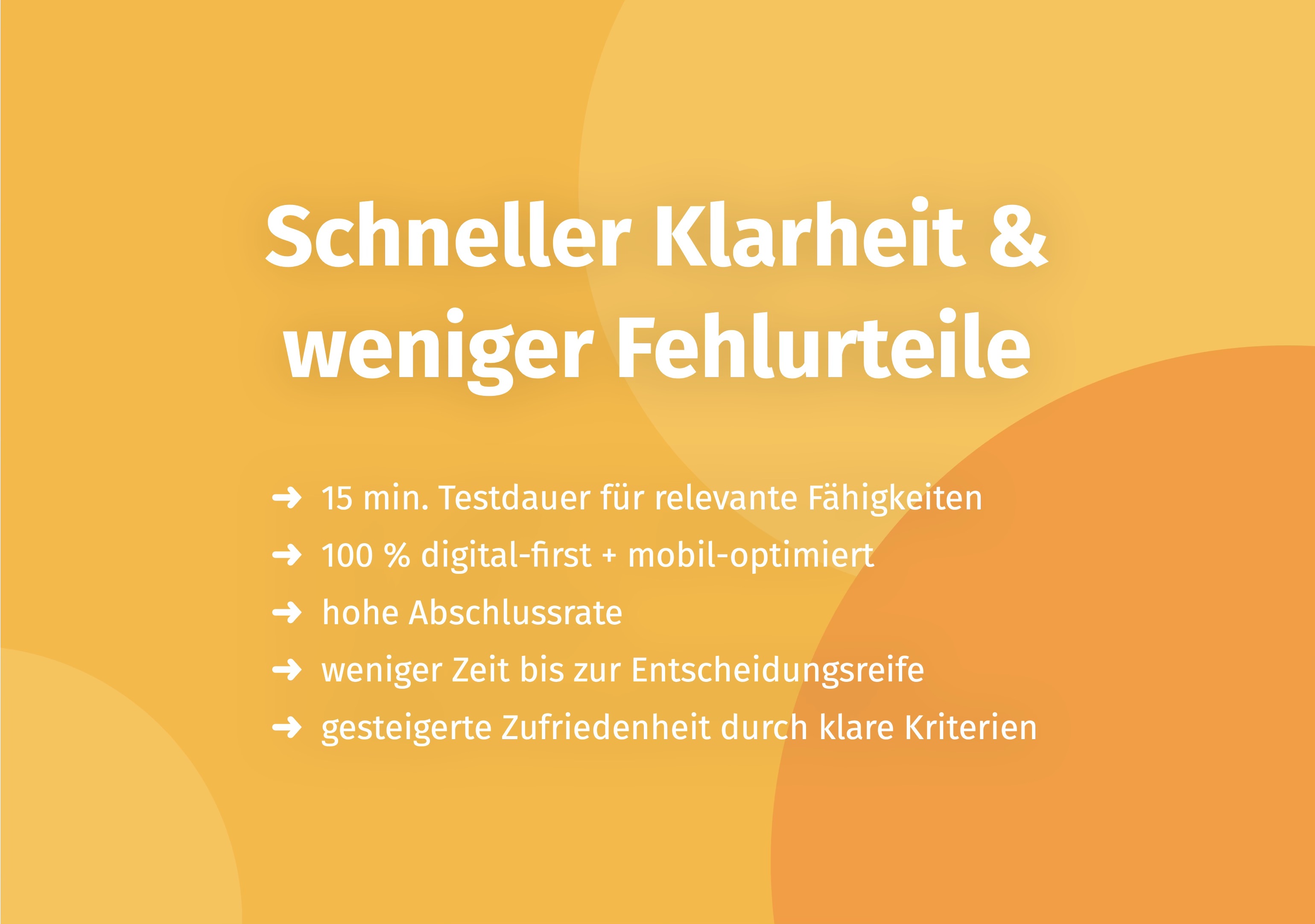
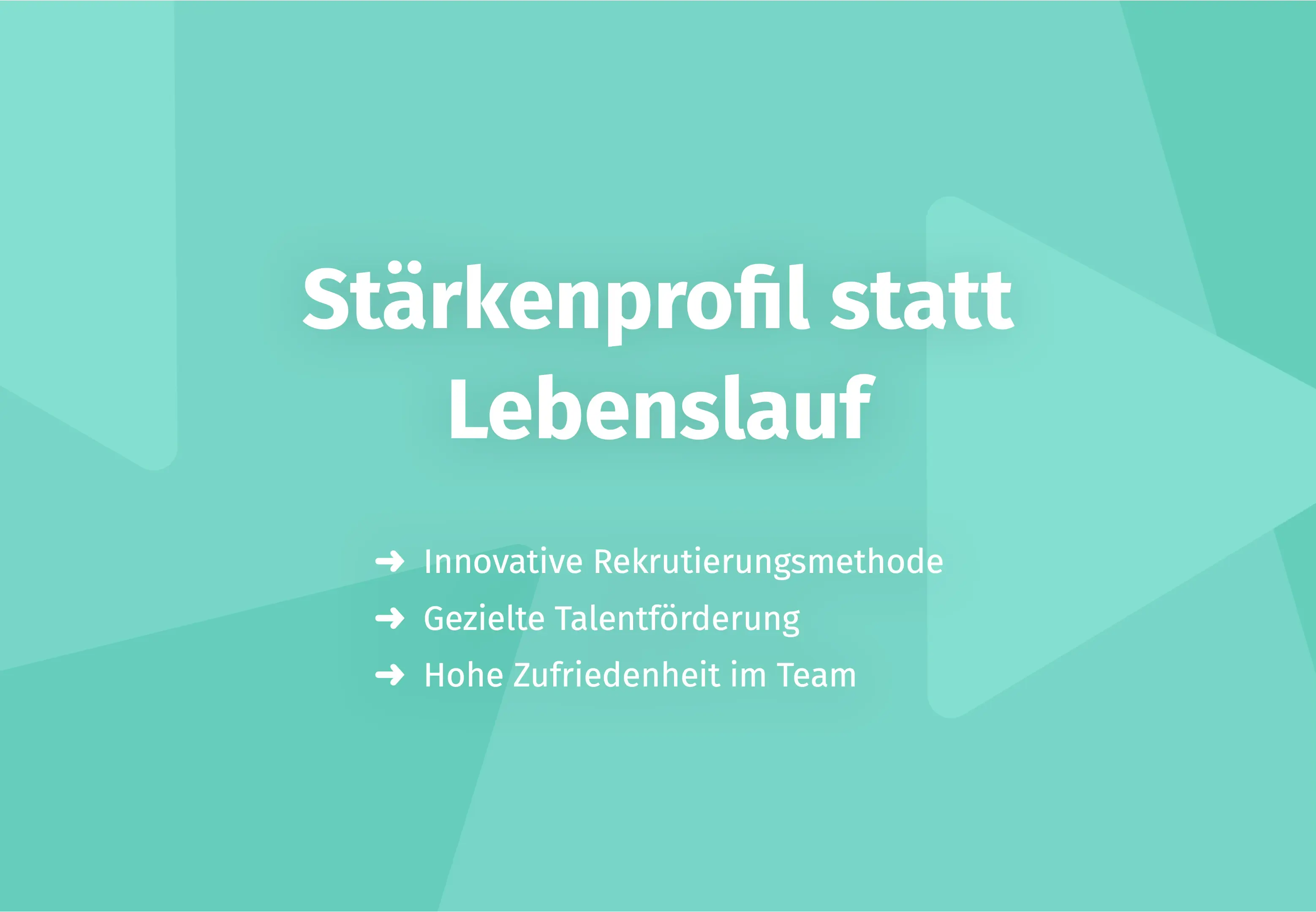
The most effective lever against bias in recruiting is the structuring and objectification of the selection process. Scientifically validated aptitude diagnostics – standardised tests and assessments that measure competencies and potential independently of the CV – demonstrably reduce the influence of subjective perception.
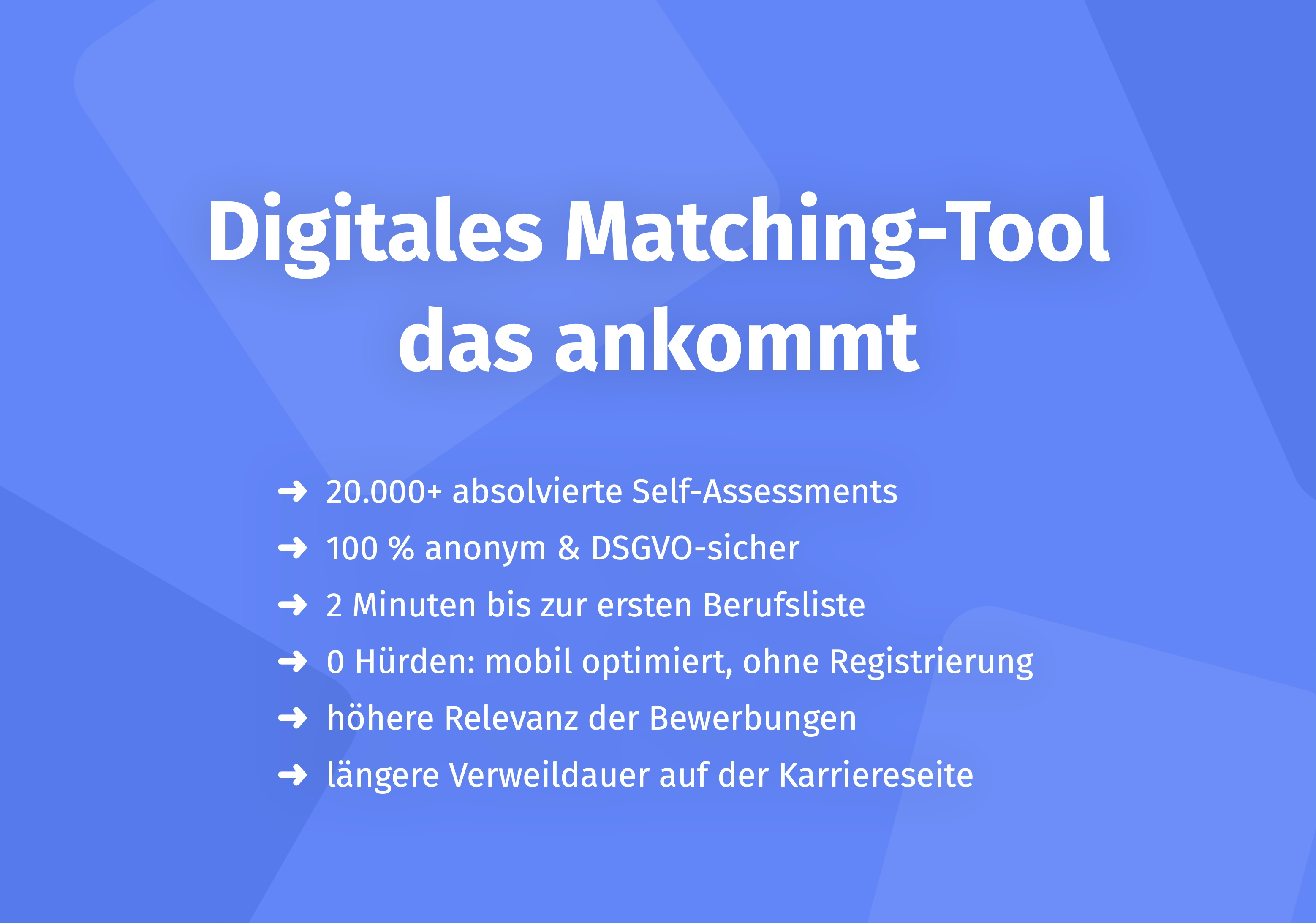
Companies such as Lufthansa and OMR illustrate this in practice: Lufthansa employs CV-independent selection methods and reports a measurable increase in diversity – particularly in gender balance and among international applicants. At OMR, objective diagnostics led to candidates being invited to interviews who would have been rejected based on their CV alone – and several of them were ultimately hired. The insight: objectivity in hiring drives long-term diversity gains.
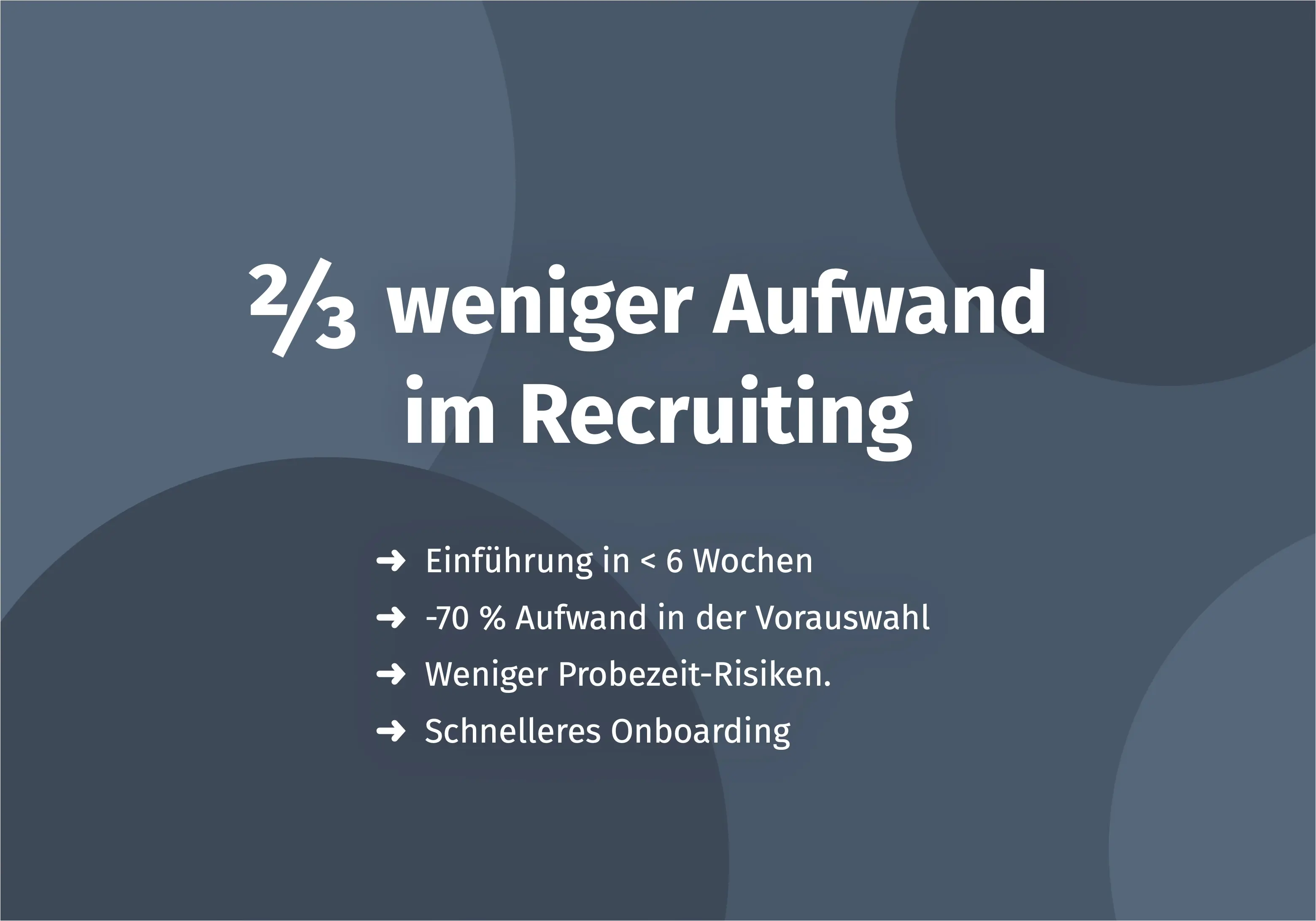
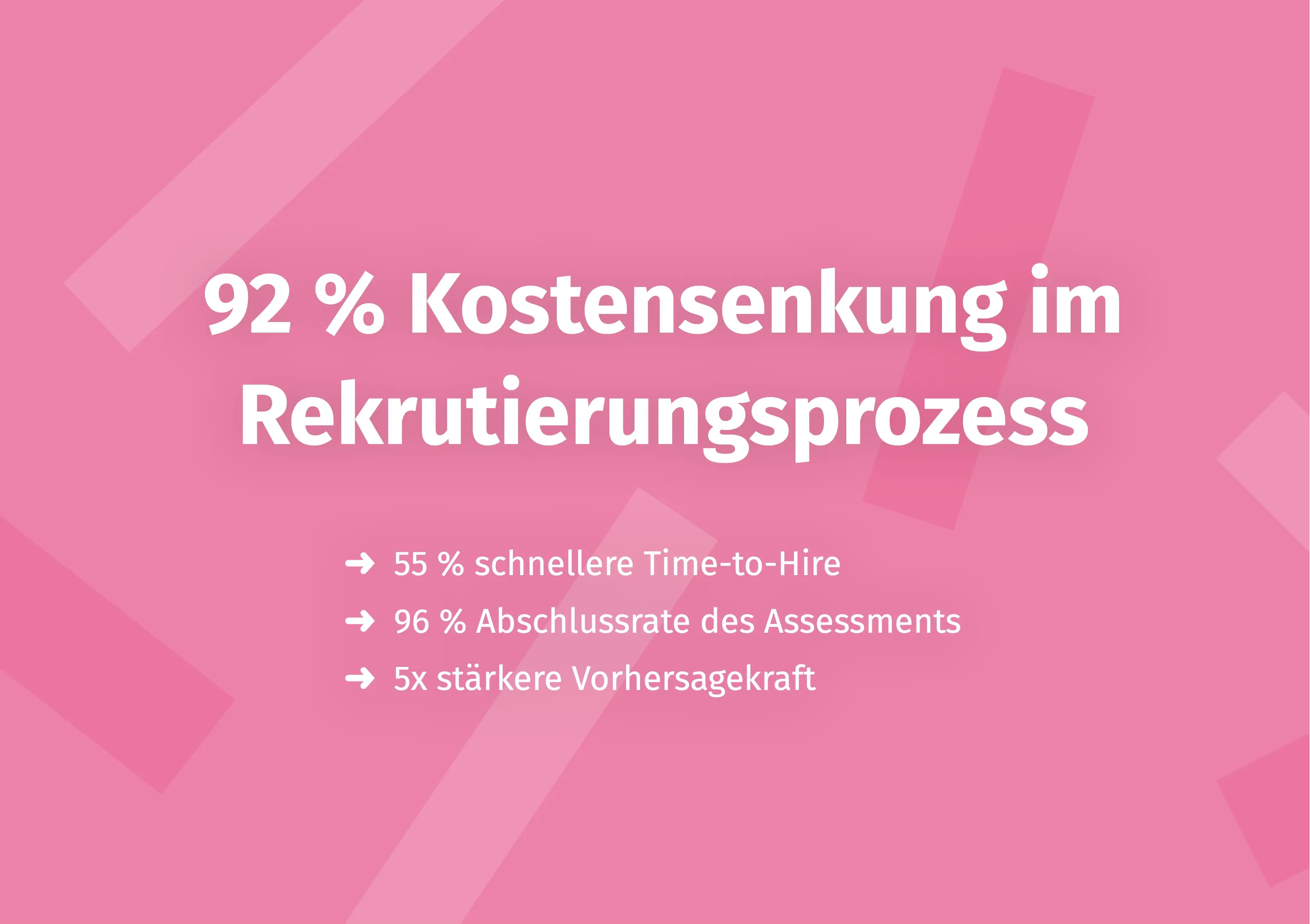
The digital platform Aivy supports HR professionals in basing selection decisions on scientifically validated competency data rather than CV signals. The game-based assessments, developed as a spin-off from Freie Universität Berlin, measure the strengths and potential of applicants independently of educational qualifications or prior experience. Using this approach, Lufthansa achieves a 96 percent accuracy rate in predicting assessment centre outcomes – with 81 percent satisfaction among applicants. Further details are available in the Lufthansa success story.
Practical Measures Within the Organisation
Measures in Recruiting
Concrete steps to structurally embed diversity in your recruiting process:
- Inclusive job postings: Gender-neutral language, avoiding requirements that could discriminate (e.g. age limits without objective justification), and signalling openness to career changers.
- Anonymised applications: CV-blinding reduces the influence of names, photos and educational institutions on initial screening decisions.
- Structured interviews: Consistent questions and standardised evaluation rubrics applied to all candidates minimise room for subjective judgement.
- Diverse interview panels: Multiple people with different backgrounds on the selection panel reduce conformity pressure and blind spots.
- Scientifically validated aptitude diagnostics: Competency-based assessments as a complement to CV analysis. A well-designed candidate experience simultaneously signals respect for applicants – and strengthens employer branding.
Measures in Leadership and People Development
Diversity does not end at the point of hire. What matters equally is how diversity is lived day-to-day:
- Mentoring and sponsoring programmes for underrepresented groups
- Flexible working models (part-time, remote, job sharing) as levers for a more diverse workforce
- Unconscious bias training for managers and recruiting teams
- Transparent promotion criteria based on performance and potential – not on networks or visibility
- Potential analyses that make strengths visible independently of previous career trajectories
Measuring Diversity: KPIs and Metrics
What cannot be measured cannot be managed. Meaningful KPIs for diversity management include:
- Demographic KPIs: Gender distribution overall and in leadership roles, age structure, share of employees with an immigration background
- Process KPIs in recruiting: Share of diverse applicants, invitation rates by group, offer and acceptance rates
- Culture KPIs: Results from employee surveys on belonging, psychological safety and perceived equal opportunity
- Retention KPIs: Turnover broken down by demographic characteristics
For organisations above a certain size, reporting on selected diversity metrics will be mandatory under the CSRD from the 2025 financial year. It is therefore advisable to begin capturing and documenting the relevant data points now.
Frequently Asked Questions about Diversity Management
What is diversity management?
Diversity management is a strategic management approach for the deliberate governance of diversity within organisations. Its aim is to leverage different perspectives, backgrounds and skills as a competitive advantage while preventing discrimination. It encompasses measures in recruiting, leadership, company culture and people development.
What is the difference between diversity and inclusion?
Diversity describes the state of variety within a workforce – the actual differences among employees in terms of characteristics such as age, gender or background. Inclusion refers to the active process of involving, valuing and creating a sense of belonging for everyone. Equity complements the framework by dismantling structural barriers. Together, these three concepts form DEI – Diversity, Equity and Inclusion.
What does German law say about diversity?
Germany's General Equal Treatment Act (AGG) prohibits discrimination on eight grounds: age, gender, ethnic origin, religion, worldview, disability, sexual identity and race. The Act applies to all stages of employment – from job postings through to termination. Violations can trigger liability for damages.
Note: the AGG applies specifically to Germany. For organisations operating across multiple EU countries, equivalent national legislation and the EU-level directives on pay transparency and non-discrimination apply.
What are the benefits of diversity management?
According to McKinsey (2020), companies with high ethnic diversity in their leadership teams are 36 percent more likely to achieve above-average profitability. BCG (2018) shows that diverse leadership teams generate 19 percent more revenue through innovation. In addition, diverse organisations access a broader talent pool, strengthen employer branding among younger talent and increasingly fulfil mandatory reporting obligations.
How does unconscious bias undermine diversity in recruiting?
Unconscious biases systematically distort selection decisions – for example through affinity bias (favouring similar candidates), stereotype bias (assumptions based on gender or background) or the halo effect. The result: qualified candidates are disadvantaged on the basis of irrelevant characteristics. Structured, standardised selection processes and scientifically validated aptitude diagnostics demonstrably reduce this influence.
Which measures are most effective in recruiting?
Particularly effective measures include: inclusive job postings with gender-neutral language, anonymised application processes (CV-blinding), structured interviews with consistent evaluation rubrics, diverse interview panels and the use of scientifically validated aptitude diagnostics rather than CV analysis alone.
How do you measure diversity within an organisation?
Suitable KPIs include demographic figures (gender distribution, age structure), process KPIs in recruiting (invitation rates by group, acceptance rates) and culture KPIs from employee surveys on belonging and equal opportunity. For larger organisations, diversity reporting will be mandatory from the 2025 financial year under the CSRD.
What are the primary dimensions of diversity?
Primary, largely unchangeable dimensions include: age, gender, ethnic origin and nationality, physical ability, sexual orientation and religion. These are enshrined as protected characteristics under the AGG. Secondary dimensions – such as education, professional experience or thinking styles – complement the picture and are equally relevant to holistic diversity management.
Conclusion
Diversity management today is far more than a question of corporate ethics. It is a strategic success factor, a tool for addressing skilled labour shortages and an increasingly binding legal requirement. Anyone who takes diversity seriously must start with recruiting – because that is where the composition and potential of the workforce is determined.
The decisive step is the objectification of selection processes: unconscious biases can be effectively reduced through structured methods, inclusive communication and scientifically grounded aptitude diagnostics. Diversity management that relies solely on awareness training remains superficial. Lasting change comes from processes that structurally create fair opportunities – regardless of CV, name or background.
Want to know how objective aptitude diagnostics can concretely strengthen diversity in your recruiting process? Learn more about how the Aivy platform uses scientifically validated assessments to reduce bias and promote equal opportunity in personnel selection: Find out more
Sources
- General Equal Treatment Act (AGG – Allgemeines Gleichbehandlungsgesetz). Federal Ministry of Justice, Germany, 2006 (currently in force). https://www.gesetze-im-internet.de/agg/
- McKinsey & Company: "Diversity Wins: How inclusion matters." 2020. https://www.mckinsey.com/featured-insights/diversity-and-inclusion/diversity-wins-how-inclusion-matters
- Charta der Vielfalt e.V. – Corporate initiative for diversity in the workplace. 2024. https://www.charta-der-vielfalt.de/
- European Parliament: EU Directive 2023/970 on pay transparency. 2023. https://eur-lex.europa.eu/legal-content/DE/TXT/?uri=CELEX:32023L0970
- Boston Consulting Group (BCG): "How Diverse Leadership Teams Boost Innovation." 2018. https://www.bcg.com/publications/2018/how-diverse-leadership-teams-boost-innovation
- Deutsche Gesellschaft für Personalführung (DGFP): Practical paper on diversity management. 2023. https://www.dgfp.de

Make a better pre-selection — even before the first interview
In just a few minutes, Aivy shows you which candidates really fit the role. Beyond resumes based on strengths.