
The vocational training contract (Ausbildungsvertrag) is a written agreement between a training company and a trainee that governs the rights and obligations of both parties for the entire duration of the apprenticeship. It is required by law (§ 10 BBiG) and must be signed before the training begins and registered with the competent chamber (IHK or HWK).
What Is a Vocational Training Contract?
The vocational training contract — formally known as a Berufsausbildungsvertrag — is the legal foundation of every dual vocational training relationship in Germany. Under § 10 (1) of the Vocational Training Act (Berufsbildungsgesetz, BBiG), training companies are obligated to conclude a written contract with trainees before the apprenticeship begins.
It differs from an employment contract in that its focus is not on the performance of work, but on the transfer of professional competencies. Compared to an internship agreement, the vocational training contract is more strictly regulated: it falls under the BBiG, obliges the company to provide structured qualification, and establishes entitlements to remuneration and leave.
Legal Framework: The BBiG
The Vocational Training Act (Berufsbildungsgesetz, BBiG) is Germany's central legislative framework governing company-based vocational training. It was introduced in 1969 and last fundamentally reformed in 2020 — with one of the most significant changes being the introduction of a statutory minimum training remuneration.
The following sections of the BBiG are particularly relevant to the vocational training contract:
- § 10 BBiG: Obligation to conclude a written training contract
- § 11 BBiG: Mandatory content of the contract
- § 17 BBiG: Minimum training remuneration
- § 20 BBiG: Probationary period
- § 22 BBiG: Termination of the training relationship
- § 34 BBiG: Obligation to register with the competent chamber
Mandatory Content: What Must the Contract Include?
Under § 11 (1) BBiG, the following information is mandatory in a vocational training contract:
Checklist per § 11 BBiG:
- Type, subject-matter structure, schedule and objective of the vocational training (training framework plan)
- Start date and duration of the vocational training
- Off-site training measures (e.g. vocational school, inter-company training)
- Duration of the regular daily training hours
- Duration of the probationary period
- Amount and level of remuneration for each year of training
- Duration of annual leave
- Conditions under which the training contract may be terminated
- Reference to applicable collective bargaining agreements, works agreements or service agreements
If any of these elements is missing, the contract is not automatically void — trainees retain their legal protections — but the company is in breach of its statutory duty and risks objections from the competent chamber.
Collective Bargaining Agreement Specifics
In many sectors, collective bargaining agreements (Tarifverträge) apply that go beyond the statutory minimum standards — for example, higher remuneration, shorter working hours or extended leave entitlements. The training contract must refer to any applicable collective agreements. Where a collective agreement applies, it takes precedence over less favourable contractual terms.
Probationary Period, Remuneration and Leave
Probationary Period: Duration and Termination
Under § 20 BBiG, every vocational training relationship must begin with a probationary period. It must last at least one month and may not exceed four months. In practice, three months is the standard.
During the probationary period, either party may terminate the training relationship in writing at any time, without notice and without giving reasons. This provision is designed to allow both trainees and companies to assess early on whether the training arrangement is a good fit.
Minimum Training Remuneration 2025
The 2020 BBiG reform introduced a statutory minimum training remuneration for the first time (§ 17 BBiG). It is adjusted annually. Remuneration increases with each year of training and varies by sector and collective agreement. For the first year of training, the statutory minimum remuneration in 2025 was €682 per month (figures subject to change — please verify current rates with the BMBF or the competent chamber). In sectors covered by collective agreements, actual remuneration is often considerably higher.
Leave Entitlement for Trainees
Leave entitlements are governed primarily by the Federal Leave Act (Bundesurlaubsgesetz, BUrlG): at least 24 working days per year based on a six-day week, or 20 working days for a five-day week. For minor trainees, the additional protective provisions of the Youth Employment Protection Act (Jugendarbeitsschutzgesetz, JArbSchG) also apply, which provide for higher leave entitlements depending on age.
Termination of the Vocational Training Contract
Termination During the Probationary Period
As noted above, during the probationary period either party may terminate the contract in writing at any time without notice and without giving reasons (§ 22 (1) BBiG). Termination must be made in writing.
Termination After the Probationary Period
Once the probationary period has ended, stricter rules apply (§ 22 (2) BBiG):
By the trainee: Termination is only possible if there is good cause, or if the trainee wishes to abandon or change their vocational training. In the latter case, a four-week notice period applies.
By the training company: After the probationary period, the company may only terminate for good cause — for example, in cases of serious breach of duty. Ordinary termination by the company is excluded by law once the probationary period has ended.
An invalid termination can be challenged before the labour court (Arbeitsgericht). Trainees should seek legal advice promptly in the event of a dispute, or contact their competent chamber.
Registration with the IHK or HWK
Concluding a training contract alone is not sufficient. Under § 34 BBiG, registration in the register of vocational training relationships (Verzeichnis der Berufsausbildungsverhältnisse) with the competent chamber is mandatory:
- IHK (Chamber of Commerce and Industry): For commercial and technical apprenticeship occupations
- HWK (Chamber of Crafts): For craft occupations
Registration should take place immediately after the contract is concluded, and at the latest at the start of training. The training relationship is only officially recognised once it has been registered. The chamber will verify that the contract contains all mandatory information and that the company is authorised to provide training.
Companies that are training for the first time are advised to contact their competent chamber early — chambers frequently offer template contracts and advisory services.
Digital Training Contracts: What Is Permitted?
The BBiG requires written form under § 11 (1): the contract must be signed in person by both parties. A simple email confirmation or a scanned copy of the contract is not sufficient.
A digital signature is only legally valid if a qualified electronic signature (QES) is used in accordance with the EU eIDAS Regulation. This is legally equivalent to a handwritten signature. Services offering QES are available on the market, but are not yet widely established in all training companies. In practice, vocational training contracts are still predominantly signed in paper form.
Frequently Asked Questions About the Vocational Training Contract
What must a vocational training contract contain?
Under § 11 (1) BBiG, the following are mandatory: type and objective of the training, start date and duration, training location, daily training hours, duration of the probationary period, remuneration for each training year, duration of annual leave, conditions for termination, and references to any applicable collective bargaining agreements or works agreements.
How long is the probationary period in a vocational training relationship?
Under § 20 BBiG, the probationary period must last at least one month and no more than four months. Three months is the standard in practice. During this period, the training relationship may be terminated in writing at any time without notice and without giving reasons.
What is the minimum training remuneration?
Since 2020, a statutory minimum training remuneration applies (§ 17 BBiG), which is adjusted annually. In sectors covered by collective bargaining agreements, remuneration is generally higher. Current minimum rates can be found on the website of the Federal Ministry of Education and Research (BMBF) or through your competent chamber.
Does the vocational training contract need to be registered with the IHK?
Yes. Registration in the register of vocational training relationships is mandatory under § 34 BBiG. Registration is handled by the IHK (commercial/technical occupations) or the HWK (craft occupations). Without registration, the training relationship is not officially recognised.
Can a vocational training contract be terminated?
During the probationary period: yes, at any time without notice and without giving reasons (§ 22 (1) BBiG). After the probationary period: trainees may give four weeks' notice if they wish to abandon or change their training. The company may only terminate for good cause after the probationary period has ended.
Who signs the vocational training contract?
The contract is signed by the training company (legal representative) and the trainee. Where the trainee is a minor, the signature of a parent or legal guardian is also required.
Can the vocational training contract be signed digitally?
The BBiG requires written form. A legally valid digital signature is only possible using a qualified electronic signature (QES) under the eIDAS Regulation. A simple email or scan does not meet this requirement.
Conclusion
The vocational training contract is more than a formality: it provides trainees with legal protection, sets out rights and obligations clearly, and forms the foundation of a successful training relationship. HR professionals should ensure that all mandatory information required under § 11 BBiG is included, that the contract is signed before training begins, and that registration with the competent chamber is completed promptly. When in doubt — particularly regarding collective agreements, termination rules or digital signatures — consulting the IHK, HWK or a specialist employment lawyer is strongly recommended.
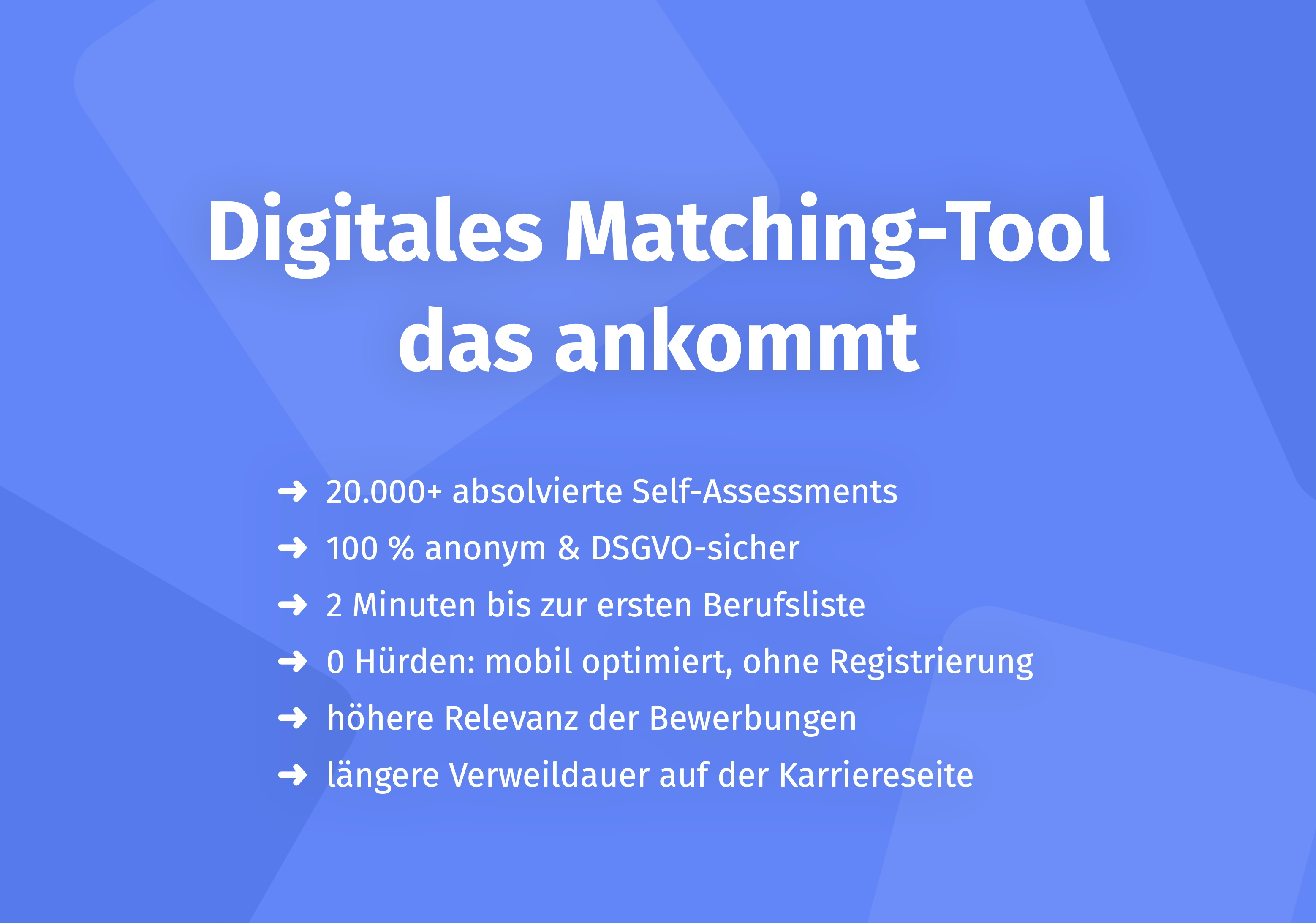
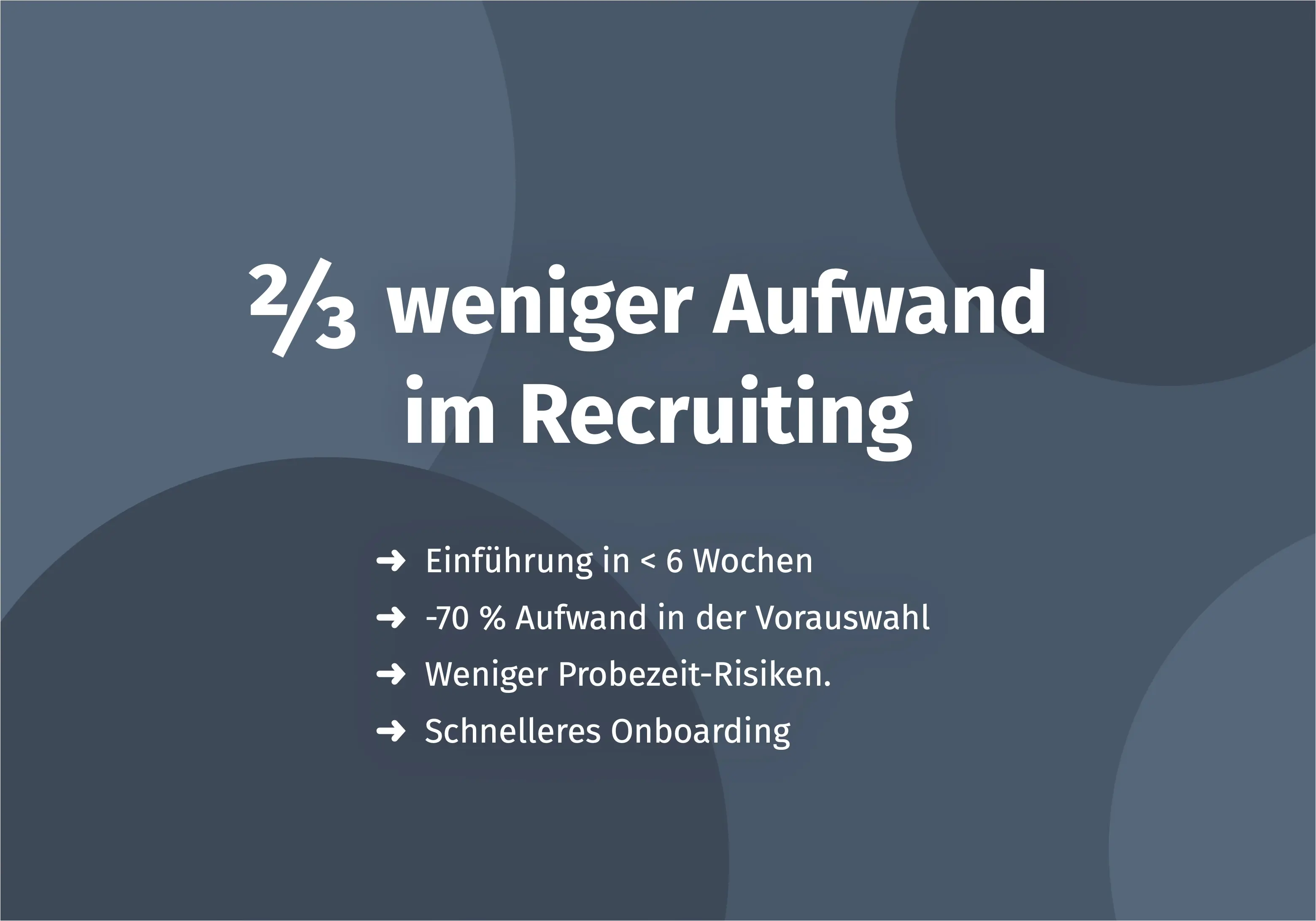
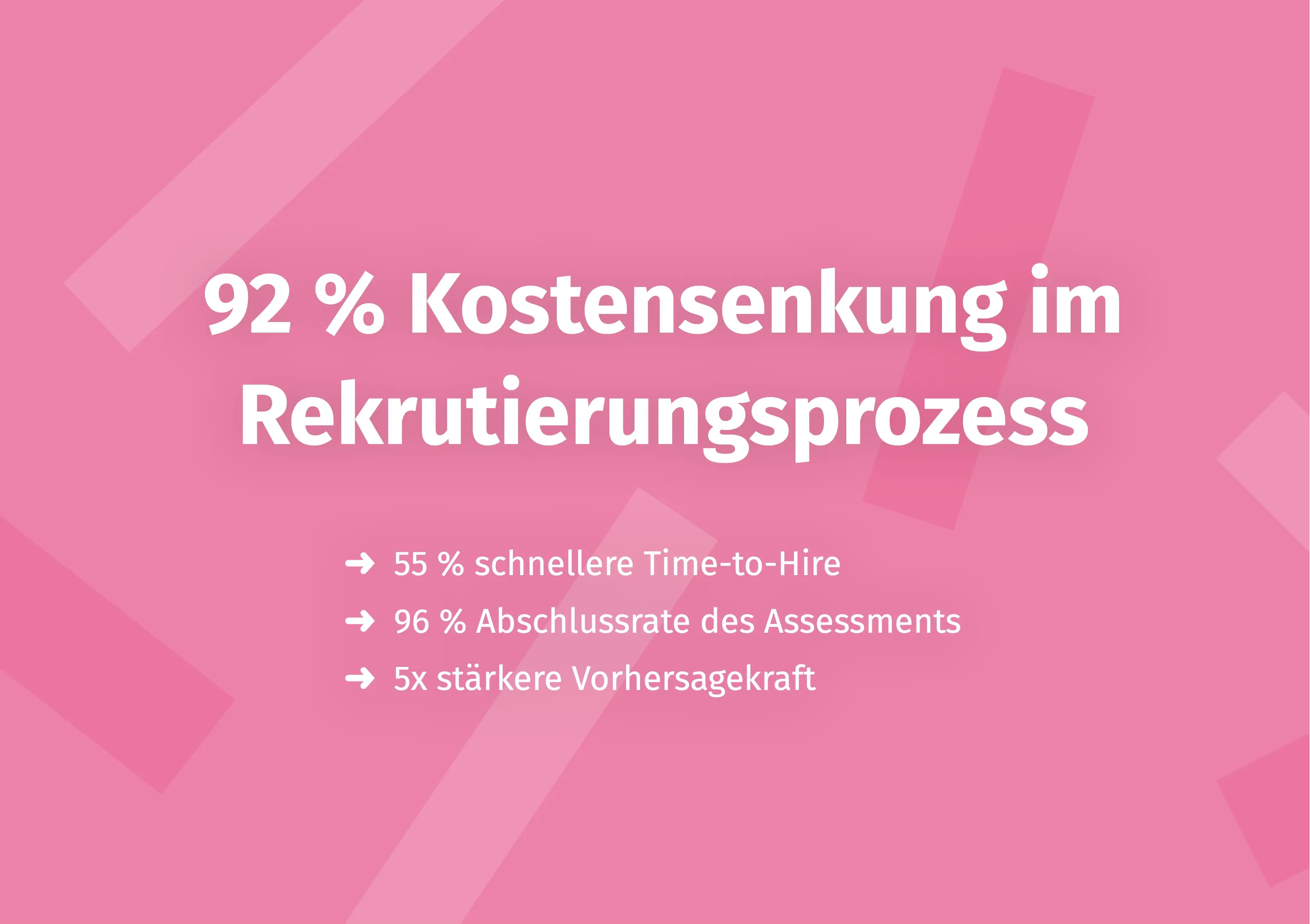
Fair candidate selection begins before the training contract is signed. The digital platform Aivy helps companies select apprentices objectively and on the basis of scientific evidence — establishing a solid foundation from the very start. Learn more about objective aptitude diagnostics with Aivy.
Sources
- Vocational Training Act (BBiG) – §§ 10–22, 34. Federal Ministry of Justice, 2005 (last amended 2020). https://www.gesetze-im-internet.de/bbig_2005/
- BBiG § 17 – Remuneration entitlement and minimum remuneration. Federal Ministry of Justice, 2020. https://www.gesetze-im-internet.de/bbig_2005/__17.html
- Training & Occupation – Rights and obligations during vocational training. Federal Ministry of Education and Research (BMBF), 2024. https://www.bmbf.de/bmbf/de/bildung/berufliche-bildung/ausbildung-und-beruf.html
- IHK: Template Vocational Training Contract. German Chamber of Commerce and Industry (DIHK), 2024. https://www.ihk.de
- Vocational Training Contract – A Guide for Companies. Haufe Group, 2024. https://www.haufe.de/personal/hr-management/ausbildungsvertrag

Make a better pre-selection — even before the first interview
In just a few minutes, Aivy shows you which candidates really fit the role. Beyond resumes based on strengths.