
Vocational training (Ausbildung or Berufsausbildung) systematically imparts the professional and practical skills required for a recognised apprenticeship occupation in Germany. The dual system combines on-the-job training with vocational school instruction and is legally anchored in the Vocational Training Act (Berufsbildungsgesetz, BBiG). For companies, vocational training is a strategic opportunity to attract junior talent early, develop them precisely for the role, and retain them long-term.
What Is Vocational Training? – Definition
Vocational training is a state-recognised educational pathway that prepares trainees (Auszubildende, or Azubis) for independent professional practice. Germany currently offers approximately 325 recognised apprenticeship occupations (according to the Federal Institute for Vocational Education and Training, BIBB, 2024), spanning technical-industrial, commercial, and trade sectors.
Vocational training differs from university study primarily in its entry requirements (no university entrance qualification required), duration (2–3.5 years vs. 3–5 years), and its stronger practical orientation. While university study primarily targets academic and scientific qualifications, vocational training delivers applied, action-oriented professional knowledge.
Types of Vocational Training at a Glance
The most common form is dual vocational training: trainees learn simultaneously in a company and at a vocational school (Berufsschule). "Dual" refers to these two learning venues. In addition, there is school-based vocational training (full-time at a vocational college, e.g. for educators or physiotherapists) and extracurricular vocational training, offered by training providers for disadvantaged young people. This article focuses on dual vocational training as the most relevant form for companies.
The Dual Vocational Training System in Germany
Two Learning Venues: Company and Vocational School
In the dual system, trainees typically spend three to four days per week at their training company and one to two days at the vocational school. The company imparts practical skills in accordance with a nationally standardised training framework plan (Ausbildungsrahmenplan); the vocational school supplements this with theoretical specialist knowledge and general education subjects.
Content for each apprenticeship occupation is defined by the relevant competent body (usually the Chamber of Commerce and Industry, IHK, or the Chamber of Crafts, HWK). Training companies are required to draw up a company training plan aligned with this framework plan (§ 11 BBiG).
Duration and Occupational Fields
Depending on the occupation, training lasts two, three, or three-and-a-half years. Reductions are possible – for example, for outstanding performance, relevant prior qualifications, or a completed university degree. Extensions can be approved upon application. Particularly training-intensive sectors include industry and commerce, the skilled trades, liberal professions, and the public sector.
Key Figures: The Vocational Training Market 2024/2025
The vocational training market faces growing challenges. According to the Federal Vocational Education and Training Report 2024 (BMBF), around 73,400 apprenticeship positions went unfilled in 2023 – while many applicants also failed to find a place. These matching problems make clear how critical the quality of the selection process is for companies.
Legal Framework: The Vocational Training Act (BBiG)
The Vocational Training Act (BBiG) is the central legal basis for company-based vocational training in Germany. It bindingly governs the rights and obligations of both parties – the training company and the trainee.
Obligations of the Training Company
Under § 14 BBiG, training companies have the following core obligations:
- Train apprentices in a planned and goal-oriented manner
- Provide training materials (tools, materials, learning resources) free of charge
- Release apprentices to attend vocational school
- Not assign apprentices tasks unrelated to their training
- Pay a training allowance (Ausbildungsvergütung)
Companies may only take on apprentices if they themselves, or a person they have appointed, possess the personal and professional qualification as a trainer (§ 28 BBiG).
The Training Contract: Mandatory Content under § 11 BBiG
A written training contract must be concluded before training begins. It must contain at minimum:
- Type, content, and schedule of the training measures
- Start date and duration of the training
- Training location and premises
- Daily training hours
- Duration of the probationary period (minimum 1, maximum 4 months)
- Amount of the training allowance
- Holiday entitlement
- Conditions for termination
- Reference to applicable collective agreements or works agreements
The contract must be registered with the competent body (IHK, HWK, etc.) before training begins.
Probationary Period, Remuneration, and Termination
The probationary period lasts a minimum of one and a maximum of four months. During this period, either party may terminate the training relationship at any time with immediate effect and without giving reasons (§ 22 para. 1 BBiG).
The minimum training allowance has been regulated by law since 2020. It is adjusted annually and is staggered by year of training. Many industries pay significantly higher amounts under collective agreements. The current figures are published annually by the BIBB.
After the probationary period, termination is only possible for good cause (immediate termination by the company) or by the trainee with four weeks' notice, if they wish to abandon training or pursue a different occupation (§ 22 para. 2 BBiG). Mutually agreed termination agreements are possible at any time.
Finding and Objectively Selecting Trainees
The selection process is largely decisive for the success or failure of a training relationship. According to the BIBB, around 25% of all apprenticeship relationships are terminated prematurely – frequently due to poor fit between the person and the occupation.
Defining a Requirements Profile: What Makes a Good Apprentice?
Before posting job advertisements, it is worthwhile to define the requirements profile precisely. In addition to educational prerequisites (e.g. a secondary school leaving certificate for commercial occupations), personality traits, interests, and cognitive abilities play a decisive role. Questions HR professionals should ask: Which competencies are truly critical for success in the occupation? Which can be developed during training – and which should be present from the outset?
Comparing Selection Methods: School Grades, Assessments, Aptitude Tests
School grades remain the most commonly used selection criterion – yet their predictive power for training success is limited. Research in aptitude diagnostics shows that structured procedures such as cognitive ability tests, personality questionnaires (e.g. based on the Big Five model), and situational tasks are considerably better suited to assessing professional aptitude.
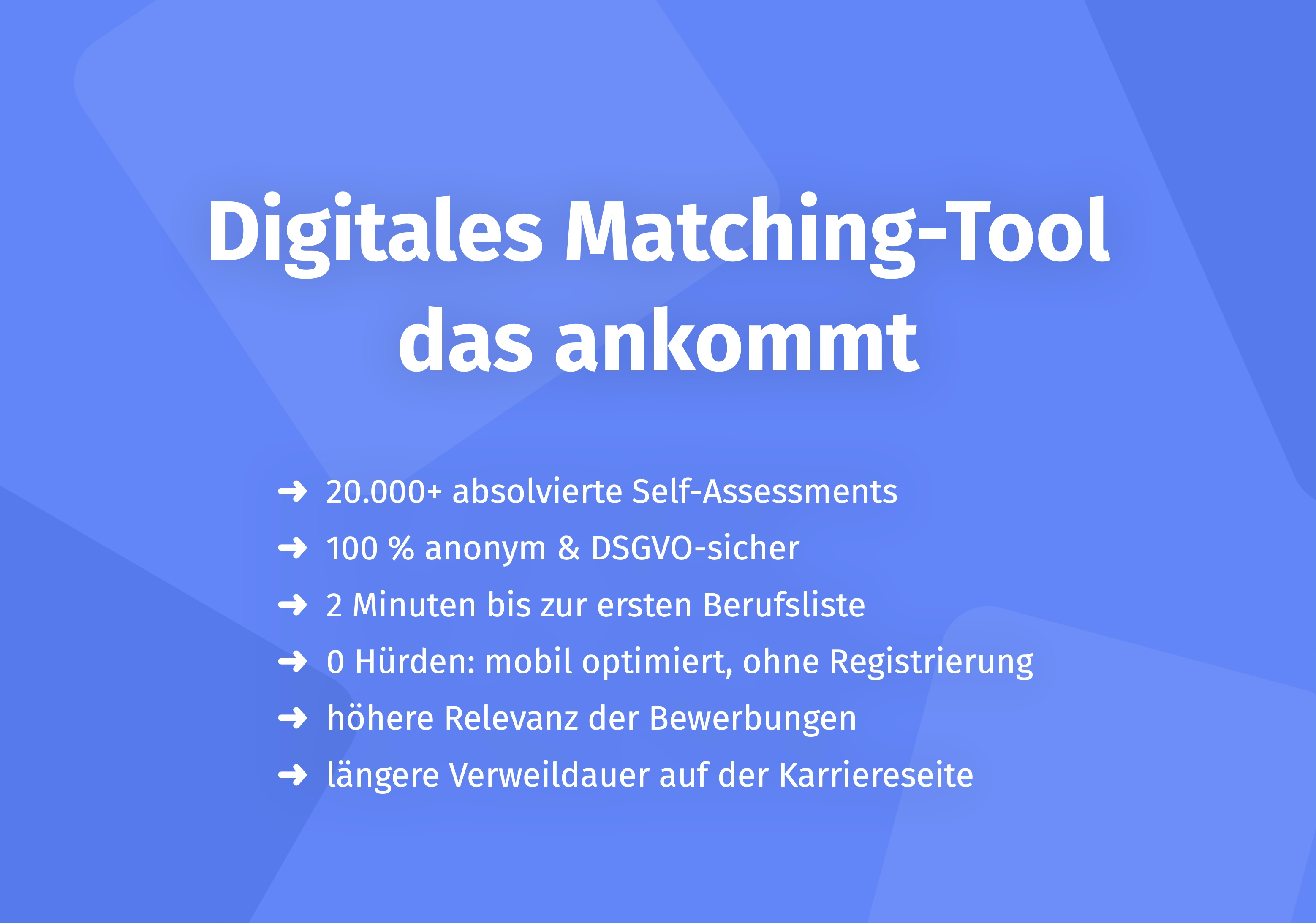
Modern digital platforms make it possible to deploy scientifically validated aptitude tests early in the application process. The digital platform Aivy, for example, offers game-based assessments developed on the basis of psychological research at Freie Universität Berlin. These allow relevant competencies to be measured objectively and comparably – regardless of educational background or origin. This simultaneously reduces the influence of unconscious bias in recruiting on selection decisions.
Avoiding Common Mistakes in Apprentice Selection
The most common mistakes include: an exclusive focus on school grades, lack of structure in the job interview, intuitive decisions without a diagnostic basis, and insufficient transparency towards applicants. A structured assessment centre or a digital aptitude test can help make selection decisions traceable and fair.
Preventing Training Drop-Outs
Causes and Risk Factors
According to BIBB data, the most common reasons for early termination are: wrong career choice, poor workplace climate, over- or under-challenge, and personal problems. A large proportion of drop-outs could be prevented through better matching already at the selection stage.
Prevention Measures for Training Companies
In addition to careful applicant selection, regular feedback conversations, clear communication of expectations, and structured onboarding are effective instruments. Equally important: do not use apprentices as low-cost labour, but consistently integrate them into training content. A positive candidate experience begins in the application process and continues throughout the training period.
Frequently Asked Questions About Vocational Training
What is the difference between dual and school-based vocational training?
In dual vocational training, apprentices learn simultaneously at a company and at a vocational school. School-based training takes place entirely at a vocational college (e.g. for educators or occupational therapists). In the dual system, trainees receive a remuneration from the company; school-based programmes are often free or fee-paying, depending on the federal state and institution.
How long does dual vocational training last?
Depending on the occupation, training lasts two, three, or three-and-a-half years. Reduction is possible for outstanding performance or relevant prior qualifications; extension can be approved upon application.
What must a training contract contain?
Under § 11 BBiG, the contract must contain at minimum: type and structure of the training, start date and duration, training location, daily training hours, probationary period, remuneration, holiday entitlement, termination conditions, and a reference to applicable collective agreements.
What are the obligations of the training company?
Under § 14 BBiG, the company is obliged to train in a planned manner, provide training materials free of charge, release apprentices for vocational school attendance, not assign training-unrelated tasks, and pay a training allowance.
How high is the minimum training allowance in 2025?
The minimum training allowance is raised annually by the legislator and is staggered by year of training. The current figures are published annually by the BIBB at bibb.de. Many collective agreements provide for significantly higher remuneration.
When can a training relationship be terminated?
During the probationary period (1–4 months), termination is possible with immediate effect and without giving reasons (§ 22 para. 1 BBiG). After the probationary period, termination by the company is only permissible for good cause. Trainees may terminate with four weeks' notice if they wish to abandon training or pursue a different occupation. Mutually agreed terminations are possible at any time.
What are common causes of training drop-outs?
According to the BIBB, around 25% of all apprenticeship relationships are terminated prematurely. Common causes include: wrong career choice, poor fit, poor workplace climate, over- or under-challenge, and personal problems. Many drop-outs can be prevented through a structured, competency-based selection process.
Conclusion
Vocational training is a cornerstone of Germany's skilled workforce strategy and offers companies the opportunity to develop junior talent in a targeted way. For HR professionals, two levers are particularly important: a legally sound training contract in accordance with the BBiG, and a structured selection process that goes beyond school grades. The better the fit between trainee and apprenticeship occupation from the outset, the lower the risk of premature termination.
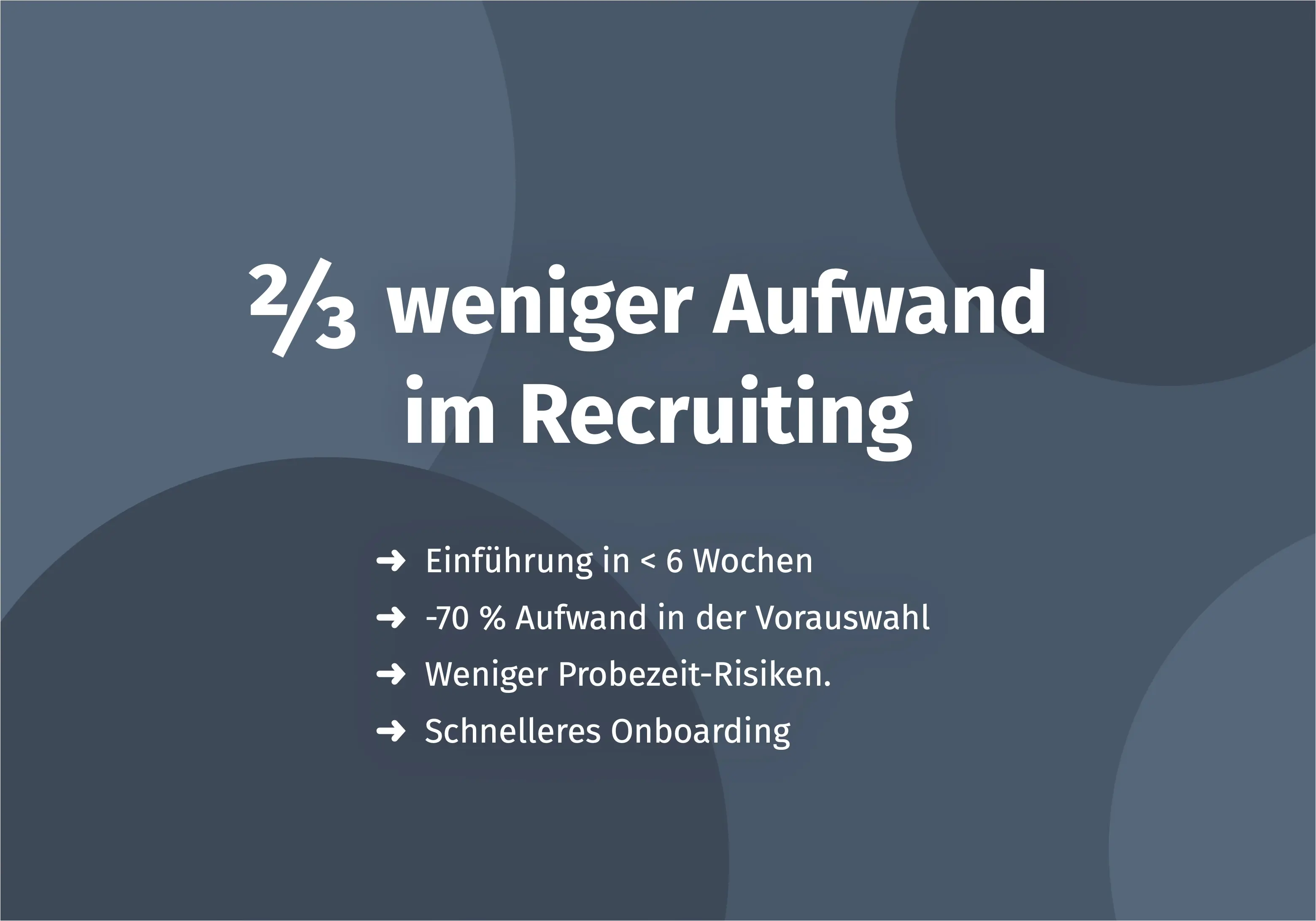
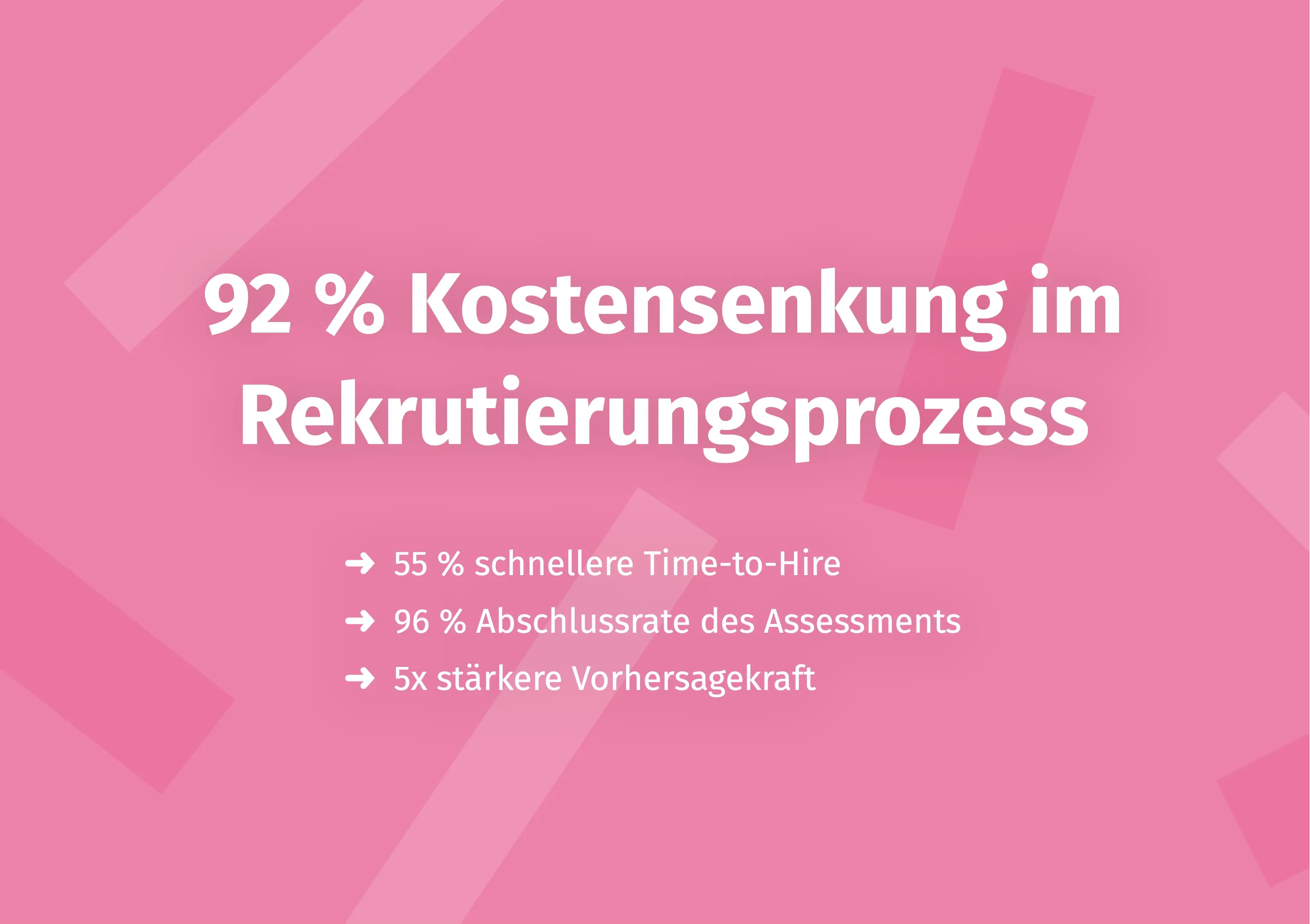
Would you like to make your apprentice selection more objective and fair? The digital platform Aivy supports companies with scientifically validated game-based assessments to evaluate applicants on the basis of competencies – independent of school grades and free from unconscious bias. Learn more about objective aptitude diagnostics with Aivy.
Sources
- Vocational Training Act (BBiG). Federal Ministry of Justice, last amended 2020.
https://www.gesetze-im-internet.de/bbig_2005/ - BIBB Data Report on the Vocational Education and Training Report 2024. Federal Institute for Vocational Education and Training (BIBB), 2024.
https://www.bibb.de/de/210294.php - Federal Vocational Education and Training Report 2024. Federal Ministry of Education and Research (BMBF), 2024.
https://www.bmbf.de/bmbf/de/bildung/berufliche-bildung/berufsbildungsbericht/berufsbildungsbericht_node.html - Minimum Training Allowance – Current Overview. Federal Institute for Vocational Education and Training (BIBB), 2025.
https://www.bibb.de/de/64847.php - Training Drop-Outs: Figures, Causes, Prevention. BIBB, 2023.https://www.bibb.de/de/pressemitteilung_149148.php

Make a better pre-selection — even before the first interview
In just a few minutes, Aivy shows you which candidates really fit the role. Beyond resumes based on strengths.