
Promoting mental health at work is not an optional extra – it is a legal obligation: Germany's Occupational Health and Safety Act (ArbSchG) explicitly requires employers to assess psychological hazards in the workplace. According to the DAK Health Report 2024, mental illness is one of the most common causes of long-term absence in Germany and costs businesses billions every year. Effective prevention combines structural workplace health management (BGM) measures, an open leadership culture, and – often underestimated – well-matched hiring from the very start.
What Does Mental Health at Work Mean?
The World Health Organization (WHO) defines mental health as a state of well-being in which a person can realise their own abilities, cope with the normal stresses of life, work productively, and contribute to their community. In a workplace context, this means employees can perform their tasks with focus and motivation without being exposed to sustained, harmful stress.
An important distinction every HR professional should know: psychological load (neutral) describes all external influences acting on a person – such as time pressure, noise, or role conflicts. Psychological strain is the individual response to that load, which can vary greatly from person to person. Load is therefore not inherently negative; it only becomes a health risk when the resulting strain is persistently too high.
Legal Requirements: What the Occupational Health and Safety Act Prescribes
Risk Assessment for Psychological Hazards Under ArbSchG §5
Since the legislative clarification by the Joint German Occupational Safety and Health Strategy (GDA) in 2013, one thing has been clear: the obligation to carry out a risk assessment under §5 of the Occupational Health and Safety Act (ArbSchG) explicitly includes psychological hazards – not just physical risks such as noise or accident exposure. As an employer, you are required to systematically identify and evaluate hazards and derive appropriate protective measures.
What Employers Need to Do in Practice
The Federal Institute for Occupational Safety and Health (BAuA) recommends a structured five-step process:
- Identification: What psychological stress factors exist? (e.g. workload intensity, autonomy, social relationships, working environment)
- Assessment: How strongly do these affect employees?
- Deriving measures: What can be changed – organisationally, technically, socially?
- Implementing measures: With clear responsibilities and deadlines
- Reviewing effectiveness: Have the stressors actually been reduced?
Breaches of the risk assessment obligation can result in fines and, in the event of damage, expose employers to liability. More extensive workplace health management measures – such as stress management courses or Employee Assistance Programs – are voluntary, but clearly advisable from a business perspective.
Common Causes of Psychological Stress in Organisations
Organisational Factors
Occupational science distinguishes several categories of organisational stress factors:
Work content and organisation: Excessive time pressure, conflicting demands (role conflicts), unclear responsibilities, or insufficient autonomy are considered particularly burdensome. Emotional demands – for instance in care professions or customer service – also fall into this category.
Social relationships: Poor team dynamics, lack of support from line managers, or conflicts including bullying have a strong impact on mental well-being. Research consistently shows that the relationship with one's direct manager is one of the strongest predictors of employee satisfaction and mental health.
Working environment: Physical conditions such as noise, heat, or inadequate equipment can also be psychologically stressful, especially when they are persistent and appear unchangeable.
Individual Factors and Person-Job Fit
Beyond organisational factors, individual fit plays a decisive role. When a person's strengths, values, and working style do not match the requirements of the role or the team culture, chronic stress arises – even without an objectively excessive workload. Poor hiring decisions are therefore a structural, yet often overlooked, driver of psychological stress in the workplace. More on this in the following section.
Effective Measures for Promoting Mental Health
Structural Measures: Workplace Health Management, EAPs and Work Design
Workplace Health Management (BGM) refers to the systematic, strategic design of organisational processes aimed at maintaining and promoting the health and performance of all employees. Effective BGM measures in the area of mental health include:
- Stress management and resilience training
- Mindfulness programmes (e.g. MBSR – Mindfulness-Based Stress Reduction)
- Flexible working hours and remote work options to improve work-life balance
- Clear communication about roles, expectations, and decision-making processes
Employee Assistance Programs (EAPs) are external, confidential advisory services provided free of charge to employees and funded by the employer. They typically cover psychological counselling, legal support, and financial advice – available around the clock, confidential, and without bureaucratic hurdles. The low threshold for use makes EAPs particularly effective: utilisation rates range from 3 to 8% of the workforce depending on the organisation, with costs of approximately €50–200 per employee per year.
Leadership Culture: Recognise Early, Address Openly
Managers are not therapists – but they play a key role in the early recognition of psychological stress. Warning signs include frequent short-term absences, increasing withdrawal from the team, concentration difficulties, or sudden changes in performance.
The role of managers is to address such changes – openly, non-judgementally, and with genuine interest. A proven approach: taking "How are you?" seriously, offering a confidential conversation, and signposting internal or external support resources where needed. Manager training on mental health, conversational skills, and stigma reduction is therefore one of the most effective investments an organisation can make.
Beyond this, a company culture in which mental health can be discussed openly – without stigma or career consequences – is essential. This requires the topic to be taken seriously and made visible at leadership level.
Prevention Starts with Recruiting
One frequently underestimated lever is recruiting itself. Poor hiring decisions – situations in which a person's strengths, personality, or values do not match the role and team culture – are among the most common causes of chronic stress at work. The right job in the right environment, on the other hand, is one of the strongest protective factors for mental health.
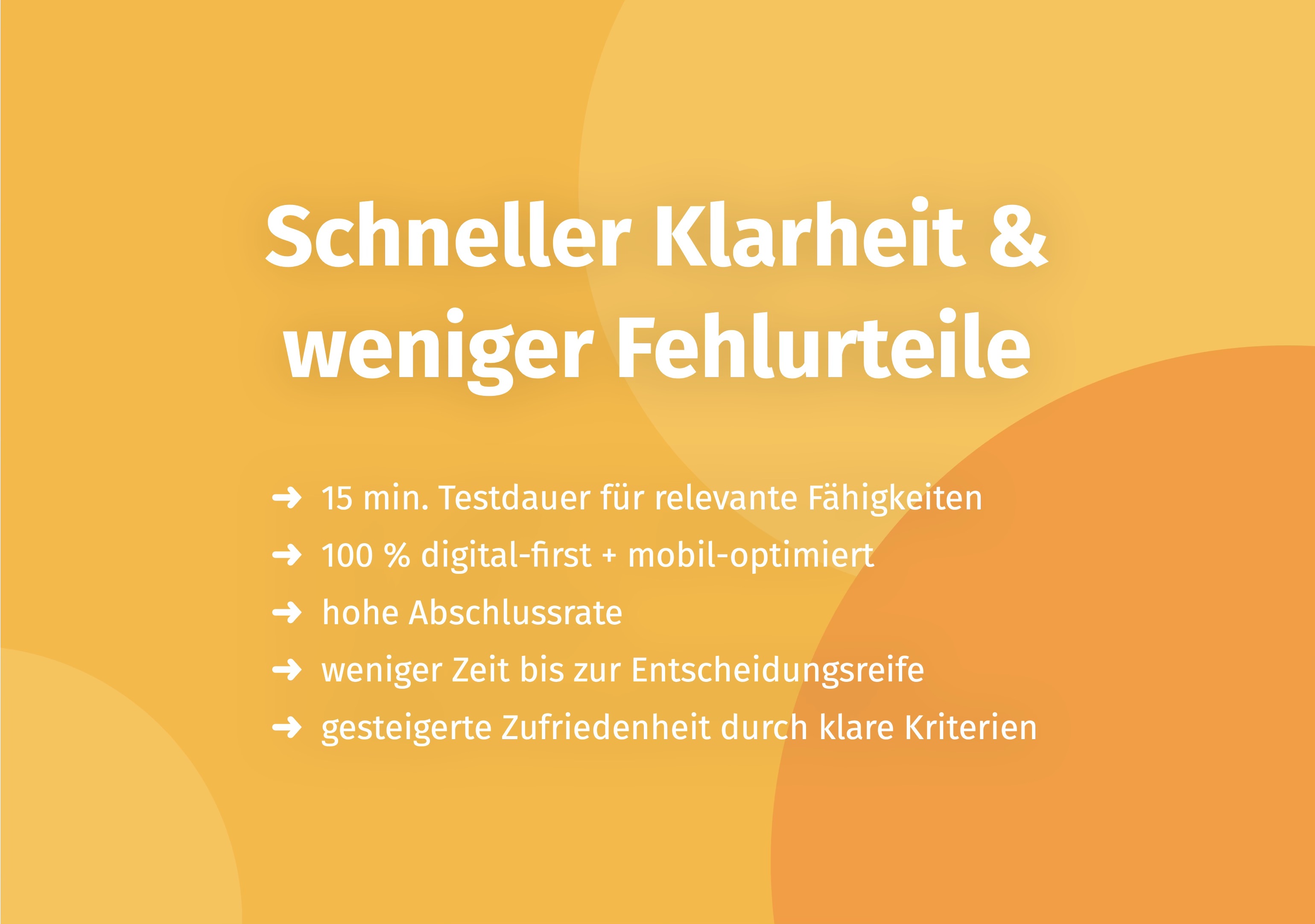
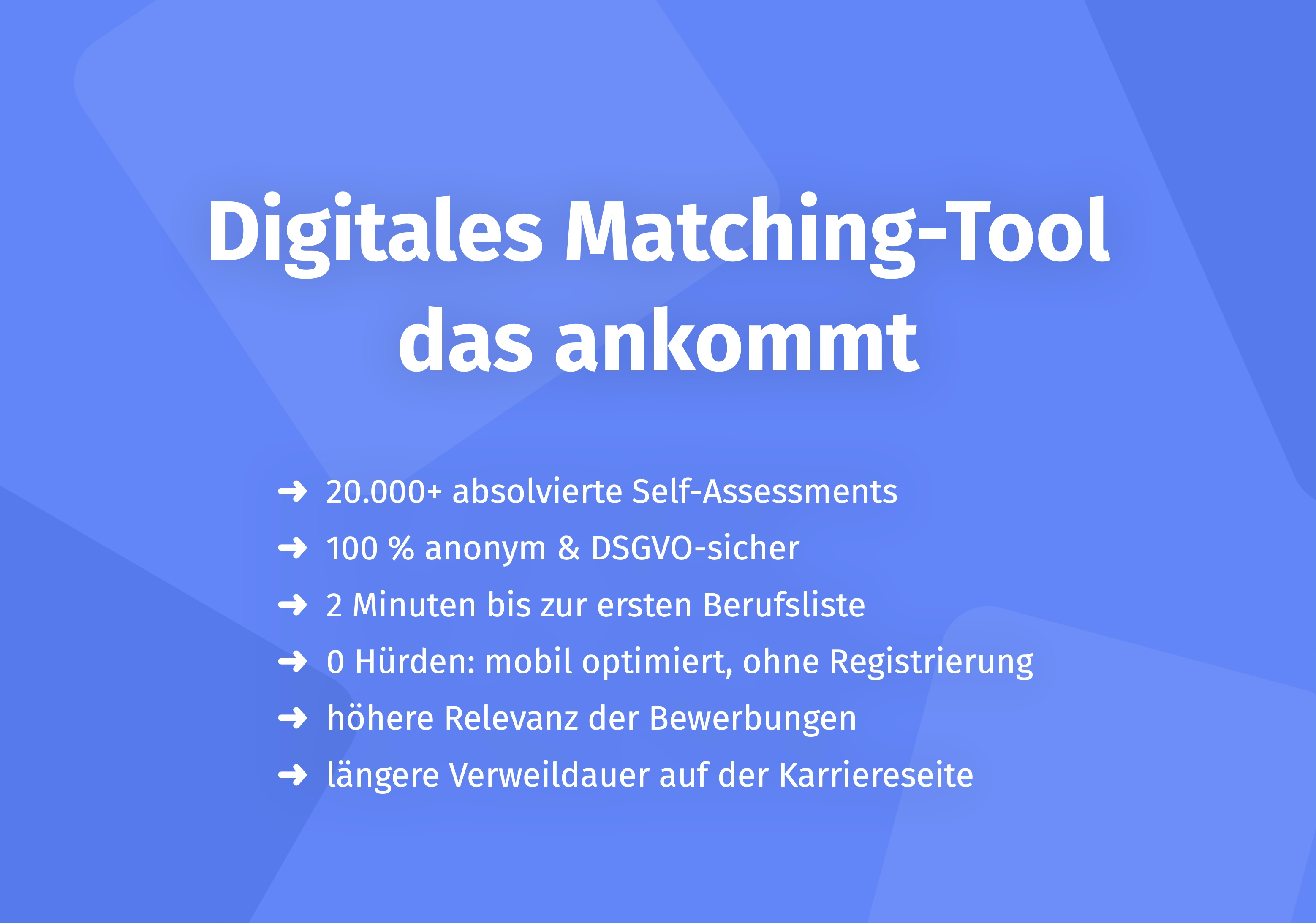
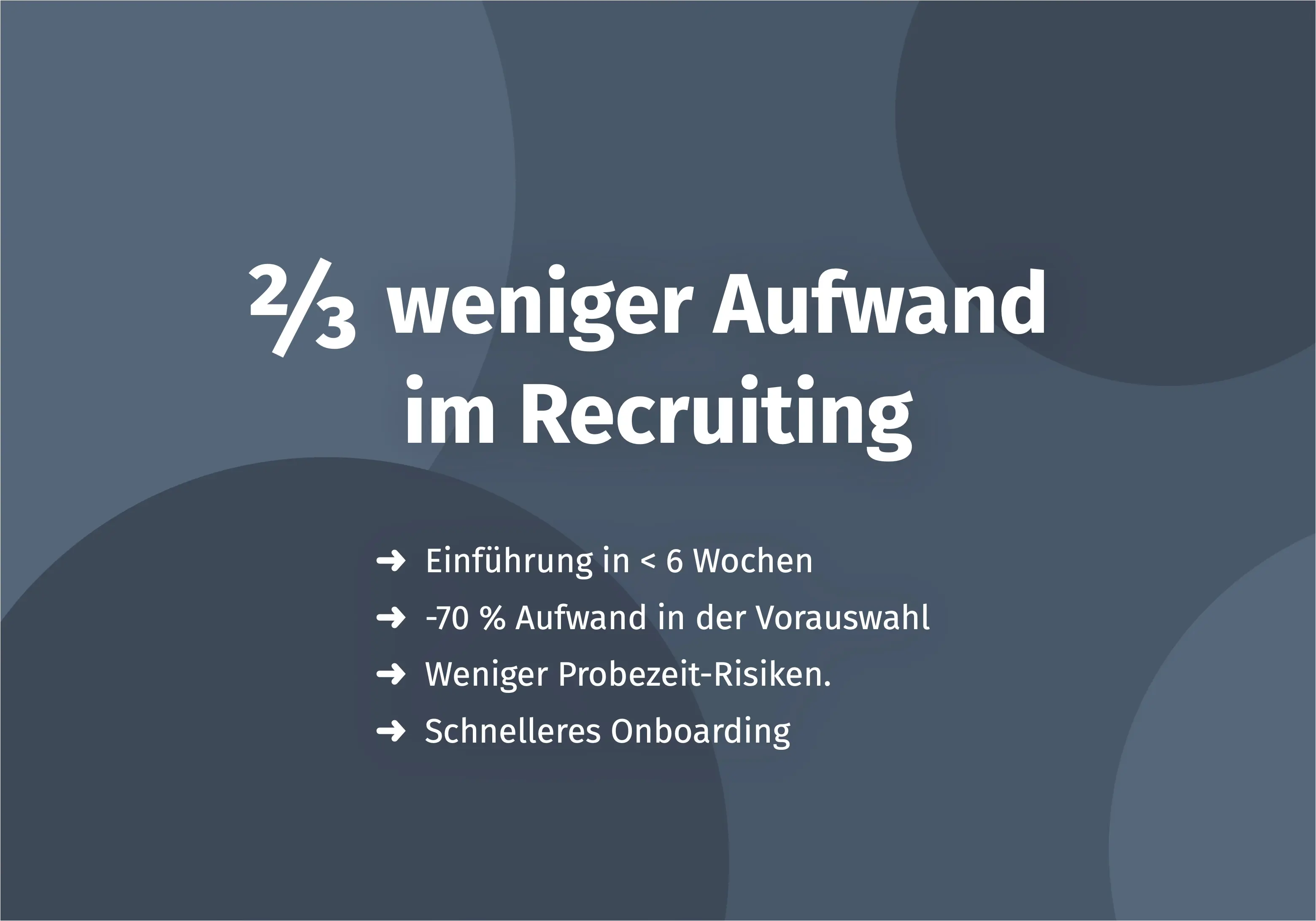
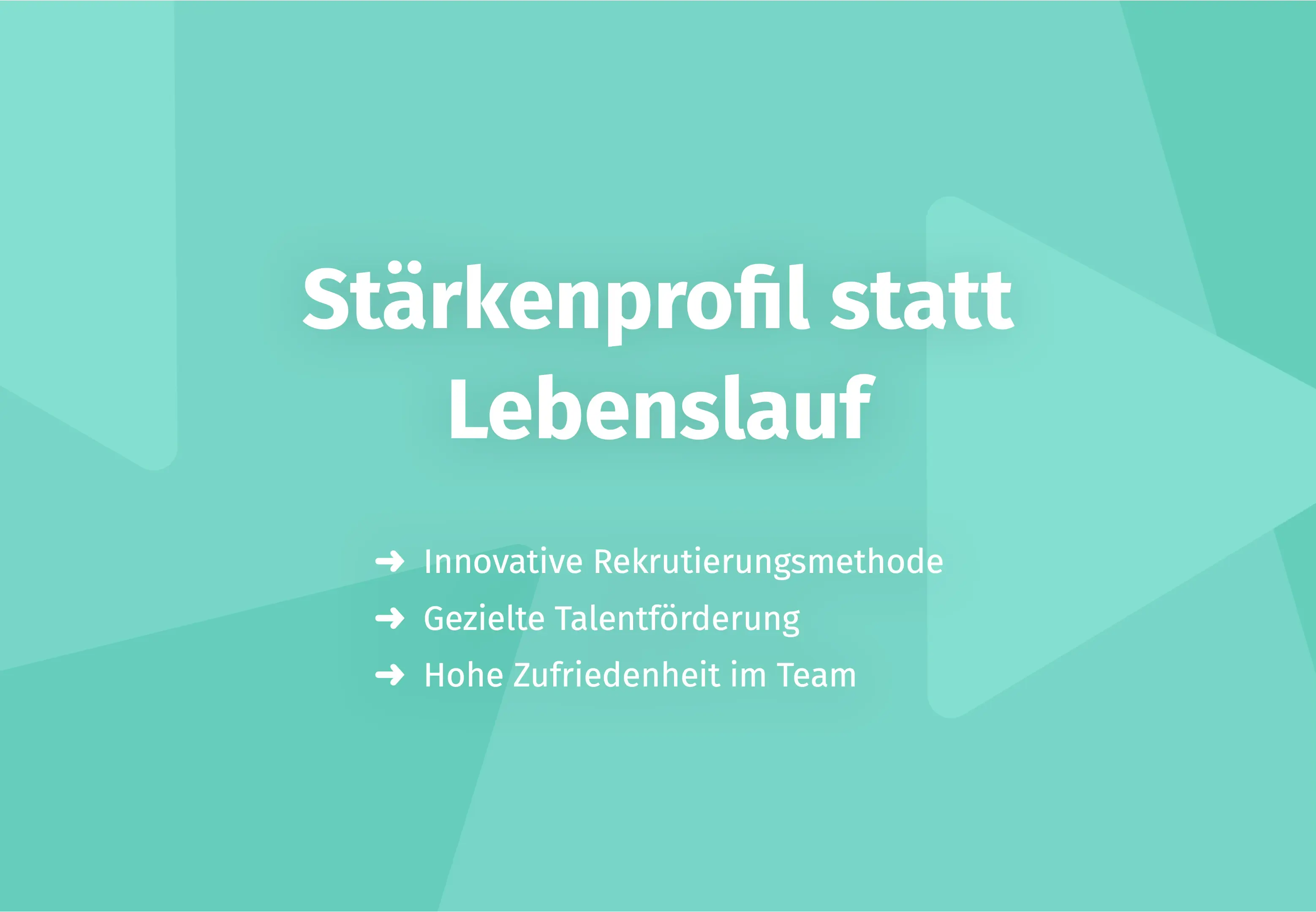
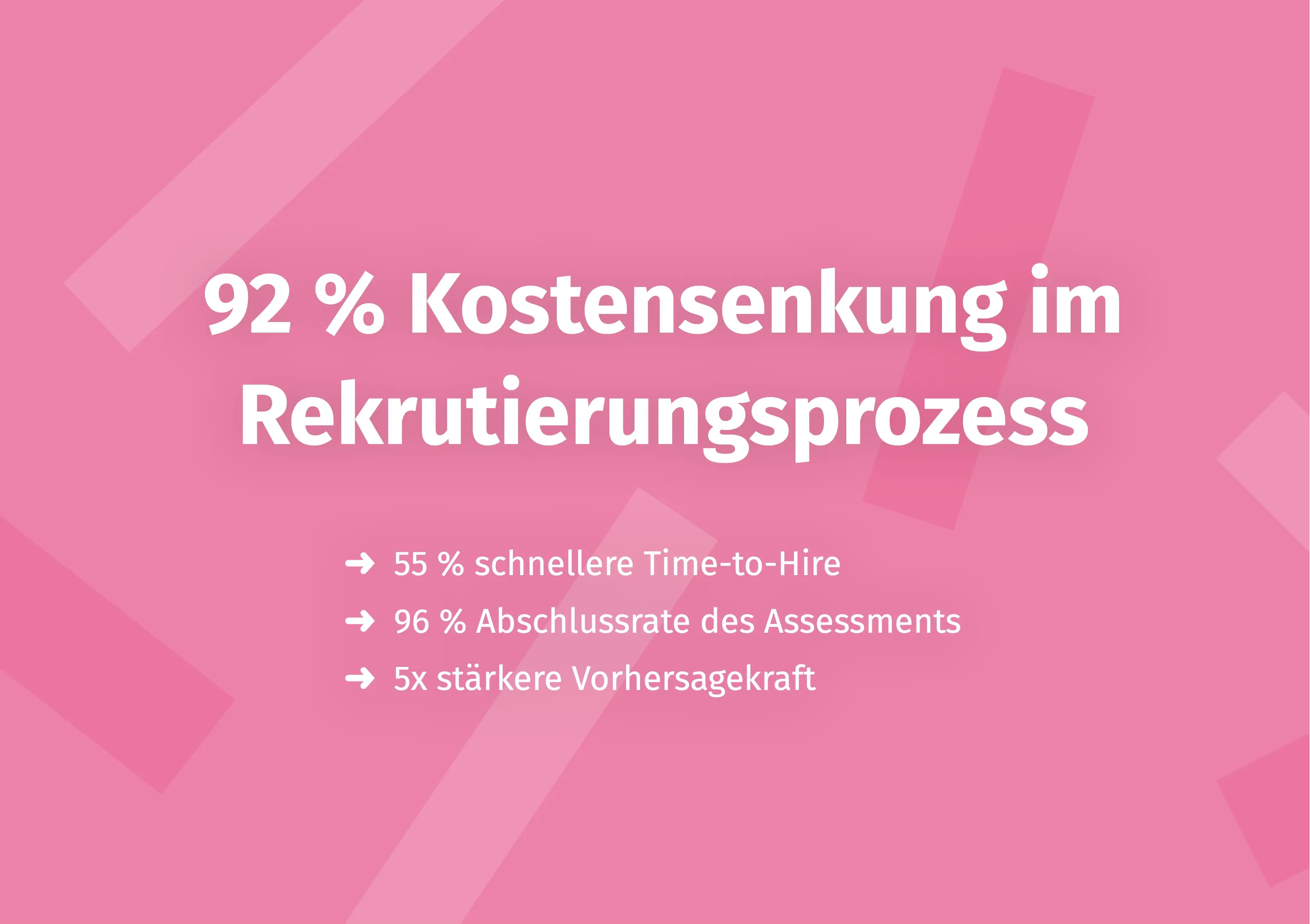
The digital platform Aivy addresses exactly this: as a scientific spin-off of Freie Universität Berlin, it offers scientifically validated aptitude diagnostics that capture strengths, personality, and cultural fit objectively – without relying on CVs. This makes it possible to ensure, already during the hiring process, that candidates genuinely fit the role and the team. This not only reduces poor hiring decisions but also contributes to the long-term mental health of the entire workforce.
Frequently Asked Questions About Mental Health at Work
What is meant by mental health at work?
The WHO defines mental health as a state of well-being in which people can realise their abilities, cope with normal stresses, and work productively. In the workplace, this means employees find meaning in their work, have sufficient autonomy, and feel socially included – without being under sustained harmful stress. Central to this is the distinction between psychological load (neutral, any external influence) and psychological strain (the individual response to it).
Is promoting mental health a legal obligation for employers?
Yes, at least in part. The Occupational Health and Safety Act (ArbSchG §5) requires employers to carry out risk assessments, which have explicitly included psychological hazards since 2013. This means you must systematically identify and evaluate psychological risks and derive appropriate measures. More extensive BGM programmes, EAPs, or coaching offerings are voluntary – but clearly advisable from a business perspective, as the WHO estimates the ROI of BGM investments at 4:1 (€4 in returns for every €1 invested).
Which mental health conditions are most common in the workplace?
According to the DAK Health Report 2024, mental illness accounts for around 17% of all sick days in Germany. The most common diagnoses are depression (the leading cause of long-term absence), anxiety disorders, and adjustment disorders (e.g. following organisational change). Burnout is not a standalone ICD diagnosis, but is considered a significant risk factor and precursor to clinical illness.
Which measures to promote mental health actually work?
Well-evidenced measures include: resilience and stress management training, manager training for early recognition, flexible working models, clear role clarification and communication structures, and Employee Assistance Programs (EAPs). Less effective, though widespread, are one-off measures without structural context (e.g. a single relaxation workshop without any culture change). Sustained impact only emerges when prevention operates simultaneously on multiple levels: individual, team, organisation, and leadership.
What is an Employee Assistance Program (EAP)?
An EAP is an external, confidential advisory service provided free of charge to employees and funded by the employer. It typically covers psychological counselling, legal support, and financial advice – available around the clock, confidential, and without bureaucratic complexity. Costs for employers: approximately €50–200 per employee per year. The key advantage is the low threshold: employees seek support without needing to go through internal channels. Utilisation rates range from 3 to 8% of the workforce depending on the organisation.
How do I recognise psychologically stressed employees?
Common warning signs include: a noticeably high frequency of short-term absences (particularly on Mondays or Fridays), social withdrawal from the team, an increasing error rate, concentration difficulties, or irritability. Importantly, managers are not diagnosticians – nor should they be. Their role is to address changes, offer a confidential conversation, and where appropriate, point employees to available support resources (EAP, occupational health physician) – not to evaluate or diagnose.
How do I measure the success of workplace health management measures?
Suitable KPIs include: reduction in absence rates (before-and-after comparison over 12–24 months), results from regular employee surveys (stress levels, well-being, engagement), staff turnover rates, and EAP utilisation. For a comprehensive assessment, a combination of objective metrics and anonymous survey data is recommended. The WHO estimates the return on investment of well-implemented workplace health programmes at an average of 4:1.
Conclusion: Promoting Mental Health is a Leadership Responsibility – and a Competitive Advantage
Promoting mental health at work is far more than an HR trend. It is a legal obligation (ArbSchG §5), a business necessity, and an increasingly decisive factor for employer branding and employee retention. Companies that take a structured approach – from risk assessment through manager training and EAPs to well-matched hiring decisions – invest not only in the health of their employees, but in their own long-term competitiveness.
The first step: carry out the risk assessment for psychological hazards systematically and in documented form, if not already done. The second step: shape culture and leadership so that the topic can be discussed openly. Everything else builds on these two foundations.
Want to ensure from the very start of your hiring process that candidates truly fit the role and the team – and proactively address one of the most common sources of workplace stress? Find out how the digital platform Aivy enables scientifically founded aptitude diagnostics for more objective, stress-reducing recruiting.
Sources
- Occupational Health and Safety Act (ArbSchG) §5 – Assessment of Working Conditions. Federal Ministry of Justice, 1996 (current version). https://www.gesetze-im-internet.de/arbschg/__5.html
- DAK Health Report 2024. DAK-Gesundheit, 2024. https://www.dak.de/dak/download/gesundheitsreport-2024-2680846.pdf
- Mental health at work – Fact Sheet. World Health Organization (WHO), 2022. https://www.who.int/news-room/fact-sheets/detail/mental-health-at-work
- Risk Assessment for Psychological Hazards – Guidance. Federal Institute for Occupational Safety and Health (BAuA), 2023.
- Gallup Engagement Index Germany 2024. Gallup GmbH, 2024. https://www.gallup.com/de/de/360535/engagement-index-deutschland.aspx
- GKV Prevention Report 2023. GKV-Spitzenverband, 2023. https://www.gkv-spitzenverband.de

Make a better pre-selection — even before the first interview
In just a few minutes, Aivy shows you which candidates really fit the role. Beyond resumes based on strengths.