
You can become a recruitment consultant through a degree in business administration, psychology, or a related field – or by making a targeted career change with relevant professional experience. Strong communication skills, people judgment, and a solid understanding of modern selection methods are essential. There is no regulated qualification or mandatory training programme – entry into the profession is possible via several different routes.
What Is a Recruitment Consultant?
Definition and Distinction
A recruitment consultant helps organisations find and select suitable specialists and managers. They take over part or all of the hiring process: from defining role requirements and actively sourcing candidates to supporting the final selection procedure.
The job title is not legally protected. This means there is no mandatory qualification, no standardised job description, and no regulated career path. In practice, however, certain educational backgrounds and qualification profiles have become well established.
Recruitment Consultant vs. In-House Recruiter vs. Headhunter
These three terms are often used interchangeably – yet they describe distinct roles:
- In-House Recruiter: Employed directly by a company, responsible for its own recruitment. Focus is on job postings, applicant management, and conducting interviews.
- External Recruitment Consultant: Self-employed or employed by a recruitment firm; advises multiple client companies simultaneously. Often specialises in specific industries or job functions.
- Headhunter (Executive Search): A specialist form of recruitment consulting; focuses on the targeted direct approach of senior executives and niche specialists. Typically works on behalf of companies looking to fill leadership positions discreetly.
The boundaries between these roles are fluid. Many recruitment consultants started out in one of the other functions.
Tasks and Areas of Activity
Key Responsibilities at a Glance
The day-to-day work of a recruitment consultant is varied. Typical tasks include:
- Requirements analysis: Working with client companies to define the competencies, experience, and personality traits the ideal candidate should possess.
- Active sourcing: Proactively approaching potential candidates via platforms such as LinkedIn or XING, professional networks, and industry events – rather than waiting passively for applications.
- Job advertising: Writing and placing job adverts on relevant channels.
- Screening and pre-selection: Reviewing application documents, conducting phone screens, and running structured initial interviews.
- Selection procedures: Coordinating and conducting interviews, aptitude tests, or assessment centres.
- Client consulting: Advising on salary structures, job profiles, market conditions, and recruiting strategies.
- Network management: Building and maintaining a broad network of candidates and client contacts.
Specialisations
Over time, many recruitment consultants specialise in particular industries (e.g. IT, finance, engineering) or target groups (e.g. executives, graduates, apprentices). This specialisation builds credibility and makes candidate searches considerably more effective.
Routes into Recruitment Consulting
University Degree (The Classic Path)
The most common entry route into recruitment consulting is through a completed university degree. Particularly sought-after fields of study include:
- Business Administration (BA/BSc) with a focus on human resources or marketing
- Psychology, especially work and organisational psychology (I/O psychology)
- Social Sciences or sociology
- Law – particularly relevant for those specialising in employment law or compensation structures
- Business Psychology – combining economic and psychological expertise
A master's degree is often expected at larger consultancies for entry-level candidates, though it is frequently not a dealbreaker at smaller firms or for career changers.
Career Change Without a Traditional Degree
Since recruitment consultant is not a protected profession, a career change is entirely possible – and in practice, far from unusual. It tends to work especially well for people who:
- Bring industry expertise from another sector (e.g. IT professionals moving into IT recruiting)
- Have sales experience and strong communication skills
- Have gained HR experience in a generalist role (e.g. as an HR officer or HR generalist)
Career changers benefit greatly from supplementing their existing knowledge with targeted further training and building a relevant professional network early on.
Further Training and Certifications
Even without a traditional degree, there are recognised pathways to qualify:
- CIPD qualifications (UK): The Chartered Institute of Personnel and Development offers globally recognised HR and L&D qualifications at foundation, associate, and chartered level.
- SHRM certifications (US/international): The Society for Human Resource Management provides the SHRM-CP and SHRM-SCP credentials, widely recognised across English-speaking markets.
- LinkedIn Certified Professional Recruiter / Certified Sourcing Professional: Complement an existing profile and demonstrate up-to-date knowledge of modern sourcing and selection tools.
- ISO/IEC 17024-accredited assessment certifications: For consultants wishing to demonstrate quality standards in diagnostic and testing procedures.
Key Competencies
Professional Skills
- Knowledge of interview techniques (structured vs. unstructured interviews)
- Foundational understanding of aptitude diagnostics: How do you measure suitability reliably and fairly?
- Basic grasp of employment law: anti-discrimination legislation, data protection in recruiting, contract law
- Market knowledge: industry-specific salary structures, candidate availability
- Confident use of HR tech and ATS (Applicant Tracking Systems)
Personal Strengths
- Communication skills: Recruitment consultants are constantly in conversation – with candidates, clients, and colleagues.
- Empathy and people judgment: The ability to quickly assess strengths, motivations, and personalities.
- Analytical thinking: Reading role requirements, evaluating fit, interpreting data.
- Discretion and trustworthiness: Indispensable, especially in sensitive senior-level mandates.
- Sales orientation: External recruitment consultants need to win and retain clients – a clear commercial element is part of the job.
- Resilience: Rejections, dropped candidates, long sales cycles – the business demands persistence.
Methods and Tools – What Professional Recruitment Consultants Use
The quality of a recruitment consultancy depends largely on the methods it applies. Relying solely on gut instinct and CV screening risks poor hiring decisions and a lack of equal opportunity. Today, professional recruitment consultants draw on a methodological toolkit that meets scientific standards:
- Structured interviews: Unlike free-form conversations, structured interviews follow a standardised question framework. According to a widely cited meta-analysis by Schmidt & Hunter (1998), structured interviews are significantly more valid than unstructured ones – they predict actual job performance more reliably.
- Aptitude diagnostic tests: Personality tests (e.g. Big Five), cognitive ability tests, and work-sample tests provide objective data beyond self-presentation and CVs.
- Assessment centres: Simulation exercises, case studies, and group tasks that reflect job-relevant behaviour in realistic scenarios.
- Reference checks: Structured conversations with former line managers – an often underestimated instrument.
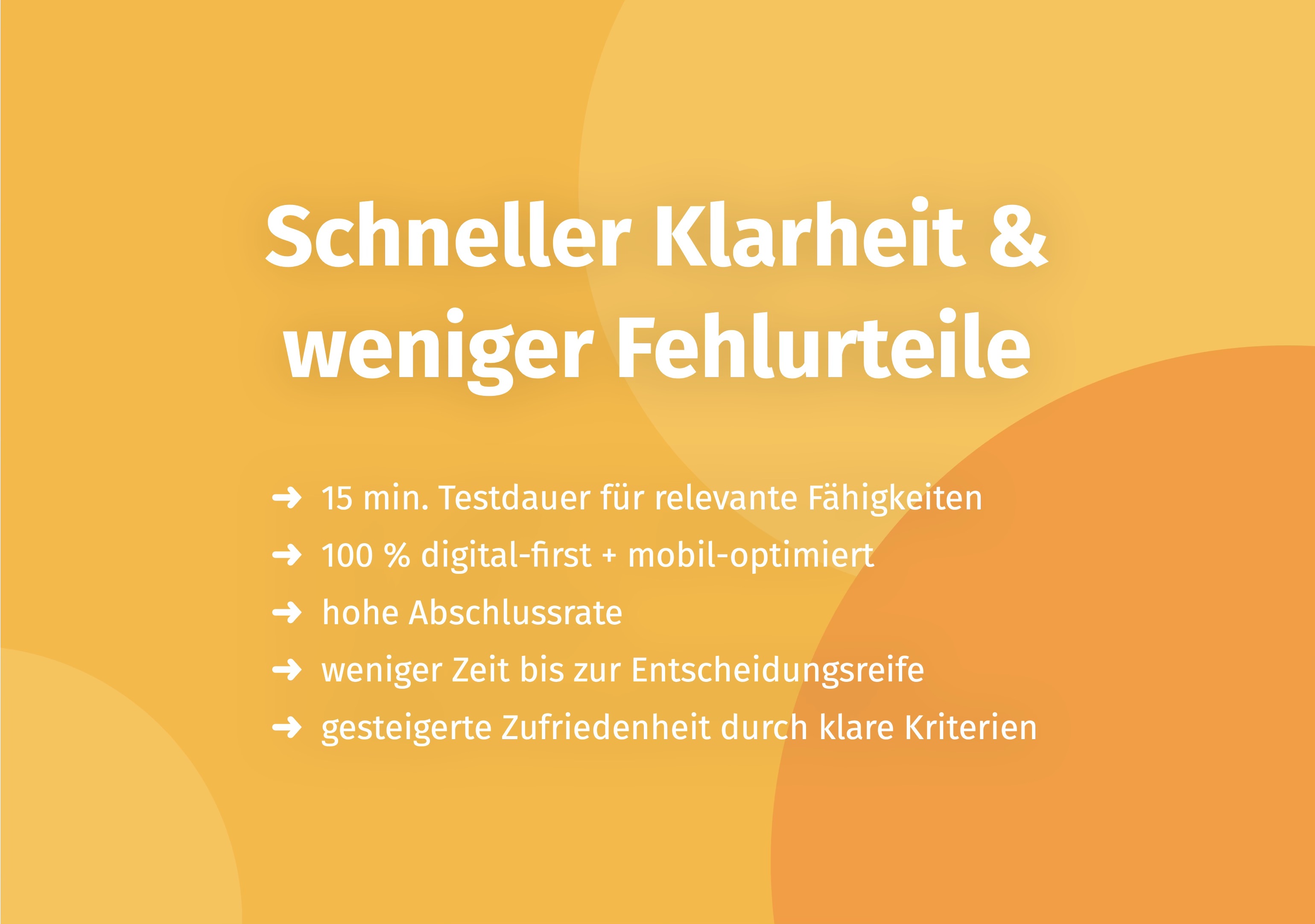
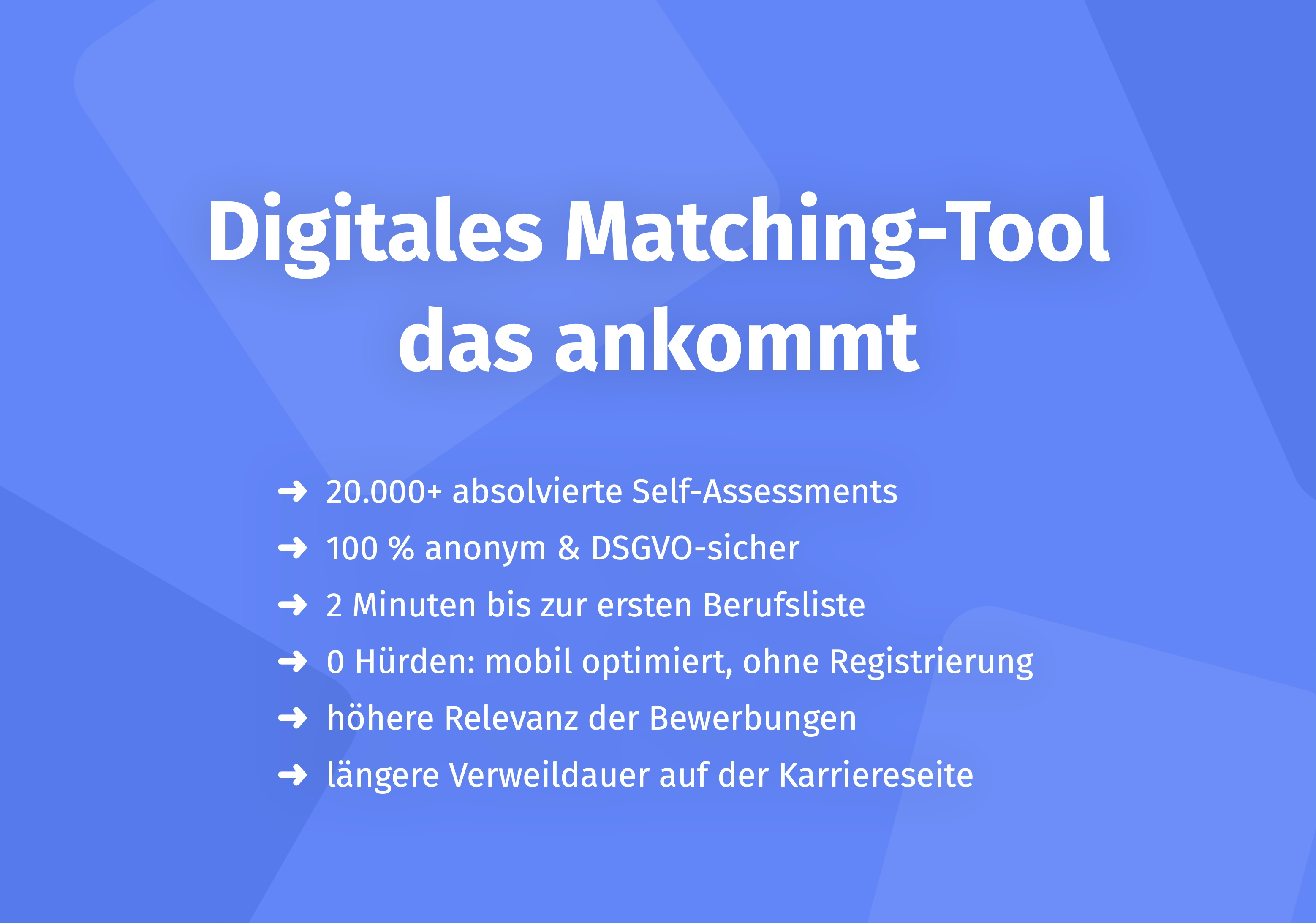
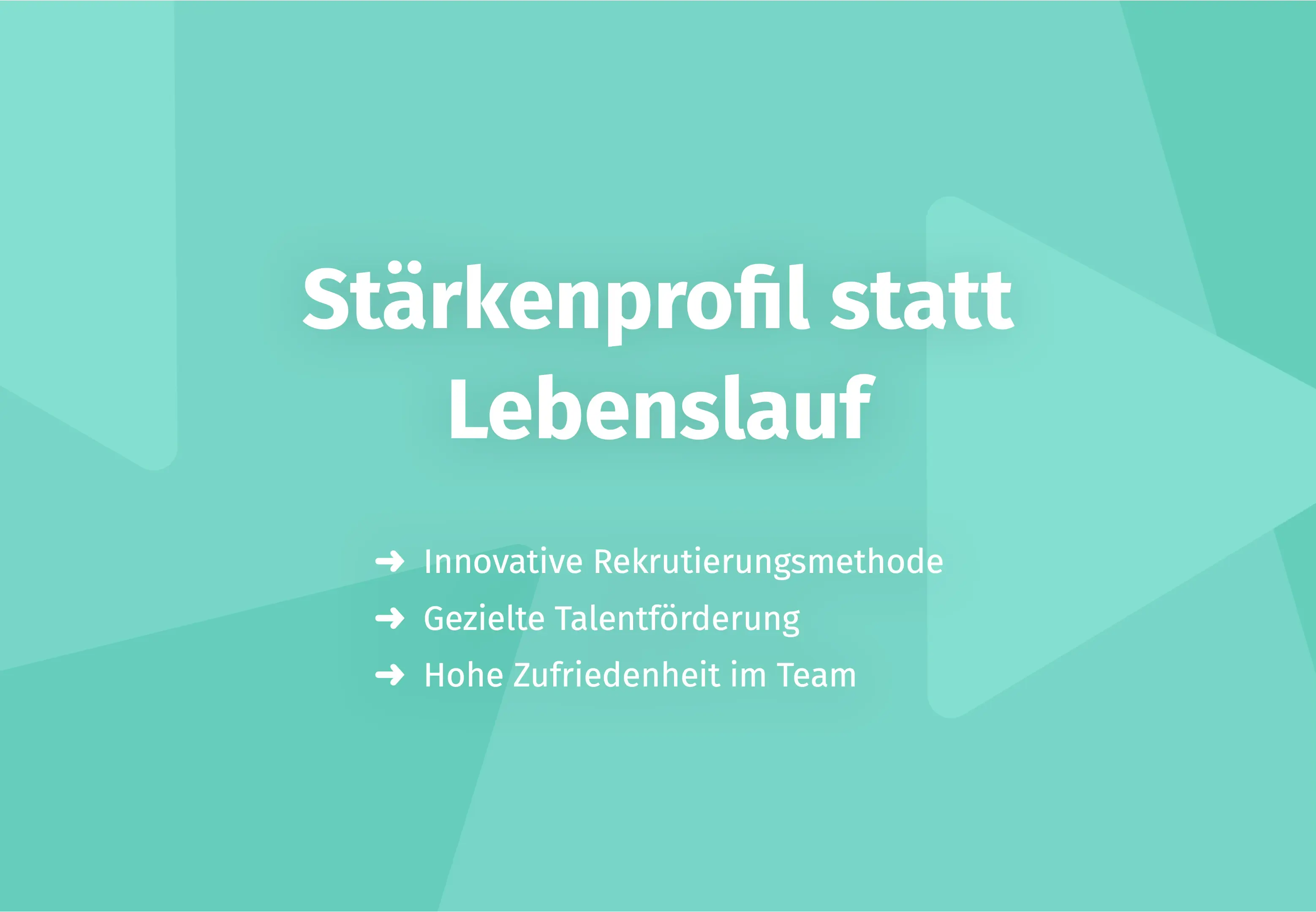
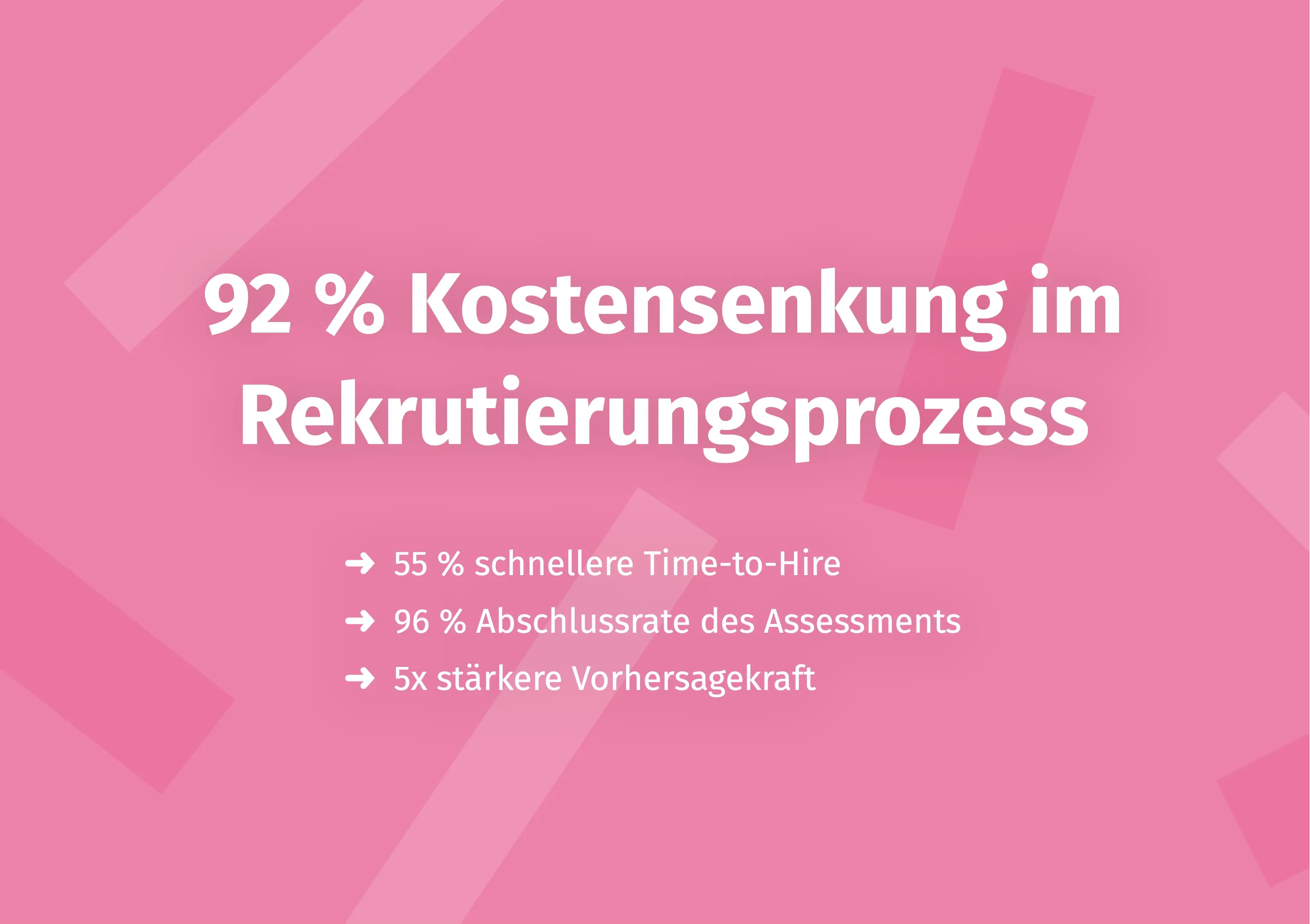
Modern digital platforms extend this toolkit further. The digital platform Aivy, for example, uses game-based assessments – scientifically validated tests that measure personality traits and cognitive abilities in an engaging, game-like format. This reduces unconscious bias in pre-selection and enables objective evaluation of candidates independent of their CV, academic grades, or background. Companies such as Lufthansa achieve a prediction accuracy of 96% compared to their own in-house assessment centre with this approach – while simultaneously reaching 81% candidate satisfaction. More details are available in the Lufthansa case study.
Recruitment consultants who apply such methods professionally differentiate themselves clearly from the competition – and deliver measurably better outcomes for their clients.
Salary and Career Paths
Starting Salary and Progression
Salaries in recruitment consulting vary considerably depending on location, type of employer (large consultancy vs. boutique firm vs. self-employment), and specialisation. The figures below are indicative reference values based on market data (BDU Remuneration Study; note that equivalent salary benchmarks for English-speaking markets such as the UK or US will differ):
- Entry level: approx. €35,000–45,000 gross per year
- 3–5 years of experience: approx. €55,000–70,000
- Senior level: approx. €70,000–90,000
- Partner / self-employed: from €90,000 upwards, with no upper limit
Many external recruitment firms operate on a success-based fee model: depending on the arrangement, fees typically range between 15% and 30% of the placed candidate's annual salary. In strong years this can significantly boost earnings – though income volatility is part of the picture.
Going Independent as a Recruitment Consultant
Self-employment is a common goal for experienced recruitment consultants. Typical prerequisites include:
- Network: Without an established client and candidate network, getting started independently is difficult.
- Track record: Proven placements build trust with new clients.
- Specialisation: A clear niche (e.g. CFO searches for mid-sized companies, IT recruiting for start-ups) increases visibility and credibility.
- Fee model: Independent consultants typically choose between contingency (fee only upon successful placement) and retainer (upfront fee regardless of outcome). The retainer model is more stable but requires established trust.
Internal recruitment and external consulting are not mutually exclusive – many organisations strategically combine both approaches.
Frequently Asked Questions About Recruitment Consulting
What does a recruitment consultant do?
Recruitment consultants search for and place specialists and managers on behalf of client companies. This involves conducting requirements analyses, running active sourcing campaigns, screening applications, leading interviews, and managing the entire selection process. External recruitment consultants also advise multiple clients simultaneously on salary structures, market conditions, and recruiting strategies.
What qualifications do you need to become a recruitment consultant?
There is no mandatory qualification. The most common route is through a degree in business administration, psychology, or social sciences. A career change with relevant professional experience is also possible. Further training such as a CIPD qualification or SHRM certification can strengthen your profile considerably.
Can you become a recruitment consultant without a university degree?
Yes, a career change is generally possible. Candidates with demonstrable industry expertise, sales experience, or an HR background often find their way into recruitment consulting – particularly at specialist boutique firms. Targeted further training and a strong professional network are especially important in this case.
How much does a recruitment consultant earn?
Entry-level consultants typically earn between €35,000 and €45,000 gross per year. With growing experience, salaries rise to €55,000–90,000. Partners and self-employed consultants can earn significantly more – depending on success-based fees and client structure (source: BDU Remuneration Study, Stepstone Salary Report). Salaries in English-speaking markets vary; refer to local benchmarks such as those published by the Recruitment & Employment Confederation (REC) in the UK or LinkedIn Salary Insights.
What is the difference between a recruitment consultant and an in-house recruiter?
In-house recruiters are employed directly by a company and are responsible for its own recruitment. External recruitment consultants, by contrast, work with multiple client companies and provide broader advisory services. Headhunters are a specialist category: they focus on directly approaching senior executives in the executive search space.
What competencies are needed as a recruitment consultant?
Strong communication skills, empathy, and analytical thinking are essential. Professionally, recruitment consultants should have foundational knowledge of aptitude diagnostics, structured interviewing, and employment law. For external consultants, a pronounced sales orientation is also key.
What methods do professional recruitment consultants use?
Core methods include structured interviews, aptitude diagnostic tests (e.g. potential analysis, personality assessments), assessment centres, and structured reference checks. Modern platforms complement this toolkit with digital, scientifically validated tools – such as game-based assessments that make competencies and personality traits objectively measurable.
When is the right time to go independent as a recruitment consultant?
Self-employment makes sense after several years of professional experience, once a reliable client and candidate network is in place. A clear specialisation in an industry or function is crucial for a successful independent launch. The choice of fee model (retainer vs. contingency) should be made strategically.
Conclusion
Becoming a recruitment consultant is possible via several routes – there is no single correct path. Anyone who enjoys working with people, thinks analytically, and has an interest in selection processes has a strong foundation to build on. The classic route runs through a degree in business administration or psychology; the career change route runs through industry expertise and targeted further training.
What matters most for long-term success is not the entry route, but the quality of the methods applied. Recruitment consultants who rely on scientifically grounded aptitude diagnostics and commit to continuous professional development stand out clearly from the competition – and deliver measurable value to their clients.
If you would like to learn more about how objective aptitude diagnostics improve the recruiting process, the digital platform Aivy offers practical insights: Find out more about Aivy.
Sources
- Bundesagentur für Arbeit. Berufenet: Personalberater/in. 2024. https://web.arbeitsagentur.de/berufenet/
- BDU e.V. BDU Remuneration Study: Management Consulting. 2024. https://www.bdu.de
- DGFP e.V. Personnel Management in Germany. 2023. https://www.dgfp.de
- Schmidt, F. L. & Hunter, J. E. (1998). The Validity and Utility of Selection Methods in Personnel Psychology: Practical and Theoretical Implications of 85 Years of Research Findings. Psychological Bulletin, 124(2), 262–274. https://doi.org/10.1037/0033-2909.124.2.262
- Stepstone. Salary Report: Recruitment Consulting. 2024. https://www.stepstone.de/gehalt

Make a better pre-selection — even before the first interview
In just a few minutes, Aivy shows you which candidates really fit the role. Beyond resumes based on strengths.