
Since 1 January 2023, the electronic sick note (eAU – elektronische Arbeitsunfähigkeitsbescheinigung) has replaced the traditional paper sick certificate for employees covered by statutory health insurance in Germany. GP practices transmit incapacity-for-work data directly to the relevant health insurer in digital form – employers then retrieve it actively, without employees needing to submit a paper document. Since 1 January 2025, periods spent in rehabilitation and preventive care facilities are also included in the procedure.
What Is the Electronic Sick Note (eAU)?
The elektronische Arbeitsunfähigkeitsbescheinigung – eAU for short, also referred to as the electronic sick note or digital sick certificate – is the digital successor to the paper-based incapacity certificate (Form 1), colloquially known in Germany as the gelber Schein ("yellow slip"). The legal foundation for its introduction was laid by the Third Bureaucracy Relief Act (Bürokratieentlastungsgesetz III) of 2019. The legislator pursued two goals: reducing administrative burden for companies and creating a more sustainable, paperless process chain. With approximately 77 million sick notes issued per year, the eAU is estimated to eliminate around 308 million paper forms annually.
The procedure operates in two stages. In the first stage (since October 2021), GP practices transmit incapacity data electronically to the relevant statutory health insurer. In the second stage (mandatory for all employers since 1 January 2023), employers retrieve the data directly from the insurer rather than receiving a paper copy from their employees.
Legal Foundations
The eAU procedure rests on several interlocking pieces of legislation:
SGB V and the Continued Remuneration Act (EFZG)
§ 275 SGB V (Social Code Book V – Statutory Health Insurance) governs the principles of medical assessment and the obligation to transmit data electronically within the statutory health insurance system (GKV). § 5 EFZG (Entgeltfortzahlungsgesetz – Continued Remuneration Act) sets out the notification and proof obligations in cases of incapacity for work: employees remain obliged to notify their employer of their incapacity without undue delay, but the requirement to submit a paper certificate to the employer no longer applies for those covered by statutory insurance.
BMAS Principles Version 2.0 (2024)
On 30 April 2024, the Federal Ministry of Labour and Social Affairs (BMAS) approved the revised "Principles for the Electronic Data Transmission Procedure" (Version 2.0). These formed the basis for the expansions that came into force on 1 January 2025.
How the eAU Process Works
The procedure unfolds in six consecutive steps:
- Doctor's appointment and assessment: The employee visits a panel doctor (Vertragsarzt). Incapacity for work is diagnosed and digitally documented.
- Electronic transmission to the health insurer: The practice sends the incapacity data via the Telematikinfrastruktur (TI) – Germany's secure, encrypted healthcare data network – using the KIM service (Kommunikation im Medizinwesen, communication in medicine) to the employee's statutory health insurer.
- Paper printout for employees (optional): On request, insured employees may still receive a paper printout for their own records. This printout contains the diagnosis, which is not usually disclosed to the employer.
- Notification of the employer: Employees must notify their employer without delay of the incapacity and its expected duration – by phone, email or via internal channels. This notification obligation remains unchanged.
- Data made available by the insurer: Once the employer has received the employee's notification, the health insurer makes the eAU data available for electronic retrieval.
- Active retrieval by the employer: The employer independently retrieves the data – either through a certified payroll software system or, alternatively, via the SV-Meldeportal (sv.net) for employers without dedicated payroll software.
Employer Obligations: What You Need to Know
When Is Retrieval Permitted?
An eAU retrieval is only permissible when two conditions are met simultaneously:
- An active employment relationship exists for the period being queried.
- The employee has previously notified the employer of the incapacity and its expected duration.
A blanket or pre-emptive retrieval covering all employees is not permitted under data protection law. Retrieval may only occur after the employee's notification – and for technical reasons, it is advisable to wait at least one working day, as practices may transmit their data overnight.
How Is Retrieval Carried Out?
Employers have three options:
- Via a certified payroll or HR software system (e.g. DATEV, Lexware, Personio with DATEV integration)
- Via a certified time-tracking system with eAU functionality
- Via the SV-Meldeportal (sv.net) – the free alternative for employers without payroll software
Deadlines and Data Retention
Retrieved eAU data is held on the GKV communications server for 42 days (since 1 January 2024; previously 30 days). Employers must retrieve the data within this window. Retrieving data at least once a week is recommended to avoid data loss. For past periods, data can be requested directly from the relevant health insurer.
When an eAU is retrieved, the health insurer transmits the following information to the employer: the start and expected end of the incapacity, whether it is an initial or follow-up certificate, and an indication of whether an accident (e.g. a workplace accident) was the cause.
Changes from 2025
On 1 January 2025, a significant expansion of the eAU procedure came into force, based on the BMAS Principles Version 2.0:
Rehabilitation and preventive care periods included: Periods spent in inpatient rehabilitation or preventive care facilities are now also transmitted electronically to employers – provided the cost-bearer is the statutory health insurance or the statutory pension insurance. Previously, employees had to submit a paper certificate for these absences. Since continued remuneration entitlements under the EFZG generally apply to these periods as well, the terminology in the procedure shifts from "incapacity for work" to "absence".
Automatic transmission of hospital discharge date: Previously, the actual end of an inpatient hospital stay had to be determined via a follow-up query. Since 2025, health insurers transmit the actual discharge date automatically, provided an eAU query is on file.
New response codes: The procedure now includes additional response codes to increase transparency. Newly introduced codes include: response code 5 (rehabilitation or preventive care period is present) and response code 8 ("Other proof available" – used e.g. for sick notes issued abroad, where the insurer is informed but cannot provide precise time periods).
Exceptions: Who Is Not Subject to the eAU Requirement?
The electronic procedure does not apply in all cases. The following constellations still require a paper certificate:
- Privately insured employees: There is no eAU for privately insured patients. They continue to use the traditional paper sick certificate.
- Sick notes issued by private doctors: Practices not participating in the statutory healthcare system (vertragsärztliche Versorgung) are not connected to the eAU system.
- Illness abroad: Under § 5 Para. 2 EFZG, employees who fall ill abroad must notify both their employer and their health insurer without delay, and must submit a paper sick note themselves. Since 2025, the insurer may in certain cases transmit response code 8 to the employer – but without detailed time periods.
- Mini-jobs in private households: Employers of domestic workers (Haushaltshilfen) cannot connect to the eAU system.
- Technical outages: If the Telematikinfrastruktur fails, GP practices continue to issue paper sick notes. The paper printout retains strong legal evidentiary value and serves as proof in the event that the electronic process breaks down.
Frequently Asked Questions About the Electronic Sick Note
Do employees now have nothing to submit to their employer at all?
For employees covered by statutory insurance, the obligation to present a paper sick note to the employer has been abolished since 1 January 2023. However, the notification obligation remains: employees must inform their employer of the incapacity and its expected duration without delay – e.g. by phone or email. On request, the GP practice can still provide a paper printout for the employee's personal records.
How does the employer retrieve the eAU correctly?
Retrieval is carried out via certified payroll software, a certified time-tracking system or the SV-Meldeportal. Importantly, retrieval may only take place after the employee has notified the employer. The reference date for retrieval is the first day of the reported incapacity – for follow-up certificates, it is the first day after the end of the previous sick note. For technical reasons, it is advisable to wait at least one day after the notification before retrieving.
Does the eAU apply to privately insured employees too?
No. Privately insured employees continue to receive a paper sick certificate, which they must submit to the employer themselves. The electronic procedure applies exclusively to employees covered by statutory health insurance, where the sick note is issued by a panel doctor.
May the employer retrieve eAU data for all employees as a blanket measure?
No. A blanket or pre-emptive retrieval covering all employees is not permitted under data protection law. Retrieval is only allowed when an active employment relationship exists and the specific employee has already notified the employer of their incapacity.
What changes with the eAU from January 2025?
From 1 January 2025, periods in inpatient rehabilitation and preventive care facilities are transmitted electronically to employers. In addition, health insurers now automatically send the actual hospital discharge date without requiring a further query. New response codes (including codes 5 and 8) provide greater transparency in the procedure.
How long is eAU data stored on the GKV server?
Since 1 January 2024, eAU data has been held on the GKV communications server for 42 days (previously 30 days). The employer must retrieve it within this window. A weekly retrieval rhythm is recommended. For periods further in the past, data can be requested directly from the relevant health insurer.
What happens in the event of a technical failure?
If the Telematikinfrastruktur experiences an outage, GP practices continue to issue paper sick notes. This printout retains strong legal evidentiary value and serves as proof particularly when the electronic process fails. Employees are advised to keep their paper printout as a precautionary measure.
Conclusion
The electronic sick note has been a firmly established part of Germany's working world since 2023. It significantly simplifies the sick leave process for employees – the obligation to present a paper document is gone, and administrative effort is reduced. Employers now bear responsibility for actively retrieving the data and must ensure the necessary technical infrastructure is in place. The January 2025 updates (rehabilitation/preventive care, hospital discharge dates, new response codes) require a review of existing retrieval processes. Knowing the exceptions – privately insured employees, illness abroad, domestic mini-jobs – helps avoid operational errors.
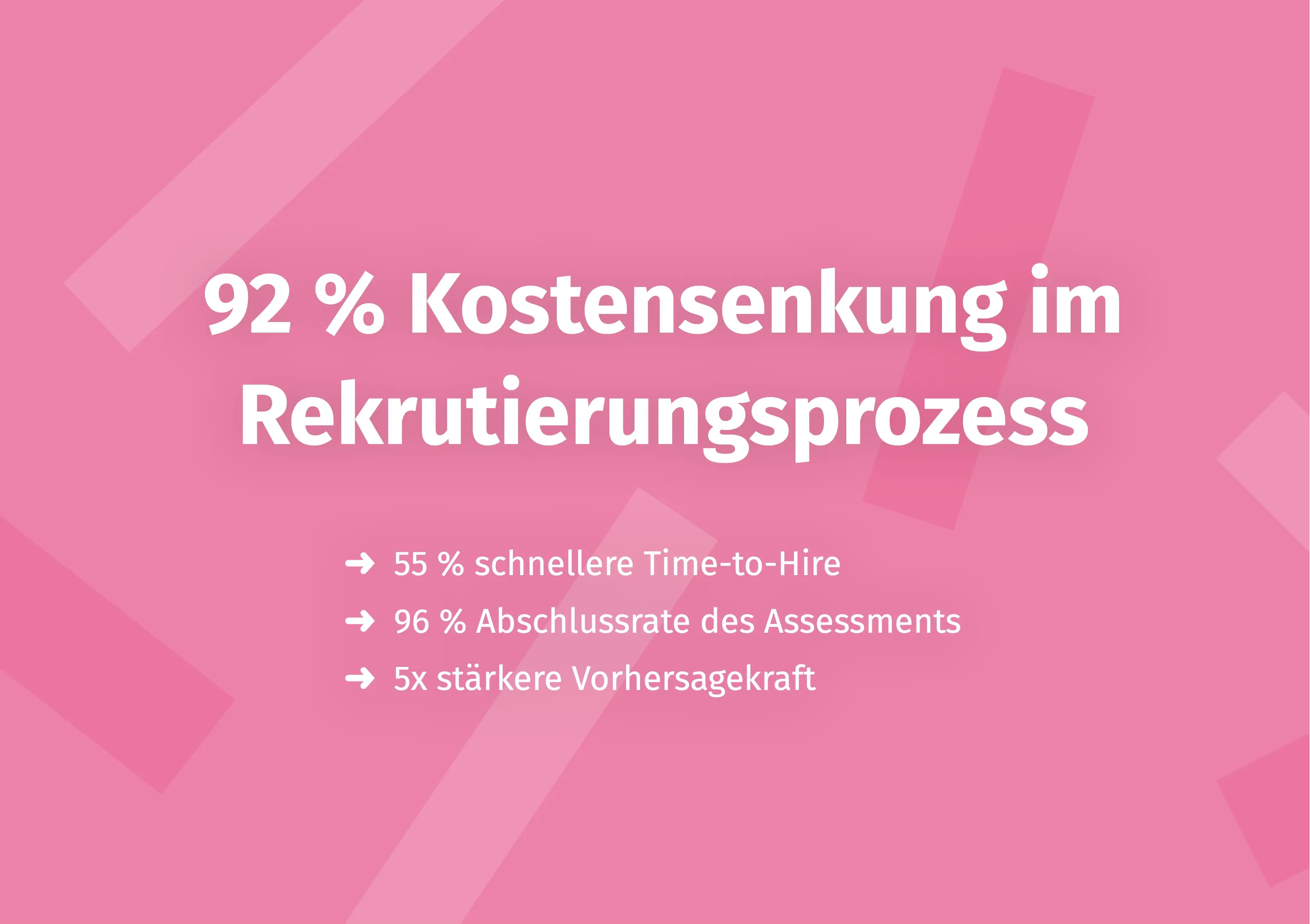
Looking to make your recruiting process more efficient and fairer, too? The digital assessment platform Aivy supports HR teams in making objective, scientifically grounded hiring decisions – developed as a spin-off of Freie Universität Berlin. Learn more about Aivy.
Sources
- SGB V § 275 – Assessment and Consultation. Federal Ministry of Justice, 2023. https://www.gesetze-im-internet.de/sgb_5/__275.html
- Continued Remuneration Act (EFZG) § 5 – Notification and Proof Obligations. Federal Ministry of Justice, 2023. https://www.gesetze-im-internet.de/efzg/__5.html
- Principles for the Electronic Data Transmission Procedure, Version 2.0. Federal Ministry of Labour and Social Affairs (BMAS), approved 30 April 2024.
- Incapacity Guidelines – Guideline of the Federal Joint Committee on the Assessment of Incapacity for Work. G-BA, 2023. https://www.g-ba.de/richtlinien/2/

Make a better pre-selection — even before the first interview
In just a few minutes, Aivy shows you which candidates really fit the role. Beyond resumes based on strengths.