
Work-life balance describes the desired equilibrium between professional demands and personal needs – including leisure time, family, and health. For employers, a healthy balance is essential: it reduces absenteeism and staff turnover, boosts productivity, and makes organisations more attractive to talent.
What Is Work-Life Balance? Definition and Distinction
Work-life balance refers to the pursuit of a healthy equilibrium between paid employment and all other areas of life: family, social relationships, health, recovery, and personal interests. The term became established in the 1980s, initially within occupational health research, and is now one of the central concepts in HR management.
Importantly, work-life balance is not a fixed ratio – it is individual and context-dependent. What one person considers balanced may feel like overload or underutilisation to another.
Work-Life Balance vs. Work-Life Integration
A related but distinct concept is work-life integration. While work-life balance aims for a clear separation between professional and private life, work-life integration assumes that work and personal life flow fluidly into one another – for example, through flexible working hours that allow someone to take their children to school in the morning and make up the time in the afternoon.
Neither model is inherently superior. The right fit depends on the role, the individual's personality, and the company culture.
Why Does Work-Life Balance Matter for Organisations?
Work-life balance is not a "nice-to-have" – it has direct economic consequences. The annual Gallup Engagement Index consistently shows that employees with a strong emotional connection to their employer – who are also more likely to be satisfied with their work-life balance – are significantly more productive and take fewer sick days than their disengaged counterparts.
The German Federal Institute for Occupational Safety and Health (BAuA) regularly documents the link between psychological stress in the workplace and rising rates of sick leave. Mental health conditions are now among the most common causes of long-term absence – a risk that a functioning work-life balance actively mitigates.
Impact on Absenteeism and Sick Leave
Persistently poor work-life balance increases the risk of burnout, exhaustion-related depression, and other stress-related conditions. The consequences are predictable: rising absenteeism, declining team productivity, and high costs of workplace reintegration. According to the Fehlzeiten-Report (Badura et al., Springer Verlag), mental health conditions have been responsible for a growing share of sick days in Germany for years.
There is also the phenomenon of "quiet quitting" – employees who remain formally employed but are so chronically overwhelmed or undervalued that they contribute only the bare minimum. They are difficult to identify but represent one of the most costly factors in HR.
Work-Life Balance as a Recruiting Argument
Work-life balance now ranks among the top criteria by which job seekers evaluate employers – often above salary or career prospects. Organisations that credibly communicate flexible working arrangements and a healthy work environment gain a measurable advantage in attracting talent.
This has a direct impact on employer branding: a strong employer brand is built not only through campaigns but through lived company culture – and work-life balance is a visible part of that.
Key Factors Influencing Work-Life Balance
Work-life balance is the result of several interacting factors. As an HR professional, it is important to understand these levers.
Working Hours and Flexibility
The length and timing of working hours is the most obvious factor. Rigid 9-to-5 structures, frequent overtime, and a lack of compensatory options place a significant burden on balance. Flexible working models – such as flexitime, trust-based working hours, or part-time arrangements – create room for employees to shape their time individually.
Leadership Style and Company Culture
Managers are multipliers – for better or worse. When a leader draws no clear boundaries between work and private life, it sends an unambiguous message to the team: round-the-clock availability is expected. Good leadership in this context means actively modelling boundaries, creating space for honest conversations about workload, and fostering psychological safety – an environment in which employees can speak openly about being overwhelmed without fear of consequences.
Remote Work and Home Office
Working from home can improve work-life balance – or undermine it. Eliminated commutes, greater flexibility, and the ability to combine professional and personal responsibilities are clear advantages. At the same time, without clear structures, boundaries erode: the absence of a physical separation between workspace and living space, constant availability, and social isolation can seriously disturb the balance. Clear remote work guidelines are therefore not bureaucratic overhead but a safeguard for employees.
Promoting Work-Life Balance: Practical Measures for Employers
Concrete measures can be grouped into three areas:
Flexible Working Models
Flexitime, trust-based working hours, a four-day week, or individual part-time solutions return control of time to employees. Transparency is key: clear rules around core hours, availability, and overtime compensation prevent flexibility from becoming an implicit expectation of unlimited availability.
Occupational Health Management
Occupational health management (OHM) encompasses all systematic measures an organisation takes to promote employee health – from ergonomic workstations and sports facilities to psychological counselling and stress management workshops. OHM is not merely a benefit but an investment: healthy employees are absent less frequently, are more productive, and stay with the organisation longer.
The Right to Disconnect
An often underestimated lever is a clear organisational commitment to non-availability after working hours. Responding to evening emails as a normal practice gradually erodes recovery time. Organisations can take active steps: through technical measures (e.g. scheduled email sending outside core hours), internal communication guidelines, or simply through cultural norms that managers consistently model.
Measuring and Evaluating Work-Life Balance
Many organisations invest in work-life balance initiatives without measuring their impact. Yet concrete indicators exist:
Employee surveys: Pulse surveys – short, regular check-ins, often monthly or quarterly – quickly surface signals about team mood and stress levels. Annual employee surveys allow for longitudinal comparisons.
Absenteeism rate: A rising rate of sick leave is frequently an early warning sign of structural overload.
Turnover rate: High turnover has many causes, but poor work-life balance consistently appears among the top reasons for resignations – as exit interviews and feedback platforms such as kununu regularly confirm.
Overtime volume: Systematically high overtime in specific teams or departments points to capacity problems or structural overwork.
All of these metrics contribute to employee retention: organisations that respond early save substantial costs on absenteeism and replacement hiring.
Aivy and Work-Life Balance: Making Company Culture Visible in Recruiting
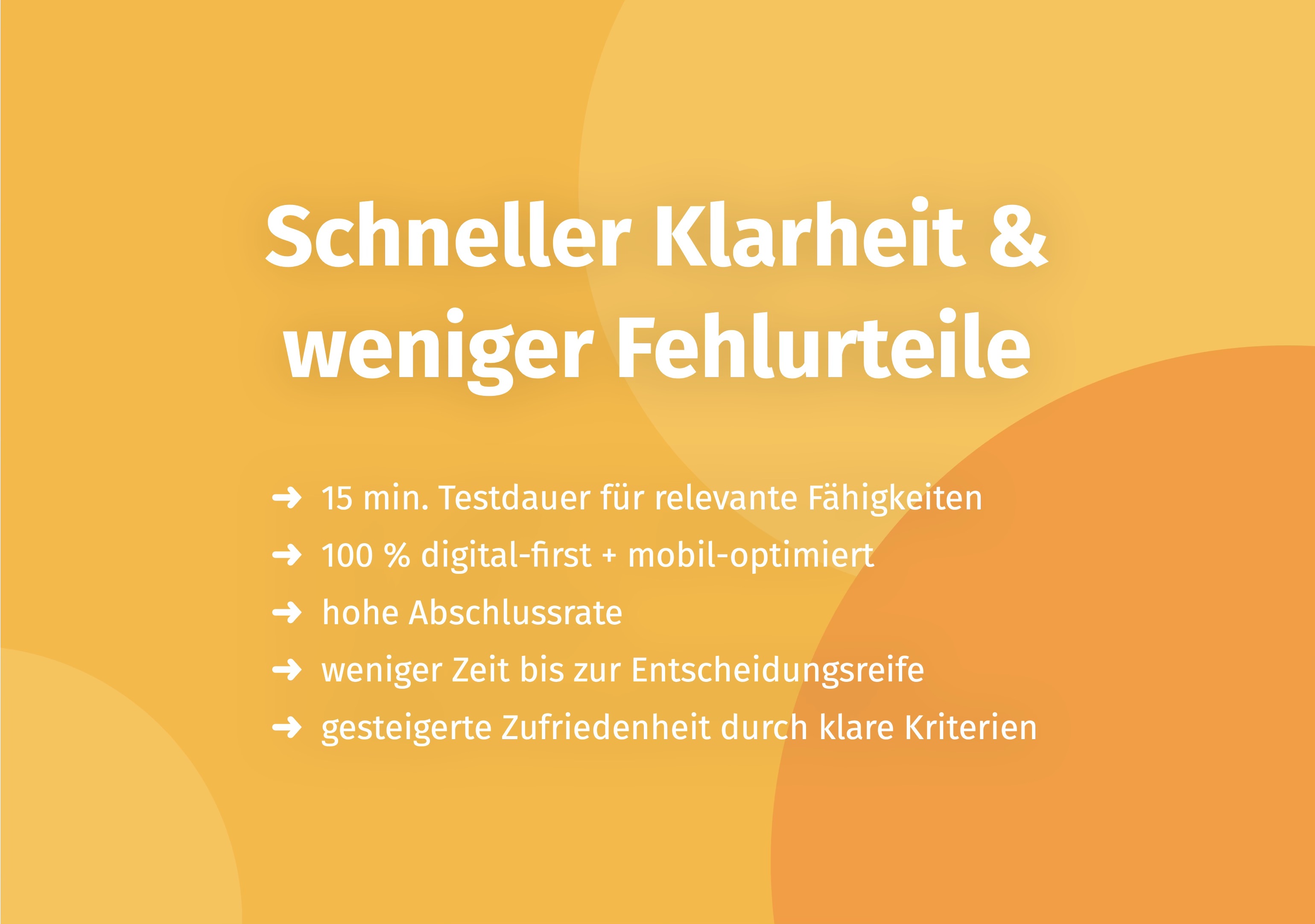
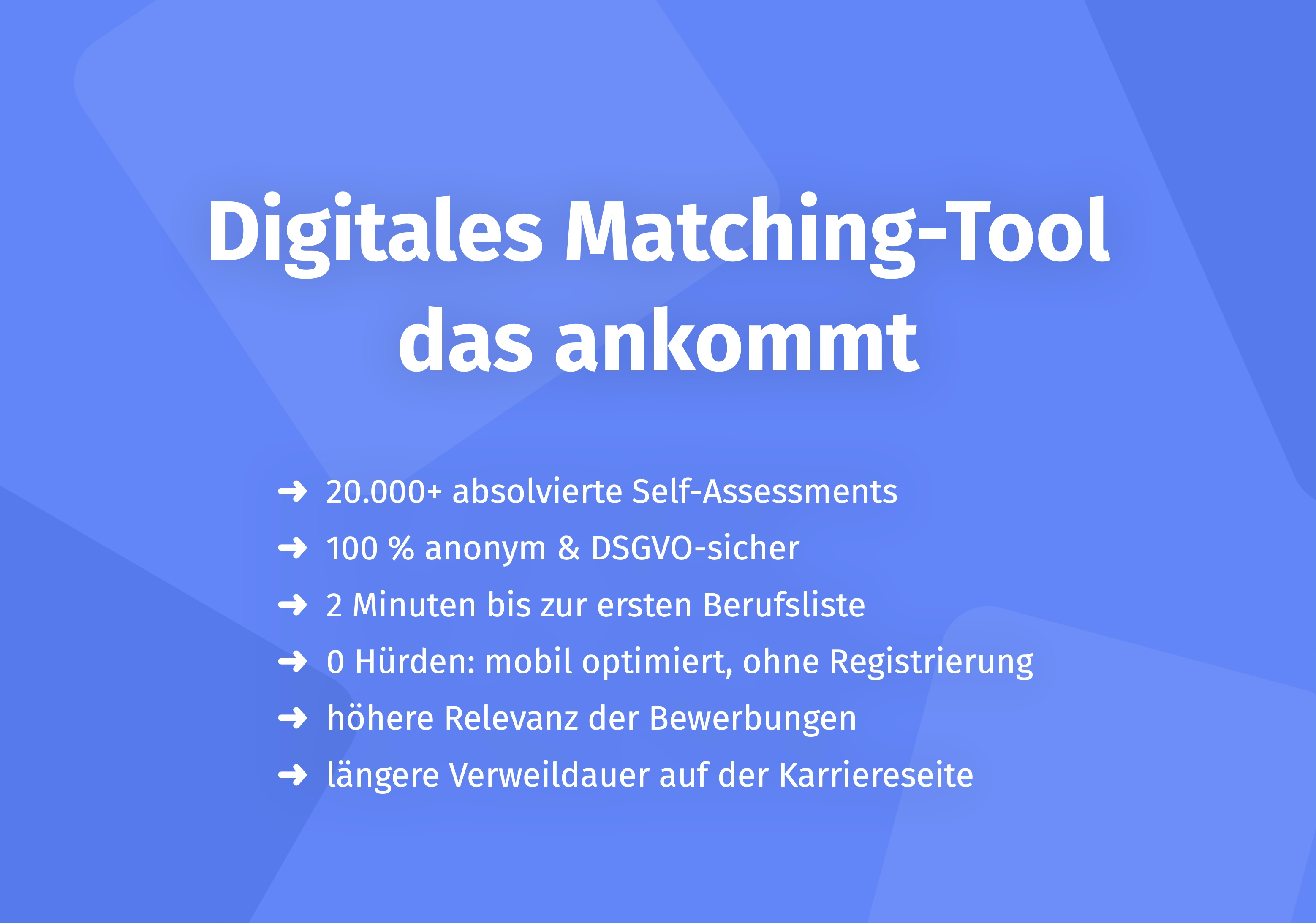
Work-life balance is a cultural marker – and company culture begins at the point of recruitment. Organisations that communicate transparently during the application process about the values and ways of working they practise attract more suitable candidates and reduce the risk of mis-hires. The Aivy digital platform supports HR teams in capturing candidates' values and personal work preferences objectively, even before the interview – making cultural fit measurable.
Want to know how aptitude diagnostics can help integrate cultural fit and values into your recruiting process from the outset? Learn more about the Aivy platform.
Frequently Asked Questions About Work-Life Balance
What does work-life balance mean?
Work-life balance refers to the desired equilibrium between professional demands and private life – encompassing family, leisure, social relationships, and health. What counts as balanced differs from person to person and cannot be reduced to a fixed formula.
Why is work-life balance important for organisations?
Poor work-life balance leads to increased sick leave, heightened burnout risk, quiet quitting, and higher turnover – all of which generate significant costs. At the same time, a genuinely lived work-life balance is a key factor for job seekers choosing between employers and strengthens employer branding.
What measures support better work-life balance?
Flexible working arrangements (flexitime, trust-based hours), remote work policies, clear rules around after-hours availability, occupational health management, and leadership training in healthy management practice are all proven approaches. What matters is that they are consistently practised – not merely communicated.
What is the difference between work-life balance and work-life integration?
Work-life balance aims for a clear separation between professional and private life. Work-life integration, by contrast, treats fluid transitions as the norm – for example, through individually shaped working hours. Both concepts have advantages and disadvantages; the right model depends on the role, the individual, and the company culture.
How can I measure work-life balance in my organisation?
Suitable indicators include: results from employee surveys (pulse surveys), absenteeism rates, turnover rates, and overtime volumes. Exit interviews provide additional qualitative insight when work-life balance is cited as a reason for leaving.
What role do managers play in work-life balance?
Managers carry a decisive responsibility as role models. Those who set no boundaries themselves – for instance, sending emails after midnight or never taking leave – normalise overwork across the team. Active leadership means: addressing workload concerns, protecting recovery time, and creating psychological safety.
What are the consequences of persistently poor work-life balance?
Chronic overload leads to burnout, exhaustion-related depression, and other mental health conditions. In the short term, this manifests as rising absenteeism; over time, it results in quiet quitting, increased turnover, and a damaged employer reputation. According to the Fehlzeiten-Report, mental health conditions are now among the leading causes of long-term sick leave in German organisations.
Conclusion
Work-life balance is far more than an HR trend – it is a strategic lever for productivity, employee retention, and employer attractiveness. Organisations that actively invest in a healthy balance benefit from lower absenteeism, reduced turnover, and a stronger employer brand.
As an HR professional, it pays to treat work-life balance not as a one-off initiative but as an ongoing process: measure regularly, evaluate honestly, and improve incrementally. In doing so, candidate experience matters just as much as the way people work together day to day.
Sources
- Federal Institute for Occupational Safety and Health (BAuA): Arbeitswelt im Wandel – Zahlen, Daten, Fakten. BAuA, 2024. https://www.baua.de/DE/Angebote/Publikationen/Praxis/A45.html
- Gallup GmbH: Gallup Engagement Index Deutschland. Gallup, 2024. https://www.gallup.com/de/393065/index.aspx
- DGB (Confederation of German Trade Unions): DGB-Index Gute Arbeit – Annual Report. DGB, 2023. https://index-gute-arbeit.dgb.de
- Badura, B. et al.: Fehlzeiten-Report. Springer Verlag, 2023. https://link.springer.com/book/10.1007/978-3-662-67514-4
- Leka, S. & Jain, A.: Health impact of psychosocial hazards at work. WHO, 2010. https://iris.who.int/handle/10665/44428

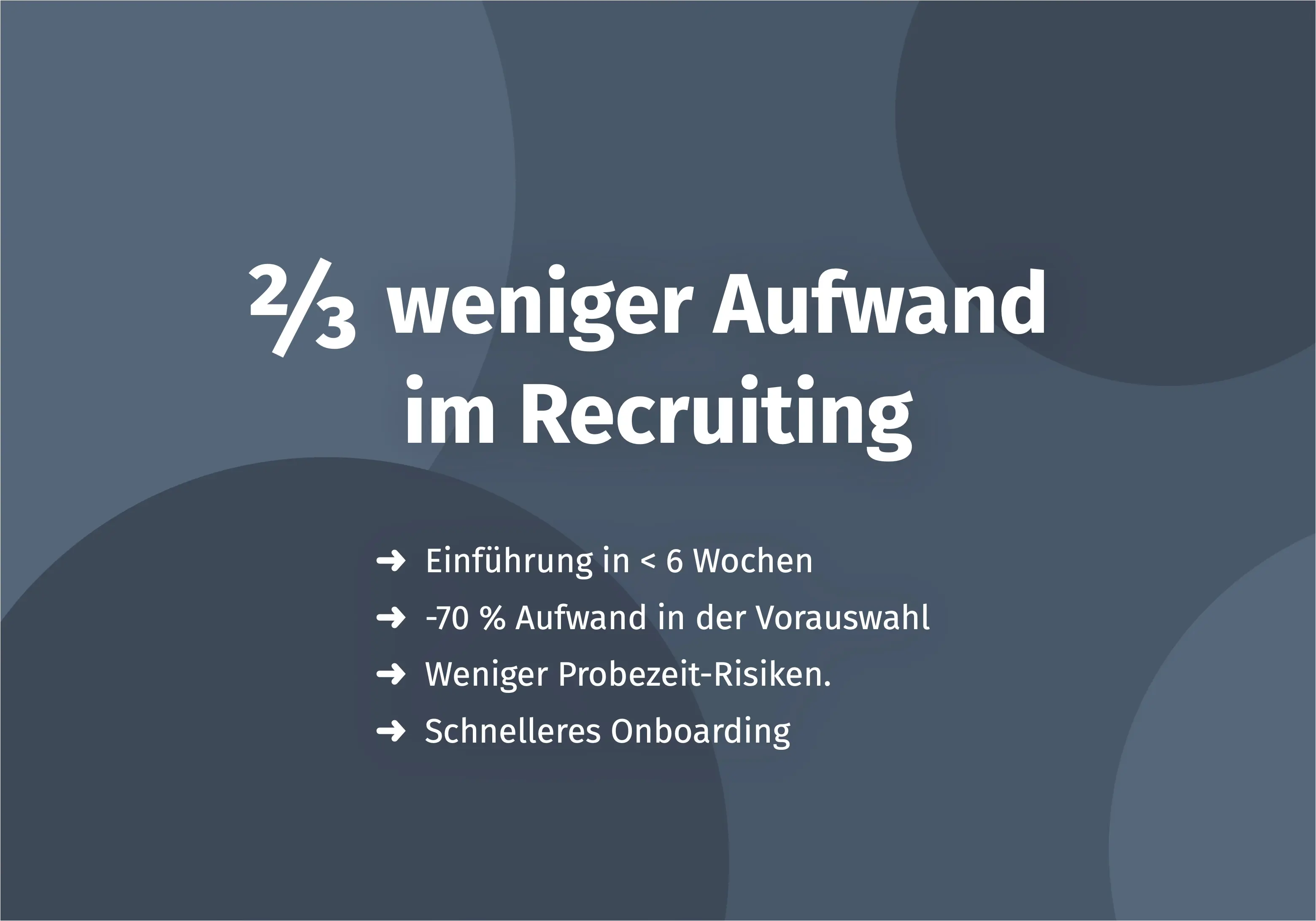
Make a better pre-selection — even before the first interview
In just a few minutes, Aivy shows you which candidates really fit the role. Beyond resumes based on strengths.