
Virtual teams are groups of people who work in different locations and collaborate primarily through digital communication tools. They give companies access to global talent and greater flexibility, but place particular demands on HR professionals and managers when it comes to communication, team cohesion and talent selection. Successfully building and leading virtual teams requires clear structures, the right tools – and employees with the competencies needed for distributed work.
What Is a Virtual Team?
A virtual team is a working group whose members are not based at a shared location but work in a distributed fashion – often across different cities, countries or even time zones. Collaboration takes place predominantly through digital channels: video calls, chat, email and shared online workspaces replace the physical office environment.
The term is often used interchangeably with "remote team" or "distributed team." An important distinction: while virtual teams work entirely independently of location, a hybrid team is a mixed model where some members come into the office regularly while others work remotely. Hybrid teams face a challenge of their own – the so-called two-tier dynamic, in which in-office employees can gain structural advantages over their remote colleagues.
According to a study by Bitkom Research (2024), around 24% of employees in Germany work from home on a regular basis. Virtual collaboration is no longer the exception – it is a core HR topic.
Types of Virtual Teams
Not all virtual teams are the same. Three common forms:
Fully virtual teams: All members work remotely with no shared office location.
Internationally distributed teams: Members work in different countries and time zones, requiring significantly more coordination effort.
Project-based virtual teams: Temporary groups formed for a specific project, dissolved or restructured once the project is complete.
Challenges of Virtual Teams
Virtual collaboration can be highly productive – but it comes with prerequisites. Research by Hertel, Geister and Konradt (2005) shows that virtual teams are particularly vulnerable in three areas:
Communication and Trust
The absence of non-verbal cues in digital communication increases the risk of misunderstandings. Spontaneous hallway conversations – an important channel for informal alignment and building trust – simply do not happen. At the same time, the overload caused by too many parallel tools and channels (tool fatigue) can reduce overall efficiency.
Coordination Across Time Zones and Cultures
When working hours only overlap by a few hours, synchronous meetings become difficult to schedule. Asynchronous communication – that is, communication without real-time exchange, such as via email or recorded video messages – becomes the central coordination method. This requires clear agreements: who responds by when? Which decisions require feedback, and which can be made independently?
Team Cohesion and Social Isolation
The Gallup report (2023) shows that employee engagement is closely linked to a sense of belonging. In virtual teams, that sense of belonging is structurally harder to create. Without deliberate measures, social isolation can develop quickly – with long-term negative effects on motivation and performance.
Success Factors and Best Practices
Clear Structures and Communication Rules
Virtual teams need explicit agreements that in-person teams often establish organically. These include: defined response times for asynchronous messages, clear project responsibilities and transparent decision-making processes. Weekly synchronous team calls combined with daily asynchronous status updates via project management tools such as Asana, Jira or Notion have proven effective.
Tools for Virtual Collaboration
A reliable tool stack is the technical foundation. Common categories and examples:
- Communication: Slack, Microsoft Teams, Zoom
- Project management: Asana, Jira, Trello, Notion
- Documentation: Confluence, Google Workspace
- Collaboration and whiteboarding: Miro, MURAL
An important principle: less is more. Too many parallel tools fragment communication. A clear concept – which channel serves which purpose – is essential.
Virtual Team Building
Team cohesion – the sense of solidarity and belonging within a team – does not happen by chance; it must be actively cultivated. Practical approaches include regular virtual coffee chats with no work agenda, shared online events or a structured buddy system for new team members. Consistency matters: one-off initiatives fade quickly, while recurring formats build genuine connection.
Remote Leadership
Remote leadership describes a management style specifically tailored to the needs of distributed teams. Core principles include building trust through autonomy, measuring results rather than presence, and proactively creating closeness. According to research by Gajendran and Harrison (2007), physical distance has a positive effect on productivity and job satisfaction when employees are given sufficient autonomy and clear objectives.
Finding and Selecting Remote-Ready Employees
Not everyone is equally suited to working in virtual teams. Key competencies include self-organisation, personal accountability, proactive communication, structured working practices and strong digital affinity. In international teams, intercultural competence is an additional factor. These skills are difficult to assess reliably in a traditional job interview – they lie below the surface and become visible in everyday work, not in a conversation.
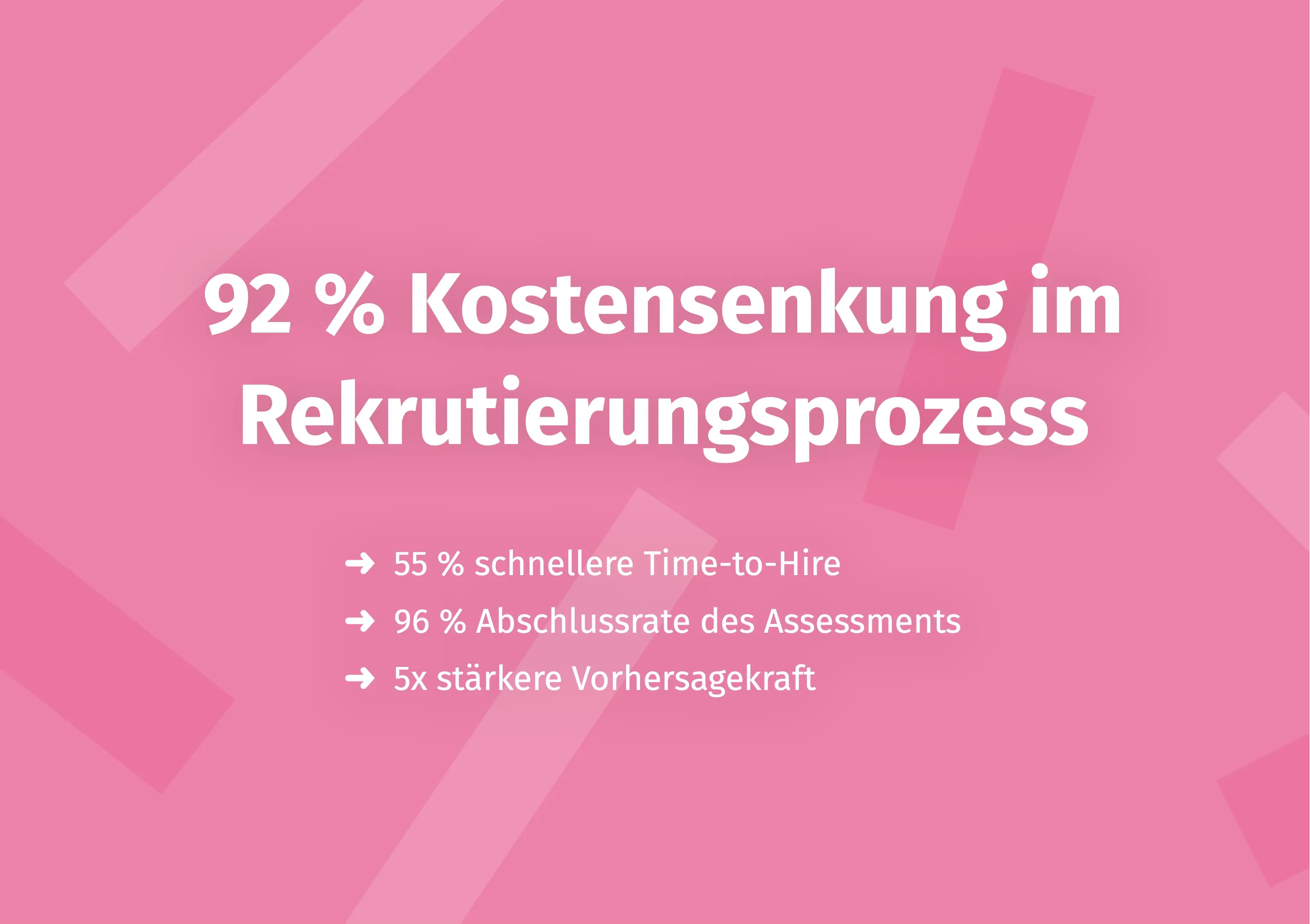
Scientifically validated assessments can help here: the digital platform Aivy makes it possible to measure exactly these competencies – teamwork or independence, sense of responsibility and networked thinking – objectively and with reduced bias. The solution uses game-based assessments built on validated psychometric methods, enabling recruiters to evaluate remote suitability beyond CVs and self-assessment. Companies like MCI reduced their time-to-hire by 55% through the use of structured talent assessments.
Frequently Asked Questions About Virtual Teams
What is a virtual team?
A virtual team is a working group whose members are geographically dispersed and collaborate primarily through digital channels – often across locations or internationally. Collaboration takes place without a shared physical office environment.
What are the biggest challenges of virtual teams?
The most common difficulties include the absence of informal communication and the challenges of building trust at a distance, coordination problems across time zones, social isolation of individual team members, and dependence on functioning tools and technical infrastructure.
How do I lead a virtual team successfully?
Remote leadership is effective when managers focus on results rather than control, communicate clear goals and expectations, establish regular synchronous check-ins and actively foster team connection. A combination of weekly video meetings and asynchronous status updates has proved to work well in practice.
What tools are suitable for virtual teams?
For communication, Slack or Microsoft Teams work well; for video calls, Zoom or Google Meet. Project management is handled effectively via Asana, Jira or Notion, shared documentation via Confluence or Google Workspace, and creative collaboration via Miro or MURAL. More important than the specific tools chosen is having a clear framework for which channel serves which purpose.
What competencies do employees in virtual teams need?
Particularly important are self-organisation, personal accountability, proactive communication, reliability and structured working practices. In international teams, intercultural competence is an additional requirement. These skills can be assessed more objectively through structured talent assessments than through a traditional interview alone.
What is the difference between virtual and hybrid teams?
In a fully virtual team, all members work remotely – there is no shared office location. A hybrid team combines in-office and remote work. Hybrid teams carry the additional risk of a two-tier dynamic: office-based employees often have an informal advantage over remote colleagues, which requires deliberate leadership action to manage.
How does onboarding work in virtual teams?
Structured onboarding is especially important in virtual teams because spontaneous encounters and informal learning are absent. A clear onboarding plan with defined milestones, a buddy system for the first few weeks, early introductions to team colleagues and comprehensive digital documentation of all relevant processes have all proved valuable.
How do you measure the productivity of virtual teams?
Not through presence or online time, but through outcomes: clearly defined KPIs, OKRs and project completions. Regular employee surveys on engagement and wellbeing are a useful supplement for identifying issues early. Retrospectives help teams continuously improve their processes.
Conclusion
Virtual teams are more than a response to the pandemic – they are an established part of modern work organisation. Successfully leading virtual teams requires explicit communication guidelines, the right tools and a leadership culture that prioritises trust over control. At the same time, success starts at the point of hiring: bringing on employees with strong self-organisation, proactivity and teamwork skills creates the best foundation for effective remote collaboration.
Sources
- Gajendran, R. S. & Harrison, D. A. (2007). The Good, the Bad, and the Unknown About Telecommuting. Journal of Applied Psychology, 92(6), 1524–1541. https://doi.org/10.1037/0021-9010.92.6.1524
- Hertel, G., Geister, S. & Konradt, U. (2005). Managing virtual teams: A review of current empirical research. Human Resource Management Review, 15(1), 69–95. https://doi.org/10.1016/j.hrmr.2005.01.002
- Bitkom Research (2024). Homeoffice in Deutschland. https://www.bitkom.org/Presse/Presseinformation/Homeoffice
- Gallup (2023). State of the Global Workplace Report. https://www.gallup.com/workplace/349484/state-of-the-global-workplace.aspx
- Microsoft (2023). Work Trend Index. https://www.microsoft.com/en-us/worklab/work-trend-index
- DGFP (2022). Praxispapier: Remote Leadership. https://www.dgfp.de

Make a better pre-selection — even before the first interview
In just a few minutes, Aivy shows you which candidates really fit the role. Beyond resumes based on strengths.