
HR software for SMEs helps small and medium-sized businesses digitally organise HR processes such as personnel administration, recruiting and absence management – saving time and reducing costs. Choosing the right solution depends on headcount, budget and the HR processes that matter most. As a general rule, specialised software starts to pay off once a company reaches around 10 employees.
What Is HR Software for SMEs?
HR software for SMEs refers to digital solutions that help HR professionals and managers in small and medium-sized businesses manage, automate and document core HR processes. Instead of coordinating holiday requests by email, tracking applications in spreadsheets or filing employment contracts in physical folders, HR software consolidates all of these tasks on a single platform.
The European Commission defines SMEs as companies with fewer than 250 employees and an annual turnover of no more than €50 million. Within this group, HR requirements vary considerably: a company with 15 employees has very different needs from one with 200.
HRIS, ATS and HCM – Which System Type Is Right for You?
Not all HR software solutions are built the same way. There are three fundamental system types:
HRIS (Human Resource Information System): The HRIS is the foundation of digital HR administration. It stores and manages master data such as contracts, salary information, absences and qualifications. For SMEs without a dedicated HR department, an HRIS is often the most sensible first step.
ATS (Applicant Tracking System): An ATS focuses exclusively on the recruiting process – from job postings and candidate management through to hiring. It enables structured candidate overviews, automated communication and GDPR-compliant data storage.
HCM (Human Capital Management): HCM systems take a more holistic approach and extend beyond administration to cover strategic topics such as employee development, performance management and training. For most SMEs, a full HCM system is too extensive – it typically becomes worthwhile from around 100 employees.
Which Modules Does an SME Actually Need?
Modern HR software is modular in design. This means you don't have to implement all features at once; instead, you can start with the most important building blocks and expand as your needs grow.
Must-Have Modules: Personnel Administration and Absence Management
The digital personnel file replaces physical folders and provides centralised access to contracts, certificates and personal data. Absence management automates holiday requests, sick-leave notifications and the associated approval workflows. Both functions save the most time in day-to-day operations and reduce errors in documentation.
Recruiting and Applicant Management
An integrated ATS enables SMEs to post vacancies on multiple job boards simultaneously, manage applications centrally and build structured selection processes. For companies that recruit regularly, this module delivers significant efficiency gains. GDPR-compliant management of applicant data is not optional – it is a legal requirement.
Optional: Payroll, Onboarding, Performance
Payroll processing is outsourced by many SMEs to external tax advisors or accountants. In that case, a dedicated payroll module is not necessary – a clean interface or export function is sufficient. Onboarding tools help bring new employees up to speed in a structured way and allow digital completion of onboarding checklists. Performance management modules generally only become worthwhile from around 50 employees.
When Does HR Software Start to Pay Off?
The most common question when introducing HR software is: exactly when does it become worthwhile?
Decision Matrix by Headcount
| Company Size | Recommended Starting Point |
|---|---|
| 1–9 employees | Simple tools, possibly free basic versions; Excel often still sufficient |
| 10–50 employees | HRIS + absence management; ATS if actively recruiting |
| 50–250 employees | Full HRIS + ATS; onboarding and payroll integration advisable |
A practical rule of thumb: if you as an HR manager or managing director are spending more than two hours per week on manual HR administration tasks, HR software will typically pay for itself within a few months.
ROI Calculation: When Does It Make Financial Sense?
The total cost of HR software comprises licence fees (typically €4–15 per employee per month), one-off implementation costs and training expenditure. Set against this is the time saved. According to Bitkom research on the digitalisation of work, employees in companies without a digital HR solution spend considerably more time on administrative tasks than necessary – time that is missing elsewhere in the business.
What to Look for When Choosing HR Software
Checking GDPR Compliance
Personnel data falls into a specially protected category under the General Data Protection Regulation (GDPR, in particular Art. 6 and 88). When selecting HR software, the following points must be verified:
First: server location. EU-based servers are essential or at the very least strongly advisable, as they simplify compliance with European data protection standards. Second: Data Processing Agreement (DPA). Every software provider that processes personal data on behalf of your company must offer a DPA – this is mandatory under GDPR. Third: deletion periods and access rights. The software must support configurable data deletion periods and role-based access rights. ISO 27001 certification by the provider is an additional quality signal.
Cost Overview
In addition to monthly licence costs, you should budget for the following: one-off setup fees, training time for your team, potential costs for API integrations and ongoing support. Many providers offer free trial periods – use these to test the usability of the software in everyday scenarios. Note: pricing and feature sets change regularly; always request current terms directly from the provider.
Integration Capability with Existing Tools
HR software should integrate seamlessly into your existing IT landscape. Check which interfaces (APIs) the software offers – for example, connections to your payroll software, existing job boards or specialised tools for individual process steps. Open APIs allow you to extend the system with targeted add-ons without rebuilding your entire IT infrastructure.
Improving Recruiting Quality in SMEs
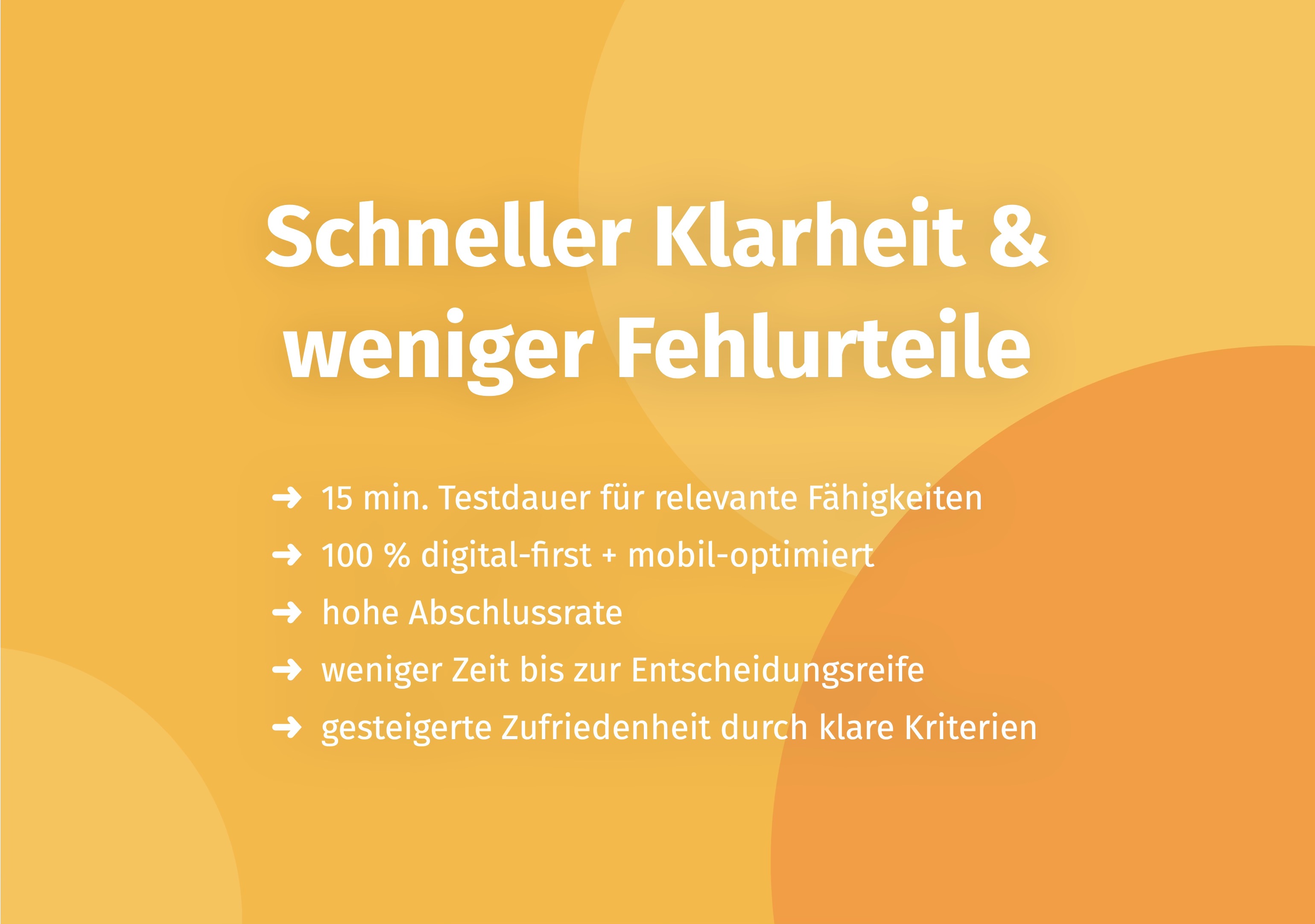
Many SMEs focus primarily on the administration side when introducing HR software – yet significant optimisation potential lies in the recruiting process itself. Those who want to recruit not just faster but more accurately can extend their applicant management module with scientifically validated aptitude diagnostics.
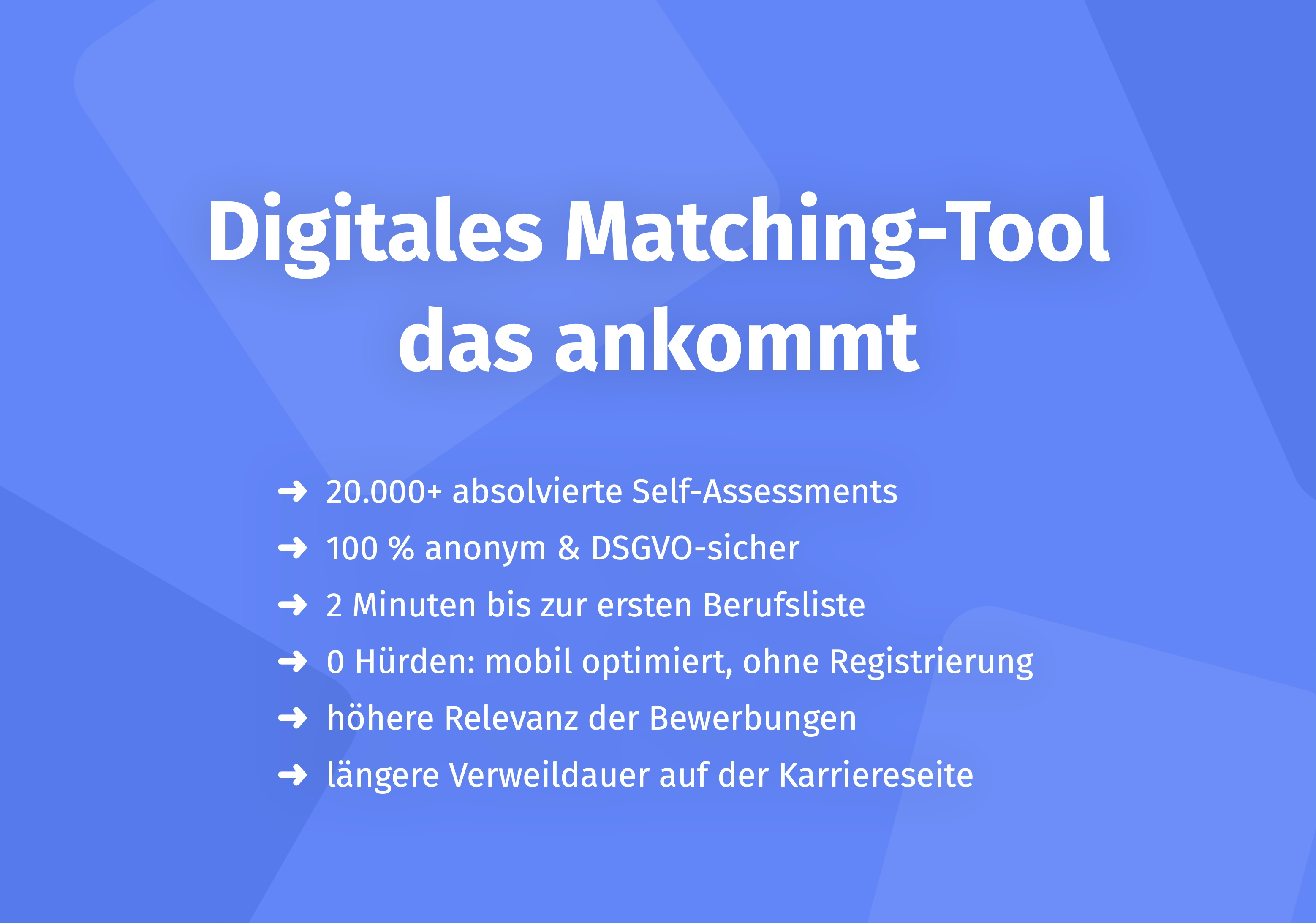
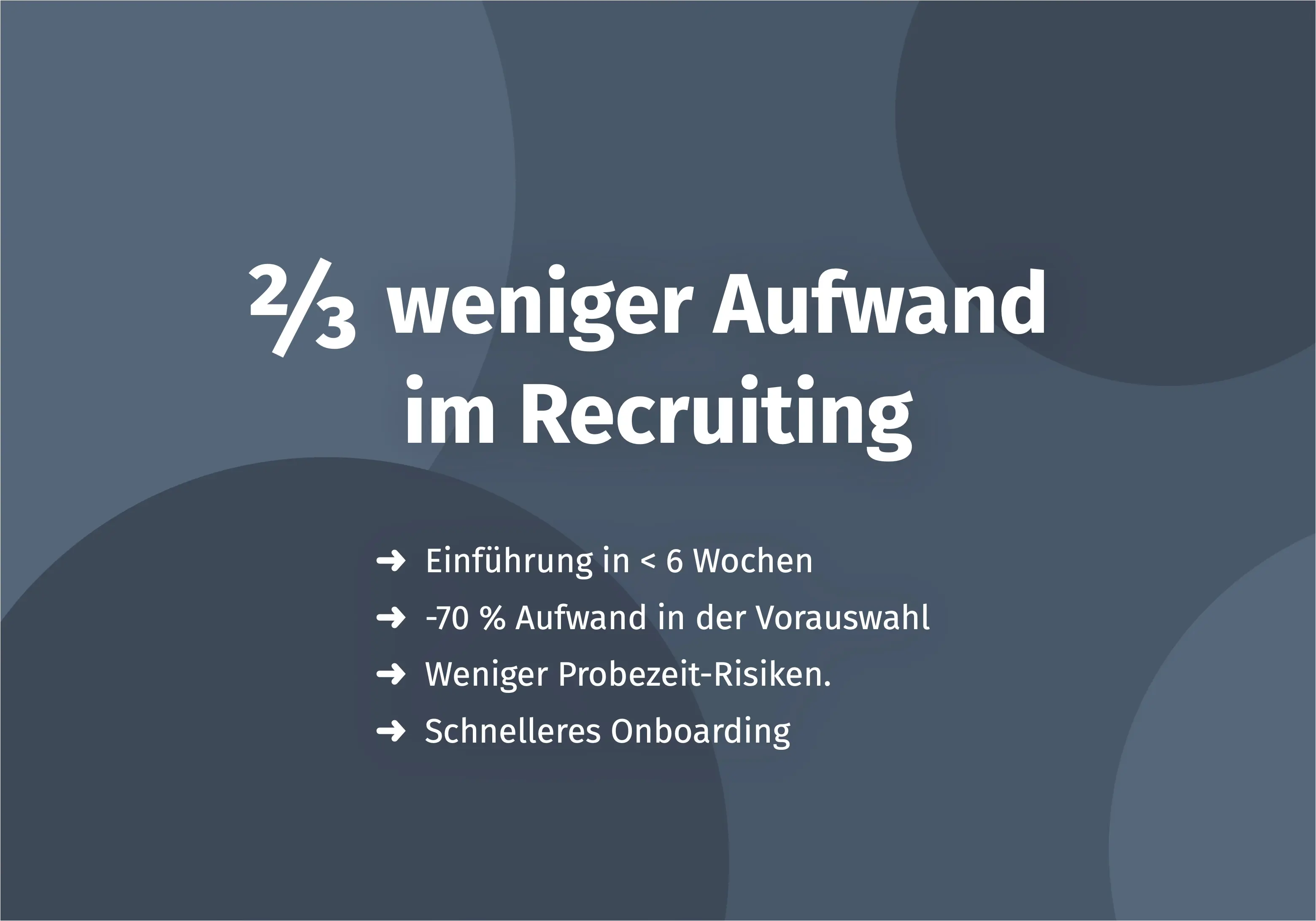
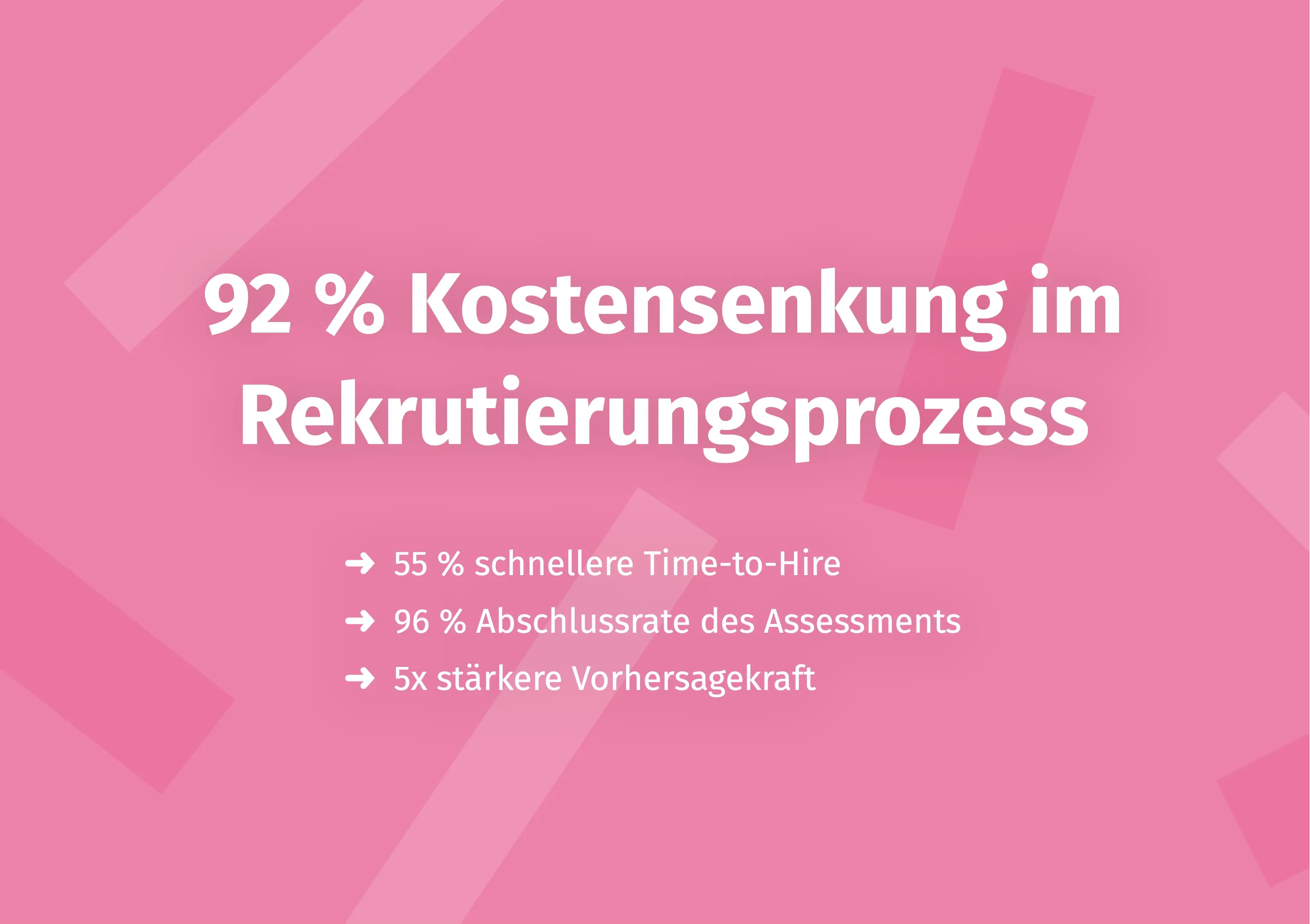
The digital platform Aivy, a spin-off from Freie Universität Berlin, complements ATS systems with game-based assessments and validated personality questionnaires. These enable objective pre-selection of candidates – independent of CV or background. In practice, this is demonstrated by MCI Deutschland, where the combination of an ATS (softgarden) and Aivy reduced time-to-hire by 55% and cut cost-per-hire by 92%. The platform integrates into existing recruiting systems via open interfaces.
Find out more: How the Aivy platform supports SMEs with objective recruiting
Frequently Asked Questions About SME HR Software
What is HR software for SMEs?
HR software for SMEs is a digital solution for managing HR processes in small and medium-sized businesses. Typical modules include personnel administration, absence management, recruiting and onboarding. Depending on the system type (HRIS, ATS or HCM), the focus lies on administration, applicant management or a holistic HR strategy.
When does HR software become worthwhile for an SME?
As a general guideline: from around 10 employees, the manual administrative workload increases to the point where a digital solution becomes economically sensible. A practical benchmark is spending more than two hours per week on purely administrative HR tasks – at that point, software typically pays for itself within a few months.
How much does HR software cost for small businesses?
Most providers charge €4–15 per employee per month. One-off implementation costs and training expenditure are additional. For very small teams (up to 10 people), free basic versions are available. Total costs should always be weighed against the time savings generated.
Which HR software is GDPR-compliant?
Three criteria are decisive: an EU-based server location, a complete Data Processing Agreement (DPA) and configurable data deletion periods and access rights. ISO 27001 certification by the provider is an additional quality signal. The legal basis is provided by Art. 6 and 88 of the GDPR.
What is the difference between HRIS, ATS and HCM?
An HRIS (Human Resource Information System) manages master data such as contracts and absences. An ATS (Applicant Tracking System) focuses on the recruiting process. HCM (Human Capital Management) encompasses both and adds strategic topics such as employee development and performance management. For most SMEs, HRIS and ATS are the relevant system types.
Which modules does an SME really need?
For getting started, personnel administration and absence management are the most recommended – these modules save the most time in daily operations. An ATS module is useful when recruiting actively. Payroll is handled externally by many SMEs; performance management features generally only become worthwhile from 50 employees.
Can I connect HR software to other tools?
Yes, provided the provider supports open APIs. Key integrations for SMEs typically include: payroll software (e.g. DATEV), job boards (e.g. Indeed, Stepstone), ATS systems (e.g. softgarden) and specialised recruiting tools. Before making a decision, check which integrations are available out of the box and which require additional development work.
Conclusion
HR software for SMEs is not a luxury – it is a sensible investment once the manual workload for HR administration and recruiting becomes noticeable. With the right module setup (HRIS for administration, ATS for recruiting), time and costs can be reduced while ensuring GDPR compliance. The choice of solution should be guided by actual headcount, available budget and the most important HR processes.
Those who want to recruit not just more efficiently but more accurately can extend their existing ATS with aptitude diagnostics. Learn more about scientifically validated assessments as a complement to HR software at Aivy.
Sources
- General Data Protection Regulation (GDPR), Art. 6 and 88. European Union, 2018. https://eur-lex.europa.eu/legal-content/EN/TXT/?uri=CELEX%3A32016R0679
- SME Definition. European Commission, 2023. https://single-market-economy.ec.europa.eu/smes/sme-definition_en
- Bitkom Study: Digitalisation of Work. Bitkom e.V., 2024. https://www.bitkom.org
- SME Support and Definition. Federal Ministry for Economic Affairs and Climate Action (BMWK), 2023. https://www.bmwk.de
- MCI Deutschland GmbH – Success Story. Aivy GmbH, 2024. https://www.aivy.app/en/success-stories/mci-deutschland-gmbh

Make a better pre-selection — even before the first interview
In just a few minutes, Aivy shows you which candidates really fit the role. Beyond resumes based on strengths.