
Recruitment search refers to the structured process by which companies identify, approach, and attract suitable candidates for open positions. It encompasses both the selection of the right channels – internal or external – and the design of the selection process from job posting to objective pre-screening. A structured, bias-free recruitment search reduces mis-hires and significantly shortens time-to-hire.
What Is Recruitment Search?
Recruitment search is the first and most fundamental step in the recruiting process. It describes all activities through which a company finds and approaches suitable candidates for a vacant position – before the actual selection process begins.
The term is often used interchangeably with talent acquisition or staffing, but in a narrower sense it refers specifically to the targeted search for candidates: Where can they be found? How should they be approached? Which channels are appropriate for the role in question?
Recruitment search is not a one-time activity but a strategic process. Particularly in the face of a growing skills shortage, it has become a core competency for modern HR departments. According to the IAB Establishment Panel 2023 (Institute for Employment Research), one in five advertised positions remains unfilled for more than three months – a clear signal that reach and methodology are decisive factors.
Internal vs. External Recruitment Search
Before launching an active search, a fundamental decision must be made: internal or external?
Internal Recruitment Search
In an internal search, open positions are first advertised within the organisation itself – for example through promotions, transfers, or the development of existing employees. The advantages are low cost, short onboarding time, and a motivating effect on the team. The downside: the candidate pool is limited and external perspectives are absent.
External Recruitment Search
External recruitment opens the search to the open labour market. It provides access to a significantly larger candidate pool and makes it possible to bring new skills and fresh perspectives into the organisation. The trade-off: higher costs, a longer time-to-hire, and a more complex selection process.
Best practice recommends combining both approaches: check internally first, then search externally if needed.
The Most Important Channels for Recruitment Search
The choice of the right channel largely determines which candidates you reach – and at what cost.
Job Boards and Online Job Portals
Platforms such as Indeed, LinkedIn Jobs, or Glassdoor remain among the most widely used channels. They offer broad reach but are also highly competitive. Costs per job posting typically range from £300 to £2,000, depending on the platform and role.
Social Media and Active Sourcing
LinkedIn and similar platforms enable not only job postings but also the proactive direct outreach to candidates – a practice known as active sourcing. Recruiters search specifically for profiles matching the requirements and approach them directly. Active sourcing is an indispensable tool especially for specialist and leadership roles.
Employee Referral Programmes
Referral programmes – in which existing employees recommend suitable candidates from their network – are considered one of the most efficient recruiting channels. Onboarding time is shorter, turnover is lower, and referral quality is often high. Many organisations incentivise successful referrals with a bonus.
Recruitment Agencies and Executive Search
External recruitment consultants and headhunters take over the search entirely – particularly valuable for specialist or senior leadership positions. The downside: fees are typically 15 to 30 percent of the placed candidate's annual gross salary.
Recruitment Search Step by Step
A structured process makes recruitment search more efficient and its results more comparable.
Step 1: Define the Requirements Profile
Before you search, you need to know who you are looking for. A precise requirements profile distinguishes must-have competencies from nice-to-have qualifications and forms the foundation for all subsequent steps – from the job posting to the final selection.
Step 2: Choose Channels and Create the Job Posting
The job posting is the most important communication tool in recruitment search. It should describe tasks concretely, state benefits clearly, and use inclusive language. For digital channels, keyword-optimised wording is also advisable to ensure the position is discoverable in job searches. E-recruiting tools support cross-channel publication.
Step 3: Screen and Pre-select Applications
Pre-screening is the most critical step: this is where it is decided who will be invited to interview. At the same time, it is susceptible to unconscious bias – for example, when candidates are favoured based on their name, photo, or university without this corresponding to their actual qualifications.
Step 4: Objective Selection and Decision
Structured selection procedures – such as criteria-based interviews or standardised assessments – increase comparability and reduce bias. The final decision should always be based on multiple data points and validated evidence, not gut feeling.
Costs and Time Investment of Recruitment Search
Two KPIs are critical for measuring the efficiency of recruitment search:
Time-to-hire describes the time from the job posting to a signed offer. In Germany, this figure averages 40 to 60 days according to IAB data, with significant variation by industry and role type.
Cost-per-hire encompasses all costs incurred during a hire: advertising spend, external recruitment fees, internal HR hours, and onboarding. Typical figures in the DACH region range from €3,000 to €10,000 per hire, though senior positions can exceed this significantly.
Both metrics can be improved considerably through a structured process, targeted channel selection, and efficient pre-screening.
Common Mistakes in Recruitment Search
Many organisations lose time and money through avoidable errors:
No requirements profile: If you don't know exactly who you're looking for, you're unlikely to find them. Without a clear profile, both the job posting and pre-screening lack focus.
Wrong channel selection: Not every role suits every platform. An apprenticeship in a trade requires different channels than a senior software engineering position.
Unconscious bias in pre-screening: Unconscious biases influence which candidates recruiters consider suitable – often without being aware of it. Common examples include affinity bias (favouring similar candidates) and the halo effect (overweighting a single positive attribute). Read more in the article Overcoming Unconscious Bias in Recruiting.
Unstructured pre-screening: When CVs are reviewed without clear criteria, comparability deteriorates – and the risk of poor decisions rises.
Objective Pre-screening as a Quality Factor
The quality of a recruitment search depends not only on how many applications are received, but on how well the pre-screening process works. Scientifically grounded aptitude diagnostics can make a decisive difference here: rather than relying solely on CVs and cover letters, candidates are evaluated using validated psychometric methods – regardless of their background, gender, or educational pathway.
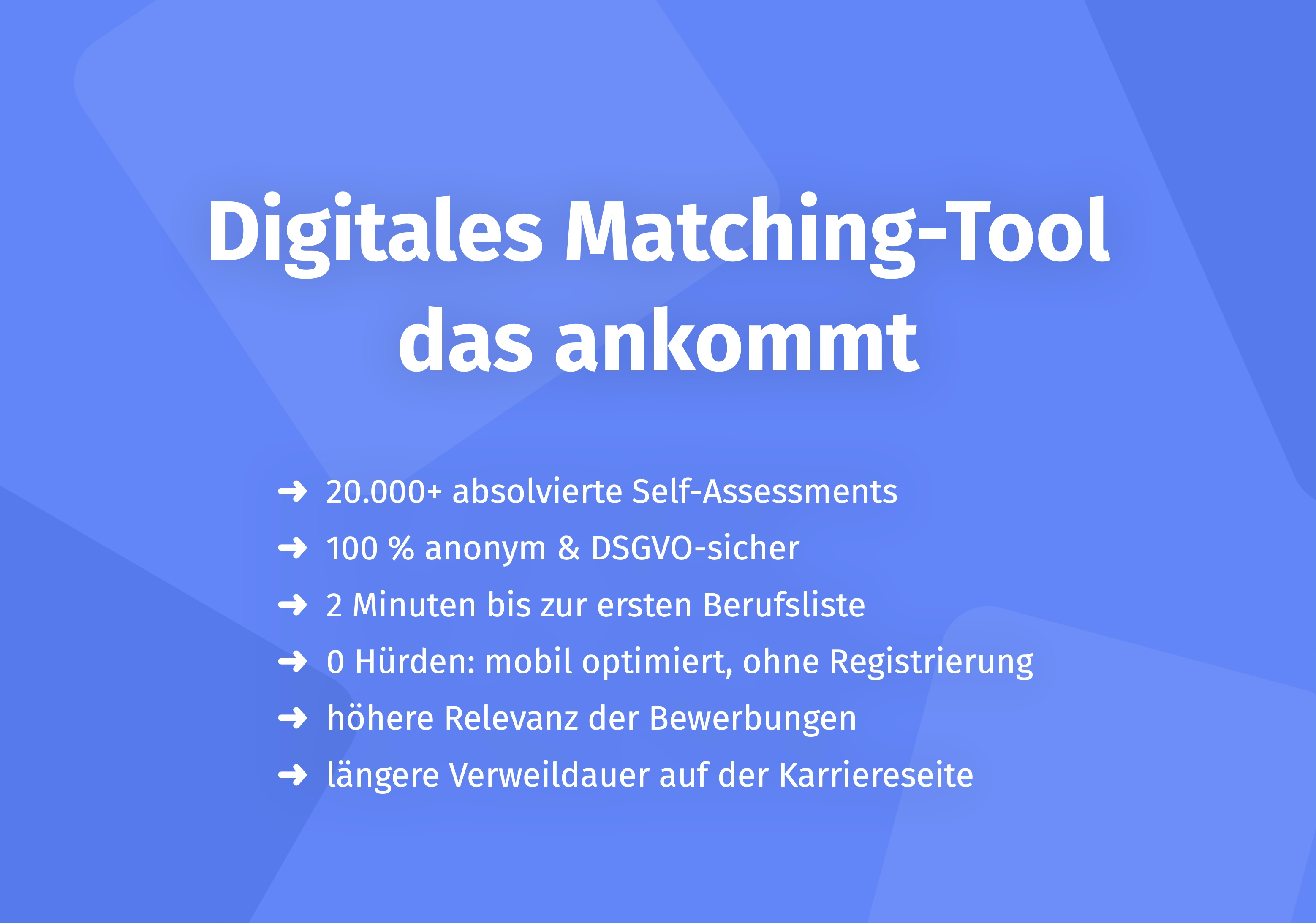
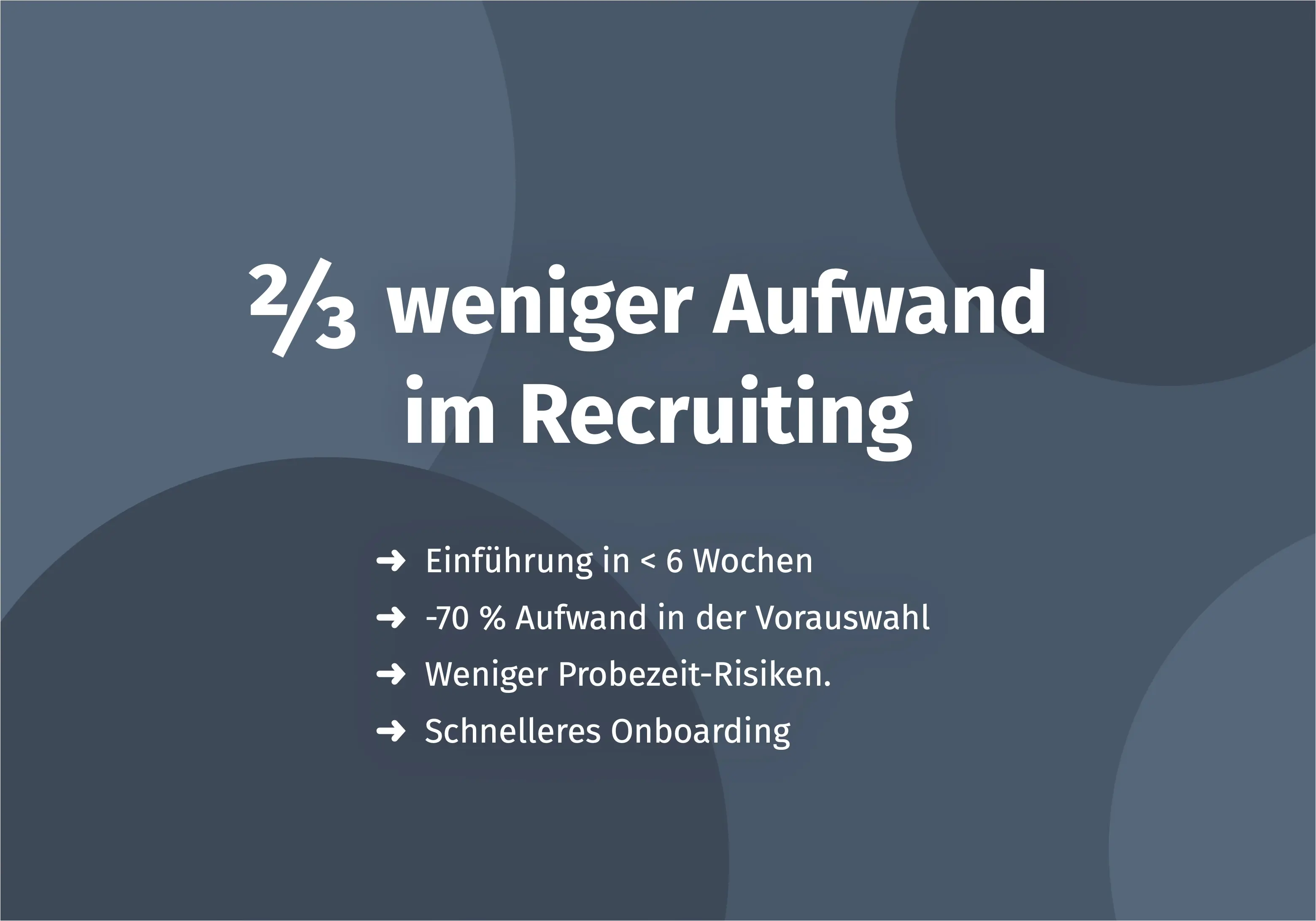
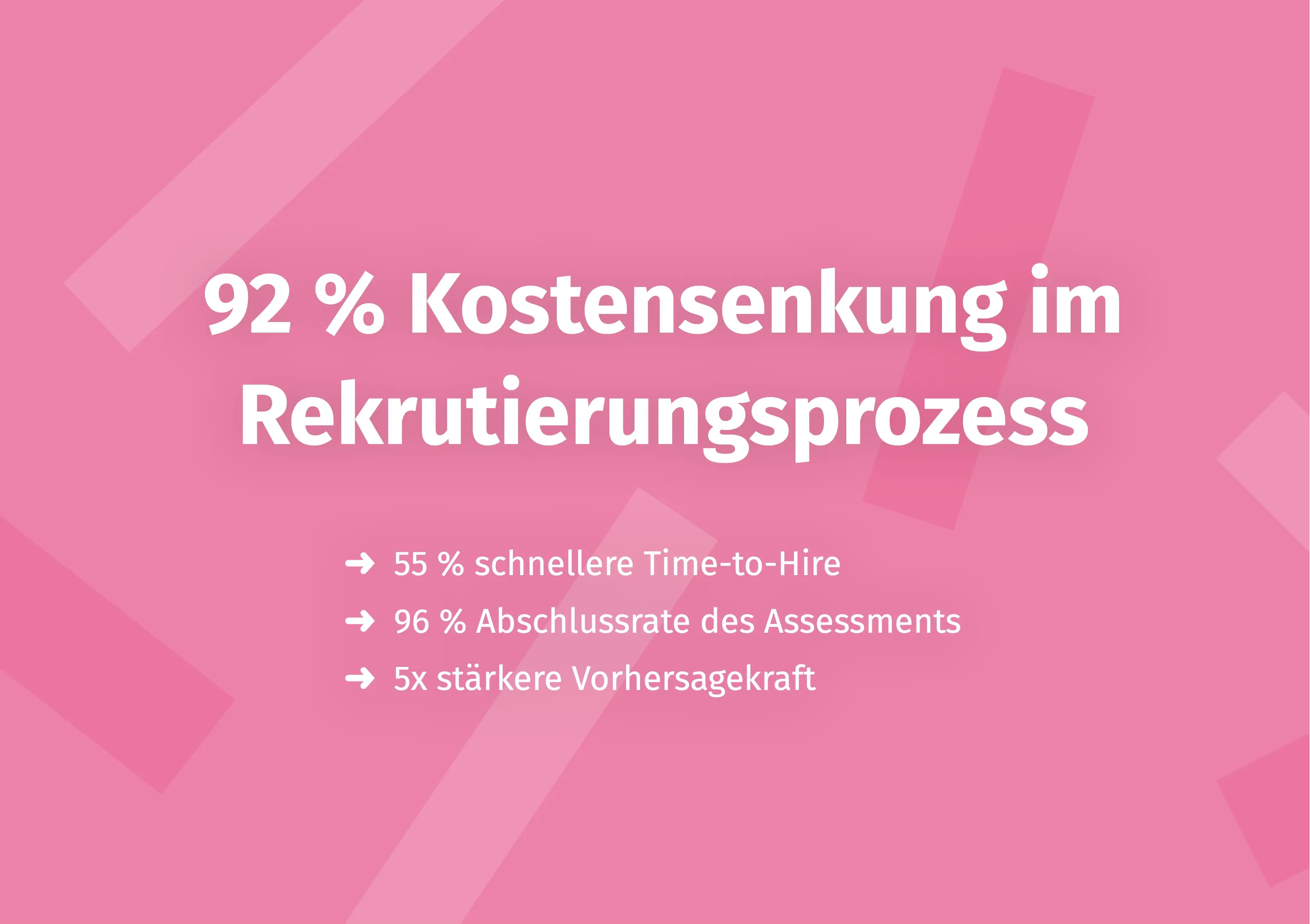
The digital platform Aivy – a scientific spin-off from Freie Universität Berlin – enables exactly this: game-based assessments and scientifically validated questionnaires measure competencies and personality traits objectively and in a bias-reduced manner. The result is not only fairer but also measurably better selection decisions. MCI Deutschland was able to reduce its time-to-hire by 55 percent and its cost-per-hire by 92 percent by deploying such a solution.
For a sustainably successful recruitment search, it is also worth thinking about sustainable recruiting strategies – approaches that reduce the effort per hire over the long term.
Frequently Asked Questions About Recruitment Search
What is the difference between internal and external recruitment search?
In an internal search, candidates are promoted or transferred from within the organisation. This is cost-effective and fast, but limits the candidate pool. External recruitment opens the search to the open labour market and offers more choice – at greater effort and cost. In practice, a combination is advisable: check internally first, then search externally.
Which channels are best suited for recruitment search?
It depends on the role and target audience. For operational positions, job portals such as Indeed or LinkedIn Jobs work well. For specialist and leadership roles, LinkedIn and active sourcing are particularly effective. Employee referrals often deliver the best matches at the lowest cost.
How much does recruitment search cost?
Cost-per-hire varies considerably. Job postings typically cost between £300 and £2,000 per placement. Headhunters charge 15 to 30 percent of annual gross salary. Internal search is cheaper but incurs opportunity costs through HR time. On average, cost-per-hire in the DACH region ranges from €3,000 to €10,000 per hire.
How long does recruitment search typically take?
According to IAB data, the average time-to-hire in Germany is 40 to 60 days. Skills shortages and unstructured processes extend this considerably. A structured workflow with efficient pre-screening can significantly reduce vacancy duration.
What is unconscious bias and how does it affect recruitment search?
Unconscious bias refers to unconscious prejudices that influence selection decisions – for example, a preference for candidates with similar backgrounds or disproportionate weight given to superficial factors. Structured, criteria-based selection procedures and scientifically validated assessments demonstrably reduce this effect.
What is active sourcing?
Active sourcing is the proactive direct outreach to candidates via platforms such as LinkedIn – even when they are not actively job-seeking. It is particularly effective for specialist and leadership positions where the passive candidate market is more relevant than the active one.
How do I create a good job posting?
A good job posting begins with a clear requirements profile. It distinguishes must-have from nice-to-have qualifications, describes tasks concretely, highlights benefits and company culture, and uses inclusive language. For digital channels, relevant search terms should be incorporated to ensure the position is discoverable.
Conclusion
Recruitment search is far more than placing a job advertisement. It is a strategic process that begins with a precise requirements profile, leverages the right channels, and culminates in structured, objective pre-screening. Those who design this process systematically reduce mis-hires, save costs, and fill positions faster.
Particularly in times of skills shortages, investing in the quality of recruitment search pays off – through better channel selection, structured processes, and the use of scientifically grounded pre-screening methods.
Discover how the digital platform Aivy supports your recruitment search with objective aptitude diagnostics: Learn more about Aivy
Sources
- Institut für Arbeitsmarkt- und Berufsforschung (IAB). IAB Establishment Panel: Corporate Recruitment and Vacancy Filling. 2023. https://iab.de/
- Bundesagentur für Arbeit (Federal Employment Agency). Statistics: Registered Vacancies and Vacancy Filling. 2024. https://statistik.arbeitsagentur.de
- Deutsche Gesellschaft für Personalführung (DGFP). Recruiting and Candidate Experience. 2023. https://www.dgfp.de
- LinkedIn. Global Talent Trends Report. 2024. https://business.linkedin.com/hire/global-talent-trends
- Kienbaum Consultants. HR Study: Recruiting. 2023. https://kienbaum.com

Make a better pre-selection — even before the first interview
In just a few minutes, Aivy shows you which candidates really fit the role. Beyond resumes based on strengths.