
Productivity software encompasses digital tools that help organisations make their work processes more efficient – from communication and project management to AI-powered task automation. For HR teams, specialised solutions such as applicant tracking systems or digital assessment platforms offer particularly high value. The right software saves time, reduces errors and improves the quality of decisions.
Definition: What Is Productivity Software?
Productivity software refers to all digital applications that help people complete tasks faster, more systematically and with less manual effort. The term is deliberately broad: it ranges from simple to-do apps to complex enterprise platforms for collaboration, data analysis or automated workflows.
In a business context, it typically refers to tools that standardise recurring processes, better connect teams and centralise information. According to a survey by Bitkom (2023), more than three quarters of German companies already use cloud-based productivity solutions – and the trend is continuing upward.
Distinction: Productivity Software vs. Project Management Tools
Project management software (e.g. Asana, Jira) is a subcategory of productivity software. It focuses on the planning, control and tracking of specific projects. Productivity software in the broader sense also includes communication tools, document management, time tracking and many other areas of application.
Categories of Productivity Software
The productivity software market is diverse. For HR professionals, a clear categorisation is helpful for maintaining an overview and selecting the right tools for their specific requirements.
Communication & Collaboration
Tools such as Microsoft Teams, Slack or Google Workspace enable fast, structured communication within teams – even across multiple locations. They reduce email overload and create central hubs for projects, files and discussions. For HR teams, they are particularly relevant for cross-departmental coordination or communication with candidates.
Project Management
Project management tools such as Asana, Trello, Monday.com or ClickUp help distribute tasks, track deadlines and make progress transparent. In the HR context, they are well-suited for managing recruiting projects, onboarding processes or planning employee training programmes.
HR-Specific Tools
A distinct category is software developed specifically for HR processes:
- ATS (Applicant Tracking System): Supports the entire recruiting process – from the job posting through applicant management to hiring. An ATS significantly digitises and standardises recruiting workflows.
- HRIS (Human Resource Information System): A central system for managing employee data, payroll, absences and documents. It forms the backbone of HR digitalisation in many organisations.
- Digital Aptitude Diagnostics: Specialised platforms enable more objective, data-driven personnel selection – independent of application documents or subjective impressions from interviews.
- Onboarding Platforms: Tools that welcome new employees in a structured way, assign tasks and accompany the induction process.
AI-Powered Productivity Tools
AI-powered solutions are gaining significant momentum. They automate routine tasks such as scheduling, email triage or creating summaries. In HR, AI tools can generate job postings, pre-sort CVs or suggest interview questions. An important caveat: AI support should complement human decisions, not replace them – especially when it comes to evaluating people.
Productivity Software in the HR Context
HR departments are among the greatest beneficiaries of digital productivity solutions, as they have many administrative and communication-intensive processes to manage.
Recruiting and Aptitude Diagnostics
Personnel selection is one of the most time-intensive HR processes. An ATS structures the workflow and ensures no application gets lost. In addition, digital aptitude diagnostics platforms can help improve the quality of personnel selection. Rather than relying exclusively on CVs and interviews – which are known to be susceptible to unconscious bias – scientifically validated assessments enable a more objective evaluation of competencies and potential.
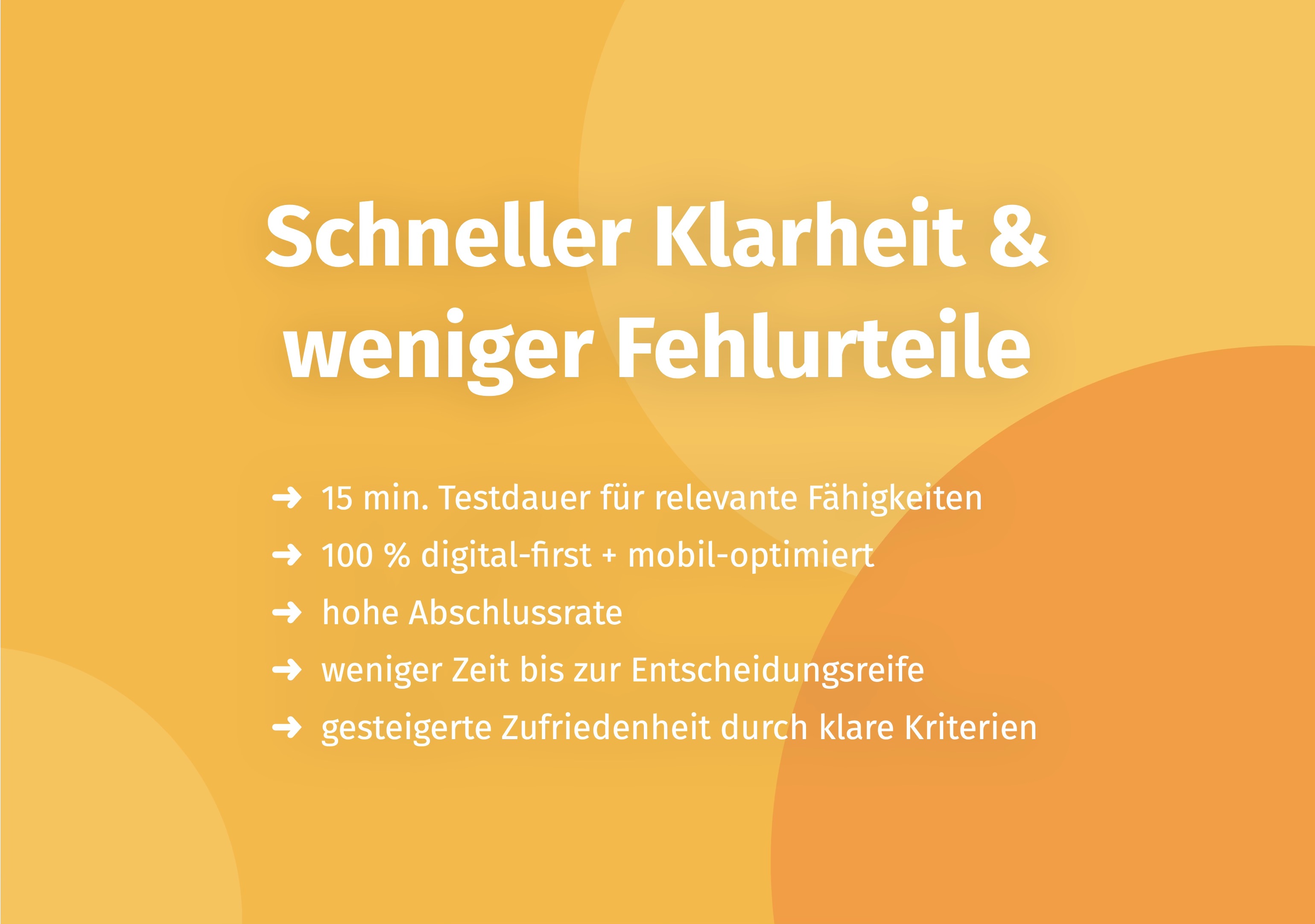
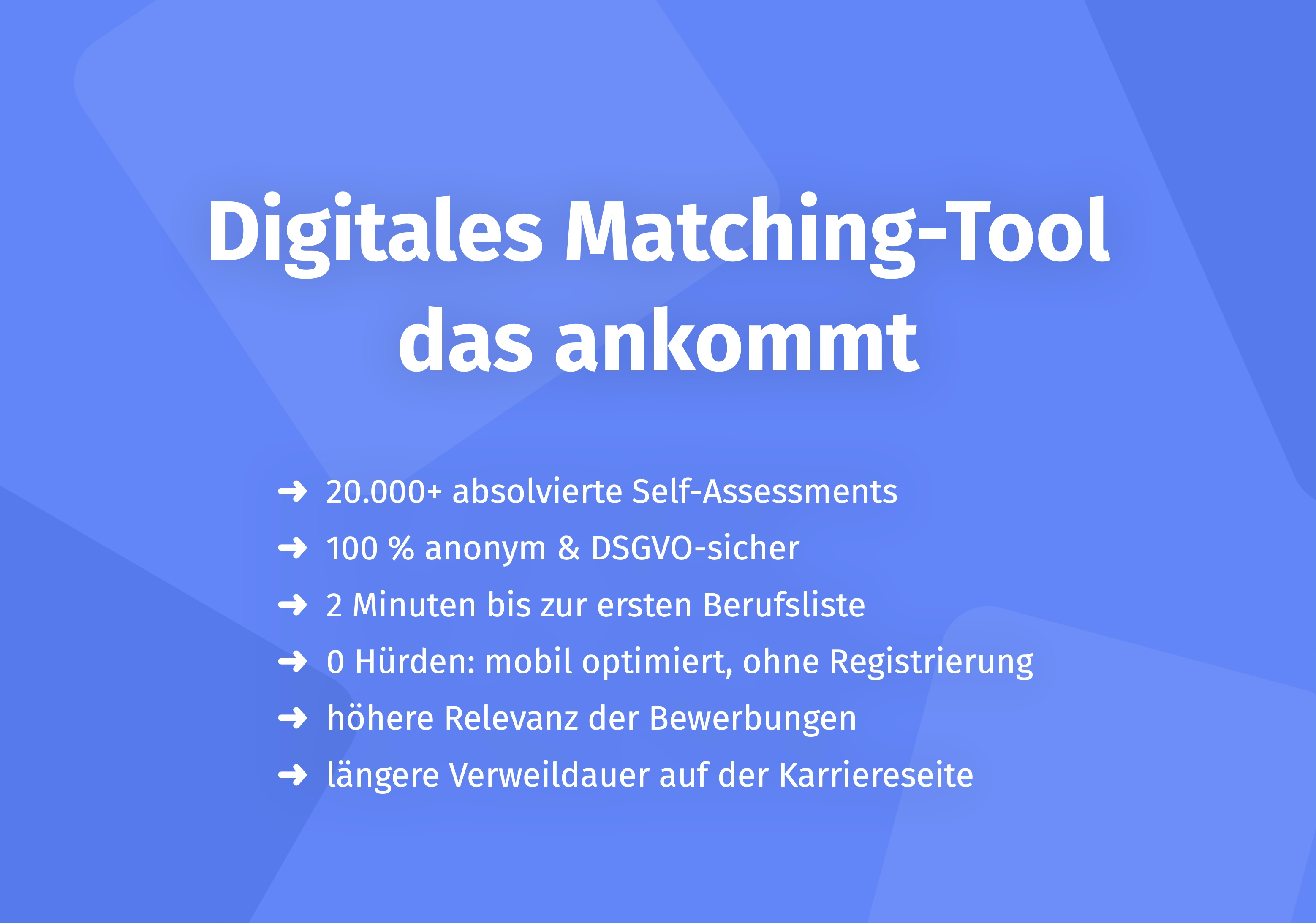
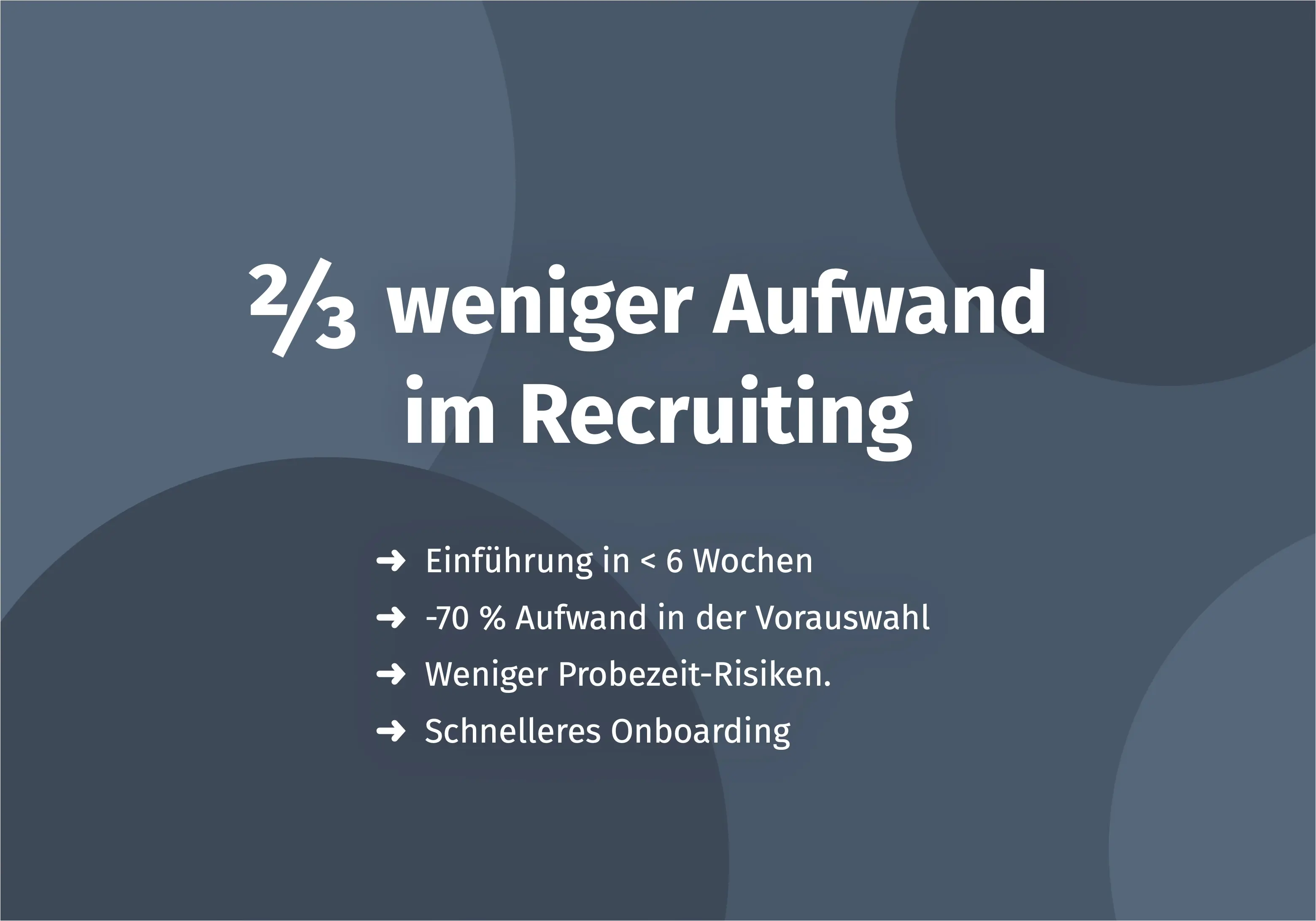
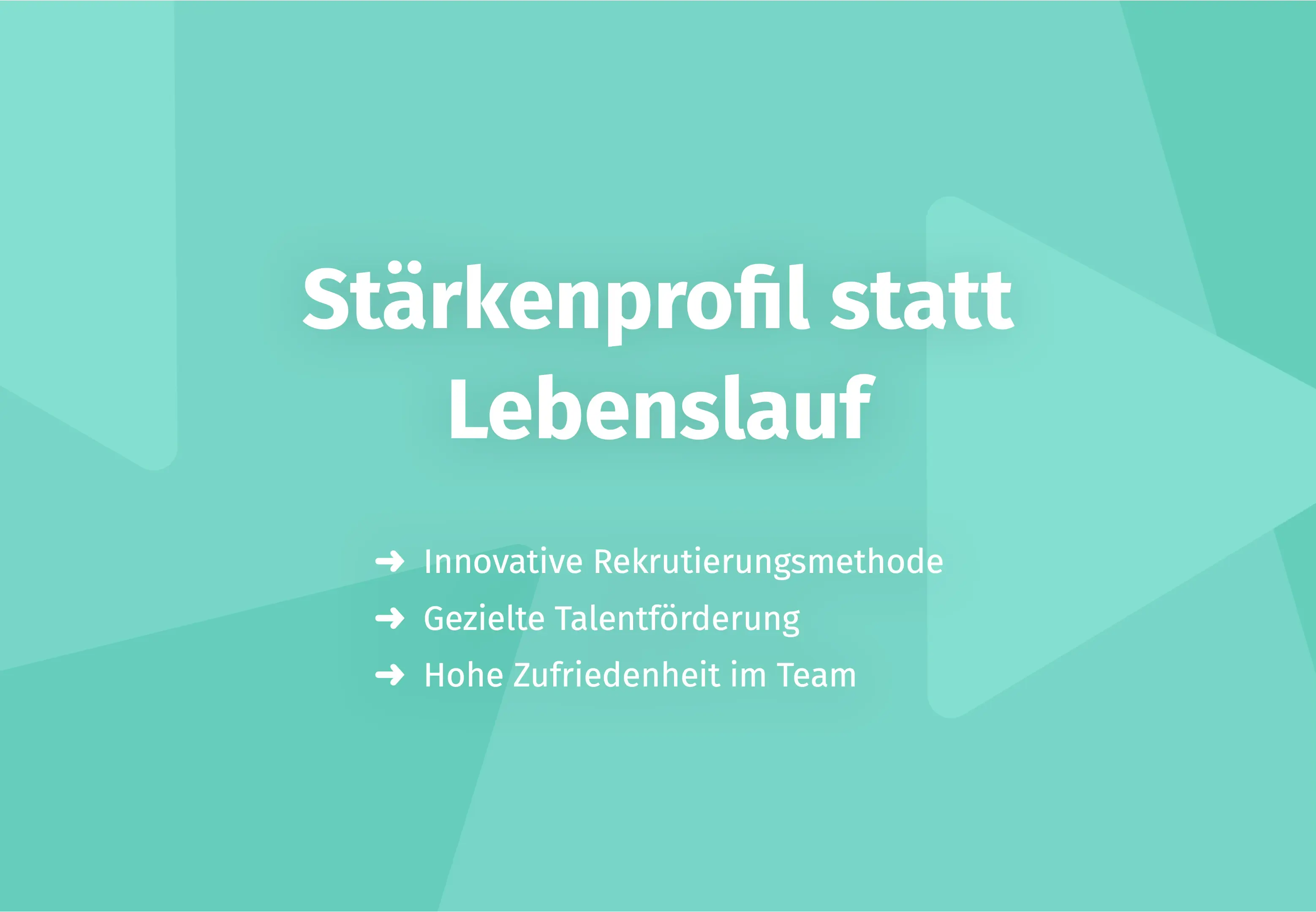
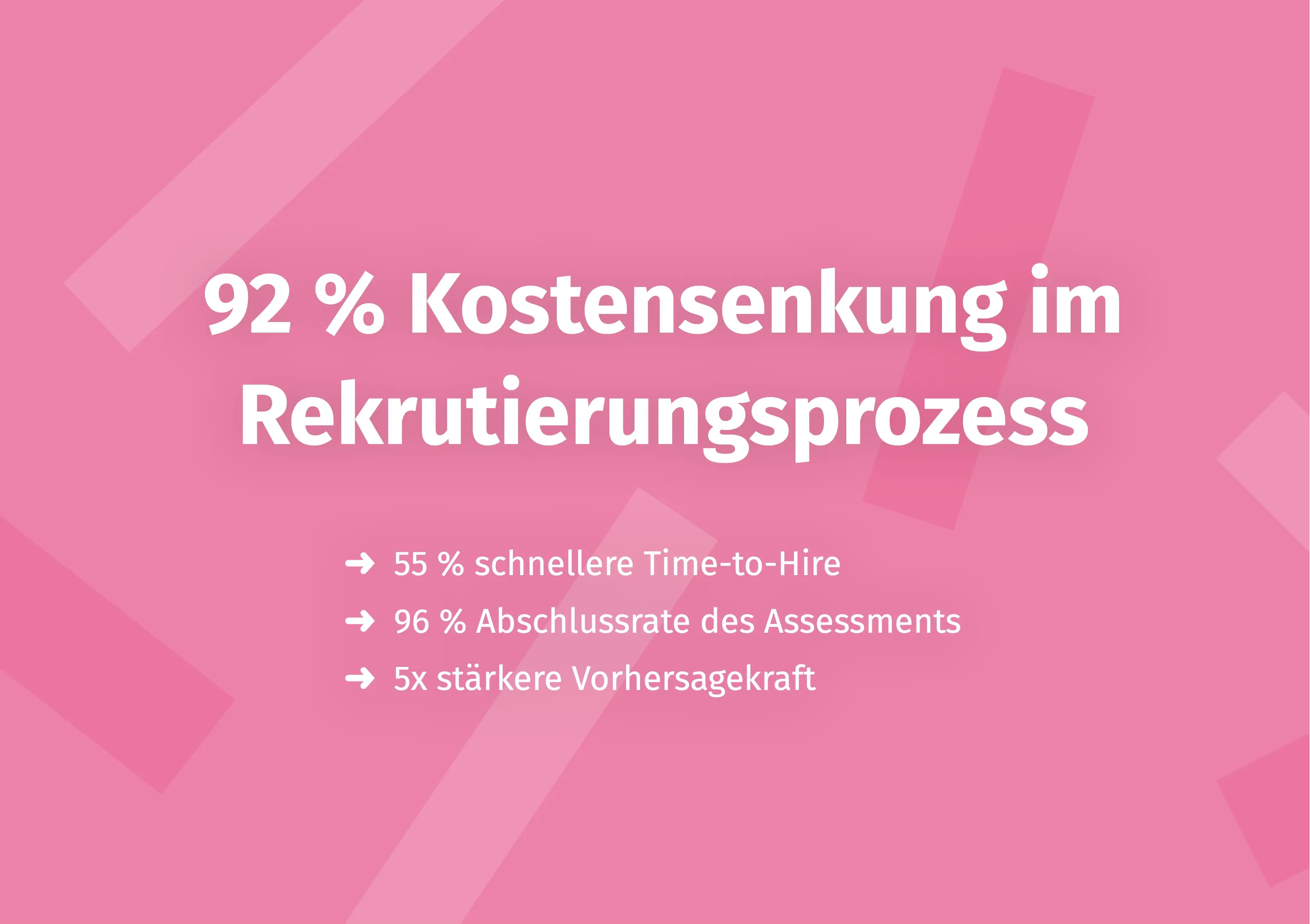
The digital platform Aivy, for example, uses game-based assessments grounded in psychometric methods developed at Freie Universität Berlin. It supports recruiting teams in evaluating candidates more efficiently and fairly – and measurably accelerating the entire selection process. Find out more about scientific aptitude diagnostics with Aivy here.
Onboarding and Employee Development
Productivity software also offers considerable potential after hiring: onboarding tools structure the first weeks of new employees, assign tasks and track progress. Learning management systems (LMS) support continuous professional development. Both categories help employees become productive more quickly and feel more strongly connected to the organisation.
Selection Criteria: What Matters Most?
The market offers hundreds of tools – making a well-informed choice is essential. These five criteria help guide the decision:
1. Requirements Analysis: Which specific processes need to be optimised? The more clearly the problem is defined, the more precisely the right solution can be identified.
2. Integration: Can the new tool be seamlessly integrated into existing systems (e.g. ATS, HRIS, communication platform)? Interfaces (APIs) are a critical criterion here.
3. Data Privacy Compliance: Particularly for tools that process personal data (e.g. applicant data, salary information), compliance with data protection regulations is mandatory. Look for ISO certifications and server locations within the relevant jurisdiction.
4. Scalability: Does the software match the current size of the organisation – and will it grow with it? Start-ups and growing companies in particular should look for flexible licensing models.
5. Employee Acceptance: Even the best software delivers little value if it is not adopted within the organisation. Usability, onboarding training and change management are critical to success.
ROI and Success Measurement
One of the most common challenges when introducing productivity software is measuring its value. The following key metrics are helpful:
- Time savings: How many hours per week are saved through automation or improved communication?
- Time-to-hire: How has the duration from the start of the job posting to contract signing changed?
- Cost-per-hire: Have the costs per hired person decreased through more efficient processes?
- Error rate: Are fewer errors being made in administrative processes (e.g. duplicate data entry avoided)?
- Employee satisfaction: Regular surveys reveal whether new tools are perceived as a relief or a burden.
Important: ROI measurements should be conducted at least 3–6 months after implementation, as it takes time for adjustment effects to level out.
Frequently Asked Questions About Productivity Software
What is productivity software?
Productivity software refers to digital tools that help make workflows more efficient. This includes communication tools, project management software, HR-specific applications such as ATS or aptitude diagnostics platforms, and AI-powered solutions for automating routine tasks.
What types of productivity software are there?
The main categories are: communication & collaboration (e.g. Slack, Teams), project management (e.g. Asana, Trello), HR-specific tools (e.g. ATS, HRIS, aptitude diagnostics), time tracking software (e.g. Toggl, Clockify) and AI-powered solutions for text generation and process automation.
How do I choose the right productivity software for my organisation?
Start with a clear requirements analysis: which process needs to be improved? Then evaluate integration, data privacy compliance, scalability and usability. Make use of free trial periods before committing to a long-term decision.
What does productivity software cost?
Many tools offer free basic versions (e.g. Trello, Asana, Slack). Paid plans in the SaaS model typically range from around €5 to €50 per user per month, depending on the feature set. Enterprise solutions are priced individually. In addition to licensing costs, implementation, training and ongoing support should also be factored in. Note: prices and features change regularly – always check directly with the provider for current information.
How does productivity software increase employee productivity?
Productivity software works on multiple levels: it automates routine tasks, creates greater transparency around tasks and deadlines, improves communication and enables data-driven decisions. A prerequisite is high user acceptance – which is why a well-thought-out implementation concept is just as important as choosing the right tool.
Which productivity software is particularly suitable for HR teams?
For HR teams, the most relevant solutions are ATS for applicant management, HRIS for employee data, digital aptitude diagnostics platforms for personnel selection and onboarding tools for new employees. Candidate experience also benefits from tools that make the application process more transparent and pleasant for everyone involved.
How do I measure the ROI of productivity software?
Key metrics include time-to-hire, cost-per-hire, hours of work saved, reduced error rates and employee satisfaction. An initial measurement should take place no earlier than 3–6 months after implementation to obtain reliable results.
Conclusion
Productivity software is not a luxury – it is a strategic instrument for organisations that want to make their processes fit for the future. For HR teams, specialised solutions – from ATS to digital aptitude diagnostics to onboarding platforms – offer particularly significant potential, because they simultaneously save time and improve the quality of decisions.
Selection should be needs-driven, data-privacy-compliant and with an eye on employee acceptance. Those who factor in ROI from the outset and define clear success metrics can demonstrate the value of digital tools in measurable terms.
Would you like to learn how digital aptitude diagnostics can make the recruiting process in your organisation more productive? Find out more about the Aivy platform now.
Sources
- Bitkom Research: Digitalisierung der Wirtschaft in Deutschland. Bitkom e.V., 2023/2024. https://www.bitkom.org
- Haufe / ifaa: HR-Report 2024 – Focus: Digitalisation and AI. Haufe Group, 2024. https://www.haufe.de/personal/hr-management/hr-report
- McKinsey Global Institute: The future of work after COVID-19. McKinsey & Company, 2021. https://www.mckinsey.com/featured-insights/future-of-work/the-future-of-work-after-covid-19
- DGFP (Deutsche Gesellschaft für Personalführung): HR Digitalisation Report 2023. DGFP e.V., 2023. https://www.dgfp.de/wissen/studien
- Capterra: Productivity Software Market Overview. Capterra, 2024. https://www.capterra.com/productivity-software/
Make a better pre-selection — even before the first interview
In just a few minutes, Aivy shows you which candidates really fit the role. Beyond resumes based on strengths.