
A Performance Improvement Plan (PIP) is a structured HR instrument that guides employees with performance deficits toward a better performance trajectory through clearly defined goals, concrete measures, and regular feedback. It also serves as legally sound documentation prior to a potential conduct-based termination, protecting both the organisation and the employee. When applied correctly, a PIP is a development tool – not a precursor to dismissal.
What Is a Performance Improvement Plan?
A Performance Improvement Plan is a written document that describes the gap between actual and expected job performance and sets out a clear path to improvement. The term originates from US HR management and has become widely established in international business practice.
At its core, a PIP consists of three elements: a factual description of the performance deficit, measurable improvement targets for a defined period, and concrete support measures provided by the organisation. This distinguishes it fundamentally from a formal written warning (Abmahnung under German law), which is a legal instrument that reprimands a specific misconduct and, if repeated, paves the way for dismissal. The PIP, by contrast, is a support and development document – it shows the employee where expectations lie, what support is available, and by when improvement is expected.
PIP vs. Formal Warning: Key Differences
| Feature | Performance Improvement Plan | Formal Warning |
|---|---|---|
| Purpose | Development, improvement | Legal reprimand |
| Content | Goals, measures, feedback | Reprimand of specific misconduct |
| Tone | Constructive, supportive | Formal, legal |
| Legal effect | Indirect (documentation) | Direct legal effect |
| Response to non-fulfilment | Further measures, possible dismissal | Dismissal possible |
When Is a Performance Improvement Plan Appropriate?
Typical Triggers for a PIP
A Performance Improvement Plan is typically used when informal feedback conversations and employee reviews have not produced lasting improvement. Common triggers include:
- Persistent failure to meet agreed targets or KPIs (e.g. revenue, quality standards, deadlines)
- Repeatedly poor quality of work despite feedback
- Declining productivity without a recognisable external cause
- Frequent errors that burden colleagues or processes
Important: a PIP should never be introduced after a single incident. It applies to sustained, measurable performance deficits – not isolated mistakes.
When Other Instruments Are More Appropriate
Not every performance issue calls for a formal PIP. Sometimes a clarifying employee conversation, a targeted training measure, or a revised task distribution is sufficient. If a personal issue is at the root (e.g. health restrictions, family pressures), empathy and, where applicable, a workplace reintegration programme should take priority.
What Should a Performance Improvement Plan Contain?
The 5 Core Elements of a PIP
A complete Performance Improvement Plan includes the following components:
1. Description of the Performance Deficit - A concrete, factual account: What is the problem? Since when? With what measurable impact? No sweeping judgements – only verifiable observations.
2. SMART Goals for the Improvement Period - Improvement targets must be formulated as SMART goals: Specific, Measurable, Achievable, Relevant, and Time-bound. Only then are they binding and verifiable for both parties.
3. Concrete Support Measures - What resources does the organisation provide? Options include: coaching, training, mentoring, adjusted task distribution, and regular feedback sessions with the line manager.
4. Timeline and Milestones - Clear start and end dates, as well as interim check-ins (typically every two to four weeks). This creates structure and ensures the PIP does not get forgotten.
5. Signatures from Both Parties - The PIP is signed by the manager and the employee. The employee's signature does not necessarily indicate agreement, but acknowledgement of receipt – this should be noted explicitly in the document.
Writing SMART Goals in Practice – Example
Vague formulation (unsuitable):
"Customer satisfaction should be improved."
SMART formulation (suitable):
"By 31 July 2025, the average NPS score in customer reviews will be raised from the current 5.8 to at least 7.5. As support, [Name] will attend a two-day communication skills training by the end of May. Progress will be reviewed monthly in a joint check-in."
Duration and Milestones
The typical duration of a Performance Improvement Plan is 30 to 90 days. For more complex performance deficits, the period can be extended to up to six months. Importantly, at least two to three interim reviews should take place within the timeframe. If the employee shows recognisable but not yet sufficient progress, an extension may be appropriate.
Managing the PIP Process Successfully
The PIP Conversation: Preparation and Execution
The conversation that introduces the Performance Improvement Plan is often the most difficult part of the process. Managers who approach it well significantly increase the chance of genuine improvement. The following points help:
- Preparation: Gather facts, have documentation ready, pre-formulate goals (but remain open to adjustments)
- Setting: Choose a quiet, private environment – not a corridor or open-plan office
- Language: Address behaviours and results, not the person
- Co-create goals: Involve the employee rather than dictating targets unilaterally
- State support clearly: What does the organisation specifically offer?
- Document next steps: When is the first review? Who is the point of contact?
Ongoing Support and Interim Feedback
A well-managed PIP does not end with the opening conversation. Regular feedback sessions – ideally every two weeks – are essential. The principle: acknowledge progress, address deviations factually, adapt the support offer if needed. A genuine feedback culture makes this process considerably easier.
Legally Sound Documentation
All conversations, feedback instances, and observations during the PIP period should be recorded in writing – with date, content, and participants. This documentation is critical in any subsequent employment law proceedings.
Legal Framework in Germany
Employment Protection Act (KSchG) and the PIP
In Germany, employees with more than six months of tenure at companies with more than ten employees are protected against dismissal. According to §1 of the Employment Protection Act (KSchG), a conduct- or person-related dismissal is only socially justified if the organisation can demonstrate that all reasonable remedial measures have been taken. A carefully documented Performance Improvement Plan is not a legally mandated instrument, but it significantly strengthens the organisation's legal position – particularly if a subsequent dismissal is challenged.
Note: a PIP does not replace a formal written warning (Abmahnung). In cases of conduct-related dismissal (e.g. serious breaches of duty), the formal warning remains the required step.
Role of the Works Council
The works council (Betriebsrat) has no general right of co-determination in the introduction or execution of a Performance Improvement Plan. However, pursuant to §102 of the Works Constitution Act (BetrVG), the works council must be consulted before any dismissal is issued. For this reason, it is advisable to inform the works council transparently about ongoing PIPs at an early stage, in order to avoid later conflicts.
Preventing Performance Issues Before They Arise
Many Performance Improvement Plans arise because employees were never an optimal fit for the role or team in the first place – whether in terms of competencies, working style, or motivation. A potential analysis during the recruiting process can help assess this fit objectively.
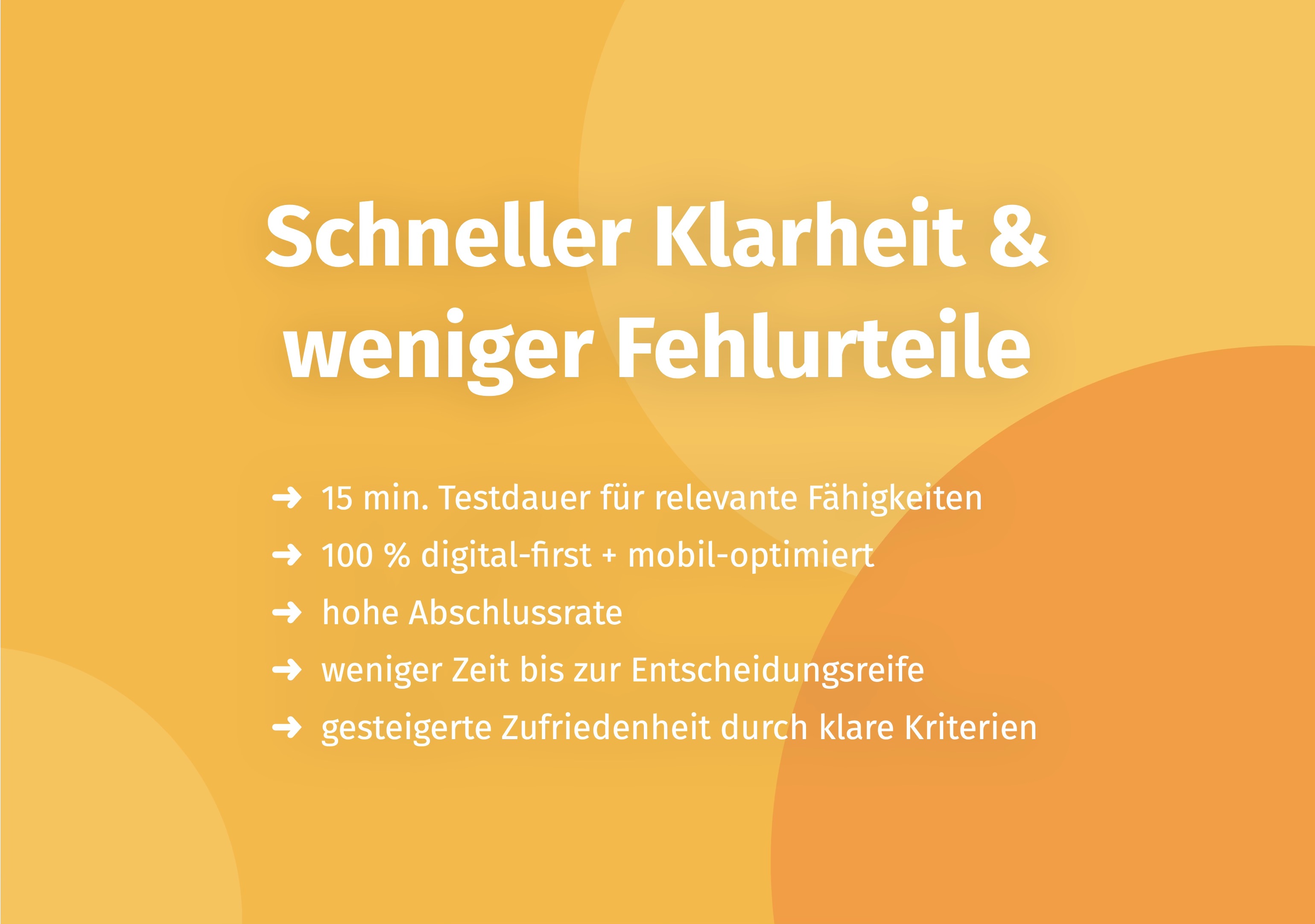
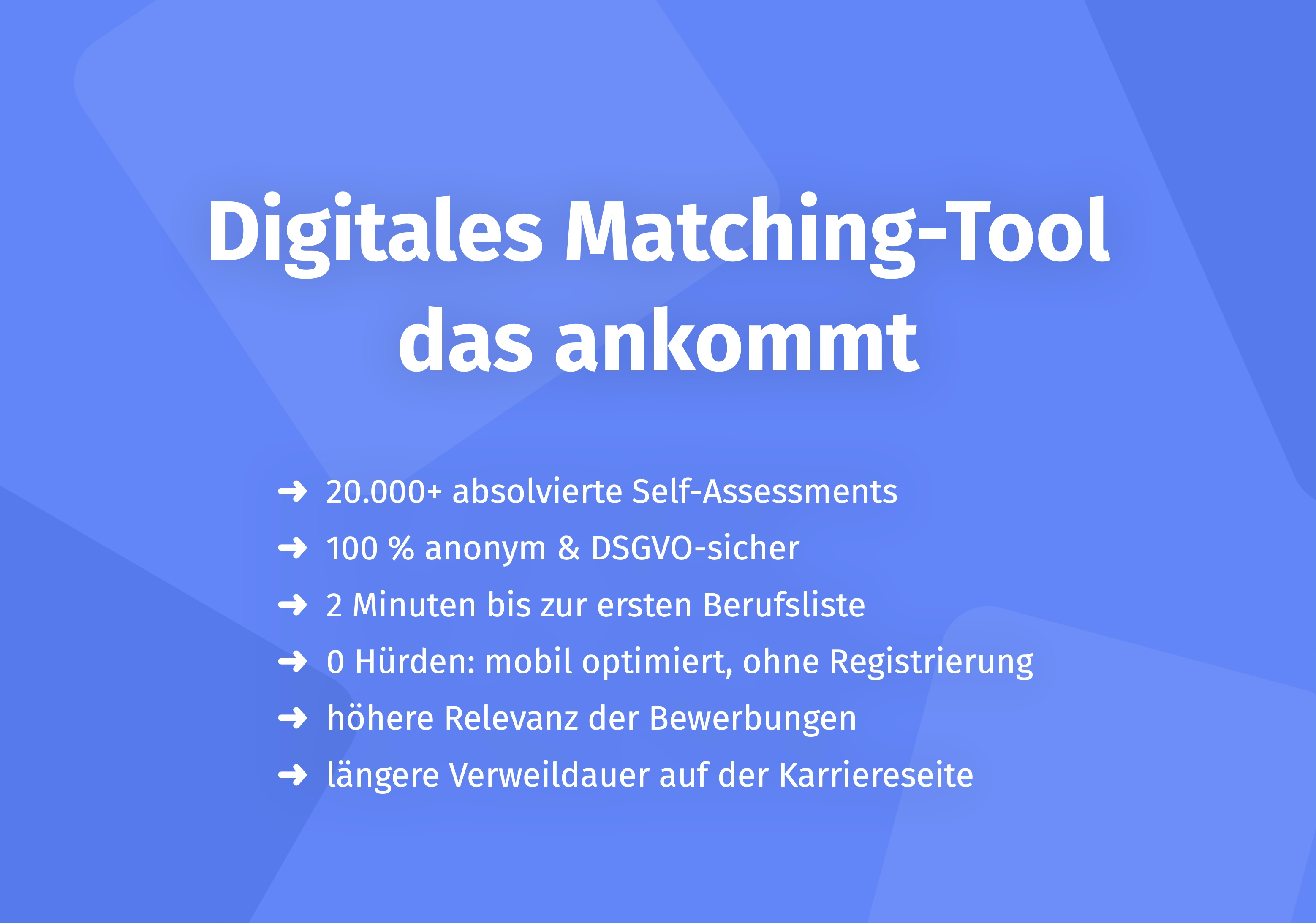
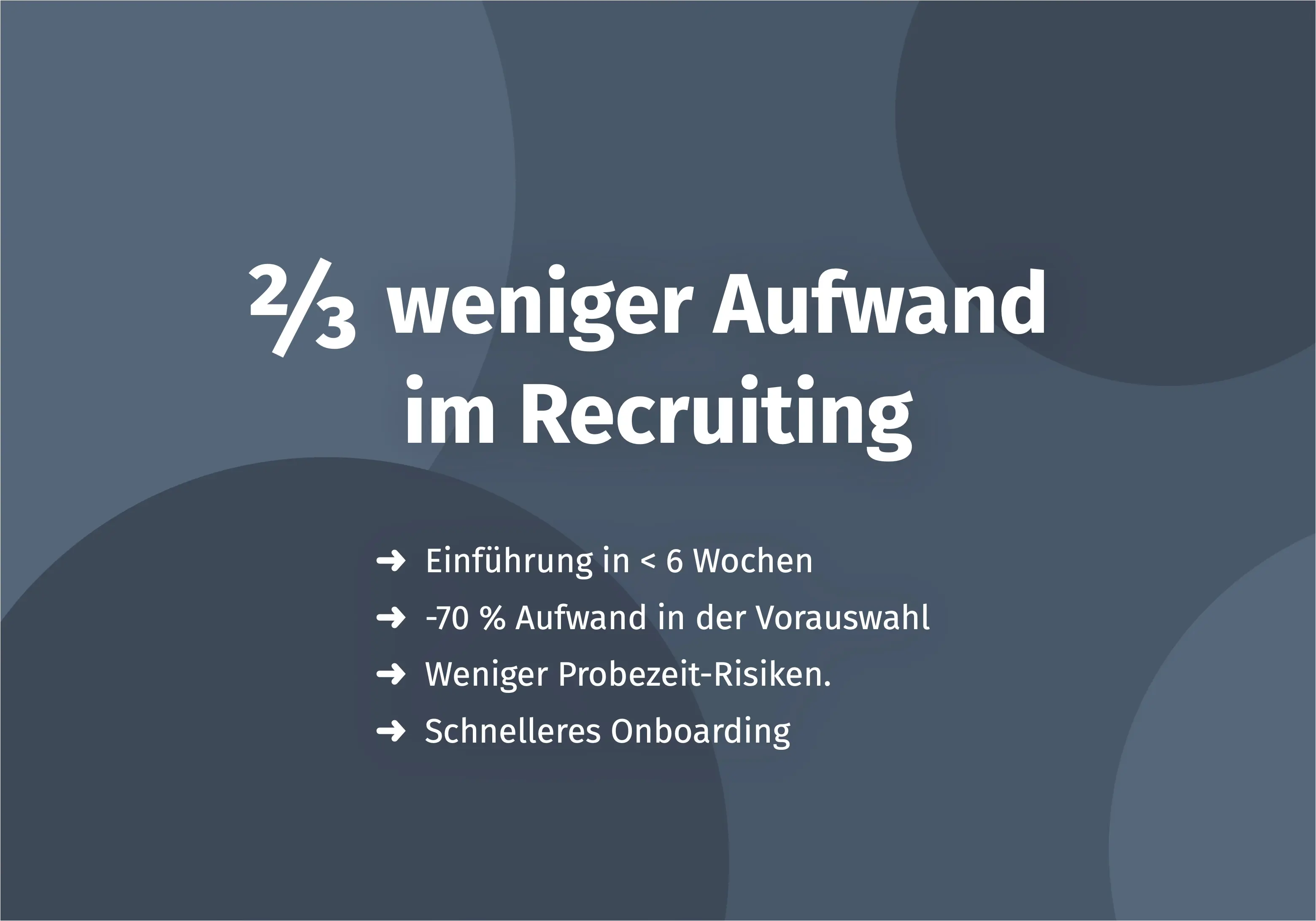
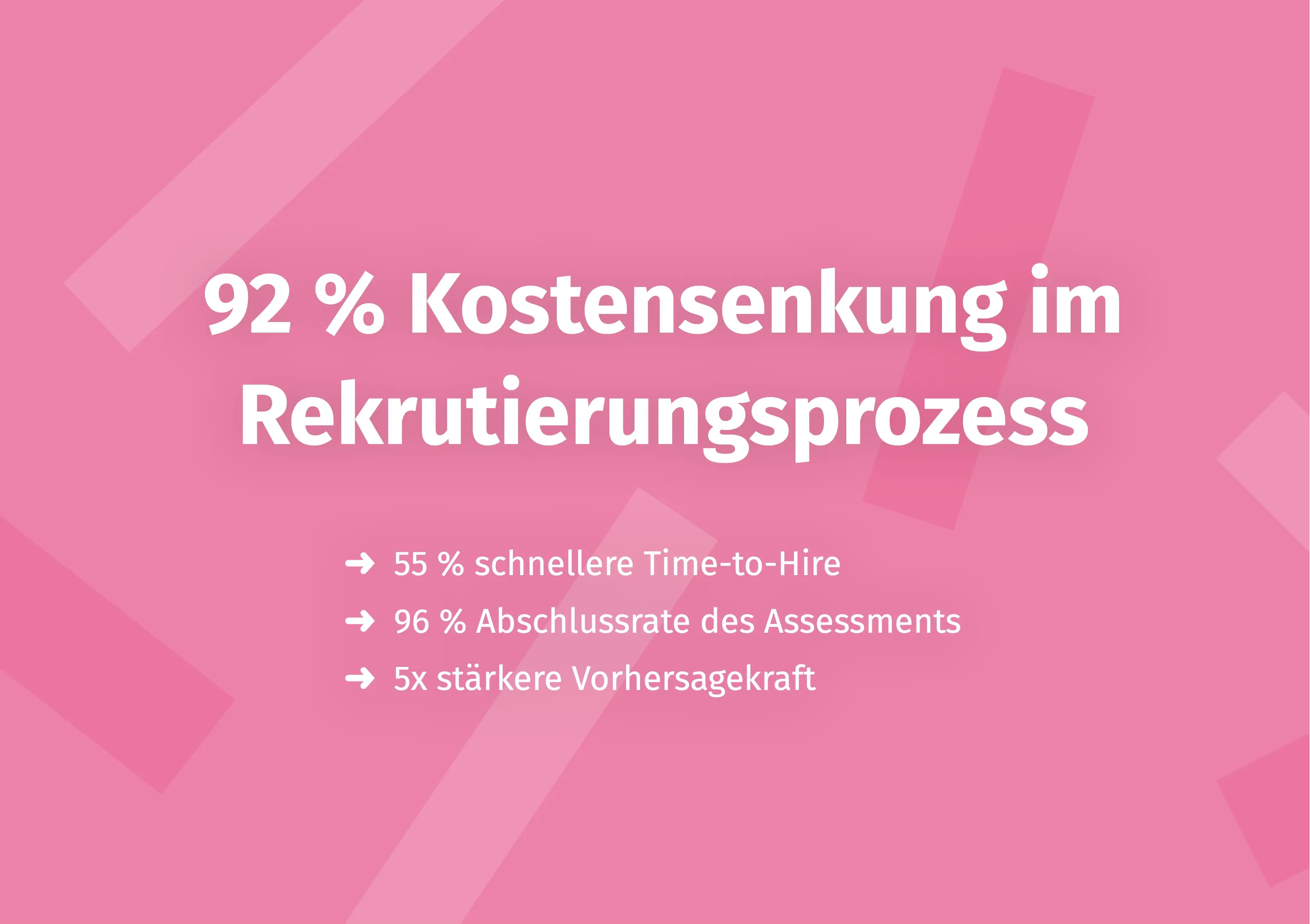
The digital platform Aivy uses scientifically validated game-based assessments to make the strengths, cognitive abilities, and personality traits of candidates visible – before any hiring decision is made. Organisations that hire objectively and with a focus on fit from the outset reduce the risk of performance issues and, with it, the need for time-intensive PIPs.
Learn how the digital platform Aivy helps find the right employees from the start: aivy.app
Frequently Asked Questions About Performance Improvement Plans
What is a Performance Improvement Plan (PIP)?
A Performance Improvement Plan (PIP) is a structured HR document used when persistent performance deficits arise. It describes the current state of the problem, defines SMART goals for a set period, identifies support measures, and establishes review dates. At the same time, the PIP serves as legally sound documentation in the event of a later dismissal.
When should I use a PIP?
A PIP is appropriate when informal conversations and feedback have not produced lasting change and the performance deficit is measurable, sustained, and not attributable to external circumstances. For isolated errors or temporary personal problems, other instruments (e.g. coaching, task adjustments, workplace reintegration programmes) are preferable.
What is the difference between a PIP and a formal written warning?
A formal written warning (Abmahnung) is a legal instrument that reprimands specific misconduct and, if repeated, prepares the ground for dismissal. A PIP, by contrast, is a development document with agreed goals, support measures, and feedback loops. Both instruments can be used in parallel but are legally distinct.
How long does a Performance Improvement Plan last?
The typical duration is between 30 and 90 days, depending on the complexity of the performance deficit. Regular interim check-ins should take place within this period. An extension is possible if progress is visible but not yet sufficient.
What happens if PIP goals are not met?
If the agreed goals are not met despite support, further measures may follow: reassignment, revised responsibilities, or – as a last resort – a conduct- or person-related dismissal. A carefully documented PIP significantly strengthens the organisation's legal position in such cases.
What role does the works council play in a PIP?
The works council has no general right of co-determination when introducing a PIP. However, if a dismissal follows as a result of the PIP, the works council must be consulted beforehand pursuant to §102 BetrVG. It is therefore advisable to inform the works council early and transparently about ongoing PIPs.
What must a Performance Improvement Plan contain?
A complete PIP includes: (1) a concrete description of the performance deficit, (2) SMART goals for the improvement period, (3) specific support measures from the organisation, (4) a clear timeline with milestones, and (5) signatures from both parties as acknowledgement.
How do I conduct the PIP conversation empathetically and constructively?
Key elements are: a calm, private setting; fact-based communication (critique the behaviour, not the person); co-creating goals rather than imposing them unilaterally; clearly communicating the support on offer; and agreeing on follow-up dates directly. A respectful tone significantly increases the employee's willingness to change.
Conclusion
A Performance Improvement Plan is more than a bureaucratic formality – when applied correctly, it is a fair, constructive instrument that protects both employees and organisations. It creates clarity around expectations, provides a structured basis for improvement, and documents the organisation's efforts in a legally sound manner. What matters most: SMART goals, an honest conversation at eye level, and continuous support throughout the process.
Those who want to reduce performance issues in the long term should start at the point of hiring: objective aptitude diagnostics ensure that candidates are not only a technical match, but also aligned in terms of strengths and working style – preventing many a PIP before it ever begins.
Sources
- Employment Protection Act (KSchG), §1 Social justification. Federal Ministry of Justice, Germany, 2024. https://www.gesetze-im-internet.de/kschg/
- Works Constitution Act (BetrVG), §102 Participation in dismissals. Federal Ministry of Justice, Germany, 2024. https://www.gesetze-im-internet.de/betrvg/__102.html
- Deutsche Gesellschaft für Personalführung (DGFP): Guide to Performance Management, 2023. https://www.dgfp.de
- Haufe Verlag: Practical Handbook on Employee Conversations, 2023. https://www.haufe.de

Make a better pre-selection — even before the first interview
In just a few minutes, Aivy shows you which candidates really fit the role. Beyond resumes based on strengths.