
An operational redundancy dismissal (Betriebsbedingte Kündigung) occurs when an employment relationship is terminated for business reasons – for example due to headcount reduction, restructuring, or the closure of a business. For it to be legally valid, there must be compelling operational requirements, continued employment must be impossible, and a proper social selection process must have been carried out. Errors in this process frequently lead to successful unfair dismissal claims.
What Is an Operational Redundancy Dismissal?
An operational redundancy dismissal is an employer-initiated termination that is not based on the conduct or personal circumstances of the employee, but on business decisions. Typical reasons include the elimination of positions through automation, a decline in orders, restructuring, relocation of business units, or a complete closure of the company.
It therefore differs fundamentally from a conduct-based dismissal (verhaltensbedingte Kündigung, e.g. following a breach of duty) and a person-based dismissal (personenbedingte Kündigung, e.g. due to permanent incapacity to work). In an operational redundancy dismissal, the affected employee bears no personal fault.
Legal Framework
KSchG §1 – When Does Employment Protection Apply?
The German Employment Protection Act (Kündigungsschutzgesetz, KSchG) applies to companies with more than 10 employees (full-time equivalents) and to employees who have been employed for more than 6 months. Within this scope of protection, a dismissal is only socially justified if it is caused by compelling operational requirements that preclude continued employment at the company (§1 para. 2 KSchG).
In small businesses below this threshold, only general protection against dismissal applies – the strict requirements regarding social selection and the duty to provide reasons do not apply there.
Compelling Operational Requirements – What Qualifies?
The following are recognised as compelling operational requirements:
- Decline in orders or a lasting drop in revenue
- Rationalisation measures and automation
- Restructuring of departments resulting in position eliminations
- Relocation of business units abroad
- Complete closure of the business
The underlying business decision itself – for example, the decision to dissolve a department – is subject to only limited judicial review. The labour court does not assess whether the decision was economically sensible, but whether the claimed requirements actually exist and whether they are of a lasting nature.
Requirements in Detail
1. Business Decision
The dismissal must be based on a concrete business decision that leads to the permanent elimination of the position. Temporary financial difficulties are not sufficient. The decision should be documented internally – for example through management meeting minutes, restructuring plans, or works council negotiations.
2. No Alternative Employment Available
Before issuing a dismissal, the employer must check whether the employee can be redeployed to another available and reasonable position within the company or group – potentially even under changed terms or following retraining. Only when this option is ruled out is the dismissal permissible. Skipping this step exposes employers to legal challenges.
3. Correct Social Selection (Sozialauswahl)
The social selection process is the most common source of error in operational redundancy dismissals. Under §1 para. 3 KSchG, when several comparable employees are candidates for dismissal, the employer must select the person who is least in need of social protection.
The four statutory criteria are:
- Length of service
- Age
- Maintenance obligations (e.g. children, dependants requiring care)
- Severe disability
Importantly, the social selection applies only within the comparison group – i.e. among employees who are comparable in terms of qualifications and duties and are therefore interchangeable in principle. An incorrect definition of the comparison group renders the dismissal legally vulnerable.
The Works Council and Operational Redundancy Dismissals
Where a works council (Betriebsrat) exists, consultation with it is mandatory under §102 of the Works Constitution Act (Betriebsverfassungsgesetz, BetrVG). A dismissal issued without proper consultation is void – regardless of whether the works council agrees or not.
The works council has one week to respond. It may object to the dismissal (§102 para. 3 BetrVG). An objection does not render the dismissal invalid, but it does give the employee the right to continued employment until a final court ruling in any unfair dismissal proceedings.
Special case – mass redundancies: Where a certain number of employees (depending on company size) are to be dismissed within 30 days, the mass redundancy notification obligation under §17 KSchG applies. This must be submitted to the competent Federal Employment Agency (Bundesagentur für Arbeit) before any dismissals are issued. Errors here can render all affected dismissals void.
Severance Pay: Entitlement and Calculation
There is generally no statutory entitlement to severance pay in the case of an operational redundancy dismissal. An exception exists under §1a KSchG: if the employee waives the right to bring an unfair dismissal claim, they are entitled to severance pay of 0.5 monthly salaries per year of service – provided the employer explicitly indicated this offer in the dismissal notice.
In practice, severance payments are often agreed as part of settlements before the labour court or through social compensation plans (Sozialpläne). Where a works council exists, it can, in the case of business changes under §112 BetrVG, compel the establishment of a social plan that includes severance provisions.
As a rule of thumb: 0.5 to 1.0 gross monthly salaries per year of service – the exact amount depends on the outcome of negotiations, litigation risk, and the company's financial position.
Step by Step: A Legally Secure Operational Redundancy Dismissal
1. Make and document the business decision - Record which measure (e.g. headcount reduction, dissolution of a department) has been decided and why the position is permanently eliminated.
2. Check for redeployment options - Review all available positions within the company or group where the affected employee could be placed – including under changed conditions.
3. Define the comparison group - Determine which employees are comparable in terms of qualifications and duties.
4. Carry out the social selection - Assess the individuals within the comparison group against the four statutory criteria. Document the scoring in a clear and traceable manner.
5. Consult the works council (§102 BetrVG) - Notify the works council in writing of the reason, timing, and social selection of the planned dismissal. Allow the response period to expire.
6. Check mass redundancy notification requirements (§17 KSchG) - If the thresholds for mass redundancies are reached, submit the notification to the Federal Employment Agency.
7. Issue the dismissal and observe notice periods - Hand over the dismissal notice in writing or deliver it via a courier. Observe the statutory notice periods under §622 BGB, which are graduated by length of service: from 4 weeks up to 7 months.
Common Mistakes and How to Avoid Them
Mistake 1: Incorrect definition of the comparison group - Employees are frequently compared who are not truly comparable – or, conversely, someone is excluded from the selection who should have been included.
Mistake 2: Works council not consulted, or consulted too late - Consultation must take place before the dismissal is issued. Informing the works council after the fact does not suffice.
Mistake 3: Insufficient documentation of the business decision - Without coherent documentation, the court may question the seriousness of the measure.
Mistake 4: Redeployment options not genuinely examined - Employers must actively investigate, not simply assert in general terms that no alternatives exist.
Mistake 5: Mass redundancy notification overlooked - Failure to meet the statutory deadlines can render all affected dismissals void.
Frequently Asked Questions on Operational Redundancy Dismissal
What are the requirements for an operational redundancy dismissal?
Three requirements must be met cumulatively: there must be compelling operational requirements (e.g. permanent elimination of a position due to restructuring), continued employment in another available position must be ruled out, and the social selection must have been carried out correctly in accordance with §1 para. 3 KSchG. In addition, where a works council exists, consultation with it under §102 BetrVG is mandatory.
What is the social selection process and how is it carried out?
The social selection (Sozialauswahl) is required by law when several comparable employees are candidates for dismissal. The person who is least in need of social protection must be selected for dismissal. The four relevant criteria are length of service, age, maintenance obligations, and severe disability. Errors in the social selection are the most common reason for successful unfair dismissal claims.
Is there an entitlement to severance pay in the case of an operational redundancy dismissal?
There is generally no statutory entitlement to severance pay. An exception exists under §1a KSchG, which provides for severance of 0.5 monthly salaries per year of service if the employer makes this offer in the dismissal notice and the employee waives the right to bring an unfair dismissal claim. Beyond this, severance entitlements frequently arise through settlements before the labour court or through social plans under §112 BetrVG.
What role does the works council play?
Before any dismissal, the works council must be consulted under §102 BetrVG – a dismissal without consultation is void. The works council may object, which does not prevent the dismissal but entitles the employee to continued employment until the court proceedings are concluded. In the case of mass redundancies, the additional consultation obligations under §17 KSchG also apply.
What is the difference between an operational redundancy dismissal and a mutual termination agreement?
An operational redundancy dismissal is a unilateral declaration by the employer; the employee may bring an unfair dismissal claim against it. A mutual termination agreement (Aufhebungsvertrag) is an arrangement agreed by both parties – more flexible regarding the termination date and severance amount, but carries the risk of a waiting period for unemployment benefits for the employee. Legal advice is recommended for both options.
What mistakes do employers commonly make?
The most common mistakes are: incorrect definition of the comparison group in the social selection process, missing or late consultation of the works council, insufficient documentation of the business decision, failure to genuinely examine redeployment options, and overlooking the mass redundancy notification requirement under §17 KSchG.
Does the Employment Protection Act apply to all companies?
No. The KSchG applies only to companies with more than 10 employees (calculated in full-time equivalents) and protects only employees with more than 6 months of service. In small businesses with up to 10 employees, only general dismissal protection applies – the obligation to carry out a social selection and the strict duty to provide reasons do not apply.
How long is the deadline for bringing an unfair dismissal claim?
The deadline for bringing a claim is exactly 3 weeks from receipt of the written dismissal notice (§4 KSchG). This deadline is strict – if it is missed, the dismissal is deemed valid from the outset, regardless of any legal defects. An exception exists only in narrow circumstances where a late admission of the claim is granted (§5 KSchG).
Conclusion
The operational redundancy dismissal is one of the most complex instruments in German employment law. Three requirements must be met without gaps: compelling operational requirements, no possibility of redeployment, and a correct social selection. Added to this are procedural obligations such as works council consultation and, where applicable, mass redundancy notification. Anyone who neglects one or more of these points risks an unfair dismissal claim and costly settlements.
For HR professionals, the key takeaway is this: thorough documentation from the very outset is the most important safeguard. For larger headcount reduction measures, seek legal advice at an early stage.
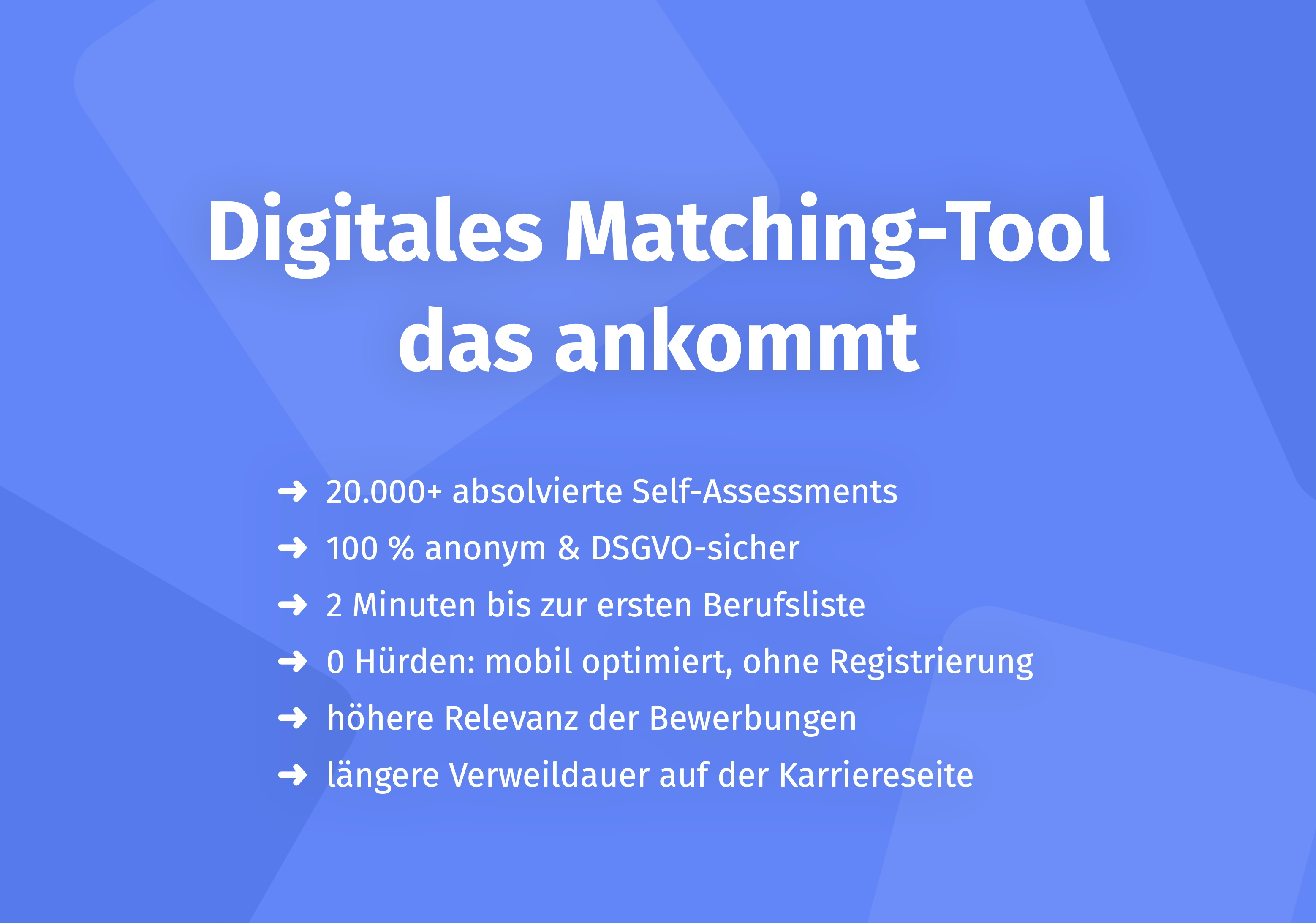
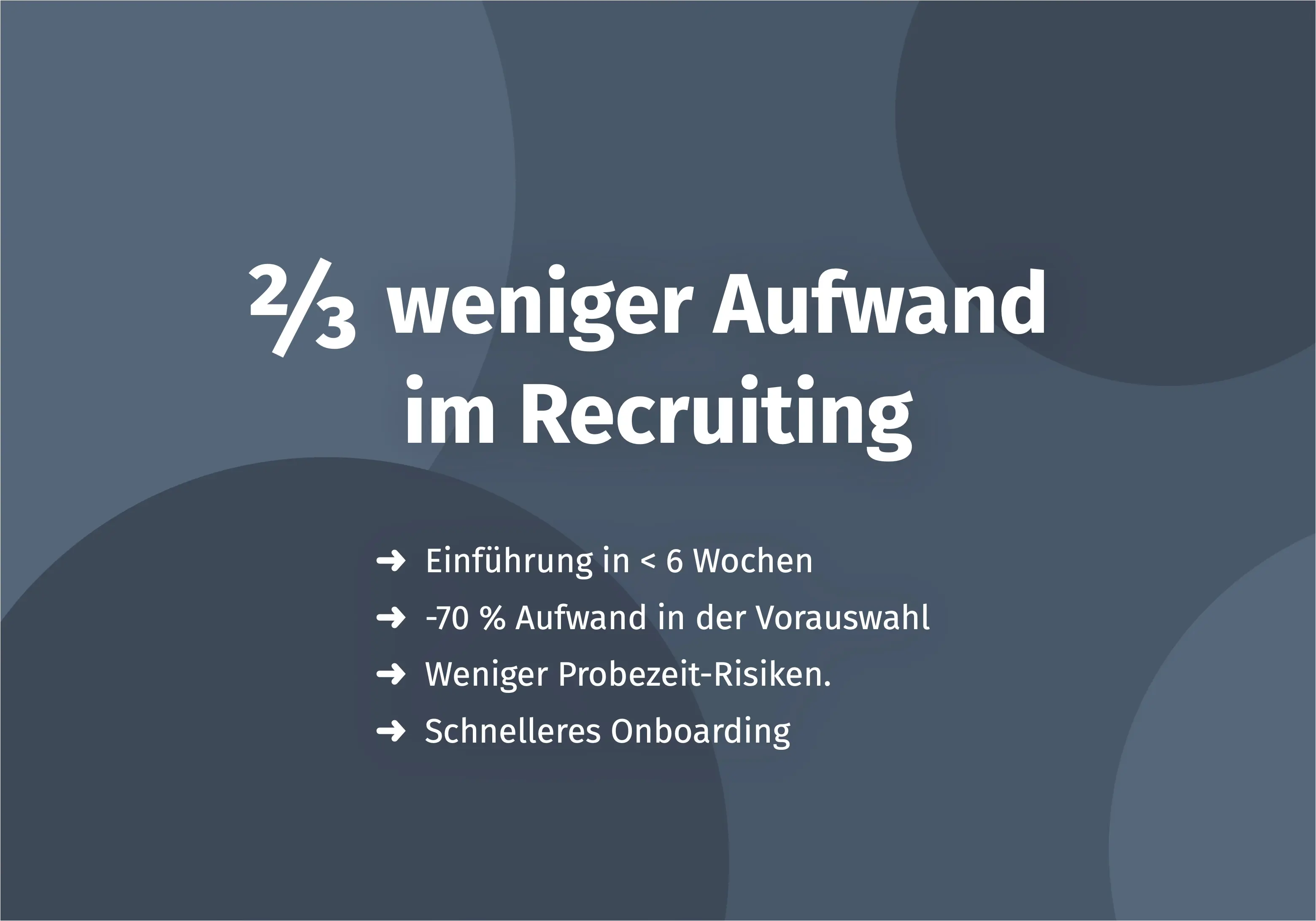
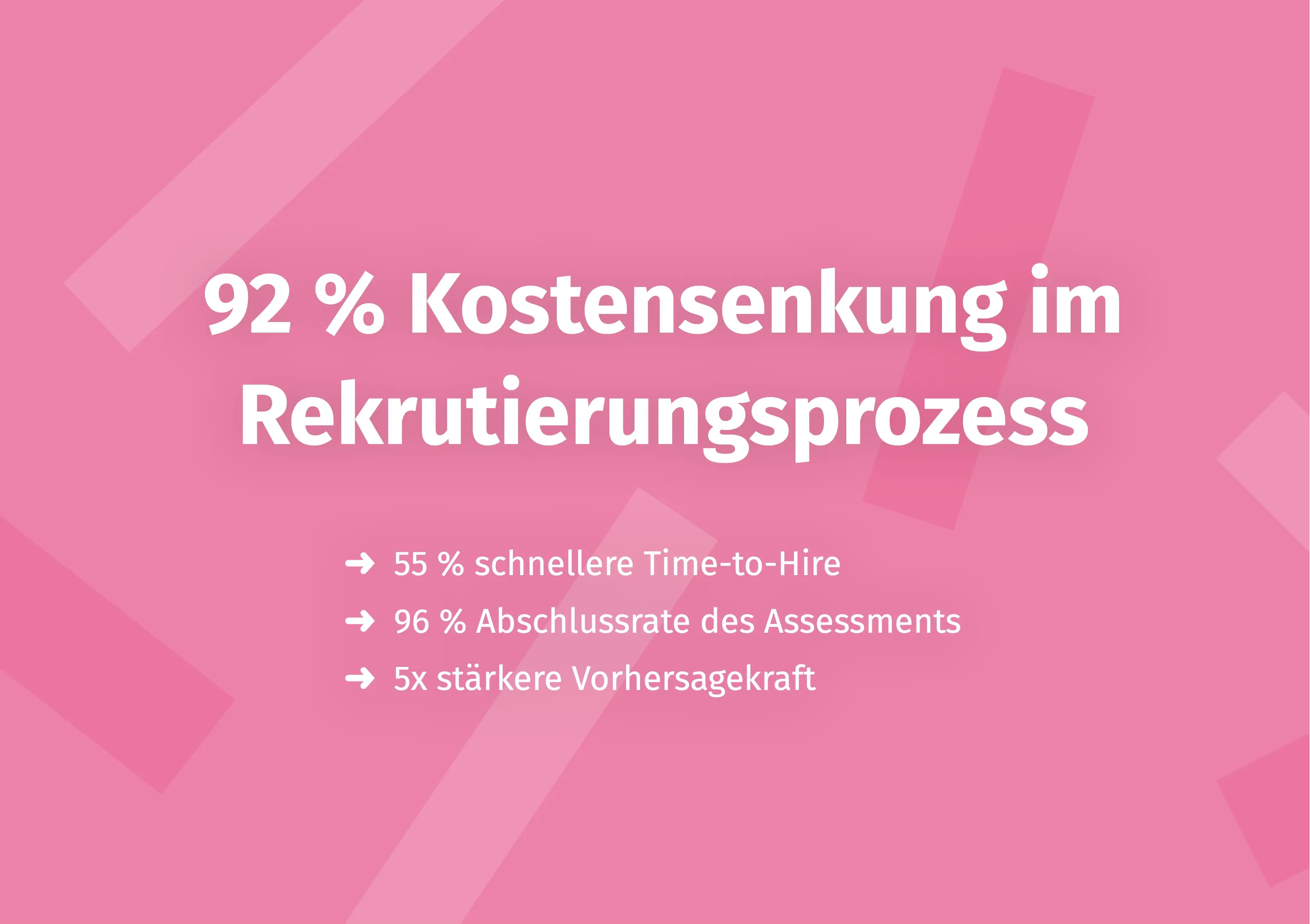
If new positions need to be filled following a redundancy programme, the digital platform Aivy supports a fair and objective hiring process with scientifically validated aptitude diagnostics tools – based on psychometric methods validated by Freie Universität Berlin. Learn more about objective talent diagnostics with Aivy
Sources
- Employment Protection Act (KSchG) §1 – Socially unjustified dismissals. Federal Ministry of Justice, 2024. https://www.gesetze-im-internet.de/kschg/__1.html
- KSchG §1a – Severance pay entitlement upon operational redundancy dismissal. Federal Ministry of Justice, 2024. https://www.gesetze-im-internet.de/kschg/__1a.html
- BetrVG §102 – Co-determination in dismissals. Federal Ministry of Justice, 2024. https://www.gesetze-im-internet.de/betrvg/__102.html
- BGB §622 – Notice periods in employment relationships. Federal Ministry of Justice, 2024. https://www.gesetze-im-internet.de/bgb/__622.html
- KSchG §17 – Notification obligation for mass redundancies. Federal Ministry of Justice, 2024. https://www.gesetze-im-internet.de/kschg/__17.html
- BMAS Guide to Employment Law (Ratgeber Arbeitsrecht). Federal Ministry of Labour and Social Affairs, 2024.ratgeber-arbeitsrecht.html
- Labour Court Statistics. Federal Statistical Office (Destatis), 2023. https://www.destatis.de/DE/Themen/Staat/Justiz-Rechtspflege/Publikationen/_publikationen-innen-arbeitsgerichte.html

Make a better pre-selection — even before the first interview
In just a few minutes, Aivy shows you which candidates really fit the role. Beyond resumes based on strengths.