
Workplace climate describes the emotional atmosphere and the quality of collaboration within a company or team. A positive workplace climate boosts productivity, employee retention and employer attractiveness – while a poor working environment leads to high turnover, absenteeism and disengagement. HR professionals can sustainably improve workplace climate through targeted leadership behaviour, an open feedback culture and structured measures.
What Is Workplace Climate? – Definition
Workplace climate refers to the subjectively perceived atmosphere at work. It describes how employees experience social relationships, collaboration, communication and leadership quality in their day-to-day work. Workplace climate is therefore a direct reflection of lived organisational culture – visible, measurable and immediately felt.
Workplace Climate vs. Organisational Culture: The Difference
The two terms are often confused, but they describe different levels of organisational life:
Organisational culture encompasses the deeply embedded values, norms and beliefs of a company – often implicit and developed over years. It changes slowly.
Workplace climate is the perceived, tangible atmosphere in everyday working life – measurable in the shorter term and more directly influenced. A poor workplace climate is often a symptom of a dysfunctional organisational culture, but can also arise from specific events such as poor leadership or restructuring.
Why Does a Good Workplace Climate Matter?
Impact on Productivity and Employee Retention
A positive workplace climate is not a nice-to-have – it is a measurable competitive advantage. According to the Gallup Engagement Index Germany 2023, only around 15% of German employees are actively engaged. The large majority either work to rule or have already mentally checked out. Companies with a strong workplace climate, by contrast, demonstrably achieve higher productivity, lower turnover and better employer branding results.
The benefits of a positive working environment include:
- Higher employee satisfaction and loyalty
- Lower rates of sickness absence and staff turnover
- Greater willingness to innovate and collaborate
- Better quality of applicants through a strong employer brand
What Does a Poor Workplace Climate Cost?
The costs of a poor workplace climate are significant – and underestimated in many organisations. According to Gallup, a lack of employee engagement costs the German economy around 132 billion euros annually in lost productivity. On top of this come direct costs from increased turnover: mis-hires, recruitment effort and onboarding time quickly add up to one and a half to three times the annual salary of each departing employee.
A poor workplace climate often does not show up immediately in the numbers, but creeps in gradually: rising sick-leave rates, declining application numbers and more frequent conflicts – until employees start sharing their experiences publicly on employer review platforms.
Recognising Signs of a Poor Workplace Climate
A toxic workplace climate can be identified through concrete warning signals. HR professionals should take these seriously at an early stage:
- High turnover: Employees leave the organisation at an above-average rate – often without transparent reasons
- Rising sickness absence: Psychological strain caused by a poor climate demonstrably leads to more absences (cf. BAUA, 2022)
- Quiet quitting: Employees do only the bare minimum and show no discretionary effort
- Rumours and blame-shifting: Where open communication is absent, informal channels emerge that further poison the atmosphere
- Low participation: Meetings are attended passively; ideas are not contributed
- Negative reviews: Poor ratings on employer platforms, particularly regarding leadership behaviour and communication
Quiet quitting is one of the most dangerous signals: those affected remain formally employed, but generate full payroll costs while delivering significantly reduced performance and having a damaging effect on team dynamics.
Measuring Workplace Climate – Methods and Tools
Employee Surveys and Pulse Surveys
Workplace climate can – and should – be measured deliberately. Two proven methods:
Annual employee survey: A comprehensive, anonymous survey covering satisfaction, leadership quality, communication and collaboration. It provides deep insights but requires careful analysis and follow-up measures – otherwise it loses credibility.
Pulse surveys: Short, regular surveys (e.g. monthly, 5–10 questions) that provide a rapid snapshot of the mood. Ideal for detecting trend changes early. The term "pulse" refers to the heartbeat of the organisation – continuous monitoring rather than a one-off snapshot.
Key Metrics: Turnover, Absence Rate, eNPS
Alongside surveys, quantitative metrics provide important indicators of workplace climate:
- Turnover rate: Shows how many employees have left the organisation in a given period. Use industry benchmarks for comparison.
- Sickness absence rate: Elevated absence levels can indicate psychological strain and a poor climate.
- eNPS (Employee Net Promoter Score): Measures how likely employees are to recommend the company as an employer. Scale runs from -100 to +100. A positive eNPS is a good sign.
- 360-degree feedback: Leaders are assessed not only from above, but also by colleagues and direct reports – an important lever for improving workplace climate.
10 Measures to Improve Workplace Climate
Leadership Behaviour as the Biggest Lever
Research consistently shows: leaders are the single strongest influence on workplace climate – for better or worse. Appreciative, clear and exemplary leadership creates trust and psychological safety. Toxic leadership – micromanagement, unfairness, lack of recognition – destroys the climate faster than any other variable. Investment in leadership development therefore pays off directly in terms of workplace atmosphere.
Establishing an Open Feedback Culture
A feedback culture means: feedback is not a one-way street from the top down. Regular employee appraisals, bidirectional feedback rounds and an atmosphere in which criticism can be voiced without fear strengthen trust within the team. Crucially, feedback must be met with action – those who give feedback but never see anything change will stop speaking up.
Fostering a Healthy Error Culture
A constructive error culture within the organisation is closely linked to a positive workplace climate. Teams in which mistakes are discussed openly and treated as learning opportunities develop greater willingness to innovate and stronger cohesion. Blame-shifting, by contrast, generates fear and silence.
Making Communication Transparent
Information deficits are fertile ground for rumours and mistrust. Transparent communication – even around difficult decisions – demonstrates respect and builds reliability. Regular team conversations, clear communication channels and a comprehensible decision-making culture all make a material contribution to the climate.
Involving Employees (Participation)
Those who are included in decisions feel a stronger sense of ownership over the outcome. Participation – in projects, process changes or decisions about working models – strengthens a sense of belonging and reduces the likelihood of quiet quitting.
Addressing Conflicts Early and Professionally
Unresolved conflicts permanently damage team climate. HR professionals should not ignore conflicts but moderate them at an early stage. Mediation, clear escalation paths and a leadership culture that treats conflict as normal and solvable are essential.
Showing Recognition and Appreciation
Recognition is one of the most effective – and most cost-efficient – levers for improving workplace climate. This means not only financial recognition, but explicit praise, visible acknowledgement of achievements and a culture in which good work is not taken for granted.
Promoting Health in the Workplace
Physical and psychological health are closely connected to workplace climate. Measures such as flexible working hours, remote working options, ergonomic workstations and stress prevention offerings send a clear signal: the organisation takes the health of its employees seriously. According to BAUA (2022), psychological strain is now one of the most common causes of incapacity for work in Germany.
Strengthening Team Cohesion
Shared activities, cross-functional collaboration and a culture of getting to know one another foster a sense of community. The goal is not forced team-building events, but regular opportunities to strengthen the connections between people.
Ensuring Cultural Fit Already at the Recruiting Stage
An often underestimated approach: a sustainably positive workplace climate begins before the first day of work. Hiring employees who do not fit the organisational culture risks friction down the line – regardless of individual competencies. Cultural fit – the alignment of a person's personality, values and working style with the team and organisation – can today be assessed objectively.
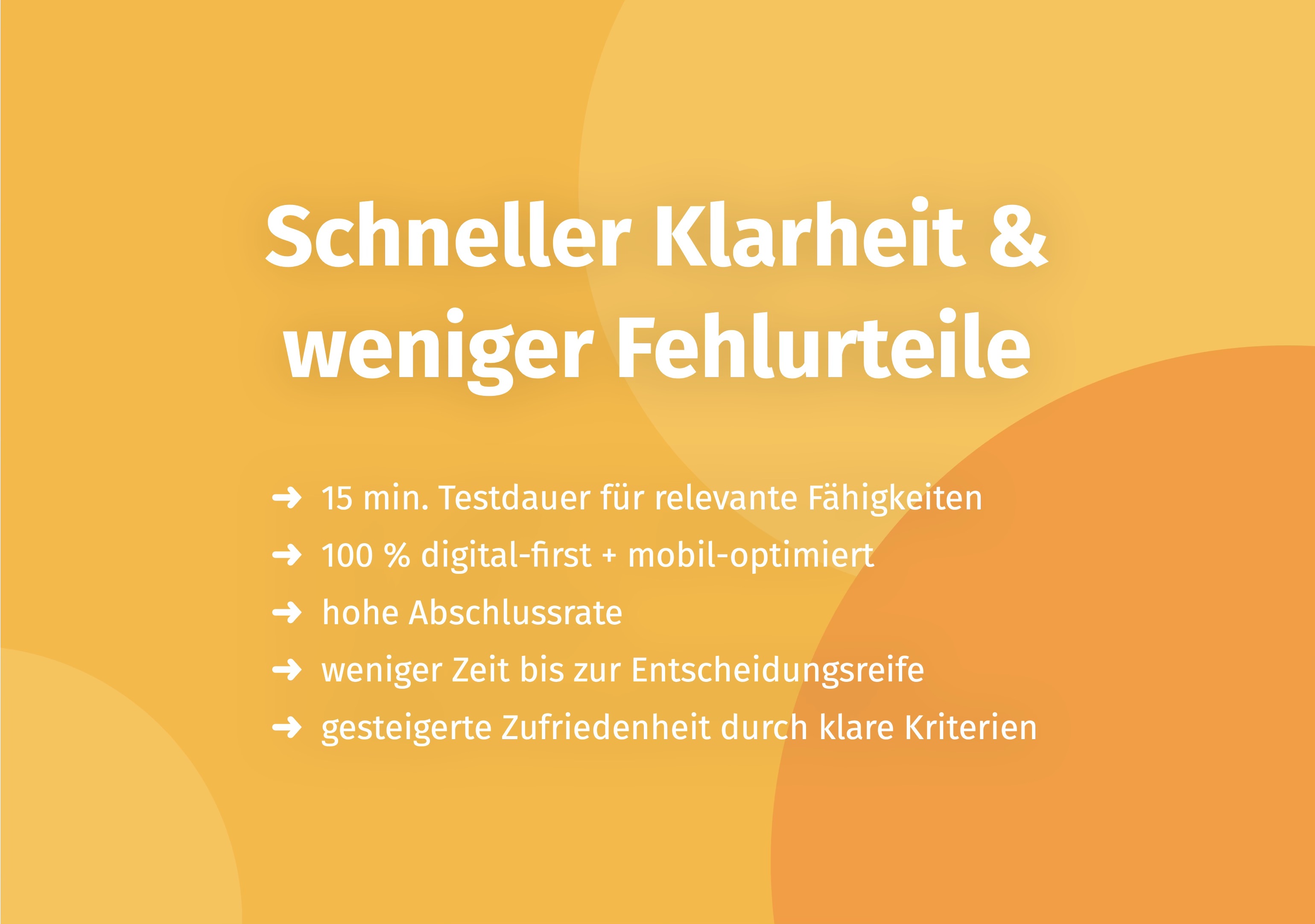
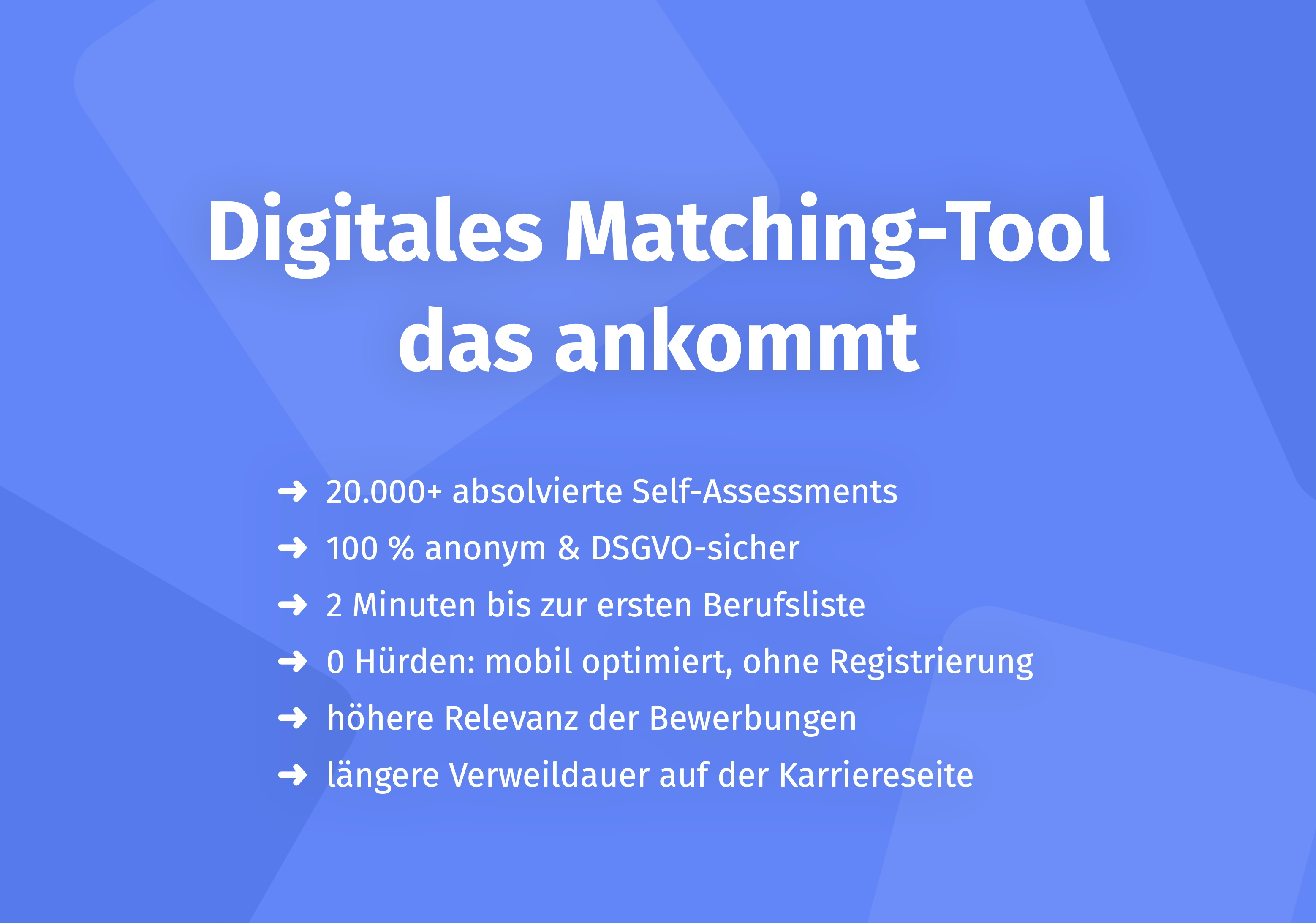
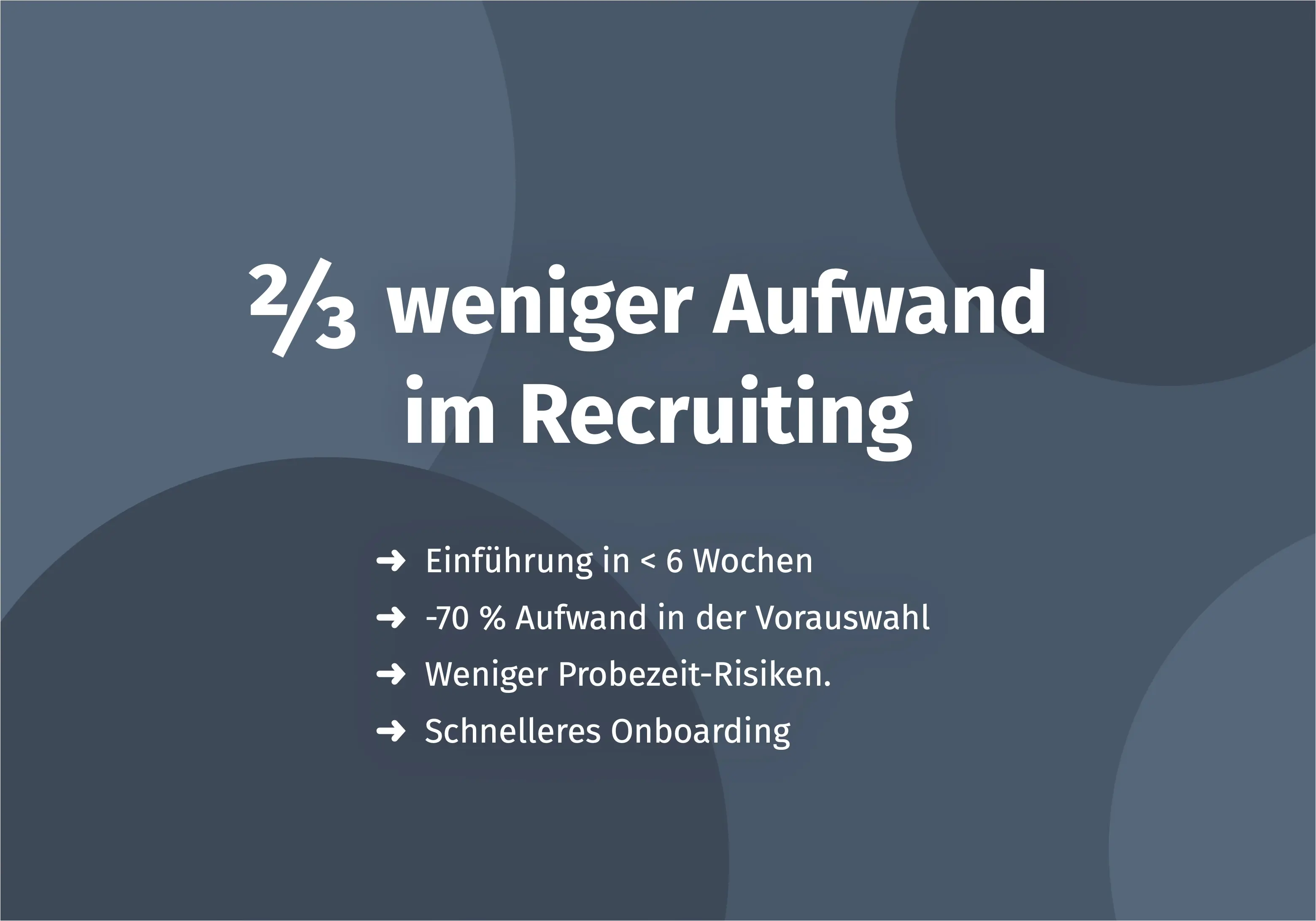
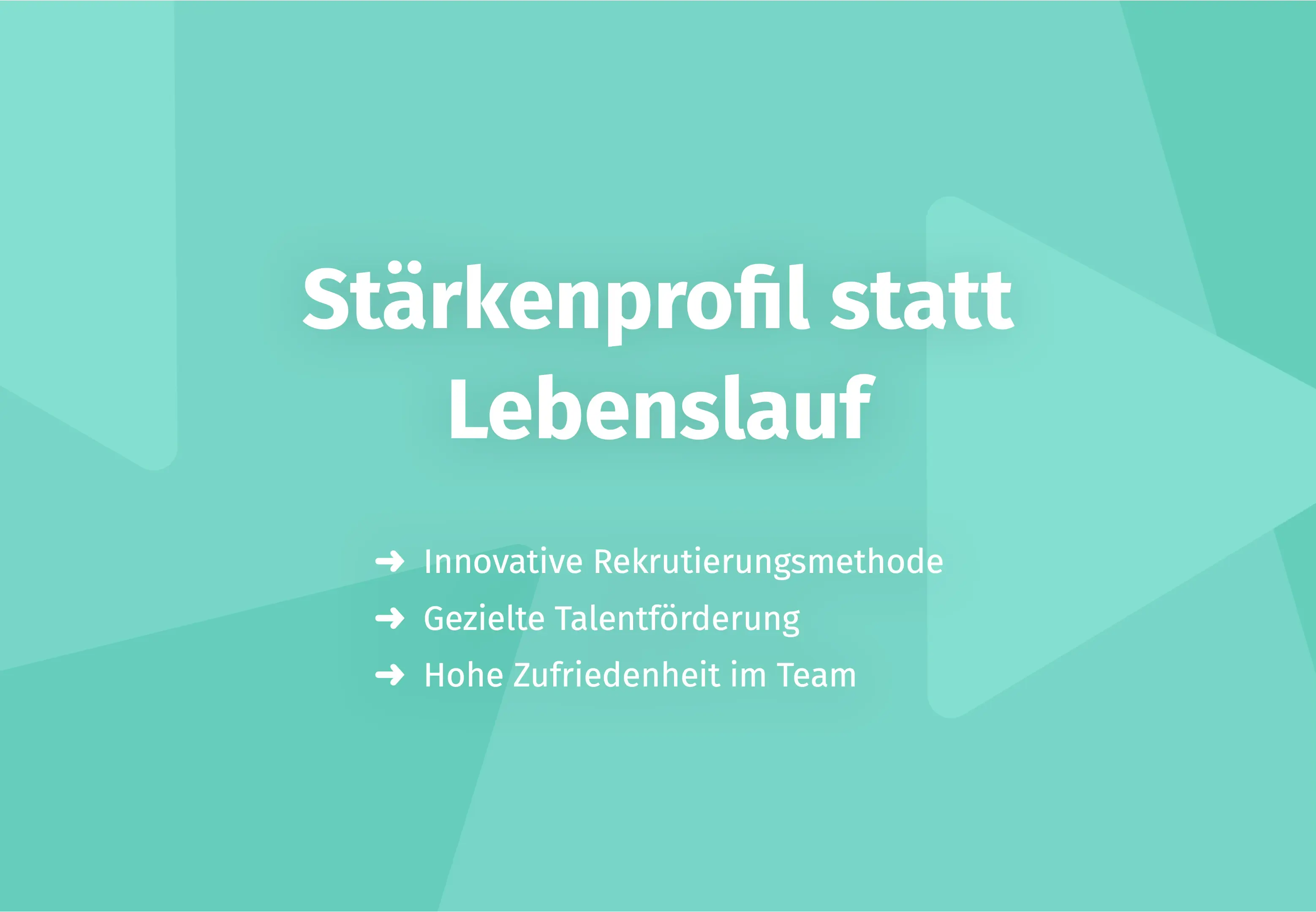
The digital platform Aivy makes it possible to measure candidates' personality traits and working styles during the application process, on a scientifically validated basis and free from unconscious bias. This means teams are assembled coherently from the outset, reducing conflict and stabilising the climate over the long term. Companies such as OMR report that objective aptitude diagnostics helped them to invite and hire candidates who would have been rejected on the basis of their CV alone – simultaneously strengthening team diversity and strengths-based leadership.
Learn more about objective aptitude diagnostics and cultural fit assessment with Aivy: aivy.app
Frequently Asked Questions About Workplace Climate
What is meant by workplace climate?
Workplace climate refers to the emotional atmosphere and the quality of social relationships at work. It is shaped by factors such as leadership behaviour, communication, recognition and fairness. Unlike organisational culture – which describes deeply embedded values and norms – workplace climate is the directly experienced, measurable atmosphere of everyday working life.
What are typical signs of a poor workplace climate?
The most common warning signals include: high turnover and sickness absence, low participation in meetings, frequent conflicts and blame-shifting, information deficits and increasing quiet quitting. According to the Gallup Engagement Index 2023, around 69% of German employees show no active emotional commitment to their employer – a structural climate problem with major economic consequences.
How can I measure workplace climate in my organisation?
Proven methods include anonymous employee surveys (annual or semi-annual), pulse surveys (short monthly check-ins), the eNPS (Employee Net Promoter Score) and quantitative metrics such as turnover rate and absence rate. 360-degree feedback provides additional valuable insights into leadership behaviour as a key driver of climate.
What does a poor workplace climate cost?
According to Gallup, inadequate employee engagement costs the German economy around 132 billion euros annually in lost productivity. Added to this are direct costs from elevated turnover (recruitment, onboarding, loss of knowledge) and indirect costs from reputational damage to employer branding.
Which measures are most effective for improving workplace climate?
The most impactful levers are: improving leadership quality (the single largest factor), establishing an open feedback culture, addressing conflicts early, involving employees in decisions and – as a preventive approach – assessing cultural fit already during the recruiting process.
What is the difference between workplace climate and organisational culture?
Organisational culture encompasses the deeply held values, norms and shared beliefs of a company – developed over the long term and difficult to change. Workplace climate is the daily, measurable atmosphere within the team – more directly and quickly influenced. A persistently poor workplace climate is often a symptom of a dysfunctional organisational culture.
How do you prevent a good workplace climate from deteriorating again?
Sustainable climate management requires continuity: regular measurement (eNPS, pulse surveys rather than one-off surveys), consistent leadership development, transparent tracking of measures and – particularly effective – ensuring cultural fit early in the recruiting process. Potential analyses help to identify not only professional but also personality-related strengths and leverage them within the team.
Conclusion
A good workplace climate is no accident – it is the result of targeted HR measures, clear leadership accountability and an organisational culture that actively lives trust, communication and appreciation. The most important levers are leadership quality, an open feedback culture and employee participation. Those who want to improve the working environment sustainably should also start at the point of hiring: assessing cultural fit during recruiting prevents future friction and lays the foundation for teams that collaborate effectively over the long term.
Would you like to assess cultural fit and personality traits objectively already during the application process? Find out more about scientifically founded aptitude diagnostics: landingpage.aivy.app
Sources
- Gallup Inc. (2023). Gallup Engagement Index Germany 2023. https://www.gallup.com/de/engagement-index-deutschland
- Federal Institute for Occupational Safety and Health – BAUA (2022). Mental Health in the Workplace – Scientific Review. https://www.baua.de/DE/Angebote/Publikationen/Berichte/F2353
- German Trade Union Confederation (2023). DGB Good Work Index – Annual Report 2023. https://index-gute-arbeit.dgb.de
- Schneider, B., Ehrhart, M. G., & Macey, W. H. (2013). Organizational Climate and Culture. Annual Review of Psychology, 64, 361–388. https://www.annualreviews.org/content/journals/10.1146/annurev-psych-113011-143809

Make a better pre-selection — even before the first interview
In just a few minutes, Aivy shows you which candidates really fit the role. Beyond resumes based on strengths.