
Human Resource Management (HRM) refers to the strategic and operational management of all personnel-related processes within an organisation – from workforce planning and recruiting to employee development and retention. The goal is to deploy the right people at the right time with the right skills to sustainably drive business success. Modern HRM does not view employees as a cost factor, but as a strategic resource – as human capital.
What is Human Resource Management?
Human Resource Management (HRM) encompasses all activities, strategies and processes related to attracting, developing, leading and retaining employees within an organisation. The term became established as an independent management discipline in the 1980s, distinguishing itself from traditional personnel administration.
While personnel administration primarily covers administrative tasks such as payroll and contract management, HRM takes on a strategic, shaping role. The focus is on actively supporting business objectives through targeted people measures – not merely managing processes.
A related concept is Human Capital Management (HCM): this approach explicitly treats employees as valuable capital worth investing in – through training, career development and an attractive working environment.
Goals of Human Resource Management
Supporting Business Objectives Through People Strategy
HRM is not an isolated function – it is directly linked to the corporate strategy. The central question is: what competencies and how many employees does the organisation need to achieve its goals? All HR activities follow from this: workforce planning, recruiting, development, compensation and organisational design.
According to the German Society for Human Resource Management (DGFP), the strategic integration of HR into corporate leadership is increasingly coming to the fore – HRM is evolving from a supporting service function into an active driver of organisational culture and competitiveness.
Attracting, Developing and Retaining Employees
HRM pursues three overarching goals in managing people:
- Attraction: Finding the right talent and inspiring them to join the organisation (recruiting, employer branding)
- Development: Building competencies and fostering potential (training, career planning)
- Retention: Keeping employees in the long term (compensation, corporate culture, work-life balance)
According to the Deloitte Human Capital Trends Report (2024), organisations that succeed across these three dimensions are significantly more resilient to market changes and the ongoing shortage of skilled workers.
The Key Areas of HRM
Workforce Planning and Recruitment
Workforce planning analyses which positions need to be filled in the short, medium and long term. On this basis, talent acquisition takes place: from posting job advertisements, through candidate selection, to onboarding.
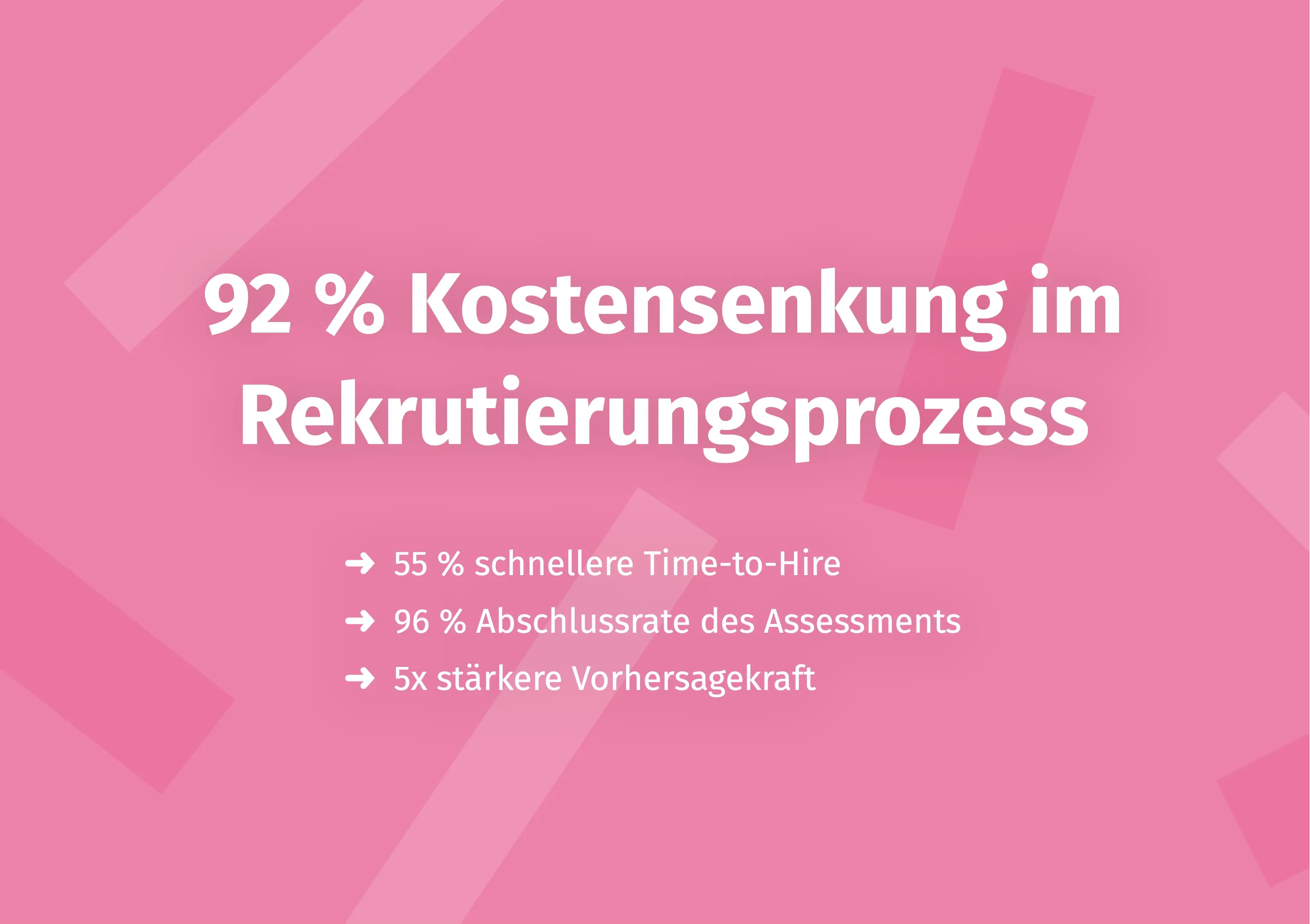
A critical aspect of talent acquisition is personnel selection diagnostics – the systematic, scientifically grounded assessment of whether a person is suited for a role. Traditional methods such as application documents and unstructured interviews have limited predictive validity and are susceptible to unconscious bias. Modern, validated selection procedures significantly improve decision quality: companies such as MCI Deutschland were able to reduce their time-to-hire by 55% through the use of digital aptitude diagnostics, while substantially increasing the predictive accuracy of their hiring decisions.
Learning and Development
Learning and development encompasses all measures that promote the professional and personal competencies of employees – from training courses and coaching to structured career pathways. It is closely linked to talent management: the strategic approach of identifying high-performing employees, fostering them intentionally and retaining them over the long term.
Compensation and Benefits
Compensation management (also referred to as Compensation & Benefits) shapes the total package of salary, variable bonuses, occupational pension schemes and additional perks. The goal is competitive, fair and motivating remuneration – both to attract new talent and to retain existing employees.
Employee Retention
Employee retention has become a distinct HRM discipline in its own right – particularly in light of the skilled labour shortage. Measures range from onboarding programmes and leadership development to corporate culture initiatives, flexible working models and targeted employee wellbeing.
HR Administration and Compliance
The administrative core of HRM covers payroll, contract management, time tracking and adherence to employment law requirements. While less strategic in nature, this area is indispensable – errors in compliance can have serious legal and financial consequences.
Strategic vs. Operational HRM
HRM can be structured across three levels:
Strategic HRM addresses long-term people strategies: where does the organisation want to be in five years – and what employees are needed to get there? This includes employer branding, talent management, succession planning and the development of a strong organisational culture.
Operational HRM translates strategy into day-to-day practice: posting job ads, conducting interviews, guiding onboarding, organising training, and resolving conflicts.
Administrative HRM covers all administrative tasks: payroll processing, personnel records, time management and statutory reporting. This area is increasingly being digitalised and automated.
The role of the HR Business Partner – a concept introduced by Dave Ulrich (1996) – bridges all three levels: HR Business Partners advise leadership strategically, support operational processes and act as a link between the HR function and the wider business.
HRM in the Digital Age
HR Software and Automation
Digital HR tools are transforming people management. HR Information Systems (HRIS) centralise personnel data, automate administrative processes and enable efficient reporting. According to a Bitkom study (2023), more than half of German companies already use HR software for process optimisation – and the trend is continuing upward.
Data-Driven Recruiting and Aptitude Diagnostics
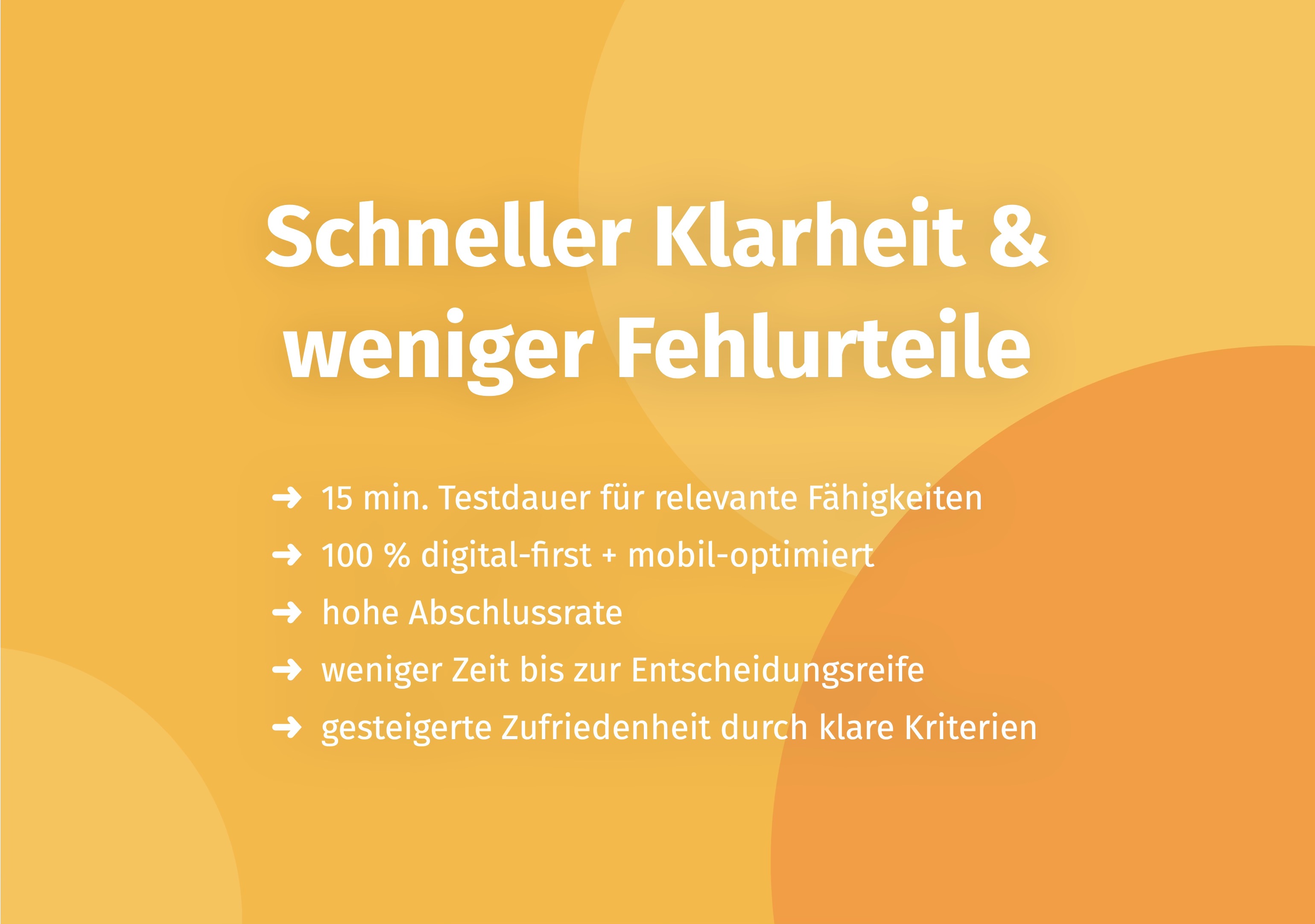
People Analytics refers to the data-driven analysis of HR data to make informed decisions – for example in candidate selection, predicting employee turnover or planning development initiatives. The digital platform Aivy complements established HR processes with scientifically validated, game-based assessments: they enable objective, bias-reduced evaluation of candidates and deliver valid predictive scores for job fit – directly integrable into existing workforce planning and ATS systems.
Frequently Asked Questions about Human Resource Management
What is Human Resource Management?
Human Resource Management (HRM) is the strategic and operational management of all personnel-related processes within an organisation. It encompasses workforce planning, recruiting, learning and development, compensation management, employee retention and HR administration. The goal is to have the right people in the right place at the right time with the right competencies.
What are the responsibilities of an HR department?
The HR department takes on both strategic and operational responsibilities: workforce planning and talent acquisition, learning and development, compensation and benefits management, employee retention measures, HR administration and compliance, as well as HR controlling and reporting.
What is the difference between strategic and operational HRM?
Strategic HRM focuses on long-term people strategies – such as employer branding, succession planning and organisational culture. Operational HRM puts this strategy into practice in day-to-day work: recruiting, onboarding, training. Administrative HRM handles management tasks such as payroll and contract administration.
What is Human Capital Management (HCM)?
Human Capital Management (HCM) is an approach that explicitly treats employees as valuable capital – not merely as a cost factor. The focus is on deliberately investing in the competencies, potential and satisfaction of the workforce. The term is often used synonymously with modern, strategic HRM.
What is an HR Business Partner?
An HR Business Partner is a strategic HR role that works closely with line managers and business units. Rather than handling only administrative tasks, the HR Business Partner provides consultation on people matters, supports change processes and translates corporate strategy into concrete HR measures. The model is based on the concept developed by Dave Ulrich (1996).
How do I digitalise HR processes?
The entry point to digital HRM is typically an HR software system (HRIS) for data management and process automation. Building on this, recruiting processes can be optimised through digital applicant tracking systems (ATS) and validated online assessments. People Analytics then enables data-driven decision-making in HR.
What competencies does an HR manager need?
HR managers require a broad competency profile: knowledge of employment law and compliance, strong communication and advisory skills, data literacy and digital competence, strategic thinking and a solid understanding of business context, as well as empathy and conflict resolution capability.
What is the difference between HRM and personnel administration?
Personnel administration primarily covers administrative tasks such as payroll, contract management and time tracking. HRM goes far beyond this: it actively shapes recruiting, development, retention and organisational culture – with the goal of realising business strategy through people.
Conclusion
Human Resource Management is far more than personnel administration: it is a strategic discipline that plays a decisive role in whether an organisation attracts, develops and retains the right talent. In an era of skilled labour shortages and increasing digitalisation, professional HRM is becoming ever more important.
The key to effective HRM lies in combining a clear people strategy, data-driven decision-making and a genuine understanding of the people within the organisation. Modern aptitude diagnostics play a central role here: they make the critical step of personnel selection more objective, fairer and more efficient.
Want to strengthen the recruiting component of your HRM with scientifically founded aptitude diagnostics? Find out more about objective recruiting with the Aivy platform.
Sources
- German Society for Human Resource Management (DGFP): Guidelines on Personnel Management. DGFP e.V., 2023. https://www.dgfp.de
- Armstrong, Michael: Armstrong's Handbook of Human Resource Management Practice. Kogan Page, 2020.
- Ulrich, Dave: Human Resource Champions. Harvard Business School Press, 1996.
- Deloitte: Global Human Capital Trends Report 2024. Deloitte Insights, 2024. https://www2.deloitte.com/de/de/pages/human-capital/articles/human-capital-trends.html
- Bitkom e.V.: Digitalisation of HR Processes. Bitkom, 2023. https://www.bitkom.org
- Aivy GmbH: Success Story MCI Deutschland GmbH. https://www.aivy.app/en/success-stories/mci-deutschland-gmbh

Make a better pre-selection — even before the first interview
In just a few minutes, Aivy shows you which candidates really fit the role. Beyond resumes based on strengths.