
HR tools are digital software solutions that support HR professionals with tasks such as recruiting, personnel administration, payroll and employee development. They range from simple applicant tracking systems (ATS) to comprehensive Human Capital Management platforms (HCM). Choosing the right tool depends on company size, budget, integration requirements and GDPR compliance.
What Are HR Tools?
HR tools (also referred to as HR software or HR systems) are digital applications that help HR departments make their processes more efficient, transparent and data-driven. They cover the full spectrum of people management – from job posting and candidate selection through to payroll and employee development.
The term is an umbrella concept: HR tools can be standalone solutions for a single process (e.g. applicant management only) or integrated platforms that bundle multiple HR functions. According to a study by the German digital association Bitkom, more than half of German companies now use at least one HR software solution – and the number continues to grow.
What matters most is that HR tools don't just reduce workload – they can also improve the quality of HR decisions, especially when built on valid data and scientifically grounded methods.
What Categories of HR Tools Exist?
The HR tech market is large and complex. A clear categorisation helps you find your way.
Core HR & HRIS: The Data Foundation
An HRIS (Human Resource Information System) is the digital backbone of any HR department. It stores and manages employee master data, absences, org charts and contract documents. Typical providers: Personio, HRworks, Sage HR.
An HRIS is not an analytics platform in itself – it provides the data foundation on which other HR tools build. Importantly: ensure the system is GDPR-compliant and that a Data Processing Agreement (DPA) is in place with the provider.
Recruiting & ATS: Finding and Selecting Candidates
An ATS (Applicant Tracking System) manages the entire application process – from job posting through receipt of applications to offers and rejections. It enables structured communication with candidates, multi-reviewer evaluations and compliance with statutory deadlines.
Well-known ATS providers include softgarden, Recruitee and Lever. An ATS alone does not make hiring decisions – it structures the process but says nothing about whether a candidate is truly the right fit for the role.
Talent Assessment: Creating Objective Decision Bases
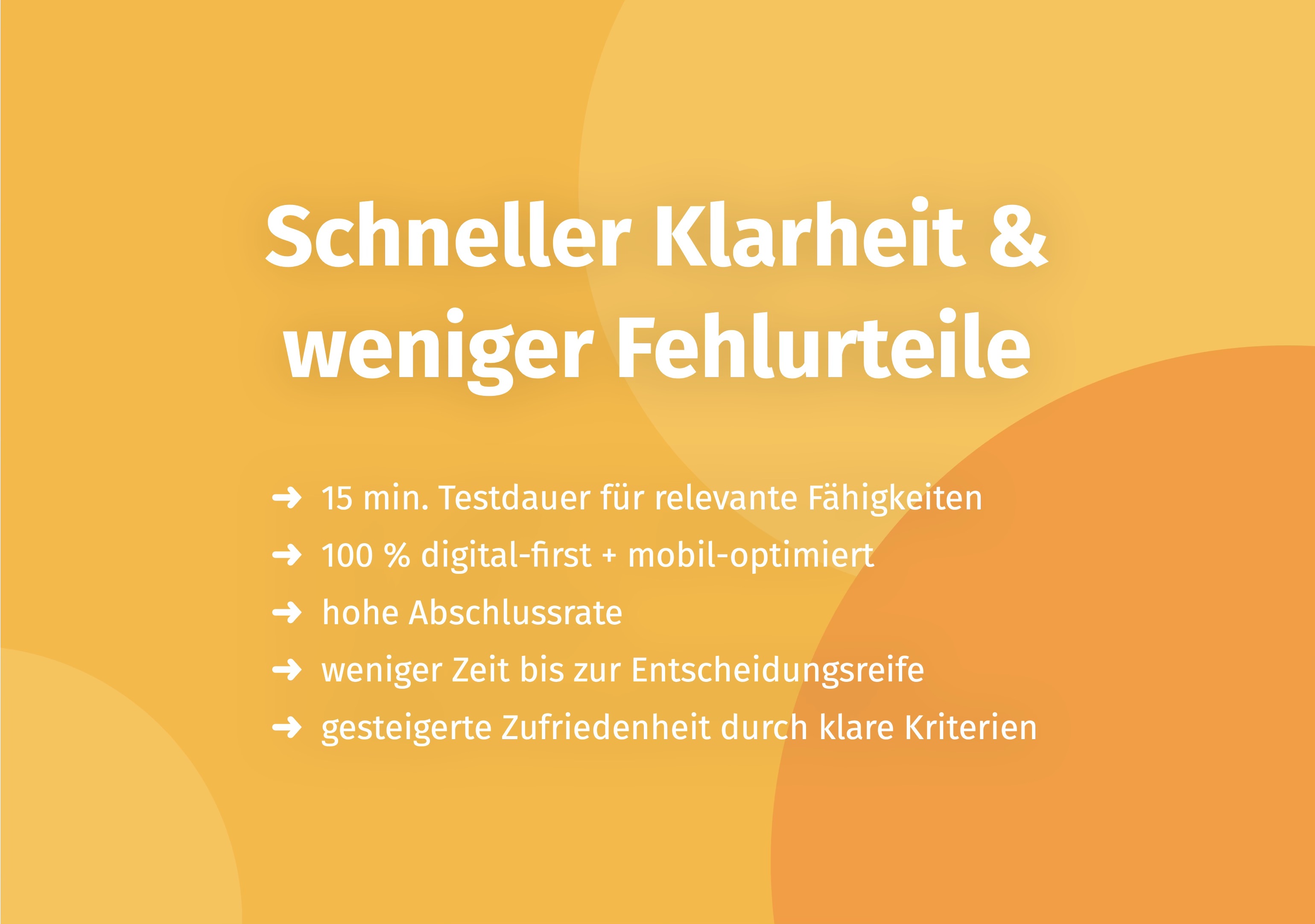
Talent assessment tools are a distinct category that remains comparatively underused in many markets. They complement the ATS with scientifically validated methods for evaluating competencies, personality traits and potential – going beyond CVs and job interviews.
Traditional approaches like CV screening or unstructured interviews are demonstrably prone to unconscious bias – unconscious distortions that lead to poor hiring decisions. Scientifically validated talent assessment can significantly reduce this risk.
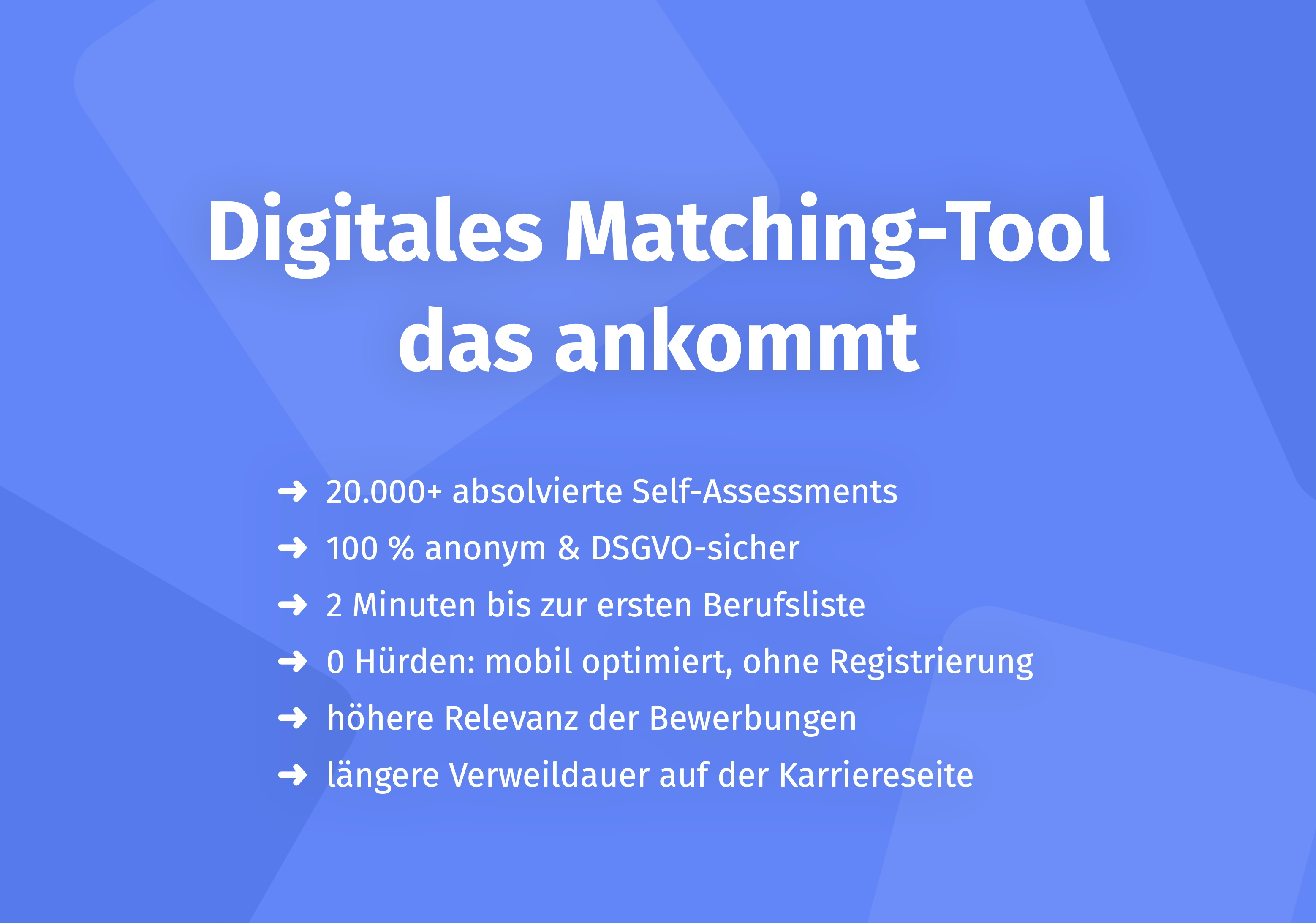
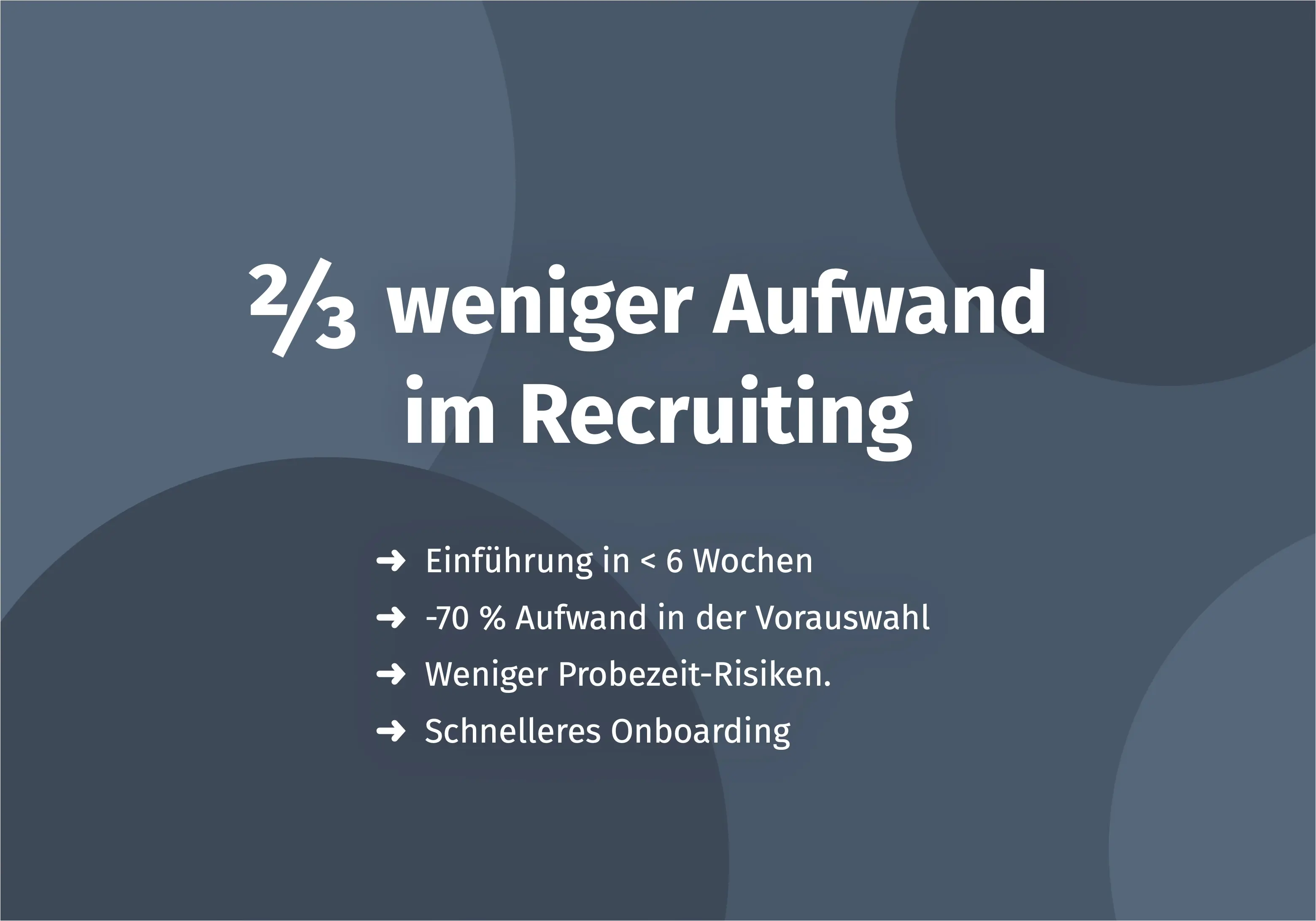
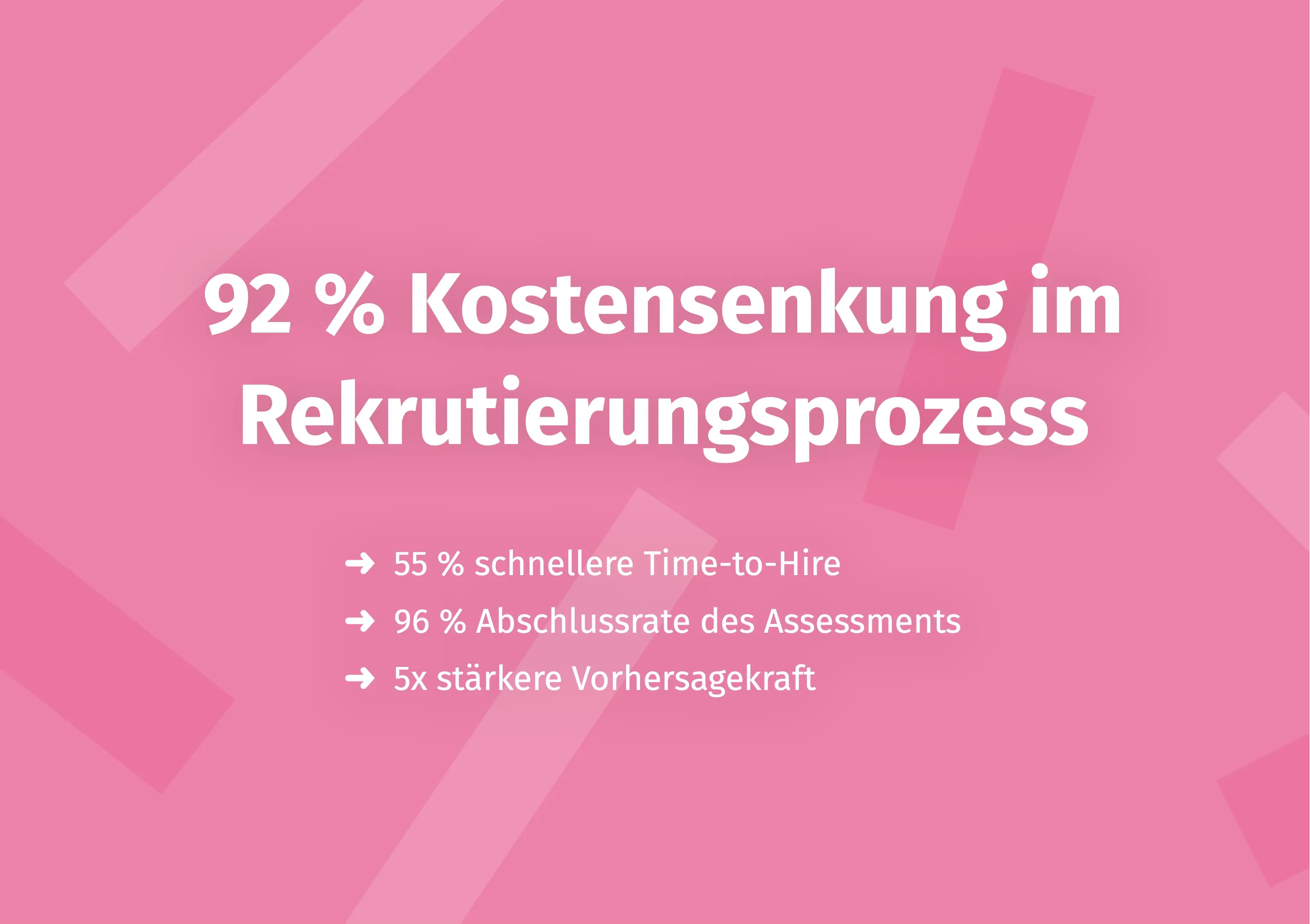
The digital platform Aivy – a spin-off from Freie Universität Berlin – offers game-based assessments and psychometric questionnaires in this category that measure competencies objectively and in full GDPR compliance. The results speak for themselves: MCI Deutschland reduced its time-to-hire by 55% and its cost-per-hire by 92% by digitising this step in the hiring process. Full details are available in the MCI success story.
Other providers in this category include Harver and HireVue (for video-based interviews with AI analysis – though these require particularly careful data protection review).
Payroll & Salary Processing
Payroll tools automate salary calculations, tax processing and reporting to social insurance bodies. In Germany, widely used solutions include DATEV, Lohnify and Agenda. These systems are heavily regulated and must be compatible with German tax and social security law.
Learning & Development: Growing Your People
L&D platforms (also known as LMS, or Learning Management Systems) enable the structured management of training programmes, e-learning courses and learning progress tracking. Well-known providers include Docebo, 360Learning and Moodle (open source). They are particularly relevant for organisations with high training volumes (e.g. compliance training, onboarding programmes).
People Analytics: Data as a Decision-Making Foundation
People Analytics tools systematically evaluate HR metrics: turnover, time-to-hire, engagement scores, absenteeism. They shift HR decisions from gut feeling to data-driven reasoning. Providers such as Visier or Crunchr offer comprehensive dashboards for larger organisations. For SMEs, simpler reporting within an existing HRIS is often sufficient.
How Do You Choose the Right HR Tool?
5 Criteria for Tool Selection
1. Company size and process maturity - A 20-person start-up doesn't need a fully integrated HCM system. Modular solutions or all-in-one tools like Personio are often the better fit for SMEs – they cover the key functions without unnecessary complexity.
2. Integration capability - Existing systems (e.g. ERP, ATS, payroll) must be compatible with any new tool. APIs are critical – missing integrations lead to duplicate data entry and errors.
3. GDPR compliance - Every HR tool that processes personal data must be GDPR-compliant. Key checks: EU server location, a signed DPA, and documented purposes for data processing. See the GDPR section below for more detail.
4. Total Cost of Ownership (TCO) - Licensing fees are only part of the picture – implementation, training, support and customisation all add up. A cheap solution can become expensive if it demands significant internal resources.
5. User acceptance and UX - Even the best tool is worthless if people don't use it. User experience, mobile usability and training effort are decisive factors for actual adoption rates.
HR Tools for SMEs vs. Enterprises
SMEs benefit from cloud-based all-in-one solutions with quick setup and manageable costs. Enterprises often require individually configurable platforms with complex approval workflows, multi-country capability and deep ERP integration (e.g. SAP SuccessFactors, Workday).
HR Tools and GDPR: What You Need to Know
Anyone using HR software inevitably processes personal data belonging to employees and applicants. This is governed by law.
In the EU context, Art. 88 GDPR allows member states to enact national rules for the employment context. In Germany, §26 BDSG (Federal Data Protection Act) implements this: it permits the processing of employee data where it is necessary for the performance of the employment relationship or where explicit consent has been given.
In practice, this means:
- Data may only be processed for specified, explicit purposes (purpose limitation)
- A Data Processing Agreement (DPA) with the software provider is mandatory
- Applicants must be informed about how their data is processed (privacy notice)
- Data from unsuccessful candidates must be deleted after an appropriate period (generally 6 months after rejection)
Works council and co-determination rights: Organisations introducing HR software that records employee behaviour or performance must involve the works council. Under §87(1)(6) BetrVG (German Works Constitution Act), the works council has co-determination rights when technical monitoring systems are introduced. This applies to many HR tools – from time-tracking systems to performance management software. Early involvement of the works council is strongly recommended.
Note for non-German markets: The legal references above are specific to German employment law. Organisations operating in other countries should verify applicable data protection and labour law requirements with local legal counsel.
Frequently Asked Questions About HR Tools
What are HR tools?
HR tools are digital software solutions for people management. They support HR professionals with tasks such as recruiting, personnel administration, payroll, employee development and HR analytics. They range from single-purpose tools for a specific process to integrated platforms that bundle multiple HR functions.
What is the difference between ATS, HRIS and HCM?
An ATS (Applicant Tracking System) manages the application process exclusively. An HRIS (Human Resource Information System) is the digital database for employee master data and administrative HR tasks. An HCM (Human Capital Management) system is the most comprehensive category: it combines HRIS, talent management, performance management and analytics in a single platform.
Which HR software is right for small and medium-sized businesses?
SMEs benefit most from cloud-based all-in-one solutions such as Personio or Factorial. They cover the most important HR processes, can be implemented quickly and come with manageable licensing costs. Modular systems offer the advantage of scaling with the business – you only activate the functions you need at first.
Do HR tools need to be GDPR-compliant?
Yes, without exception. Every HR tool that processes personal data belonging to employees or applicants must comply with GDPR requirements. A Data Processing Agreement (DPA) with the provider is mandatory. Server locations outside the EU require particular scrutiny.
Do I need works council approval to introduce HR software?
In many cases, yes (in Germany). Under §87(1)(6) BetrVG, the works council has co-determination rights when technical systems capable of monitoring employee behaviour or performance are introduced. This applies to many HR tools. Involving the works council early avoids conflicts and speeds up implementation.
How do I measure the ROI of my HR software?
Relevant metrics for ROI measurement include: change in time-to-hire, reduction in cost-per-hire, decrease in employee turnover, time saved on HR processes (e.g. hours per month on administrative tasks) and error rates in payroll. A before-and-after comparison over 6–12 months provides reliable results.
How much do HR tools cost?
Costs vary considerably depending on the scope of functionality, company size and provider. Basic ATS solutions start at around €100–300 per month for SMEs. Integrated HCM platforms for larger organisations can cost several thousand euros per month. Implementation and training costs add to this. Some providers offer free entry-level options (e.g. Factorial Starter). Pricing and features change regularly – contact providers directly for current information.
What are the risks of AI-powered HR tools?
AI-based HR tools – for example, those used for automated CV screening or candidate ranking – can reproduce bias from historical data, systematically disadvantaging certain groups of applicants. Additionally, AI decision-making systems are subject to specific GDPR requirements (Art. 22: the right to human review of automated decisions). Transparency about decision criteria and regular bias audits are essential.
Conclusion
HR tools are indispensable for modern HR departments – they save time, improve data quality and enable better-informed decisions. What matters most is choosing the right one: company size, integration capability, GDPR compliance and genuine user adoption should be at the centre of any selection process.
Organisations that want to not only digitise their hiring process but also improve the quality of their decisions should look closely at talent assessment tools – they close the gap between the ATS and the final hiring decision through scientifically grounded, objective competency evaluation.
Learn more about scientifically validated talent assessment with the Aivy platform: Book a demo and discover objective recruiting
Sources
- GDPR Art. 88 – Processing in the employment context. European Parliament, 2018. https://dsgvo-gesetz.de/art-88-dsgvo/
- BDSG §26 – Data processing for employment purposes. Federal Ministry of Justice (Germany), 2018. https://www.gesetze-im-internet.de/bdsg_2018/__26.html
- BetrVG §87 – Co-determination rights of the works council. Federal Ministry of Justice (Germany), 2022. https://www.gesetze-im-internet.de/betrvg/__87.html
- Bitkom e.V.: HR Tech and Digitalisation in HR Departments. 2024. https://www.bitkom.org
- Deutsche Gesellschaft für Personalführung (DGFP): Practical Paper on HR Digitalisation. 2023. https://www.dgfp.de/wissen/praxispapiere/
- OMR Reviews: Best HR Software Compared. 2024. https://omr.com/de/reviews/contenthub/hr-software
Make a better pre-selection — even before the first interview
In just a few minutes, Aivy shows you which candidates really fit the role. Beyond resumes based on strengths.