
HR software digitalises people processes – from applicant management and time tracking to payroll. Choosing the right solution depends on company size, functional requirements and data protection compliance. With a systematic needs analysis and clear selection criteria, you can find the right fit for your HR tech stack.
What Is HR Software?
HR software (also referred to as an HR system, personnel management software or people management software) is a digital solution that helps organisations automate, centralise and streamline their people processes. Rather than maintaining employee data in spreadsheets or managing applications by email, HR software consolidates all relevant functions in one system – accessible to HR teams, managers and employees alike.
The term is an umbrella for several distinct software types that differ in scope and focus. For HR professionals, understanding which type matches their needs is essential – not every organisation requires a full HR suite.
The Key Types: HRIS, HCM and ATS
HRIS (Human Resource Information System) is the foundation of any HR digitalisation effort. It manages master data, time tracking and payroll – the core operational processes. For most organisations, an HRIS is the logical starting point.
HCM (Human Capital Management) goes a step further: alongside the administrative functions of an HRIS, HCM covers strategic processes such as performance management, talent development, learning and succession planning. HCM systems are particularly relevant for mid-sized and large organisations that view HR as a strategic value driver.
ATS (Applicant Tracking System) is purpose-built for recruiting: managing incoming applications, posting job openings, communicating with candidates and coordinating the entire selection process. Many HR suites include an ATS as a module; organisations with high recruiting volumes often benefit from a dedicated standalone solution.
Which Modules Do You Actually Need?
Many vendors market their solution as an "all-in-one suite" – an appealing proposition, but one that often increases complexity and cost. A more useful approach is an honest audit of your current situation: Which processes consume the most time? Where do errors occur? Where is visibility lacking? These questions determine which modules will genuinely add value.
Why Does the Right Choice Matter So Much?
The Cost of the Wrong Decision
Implementing HR software is not a small investment. Beyond ongoing licence fees – typically between €5 and €20 per employee per month in a SaaS model – there are one-time costs for implementation, data migration and training. Choosing a system that doesn't fit the organisation means paying twice: once for the wrong tool, and again for the switch.
For budget planning, it is worth calculating the TCO (Total Cost of Ownership) – the full cost over several years, not just the list price. In addition to the licence, this includes support costs, integration effort and the internal time required for rollout and ongoing maintenance.
Long-Term Commitment to a Vendor
HR systems grow with the organisation. Employee data, workflows and integrations with payroll or ATS systems are built up over years – switching vendors is time-consuming and costly. For this reason, the selection process should never be rushed. Evaluate vendors carefully for stability, update policy and customer support quality before committing.
Criteria for HR Software Selection
Functional Scope and Scalability
Assess whether the software covers the processes you need today and over the next three to five years. Critically: can the system scale with your organisation? A tool that works well for 50 employees may hit its limits at 500. Ask vendors specifically for reference customers of comparable size.
Integration with Existing Systems
HR software rarely operates in isolation. It needs to work alongside payroll, ATS, time tracking and collaboration tools (e.g. Slack, Microsoft Teams). Evaluate the APIs and native integrations on offer. Strong integration capability saves significant manual effort over time and reduces errors caused by maintaining duplicate data across systems.
Data Protection Compliance (GDPR)
HR systems process sensitive personal data – salary information, sick notes, application documents. This places them firmly within the scope of the GDPR and, in Germany, the Federal Data Protection Act (BDSG). The following points are mandatory checks during evaluation:
Server location should ideally be within the EU or Germany. A Data Processing Agreement (DPA) must be concluded with the vendor, governing how personal data may be processed. Certifications such as ISO 27001 are a reliable indicator of data security standards.
Usability
Software that the HR team won't adopt is worthless. The same applies to employees who are expected to use self-service features such as leave requests or time tracking. Test the interface in a demo with real users from across the organisation – not just the HR team.
Costs and ROI
Beyond TCO, assess the potential return on investment: How many hours of manual work will automation eliminate? How quickly will roles be filled? How will error rates in payroll decrease? According to research by Bitkom e.V., organisations consistently report significant efficiency gains following the introduction of HR software, particularly in HR administration and recruiting.
Customer Support and Update Policy
Ask vendors directly: Is support available in your language? How quickly does the vendor respond to issues? How frequently are updates released – and are customers notified in advance? Particularly when legal requirements change (e.g. new time recording obligations), a responsive vendor is essential.
How to Select HR Software: A Step-by-Step Process
Step 1: Needs Analysis
Before looking at a single vendor, document your current processes and define clear requirements. Involve all relevant stakeholders: the HR team, IT department, leadership, works council (where applicable) and a selection of employees as future users. Distinguish between must-have criteria (without which a solution is a non-starter) and nice-to-have criteria (which add value but are not essential).
Step 2: Market Research and Shortlist
Using your requirements as a filter, build a longlist of potential vendors – software directories such as Capterra or G2 provide a useful starting point. Narrow this down to a shortlist of three to five vendors that meet your must-have criteria. For SMEs, established platforms such as Personio, HRworks or Sage HR are frequently a sound starting point; larger organisations may also consider international platforms such as Workday or SAP SuccessFactors.
Step 3: Demo and Pilot Phase
Request a live demo from each shortlisted vendor – and drive it with your own use cases, not theirs. Ask probing questions about limitations: Where does the system fall short? How is data migrated? What do integrations cost on top? Where possible, run a paid pilot with a small user group before committing to a full rollout.
Step 4: Decision and Rollout
The final decision should be based on a structured evaluation framework, not gut feeling after a convincing sales presentation. Involve IT, the works council and budget holders in the final decision. Plan the rollout in phases and allocate sufficient resources for training – adoption determines whether the project succeeds.
HR Tech Stack: Where Does Talent Assessment Fit In?
Most HR suites consolidate operational processes – time tracking, administration, payroll. What they typically do not provide is scientifically validated talent assessment for personnel selection. Standard ATS modules record which applications have been received; they do not assess which candidates are actually suitable.
Specialised talent assessment platforms fill this gap: they integrate via API into existing ATS systems and deliver objective, psychologically grounded evaluations of competencies, potential and cultural fit – independent of CVs or application documents. Internal recruitment benefits just as much as external hiring.
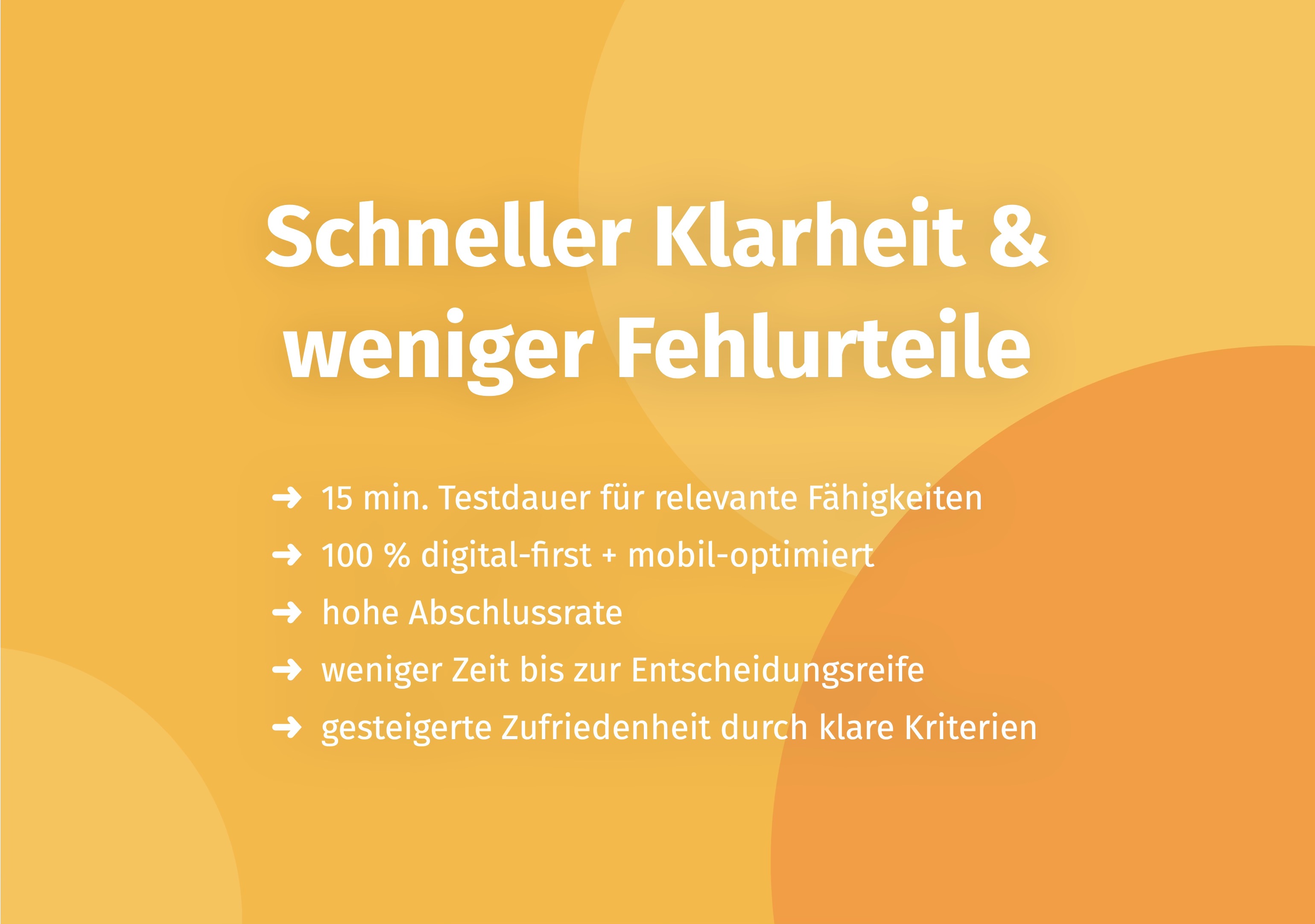
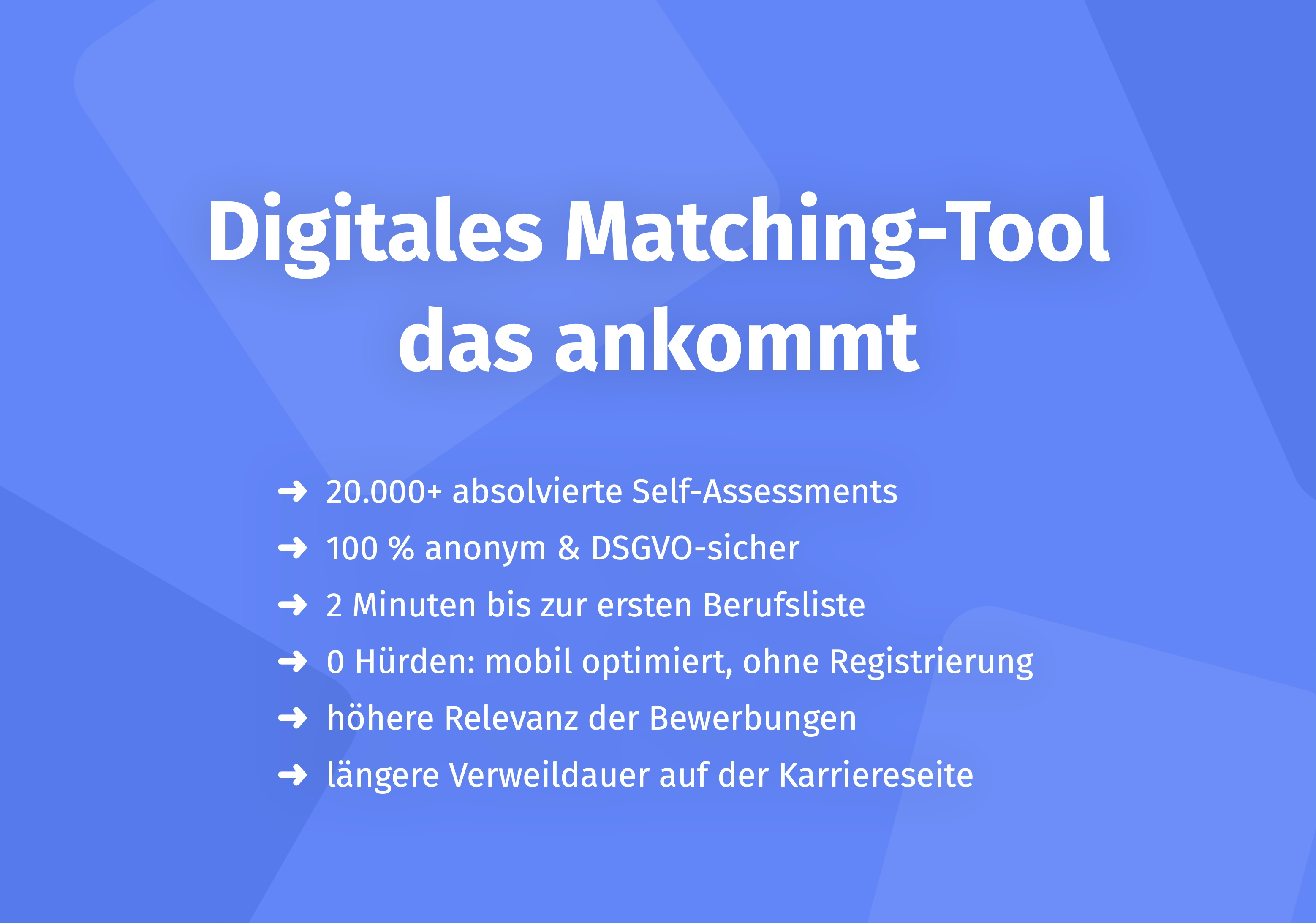
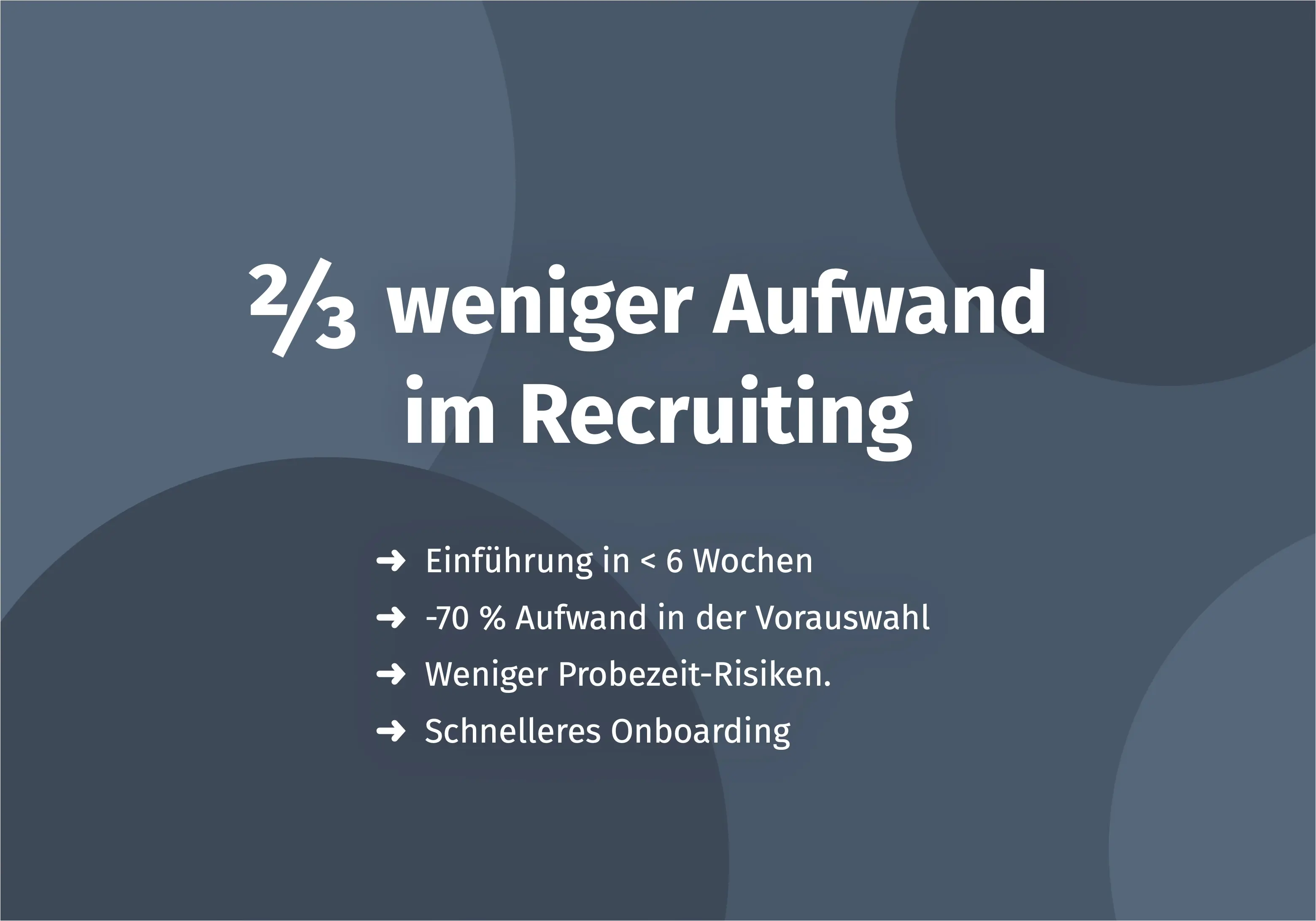
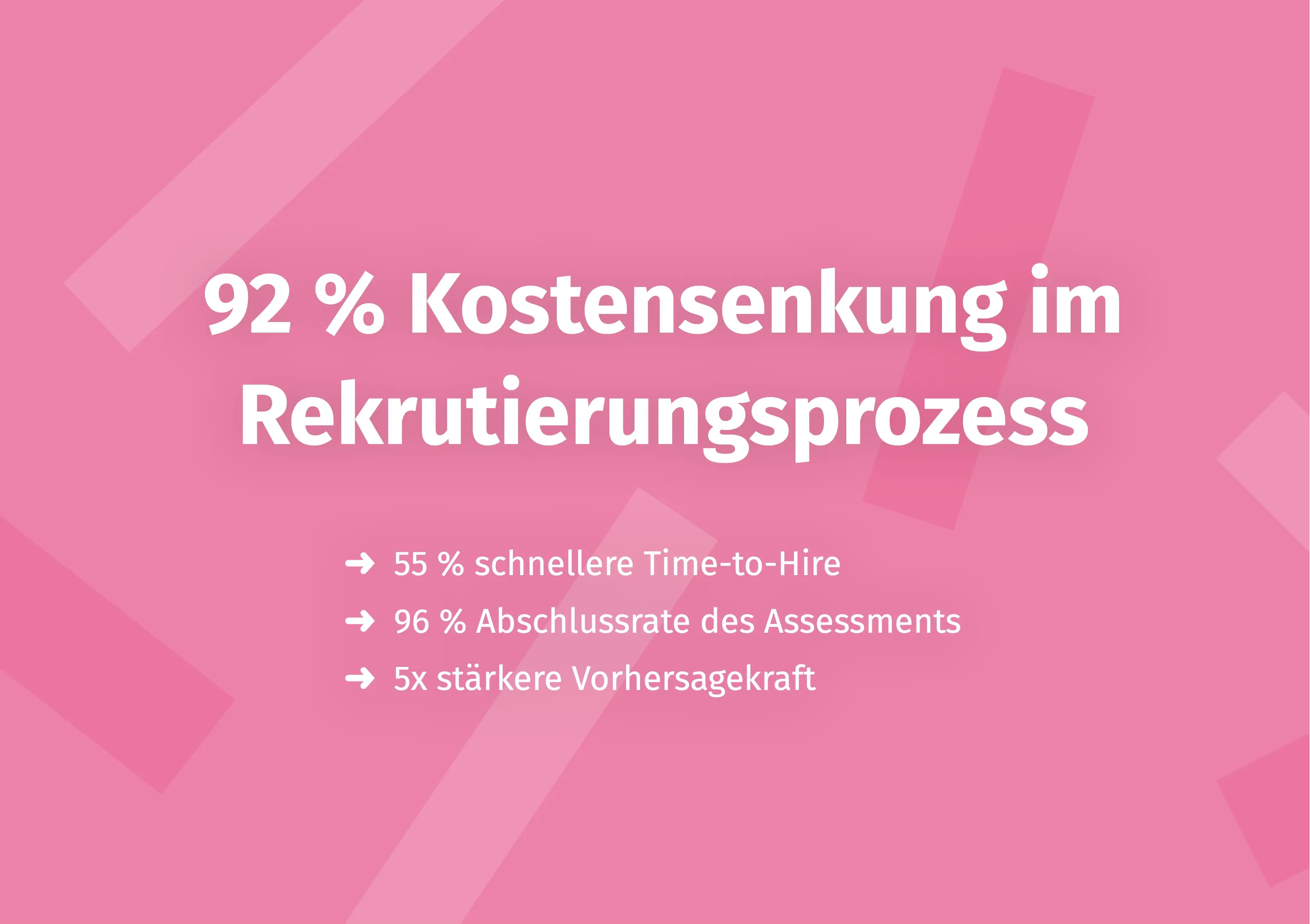
The digital platform Aivy, for example, extends ATS systems with game-based, scientifically validated assessments that integrate seamlessly into existing workflows. MCI Deutschland, by combining ATS with talent assessment, reduced time-to-hire by 55% and cost-per-hire by 92% – while improving overall process quality. Find out how scientific talent assessment can meaningfully complement your HR tech stack at landingpage.aivy.app.
Frequently Asked Questions About HR Software Selection
What is HR software and what can it do?
HR software digitalises people processes: applicant management, onboarding, time tracking, payroll and talent development. The term covers several types – HRIS for operational administration, HCM for strategic processes and ATS for recruiting. The goal is always the same: saving time, reducing errors and creating a stronger data foundation for HR decisions.
What is the best HR software for SMEs?
There is no universal ranking – the answer depends on company size, industry and functional requirements. For small and medium-sized organisations, all-in-one solutions such as Personio, HRworks or Sage HR are frequently a strong fit, combining broad functionality with manageable implementation effort. Scalability, ease of use and transparent pricing are the key differentiators.
What criteria should I use to evaluate HR software?
The key criteria are: functional scope (does the software cover your core processes?), integration capability (can it connect with existing tools?), data protection compliance (GDPR, DPA in place?), usability (will the team actually use it?), total cost of ownership (TCO over several years) and the quality of customer support. Supplement these with your specific must-have requirements from the stakeholder analysis.
How much does HR software cost?
Most vendors use a SaaS model with monthly licence fees of approximately €5 to €20 per employee, depending on functional scope and provider. One-time costs for implementation, data migration and training are additional. For realistic budget planning, it is advisable to calculate the TCO over three to five years, as the licence fee often represents only part of the true total cost.
What does an HR software implementation look like?
A structured implementation typically follows four phases: needs analysis (interview stakeholders, document processes, define must-have and nice-to-have criteria), market research and vendor selection (build a longlist, reduce to a shortlist, conduct demos), pilot phase (test with a small user group, gather feedback) and rollout and training (phased introduction, ensure adoption). After go-live, ongoing evaluation against pre-defined KPIs is essential.
Does HR software need to be GDPR-compliant?
Yes – HR systems process personal data relating to employees and applicants, placing them fully within the scope of the GDPR. For organisations in Germany, the Federal Data Protection Act (BDSG) applies in addition. For every vendor, check: Where are the servers located (ideally EU or Germany)? Is a Data Processing Agreement (DPA) available? What certifications (e.g. ISO 27001) can be demonstrated? Lack of GDPR compliance is an immediate disqualifier.
What is the difference between HRIS, HCM and ATS?
HRIS (Human Resource Information System) is the operational base: master data management, time tracking, payroll. HCM (Human Capital Management) extends the HRIS with strategic functions such as performance management, learning and succession planning. ATS (Applicant Tracking System) is focused on recruiting: managing applications, job posting, candidate communication. Many all-in-one suites integrate all three; whether that makes sense depends on your specific needs.
Do I need a separate solution for talent assessment?
In most cases, yes. The majority of HR suites do not include a scientifically validated talent assessment module. Specialised tools integrate via API into existing ATS systems and provide psychometrically grounded evaluations of competencies and cultural fit – independent of CVs. This reduces unconscious bias in recruiting and demonstrably improves the candidate experience.
Conclusion
Choosing the right HR software is a strategic decision with long-term consequences. A systematic approach – grounded in a thorough needs analysis, clear selection criteria and a structured pilot phase – minimises the risk of a poor investment and builds the foundation for efficient, scalable HR processes.
Keep the full HR tech stack in mind: an HR suite can handle operational processes, but it cannot address all aspects of objective personnel selection. Specialised talent assessment solutions that integrate seamlessly into existing systems complement the stack meaningfully – and make the difference between HR as administration and HR as a strategic function.
Sources
- Bitkom e.V. – Studies on HR Digitalisation in Germany. Bitkom, 2023. https://www.bitkom.org
- Federal Data Protection Act (BDSG) – Requirements for Processing Personal Data in the Employment Context. Federal Ministry of Justice, 2018. https://www.gesetze-im-internet.de/bdsg_2018/
- Deutsche Gesellschaft für Personalführung (DGFP) – Practical Papers on HR Digitalisation. DGFP, 2022. https://www.dgfp.de
- Capterra – HR Software Directory. Gartner, 2024. https://www.capterra.com.de/directory/30024/hr
- Personio HR Lexicon – HR Software. Personio GmbH, 2024. https://www.personio.de/hr-lexikon/hr-software/

Make a better pre-selection — even before the first interview
In just a few minutes, Aivy shows you which candidates really fit the role. Beyond resumes based on strengths.