
HR software for retail brings time tracking, shift planning, personnel management and recruiting together in a single digital solution – saving valuable hours in day-to-day HR work. The right software depends on your company size, core processes and budget. Leading providers for the retail sector include Personio, Kenjo, Atoss, Papershift and Factorial.
What Is HR Software for Retail?
HR software (also known as personnel management software or HCM system) is a digital platform that automates core HR processes and consolidates them in one system. In retail, it typically covers time tracking, shift planning, digital employee records, absence management, recruiting and onboarding.
The difference from generic HR solutions lies in the industry focus: retail-specific software accounts for shift systems with part-time and marginal-hour workers, seasonal demand peaks at Christmas or during summer holidays, multi-location structures in chain stores, and mobile time tracking for employees without a fixed desk.
There is also a regulatory dimension: since a landmark ruling by Germany's Federal Labour Court (BAG) in 2022, employers in Germany are required to systematically record their employees' working hours. The Working Hours Act (Arbeitszeitgesetz, ArbZG) provides the legal framework for this. HR software helps companies meet this obligation in a GDPR-compliant manner.
Why Retail Has Unique Requirements
Retail is one of the most labour-intensive industries in Germany. According to HDE (the German Retail Federation), more than 3 million people work in German retail – many of them part-time, as marginal-hour workers or in seasonal roles.
This creates structural challenges that are rarely encountered in other industries to the same degree:
High staff turnover is the norm in retail, not the exception. This means continuous recruiting, time-consuming onboarding and high costs per new hire. Compounding the issue, many positions – especially in sales – are filled by young people or career changers who often bring little prior professional experience.
Complex shift planning requires HR managers to simultaneously keep track of availability, absences, holiday requests and statutory rest periods – often across multiple locations. Research shows that poor shift planning directly leads to dissatisfaction and higher absence rates.
Skills shortages: Finding qualified personnel, particularly for sales staff and store manager roles, is becoming increasingly difficult. A 2024 IDC study commissioned by Workday found that HR teams in retail identify better data management of their workforce as their greatest strategic challenge.
The Most Important Features at a Glance
Not every HR software covers all functions. Before making a selection, it is worth defining your own priorities. The following features are particularly relevant for retail:
Time Tracking and Shift Planning
Time tracking in retail is not optional – it is a legal requirement. Modern HR systems allow employees to clock in and out via app, QR code or terminal, even without a fixed workstation. Good shift planning tools automatically factor in availability, prevent scheduling conflicts and significantly reduce manual planning effort.
Personnel Management and Digital Employee Records
A digital employee file consolidates all staff data – from master data and contracts to training certificates – in a centralised, location-independent format. In multi-site retail operations, this is a decisive advantage over paper-based filing systems.
Recruiting and Applicant Management
An ATS (Applicant Tracking System) is a digital system for managing all recruitment processes – from job postings and communication with applicants through to hiring decisions. In retail, where turnover is high, fast and well-organised applicant management is especially important. Research shows that the longer and more cumbersome the application process, the higher the drop-off rate – particularly among younger applicants.
Onboarding and Employee Training
Structured digital onboarding shortens the induction period and reduces what is known as early turnover – the departure of employees within the first weeks of employment. Good HR systems allow contracts to be sent digitally, signed electronically and training materials to be provided before the first working day.
Payroll and Payroll Integrations
In retail, with hourly wages, overtime supplements and variable working hours, an automated connection between time tracking and payroll is invaluable. Many HR systems offer direct integrations with payroll software such as DATEV or comparable solutions.
How to Choose the Right HR Software
Decision Matrix by Company Size
Requirements for HR software vary considerably depending on the size of the business:
Small retail business (1–20 employees): Simplicity is the priority here. You need an affordable, quick-to-implement solution with the core features of time tracking, absence management and digital employee records. Complex modules for HR analytics or performance management are often overkill. Recommended: Papershift, Kenjo, Factorial.
Mid-sized retailer (20–200 employees): As team size grows, so do complexity and needs. Recruiting, onboarding and reporting become more important. A solid interface with payroll accounting is essential. Recommended: Personio, HR WORKS, Kenjo.
Retail chain / large enterprise (200+ employees): Multi-location management, role-based access rights, API integrations and comprehensive HR analytics are decisive here. Enterprise solutions often offer global compliance and individual customisation. Recommended: Atoss, SAP SuccessFactors, Workday.
What to Watch Out for With Pricing and Licensing Models
Most providers charge per user per month. Bear in mind: the base price often covers only core functions – modules such as recruiting, shift planning or analytics cost extra. Always calculate the realistic total price for your specific requirements, not just the entry-level price. A free trial period (typically 14–30 days) allows you to evaluate the software in your actual working environment.
The Best HR Software Providers for Retail at a Glance
Note: Prices and features are based on publicly available information (as of February 2026). Changes by providers are possible.
Improving Recruiting in Retail
Time tracking and shift planning address operational problems – but they do not tackle the root cause of high turnover. One lever that is frequently underestimated in practice is the quality of the hiring decision itself. Selecting the right employees for a role from the outset – people whose strengths, values and working style genuinely fit the position and the team – structurally reduces early turnover.
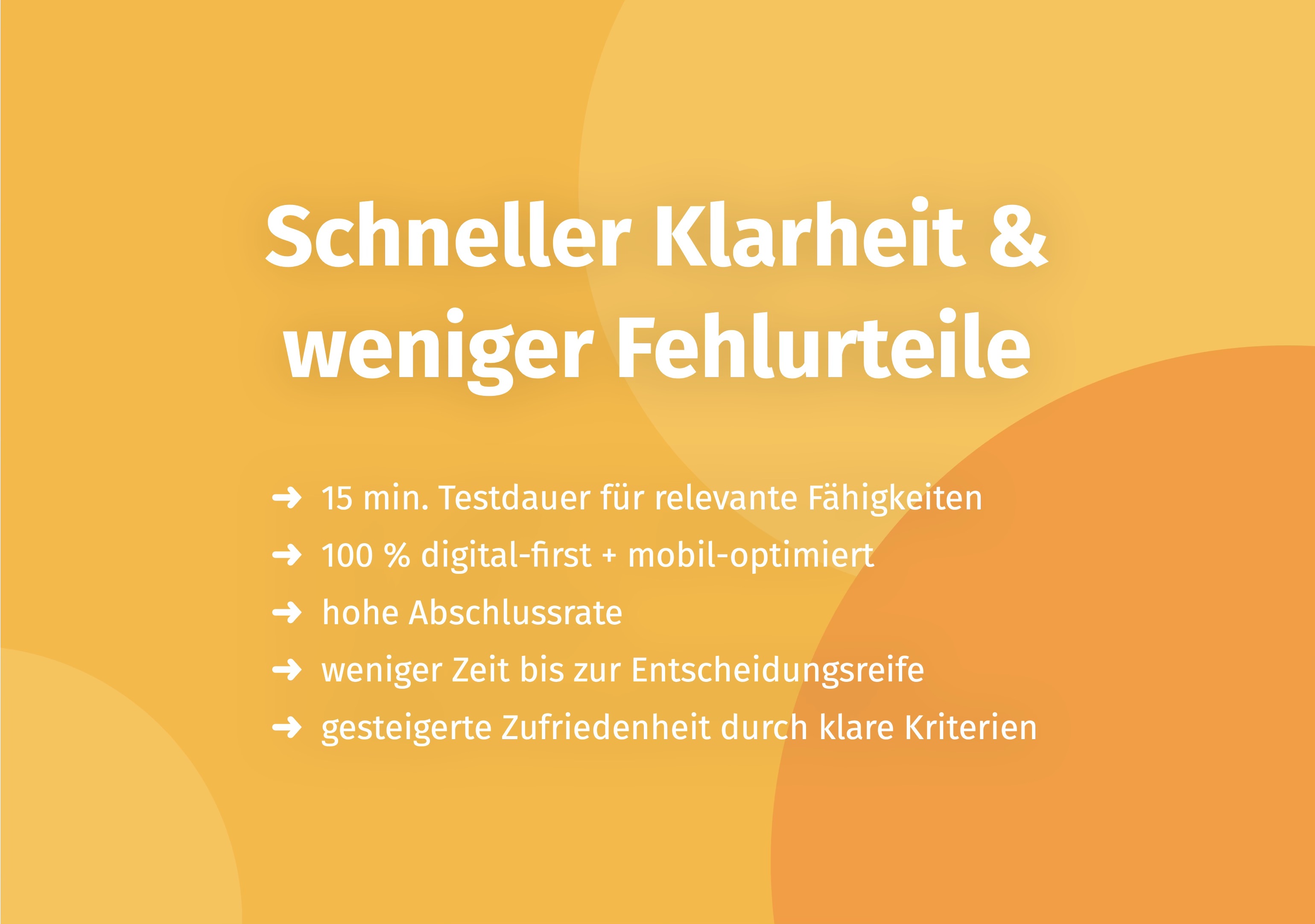
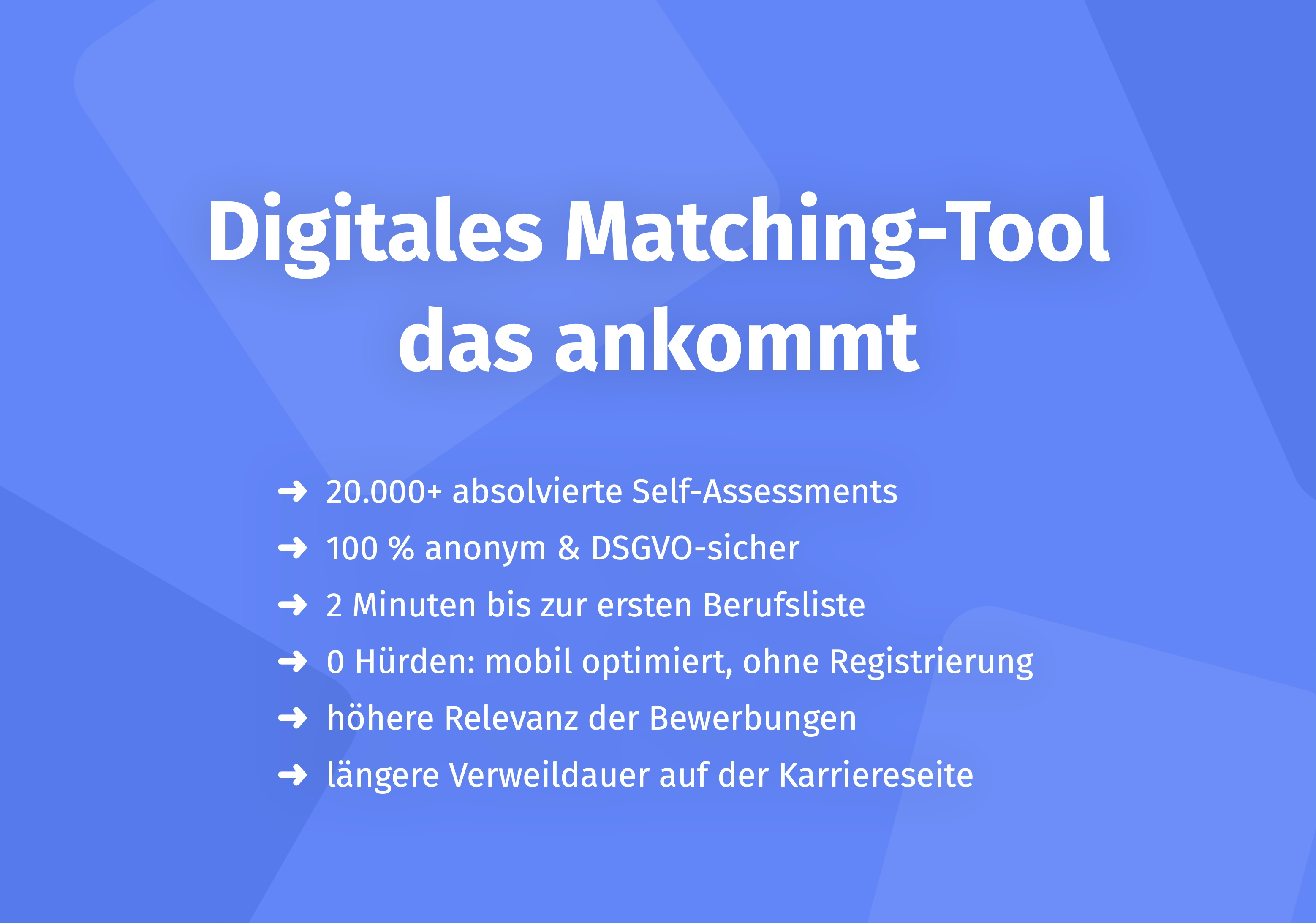
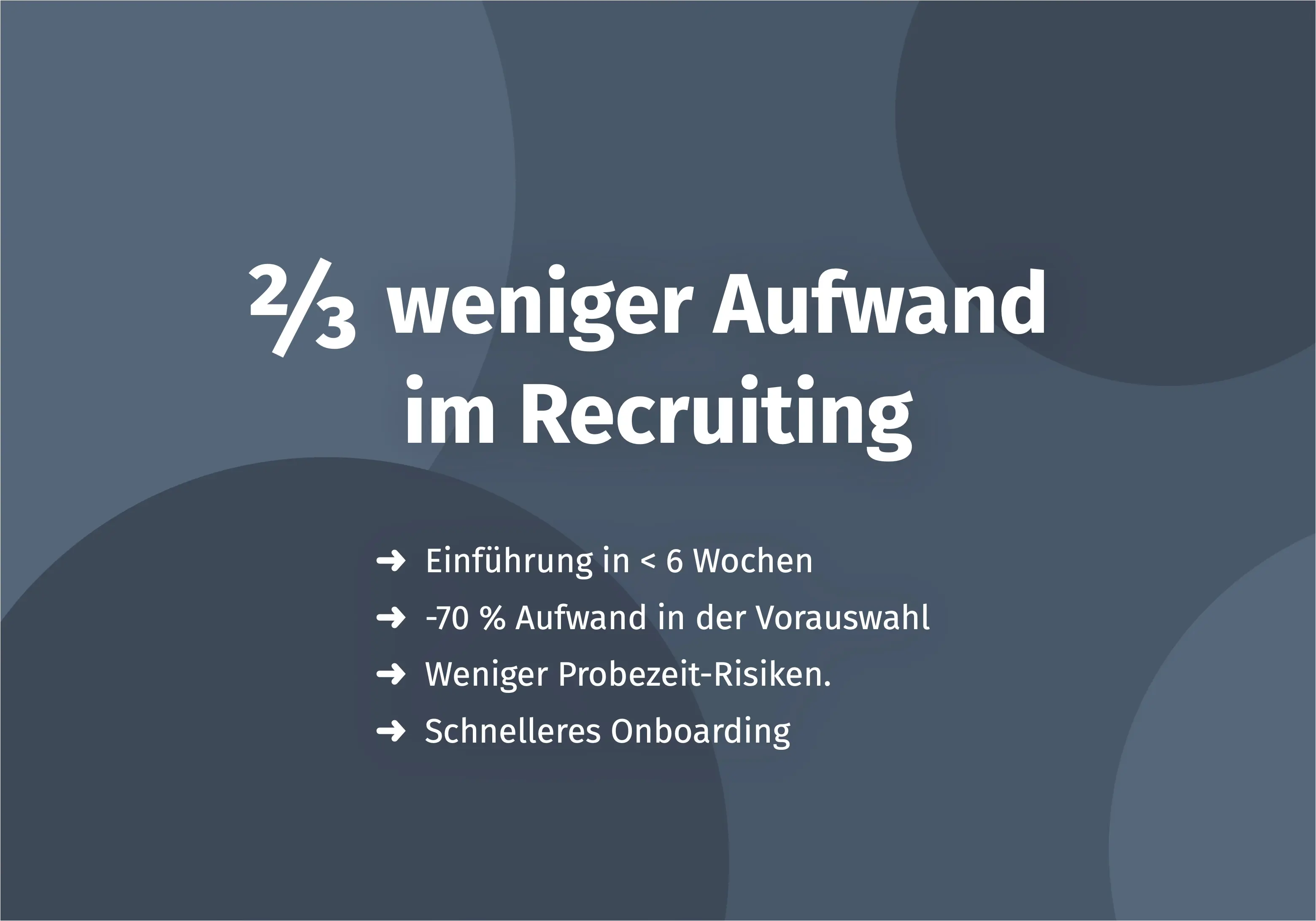
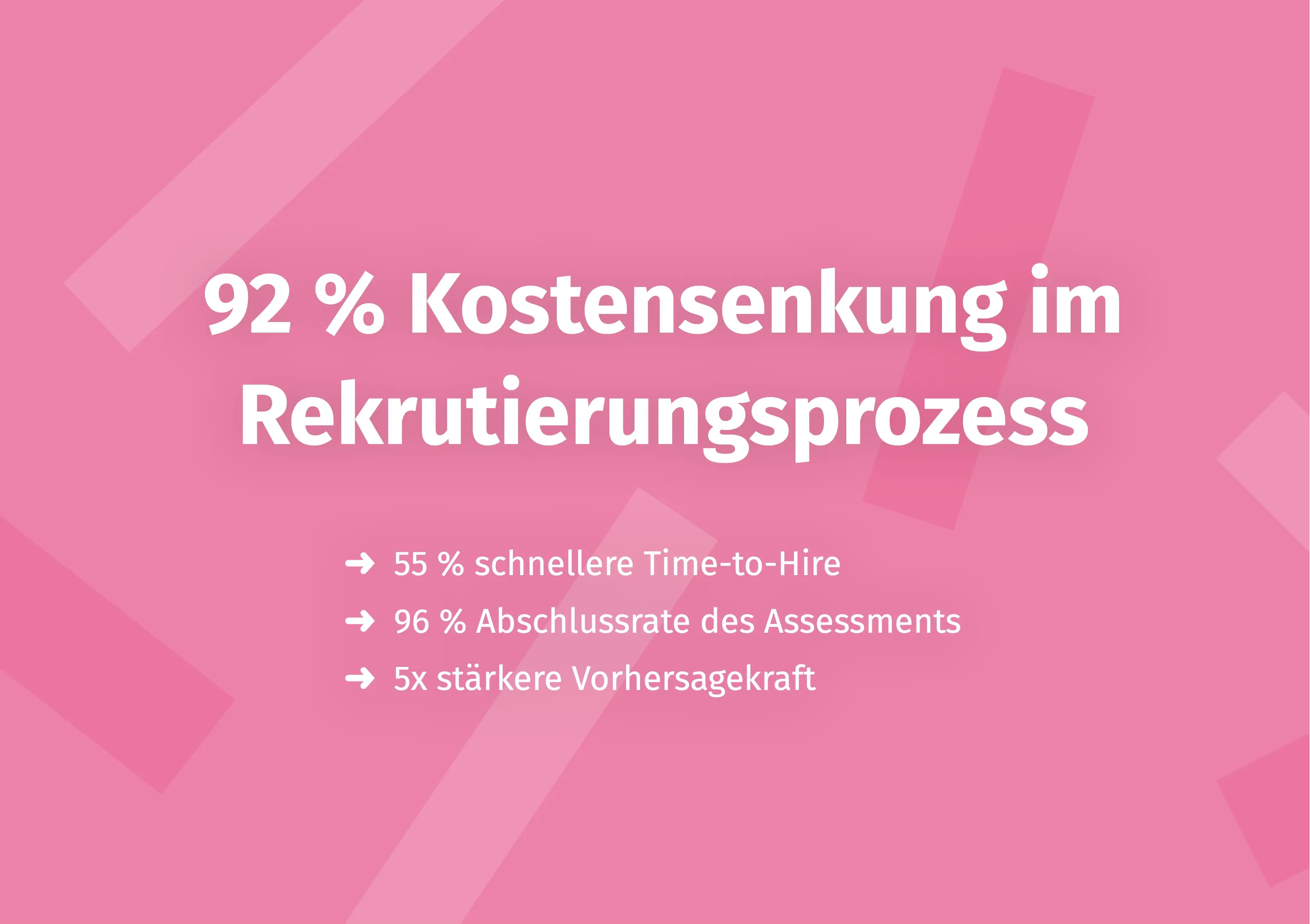
Modern talent assessment platforms such as Aivy complement conventional HR software with scientifically validated assessments that evaluate candidates objectively and independently of their CV. This accelerates the pre-selection process and improves the fit between candidate and role. MCI Deutschland, for example, reduced time-to-hire by 55% and cost-per-hire by 92% by integrating digital talent diagnostics as an additional step in the recruiting process.
How the Aivy platform supports the recruiting process in retail – find out more
Frequently Asked Questions About HR Software in Retail
What is HR software for retail?
HR software for retail is a digital solution that consolidates core HR processes – time tracking, shift planning, personnel management, recruiting and onboarding – in a single system. Retail-specific solutions account for typical industry requirements such as flexible working hours, seasonal workers and multi-site operations.
What features should HR software for retail absolutely include?
The most important features are: legally compliant time tracking (in accordance with the ArbZG and the 2022 BAG ruling), shift planning with support for part-time and marginal-hour workers, digital employee records, absence management, and a mobile app for employees without a fixed workstation. Depending on company size, applicant management, onboarding and payroll integrations are also important.
What does HR software for retailers cost?
Entry-level solutions start at around €4–6 per user per month (e.g. Papershift, Kenjo, Factorial). Comprehensive mid-range systems like Personio fall in the €8–15 range. Enterprise solutions such as Atoss, Workday or SAP SuccessFactors are priced individually. Note: many providers use modular pricing structures – the final price rises with the number of features used.
Which HR software is recommended for small retailers without a dedicated HR department?
For smaller businesses, Kenjo, Factorial and Papershift are particularly well-suited. They stand out for ease of use, quick implementation, competitive pricing and a focused set of core features. Complex enterprise suites such as SAP SuccessFactors or Workday are generally not cost-effective for businesses with fewer than 50 employees.
Is HR software GDPR-compliant?
This depends on the provider. Look for server locations in Germany or the EU, explicit GDPR compliance and, ideally, certifications such as ISO 27001. German and European providers (e.g. Personio, Kenjo, HCM4all, Atoss) typically meet these requirements. US-based providers such as Workday often offer EU hosting options – make sure to verify this explicitly before signing a contract.
How does HR software help reduce staff turnover in retail?
HR software addresses turnover at multiple levels: structured onboarding reduces early turnover. Transparent shift planning with self-service options increases employee satisfaction. Better applicant management shortens response times and improves the candidate experience. Equally important in the long run is the quality of hiring decisions: assessing candidates' suitability objectively from the outset reduces mis-hires – one of the primary drivers of high turnover.
Can I integrate time tracking and payroll in one system?
Yes – many all-in-one systems either include integrated payroll or offer direct integrations with payroll software such as DATEV. This allows time data to flow automatically into payroll calculations, reducing manual errors – particularly valuable in retail with hourly wages, overtime and shift supplements.
Which HR software do large retail chains in Germany use?
Large retail chains and corporations typically rely on enterprise solutions such as SAP SuccessFactors, Workday or Atoss. These offer extensive multi-location management, global compliance and deep integration with existing ERP systems. For upper mid-market companies, HR WORKS and Personio are widely used solutions with solid functionality.
Conclusion
The right HR software in retail is not a nice-to-have – it is a strategic tool that makes HR work more efficient, meets legal requirements and strengthens employee satisfaction. What matters most when choosing a solution is not the name recognition of a provider, but how well it fits your specific requirements: company size, shift model, location structure and budget.
For small retailers without a dedicated HR department, Kenjo, Factorial or Papershift offer a quick and cost-effective entry point. Growing businesses and retail chains benefit from the broader functionality of Personio or Atoss. Enterprise chains turn to SAP SuccessFactors or Workday.
Beyond pure administration, it is worth paying attention to the quality of recruiting: selecting the right employees from the start structurally reduces turnover – and saves time, money and effort in the long run.
Sources
- Working Hours Act (Arbeitszeitgesetz, ArbZG). Federal Ministry of Labour and Social Affairs (BMAS), 2024. https://www.gesetze-im-internet.de/arbzg/
- HDE Key Figures for German Retail 2024. German Retail Federation (HDE). https://einzelhandel.de
- IDC Study: HR and Data Management in Retail. IDC / Workday, 2024. https://www.workday.com/de-de/solutions/industries/retail.html
- SoftTrend Study HR Software 2024/25. SoftSelect GmbH, 2024. https://www.softselect.de/hr-software
- The Biggest HR Challenges in Retail. Kenjo Blog, 2023. https://blog.kenjo.io/de/hr-herausforderungen-einzelhandel
- MCI Deutschland Success Story. Aivy GmbH. https://www.aivy.app/en/success-stories/mci-deutschland-gmbh

Make a better pre-selection — even before the first interview
In just a few minutes, Aivy shows you which candidates really fit the role. Beyond resumes based on strengths.