
An HR personnel management app is a digital software solution that consolidates core HR processes — such as employee master data, leave management, time tracking and document management — into a single platform. It reduces manual administrative workload, minimises errors and ensures GDPR-compliant data storage. For companies with around 10 to 15 employees or more, the investment typically pays off from the very first month.
What Is an HR Personnel Management App?
An HR personnel management app — also known as an HR app or digital HR software — is a software-based system for the centralised management of all personnel-related data and processes within a company. It replaces decentralised solutions such as Excel spreadsheets, email chains and paper files with a unified, secure and scalable platform.
Today, the term "app" refers less to standalone smartphone applications and more to hybrid solutions: a modern HR personnel management app is usable both on mobile devices (for employees) and via browser (for HR teams). The boundaries between "app", "software" and "HR suite" are fluid — what matters most is the range of functionality.
To clarify the distinction: a personnel management app covers core administrative processes. An HR suite (e.g. Personio, Factorial) additionally integrates recruiting, onboarding, performance management and payroll. For many small and medium-sized enterprises (SMEs), a focused personnel management app is entirely sufficient.
Core Features of an HR Personnel Management App
Digital Employee File and Master Data
The digital employee file is the cornerstone of any personnel management app. It centralises all employee-related documents and data in one place: employment contracts, references, payslips, qualification certificates and contact details. Access is controlled on a role-based basis — only authorised individuals can view sensitive information.
Important: the digital employee file is subject to the same retention periods as its physical counterpart. Personnel data must generally be retained for between two and ten years after the end of the employment relationship, depending on the type of document.
Leave and Absence Management
With a personnel management app, leave requests by email or on paper become a thing of the past. Employees submit requests directly in the app, managers approve or decline them — the process runs automatically and transparently. Remaining leave entitlements, sick days and special leave are recorded and evaluated in real time.
Time Tracking
Since the European Court of Justice (ECJ) ruling of 2019 (Case C-55/18), companies within the EU are required to introduce a system for recording daily working hours. Many personnel management apps integrate digital time tracking directly into the platform — via web browser, app or terminal. This creates legal certainty while simultaneously supplying data for payroll processing.
Document Management
Contracts, warnings, works agreements and certificates can be stored in a structured manner within a personnel management app, assigned expiry dates and digitally signed where required. Automated reminders for expiring fixed-term contracts or certificates significantly reduce the risk of oversights.
Payroll Processing
Not all personnel management apps include full payroll accounting — this area is complex and heavily regulated. Many solutions instead offer an interface to specialist systems such as DATEV or Lexware. This ensures that working hours, absences and additional benefits are transferred automatically, eliminating the need for manual data entry.
Recruiting and Onboarding
Within the recruiting module, HR professionals manage job postings, incoming applications and the status of the hiring process — often integrated as a streamlined applicant management tool. The onboarding module supports new employees from day one: digital contract signing, checklists and access to relevant documents.
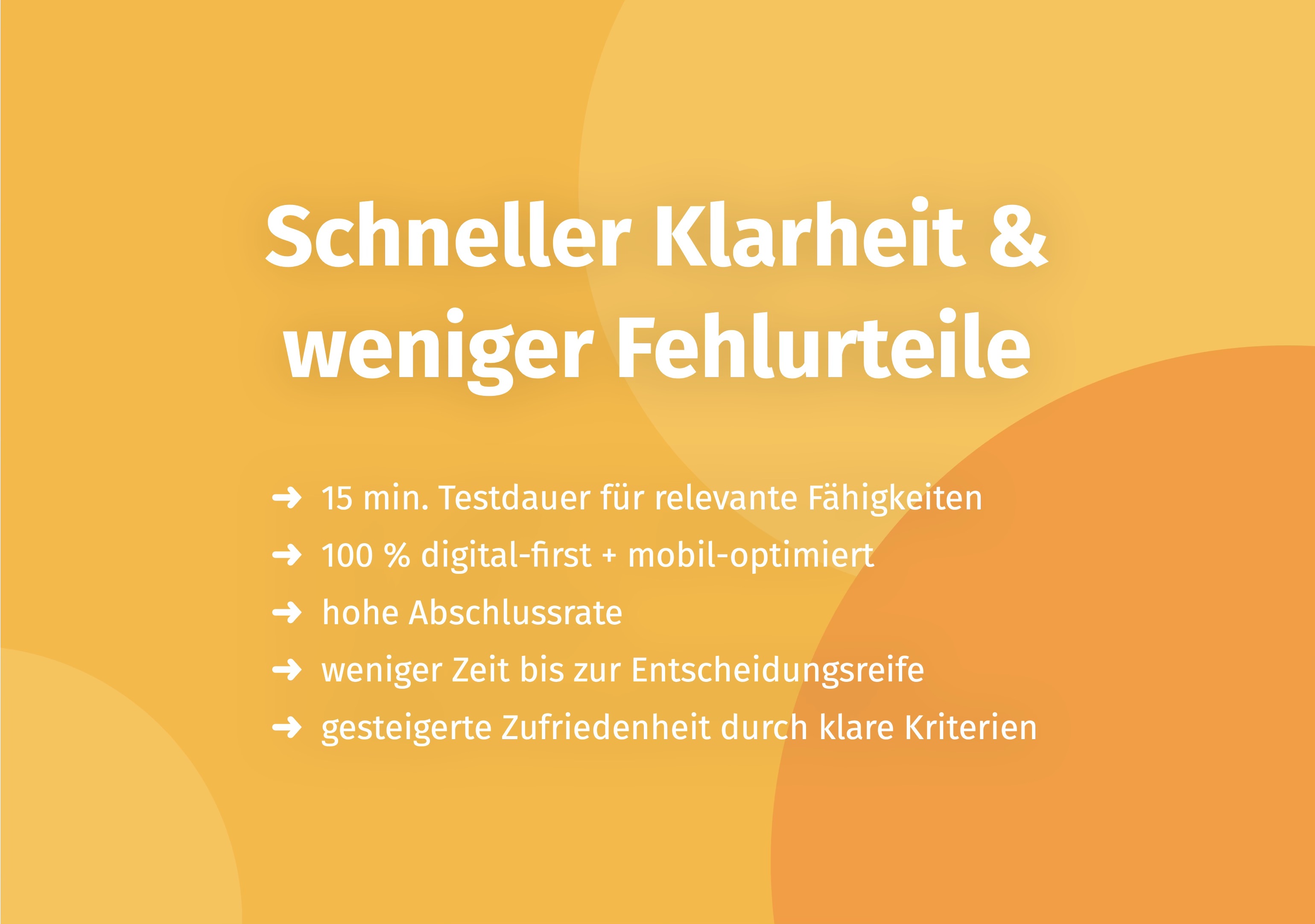
One important note: the recruiting module of a personnel management app primarily handles administrative steps — tracking who applied when and how far along a process is. For the actual hiring decision — determining which candidates are truly suited to a role — additional methods are needed. The digital aptitude diagnostics platform Aivy enables objective, scientifically grounded personnel selection beyond CVs and gut instinct, and integrates into existing HR software ecosystems. Learn more about objective aptitude diagnostics with Aivy.
HR Personnel Management Apps and GDPR
Legal Framework
The GDPR (General Data Protection Regulation) and the German Federal Data Protection Act (BDSG) form the legal framework for processing employee data. Particularly relevant is §26 BDSG, which governs the conditions under which employers may process the personal data of their employees — primarily for the purpose of executing the employment relationship. This is supplemented by Art. 88 GDPR, which grants national legislators latitude for specific rules in the employment context.
Practical implication: companies must demonstrate a legal basis for each instance of data processing and inform employees about how their data is being used (transparency obligation).
What to Look Out for Regarding Data Security
When deploying a personnel management app, HR professionals should check the following points:
Server location: Data should be stored on servers within the EU (ideally in Germany). US-based providers without EU hosting may pose data protection issues.
Data processing agreement (DPA): Every software provider that processes personal data must sign a DPA in accordance with Art. 28 GDPR.
Access management: Role-based access control prevents unauthorised individuals from viewing sensitive employee data.
Deletion concept: The app must provide a straightforward way to delete data once statutory retention periods have expired.
For specific data protection questions, it is advisable to involve the company's data protection officer before introducing the software.
Who Benefits from an HR Personnel Management App?
Small and Medium-Sized Enterprises (10 to 250 Employees)
In practice, the break-even point for a personnel management app is often around 10 to 15 employees. Beyond this size, the manual administrative burden — leave requests, time tracking, document maintenance — typically exceeds the cost of implementation and monthly licences. According to Bitkom (2023), more than 60 per cent of German companies already use digital HR tools; adoption among SMEs is growing particularly strongly.
When Is the Right Time?
Introducing a personnel management app is advisable when at least one of the following criteria applies:
HR processes consume more than 15 to 20 per cent of working time. GDPR-compliant data storage cannot be ensured with existing means. Error sources from manual data maintenance (duplicate entries, missed deadlines) are increasing. The company is growing and HR processes are failing to scale accordingly.
For companies with more than 250 employees, more comprehensive HR software suites are generally more appropriate — integrating not only administration but also performance management, learning & development and HR analytics.
What to Look for When Choosing an App
Selecting the right personnel management app depends on the specific requirements of the business. The following checklist supports the decision:
Scope of features: Which modules are genuinely needed? (Core administration, time tracking, payroll, recruiting)
Integrations: Can the app be integrated into existing systems? Key interfaces include: payroll systems (DATEV, Lexware), time tracking systems, and ATS systems for applicant management.
GDPR compliance: Server location within the EU/Germany? DPA available? Access management in place?
Usability: How intuitive is the app for employees and HR teams? High user acceptance is critical to a successful rollout.
Scalability: Does the solution grow with the company?
Cost: Typical prices for SME solutions range from €3 to €10 per employee per month. Free basic versions (e.g. Factorial or Personio Starter) are suitable for entry-level use or very small teams.
Support and implementation: How much effort does the rollout require? Is support available in your language?
The candidate experience — the way applicants experience the hiring process — is also shaped by the recruiting module of a personnel management app. For more detail, see the article on Candidate Experience.
Frequently Asked Questions about HR Personnel Management Apps
What is an HR personnel management app?
An HR personnel management app is a digital software solution for the centralised management of all HR-relevant data and processes — from employee master data and leave management to document management and time tracking. It is available as a mobile app and/or browser-based web application.
What features should an HR personnel management app have as a minimum?
Core features include: a digital employee file (GDPR-compliant), leave and absence management, time tracking (legally mandatory in the EU since the ECJ ruling of 2019) and document management. Many solutions additionally offer modules for payroll processing, recruiting and onboarding.
Are HR personnel management apps GDPR-compliant?
Reputable providers meet GDPR requirements. Key points to verify: server location within the EU, conclusion of a data processing agreement (DPA in accordance with Art. 28 GDPR) and role-based access management. Involving the company's data protection officer before rollout is strongly recommended.
How much does an HR personnel management app cost?
Typical SME solutions cost between €3 and €10 per employee per month. Free basic versions exist for very small teams or as entry-level offerings. Enterprise solutions are priced individually on request.
From how many employees does an HR personnel management app make sense?
In practice: from around 10 to 15 employees, the administrative savings typically exceed software costs within the first year. A key factor is also whether GDPR-compliant data storage can be ensured with existing means.
Which integrations are particularly important?
The most important integrations are: payroll accounting systems (DATEV, Lexware), time tracking devices or software, ATS systems (Applicant Tracking Systems) for applicant management, and — for objective personnel selection — aptitude diagnostics tools.
What is the difference between a personnel management app and an HR suite?
A personnel management app covers core administrative processes (master data, leave, time tracking, documents). An HR suite additionally integrates strategic modules such as performance management, recruiting, learning & development and HR analytics. For many SMEs, a focused personnel management app is entirely sufficient.
Conclusion
An HR personnel management app is not a luxury — for growing companies, it is an operational foundation. It reduces administrative workload, creates legal certainty (particularly around data protection and the mandatory time-tracking requirement) and allows HR professionals to focus on strategic tasks rather than manual data maintenance.
When making a selection, the key factors are: appropriate scope of features, GDPR compliance, integration with existing systems and high user acceptance within the team. For the recruiting process in particular, the following distinction matters: administrative management and objective personnel selection are two separate disciplines — and often require different tools.
Sources
- Federal Data Protection Act (BDSG) §26 – Data processing for employment purposes. Federal Ministry of Justice, 2018. https://www.gesetze-im-internet.de/bdsg_2018/__26.html
- Art. 88 GDPR – Processing in the context of employment. European Parliament, 2018. https://gdpr-info.eu/art-88-gdpr/
- ECJ ruling on working time recording, Case C-55/18. European Court of Justice, 2019. https://infocuria.curia.europa.eu/tabs/redirect/juris/document/document.jsf?docid=214521
- Bitkom e.V.: Digitalisation in HR – Study 2023. https://www.bitkom.org
- OMR Reviews: HR Software Market Overview Germany 2024. https://omr.com/de/reviews/hr-software
- German Society for Human Resource Management (DGFP): HR Digitalisation in German Companies, 2023. https://www.dgfp.de
Make a better pre-selection — even before the first interview
In just a few minutes, Aivy shows you which candidates really fit the role. Beyond resumes based on strengths.