
HR management software digitizes and automates core HR processes – from personnel administration and recruiting to payroll and performance management. Depending on the scope of functionality, a distinction is made between HRIS, HRMS, HCM, and specialized tools such as ATS or aptitude diagnostics platforms. When choosing a system, GDPR compliance, integration capability, and scalability play the decisive role.
What Is HR Management Software?
HR management software (also called HR software or an HR system) is a digital solution that supports HR departments in managing, organizing, and controlling all personnel-related processes. It consolidates data and workflows in one central place – replacing paper-based or fragmented processes.
The term covers a broad spectrum: from simple personnel administration tools for small and medium-sized businesses to comprehensive enterprise platforms that cover the entire employee lifecycle. According to a study by Bitkom, more than 70 percent of German companies already use digital HR tools – and the trend is rising. Digitizing HR processes is therefore no longer a question of "whether" but of "how."
Types of HR Software: HRIS, HRMS, HCM, and ATS at a Glance
Not all HR software is the same. The terms HRIS, HRMS, HCM, and ATS are often used interchangeably in the market – but they refer to different scopes of functionality. This distinction is crucial for choosing the right solution for your company.
HRIS – Human Resource Information System
An HRIS (Human Resource Information System) is the most basic form of HR software. It focuses on the digital management of employee data: master data, contracts, absences, org charts, and digital personnel files. An HRIS is the ideal starting point for companies that want to centralize their data but don't (yet) need complex automation.
HRMS – Human Resource Management System
An HRMS (Human Resource Management System) builds on the HRIS and extends it with operational HR processes: time tracking, shift scheduling, payroll, and leave management. For most small and medium-sized businesses, an HRMS offers the right scope of functionality – without the complexity of an enterprise solution.
HCM – Human Capital Management
HCM (Human Capital Management) is the most comprehensive approach: it combines HRMS functions with strategic modules for talent management, employee development, training, performance management, and workforce planning. HCM systems are primarily relevant for larger companies or those with complex talent strategies.
ATS – Applicant Tracking System
An ATS (Applicant Tracking System) is specialized recruiting software for managing applications, job postings, and candidate communication. It's available either as a standalone tool or as a module within an HRMS/HCM. Well-known providers in the German market include softgarden, Greenhouse, and Personio Recruiting. Learn more about digital applicant management in the Aivy lexicon.
Core Functions of HR Management Software
The scope of functionality varies depending on the system type. These five areas are the core building blocks of modern HR software:
Personnel Administration and the Digital Personnel File
The digital personnel file replaces paper folders with a central, access-protected repository for all employee-related documents: employment contracts, references, pay slips, and training records. It enables quick access, defined access rights, and GDPR-compliant archiving.
Recruiting and Applicant Management
The recruiting module supports the entire hiring process: from the job posting through candidate communication to the hiring decision. Modern systems offer AI-supported candidate screening, structured interview guides, and integration with external job boards. Candidate experience – that is, the experience applicants have during the process – is a decisive quality factor here.
Time Tracking and Absence Management
Digital time tracking not only meets legal requirements (following the ECJ ruling on working time documentation) but also provides valuable data for workforce planning. Absence management governs leave requests, sick leave notifications, and parental leave – transparently and traceably for everyone involved.
Payroll
The payroll module automates salary processing while accounting for current tax and social security regulations. Payroll errors are costly – both financially and in terms of employee satisfaction. Automation significantly reduces the risk of errors.
Performance Management and Training
Performance reviews, goal-setting frameworks (e.g. OKRs or MBO), feedback conversations, and training plans can be structured and evaluated in modern HCM systems. This creates transparency and supports data-driven employee development.
What to Look for When Choosing a System
Choosing the right HR management software is a strategic decision. These four criteria should be your priorities:
GDPR Compliance and Data Protection
Employee data is among the most sensitive data a company handles. Under the GDPR (Regulation (EU) 2016/679) and the German Federal Data Protection Act (BDSG), strict requirements apply to the processing of personal data. When choosing software, look for the following:
Data storage on servers within the EU (ideally Germany), clear role concepts and access control, data subject rights under Articles 15–17 GDPR (access, rectification, erasure), and a data processing agreement (DPA) with the provider. When processing particularly sensitive data, a data protection impact assessment (DPIA) must also be carried out.
Integration Capability and Interfaces
HR software that doesn't communicate with existing systems creates new data silos instead of breaking them down. Before purchasing, check: Does the software offer REST API interfaces? Are there native integrations with your ATS, ERP, or payroll system? Ask for a test integration to be demonstrated – not just a promise.
Scalability: SMB vs. Enterprise
A 50-person company has different requirements than a corporation with 5,000 employees. Cloud-based SaaS solutions offer low entry costs and fast implementation for SMBs – often without elaborate IT projects. For enterprise companies, on the other hand, individual configuration options, multi-tenant capability, and compliance features are decisive. For talent relationship management in growing companies, it's worth looking at HCM solutions with integrated talent pool functions.
Costs and ROI
License costs are only part of the total calculation. Also factor in implementation costs, training effort, data migration, and ongoing maintenance. SaaS models typically cost 3 to 15 euros per employee per month (basic version); enterprise solutions are negotiated individually. ROI can be tracked through measurable metrics: reduction of manual processes, lower error rates, and faster time-to-hire.
Aptitude Diagnostics as a Strategic Building Block in Recruiting
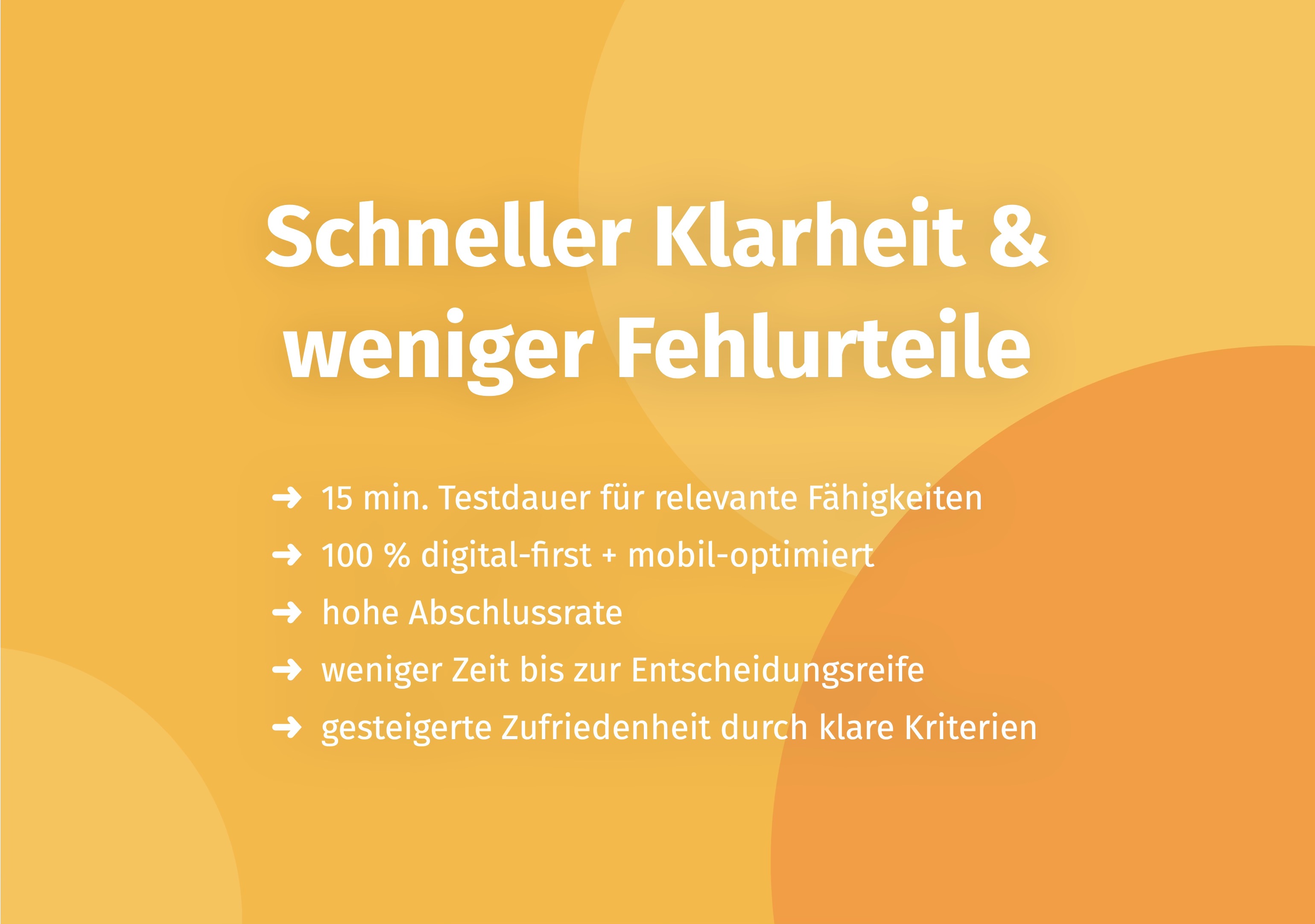
One area that remains underdeveloped in many HR systems: objective candidate selection. Classic ATS modules manage applications – but they don't assess whether a person is genuinely a good fit for the role and the team. This is exactly where specialized aptitude diagnostics platforms come in.
Aptitude diagnostics refers to the use of scientifically validated methods to assess candidates' competencies, personality, and potential. Such tools can be integrated into existing HR systems via interfaces, adding an objective, data-driven dimension to the recruiting process. This reduces unconscious bias – that is, unconscious distortions in evaluation – and increases accuracy in hiring decisions.
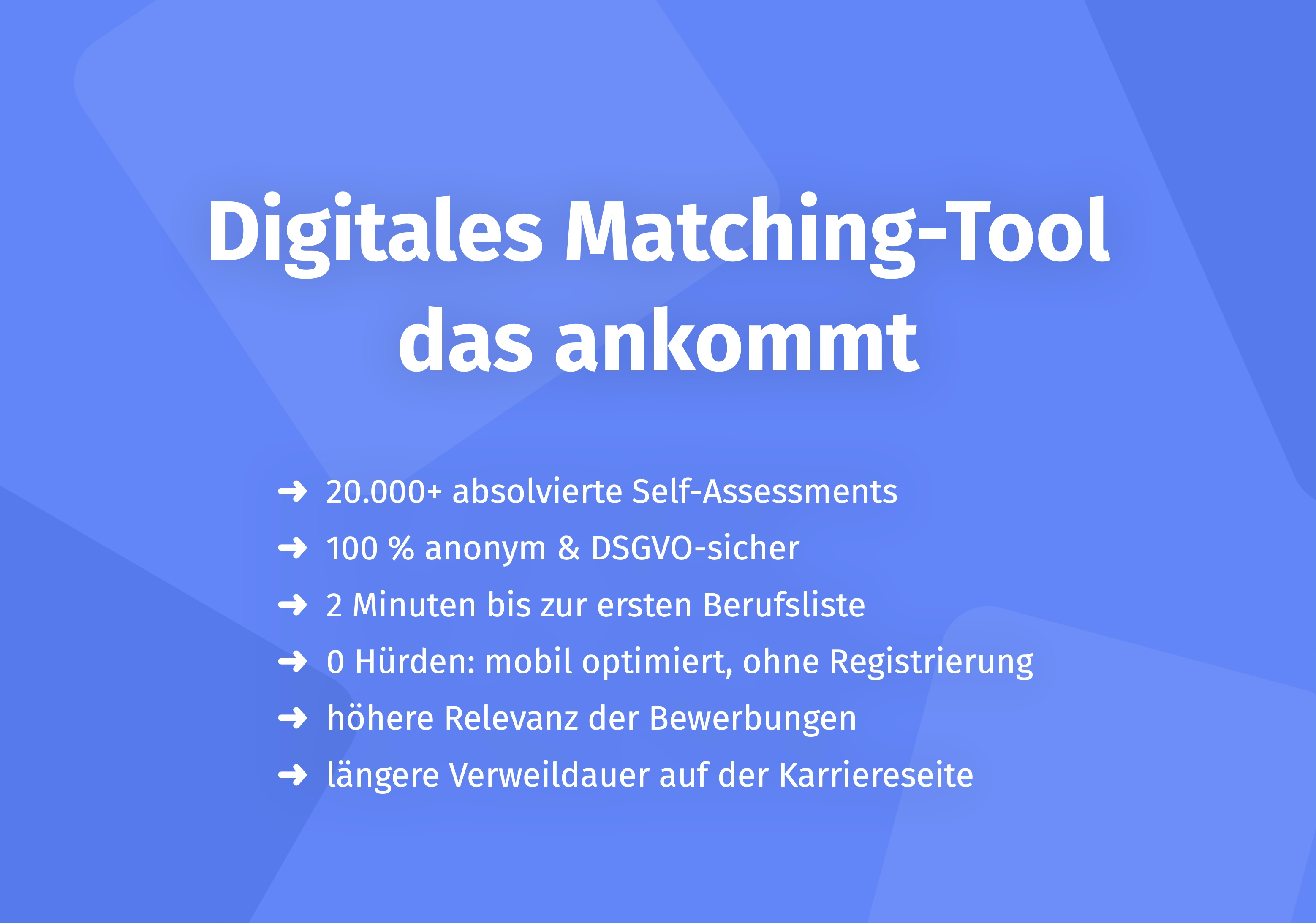
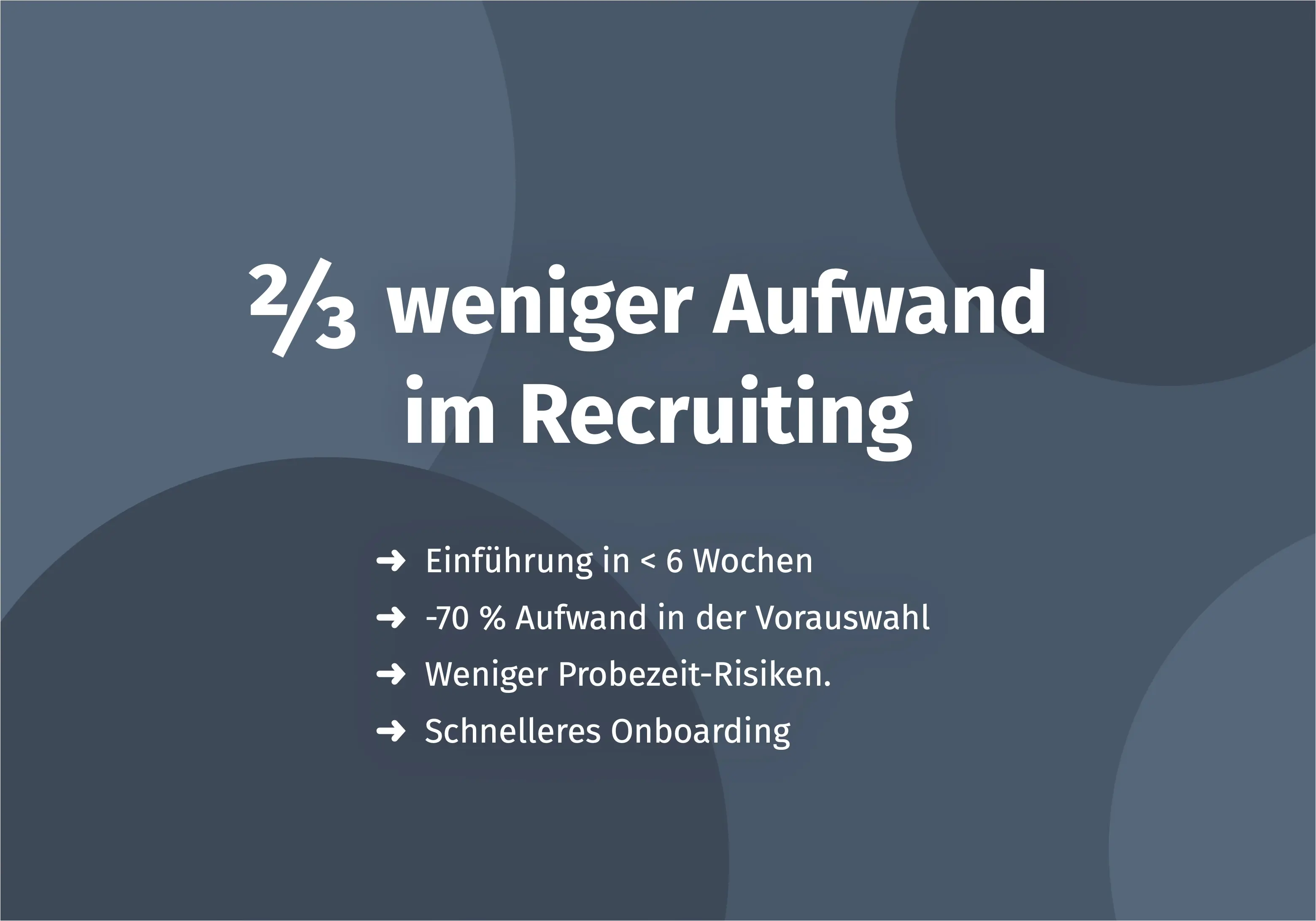
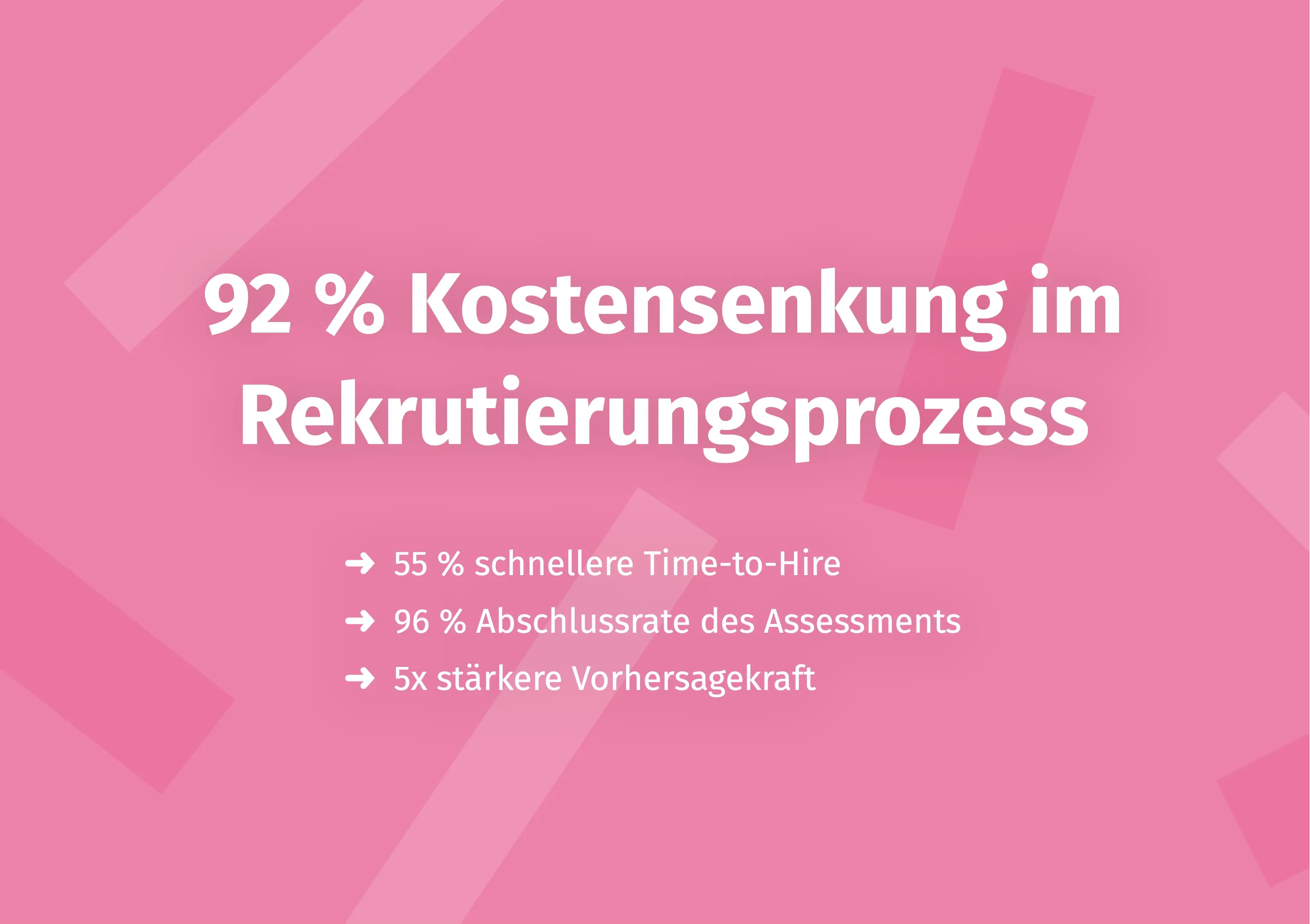
The digital aptitude diagnostics platform Aivy, a scientific spin-off of Freie Universität Berlin, offers game-based assessments that can be integrated into existing systems such as softgarden. Through this integration, MCI Deutschland was able to reduce time-to-hire by 55 percent and cut cost-per-hire by 92 percent – with a 96 percent completion rate in the assessment.
Discover how the digital aptitude diagnostics platform Aivy makes your recruiting process more objective and efficient: Learn more
Frequently Asked Questions About HR Management Software
What is the difference between HRIS, HRMS, and HCM?
HRIS (Human Resource Information System) covers digital data management: master data, absences, digital personnel files. HRMS (Human Resource Management System) extends this with operational processes such as payroll and time tracking. HCM (Human Capital Management) is the most comprehensive approach and additionally includes talent management, training, and performance management. An ATS (Applicant Tracking System) is a specialized solution for the recruiting process and can be standalone or integrated as a module.
Which HR software is suitable for small and medium-sized businesses?
SMBs generally don't need a full HCM system. An HRIS or HRMS covers the essential requirements: personnel administration, time tracking, leave management, and basic recruiting. Cloud-based SaaS solutions offer low entry costs, fast implementation, and no elaborate IT infrastructure. Usability, GDPR compliance, and a fair price per employee are decisive.
What GDPR requirements must HR software meet?
The GDPR (EU 2016/679) and the BDSG set out clear requirements: data storage on EU servers, clear access rights and role management, data subject rights (access, rectification, erasure under Articles 15–17 GDPR), a data processing agreement (DPA) with the provider, and a data protection impact assessment where required. Ask to see the provider's DPA and security concept before signing a contract.
How much does HR management software cost?
Costs vary significantly by system type and company size. SaaS models for SMBs typically start at 3 to 15 euros per employee per month for the basic version. Enterprise solutions are negotiated individually and can cost several tens of thousands of euros per year. Implementation costs, training effort, and data migration come on top – items that are frequently underestimated in budget planning.
Can I integrate HR software with my existing ATS?
Yes – most modern HR systems offer REST API interfaces and native integrations with common ATS providers. Before purchasing, check compatibility with your existing stack specifically and ask for a working test integration to be demonstrated. Some providers also offer pre-built connectors to payroll or ERP systems.
What is the ROI of HR management software?
ROI arises on several levels: time savings through automation of manual processes, error reduction in payroll, faster filling of open positions, and lower cost per hire. Practice shows measurable effects: companies that integrate specialized recruiting tools into their HR software report significant efficiency gains. Frankfurt School reportedly achieved a fourfold ROI in the first year alone through the use of scientifically grounded aptitude diagnostics.
What is aptitude diagnostics and why is it relevant for HR software?
Aptitude diagnostics refers to the use of scientifically validated methods for objectively assessing candidates' competencies, personality, and potential. It complements classic ATS functions with a substantive evaluation layer and reduces unconscious bias in the selection process. Specialized platforms can be integrated into existing HR systems via API and deliver structured, comparable data as a basis for decisions.
Conclusion
HR management software is an indispensable tool today for efficient, legally compliant, and scalable HR work. Choosing the right system depends on company size, functional requirements, and strategic goals: while an HRIS is sufficient for most SMBs, growing or complex organizations need an HRMS or HCM. GDPR compliance, integration capability, and an honest look at total-cost ROI are always decisive.
Especially in recruiting, it pays to think beyond the classic ATS: specialized aptitude diagnostics tools deliver objective, scientifically grounded data for candidate selection – and integrate seamlessly into existing HR systems.
Sources
- Bitkom e.V. – Digitalization in HR. Bitkom, 2023. https://www.bitkom.org
- Regulation (EU) 2016/679 of the European Parliament and of the Council (GDPR). EUR-Lex, 2016. https://eur-lex.europa.eu/legal-content/EN/TXT/?uri=CELEX%3A32016R0679
- Federal Data Protection Act (BDSG). Gesetze im Internet, 2018. https://www.gesetze-im-internet.de/bdsg_2018/
- Gartner Inc. – HR Technology Hype Cycle. Gartner, 2023. https://www.gartner.com/en/human-resources/topics/hr-technology
- German Association for Human Resource Management (DGFP) – HR Digitalization. DGFP, 2023. https://www.dgfp.de
- Aivy GmbH – MCI Deutschland Success Story. Aivy, 2024. https://www.aivy.app/en/success-stories/mci-deutschland-gmbh

Make a better pre-selection — even before the first interview
In just a few minutes, Aivy shows you which candidates really fit the role. Beyond resumes based on strengths.