
HR consulting refers to external advisory services that help companies optimise their HR processes – from recruiting and talent development to compensation systems and HR strategy. HR consultants bring specialised expertise, market knowledge, and methodological skills that are often not available in-house. Companies typically engage HR consulting during transformation phases, when facing talent shortages, or when looking to systematically professionalise their HR operations.
What Is HR Consulting?
HR consulting describes the external, project-based support of companies across all aspects of human resources management. HR consultants analyse existing HR processes, identify areas for improvement, and develop tailored solutions together with the organisation – whether for individual areas such as recruiting or for the HR strategy as a whole.
The field has grown significantly since the 1980s and today covers a broad spectrum of specialisations. According to the German Federal Association of Management Consultants (BDU), HR consulting is one of the fastest-growing segments in the German consulting market.
HR Consulting vs. Headhunting vs. Management Consulting
These three terms are frequently confused – yet they differ in important ways:
HR consulting covers comprehensive advisory services across all people-related topics: strategy, processes, systems, and methods. The mandate is broad and aimed at sustainable improvements.
Headhunting (also: executive search) involves the targeted, direct approach and placement of specialists and executives for specific positions. The sole focus is on filling a role. Compensation model: typically success-based (a percentage of the placed candidate's annual salary).
Management consulting (e.g. McKinsey, BCG) operates at the level of the entire organisation – HR may be one of many topics addressed, but it is not the core focus.
The boundaries can be fluid: some HR consulting firms also offer headhunting services, while headhunters do not typically provide comprehensive HR process consulting.
Service Areas in HR Consulting
HR consulting covers a wide range of areas. Depending on the consulting firm's specialisation, emphasis will vary.
Recruiting & Talent Acquisition
A central service area is the optimisation of the recruiting process: from job requirements analysis through the selection of appropriate methods (e.g. structured interviews, aptitude diagnostics, assessment centres) to the implementation of an applicant tracking system (ATS). The goal is to find the right talent faster, more cost-effectively, and more objectively. Another key topic in this area is Talent Relationship Management – the systematic development of a talent pool for future needs.
People Development & Learning
HR consultants support organisations in building learning cultures, designing training programmes, and introducing performance management systems. Topics such as leadership development, succession planning, and competency frameworks also fall within this service area.
HR Strategy & Organisational Development
When companies grow, merge, or reorient themselves, the HR function also requires an adapted strategy. HR consultants help define HR goals, shape organisational structures, and guide change management – the process of supporting and embedding organisational change.
Compensation & Benefits
Designing fair and competitive compensation structures is a highly specialised consulting field. Consultants analyse market salaries, develop pay and bonus systems, and design benefits packages aligned with the employer brand.
HR Digitalisation
From introducing a digital personnel file to HR analytics systems and selecting and implementing HR software: digitalisation consulting is a growing segment, as many organisations still rely on outdated systems or are looking to transition to data-driven HR processes.
When Does External HR Consulting Pay Off?
External HR consulting is not the right solution for every company or every situation. The following overview supports the decision:
External consulting is particularly recommended in these situations: when specialist knowledge is lacking internally (e.g. in aptitude diagnostics, compensation systems, or HR tech selection), during growth phases with rapidly increasing staffing needs, in fundamental HR transformations or digitalisation projects, when a neutral external perspective is needed (e.g. in internal conflicts or reorganisations), and as temporary support for the HR team (known as interim HR).
Internal resources may suffice when the HR department is adequately staffed and specialised, when processes are routine and recurring, and when the necessary expertise is already available in-house.
The ROI of external consulting often manifests indirectly: faster time-to-hire, fewer mis-hires, higher employee satisfaction, or a more professional employer brand. These effects are real but harder to quantify than direct consulting fees.
How to Choose the Right HR Consultant
Selecting the right consulting partner is critical to project success. The following criteria support the decision:
Check the specialisation: Does the consultant's area of expertise match your specific need? A firm specialised in compensation systems is not automatically the best choice for recruiting process optimisation.
Request references and case studies: Which companies of similar size and industry have been successfully advised? Concrete results and measurable outcomes are more meaningful than general promises.
Assess methodological competence: Do the consultants work with scientifically validated methods? In aptitude diagnostics and talent selection, this is a decisive quality indicator.
Evaluate cultural fit: An initial conversation often reveals whether the consultant understands your company culture and will work well with your team. HR consulting is a collaborative process – the human factor matters.
Agree on clear deliverables and goals: What exactly will be delivered? Which results are measurable, and by when? Vague service descriptions are a red flag.
Clarify costs transparently: Hourly rates for HR consultants typically range from €100 to €600 depending on specialisation and experience; day rates from €800 to €3,000 (source: BDU HR Consulting Industry Report 2024). Project fees vary widely by scope. More important than the price is the calculated ROI.
Modern Aptitude Diagnostics as Part of HR Consulting
A growing area within recruiting consulting is the use of scientifically founded aptitude diagnostics. Traditional selection methods such as CV screening and unstructured interviews have comparatively low predictive validity for job success – and are also susceptible to unconscious bias.
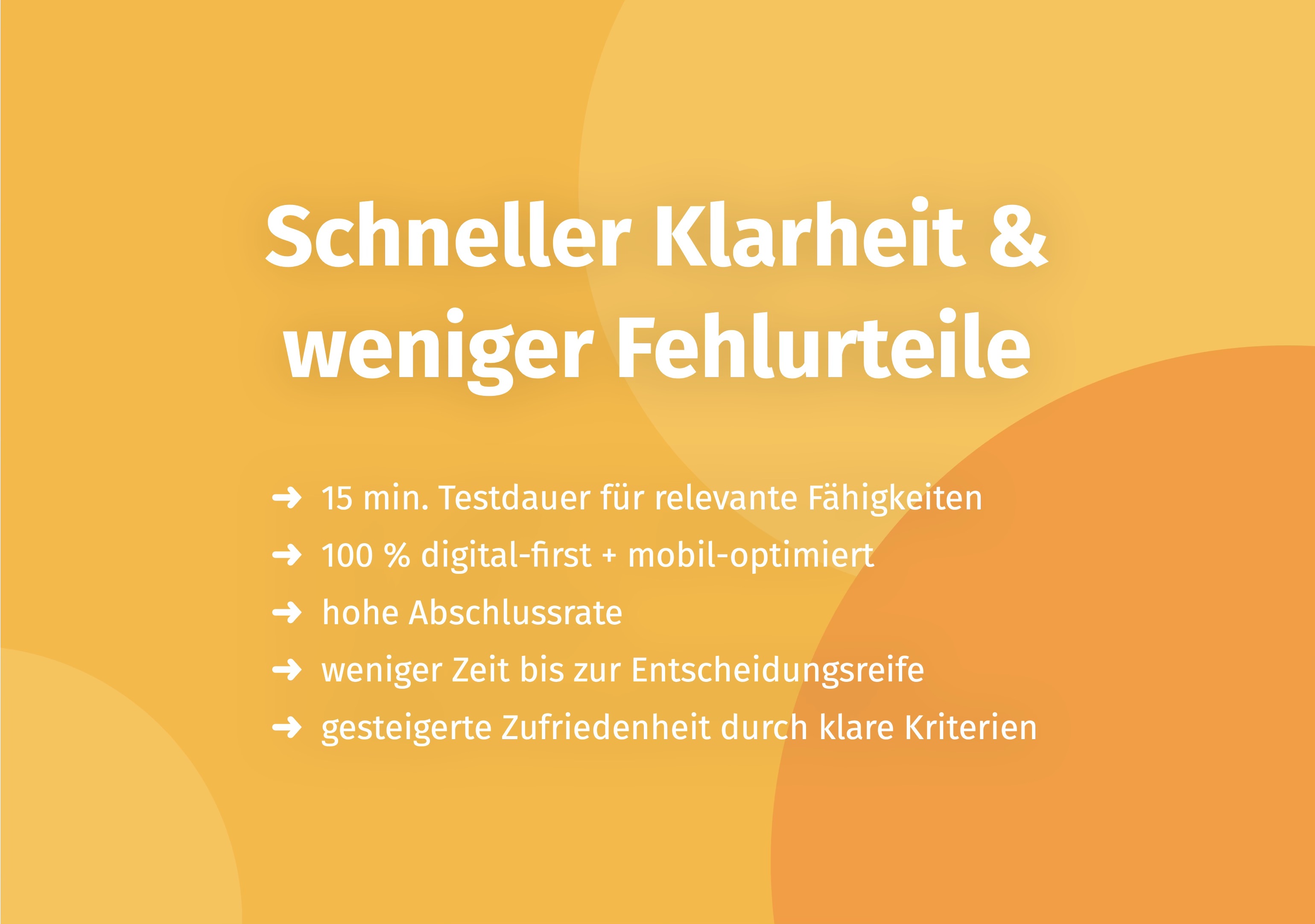
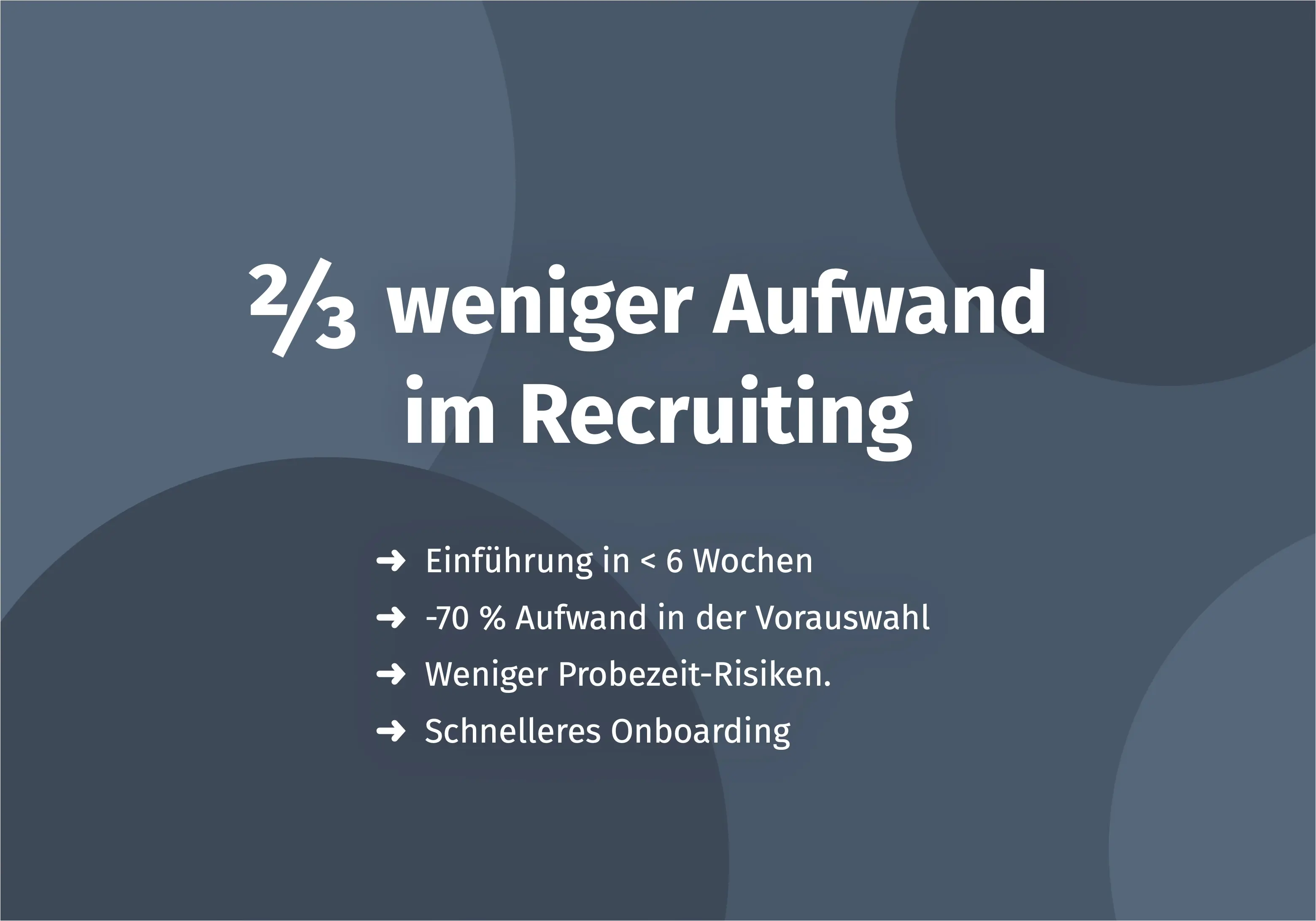
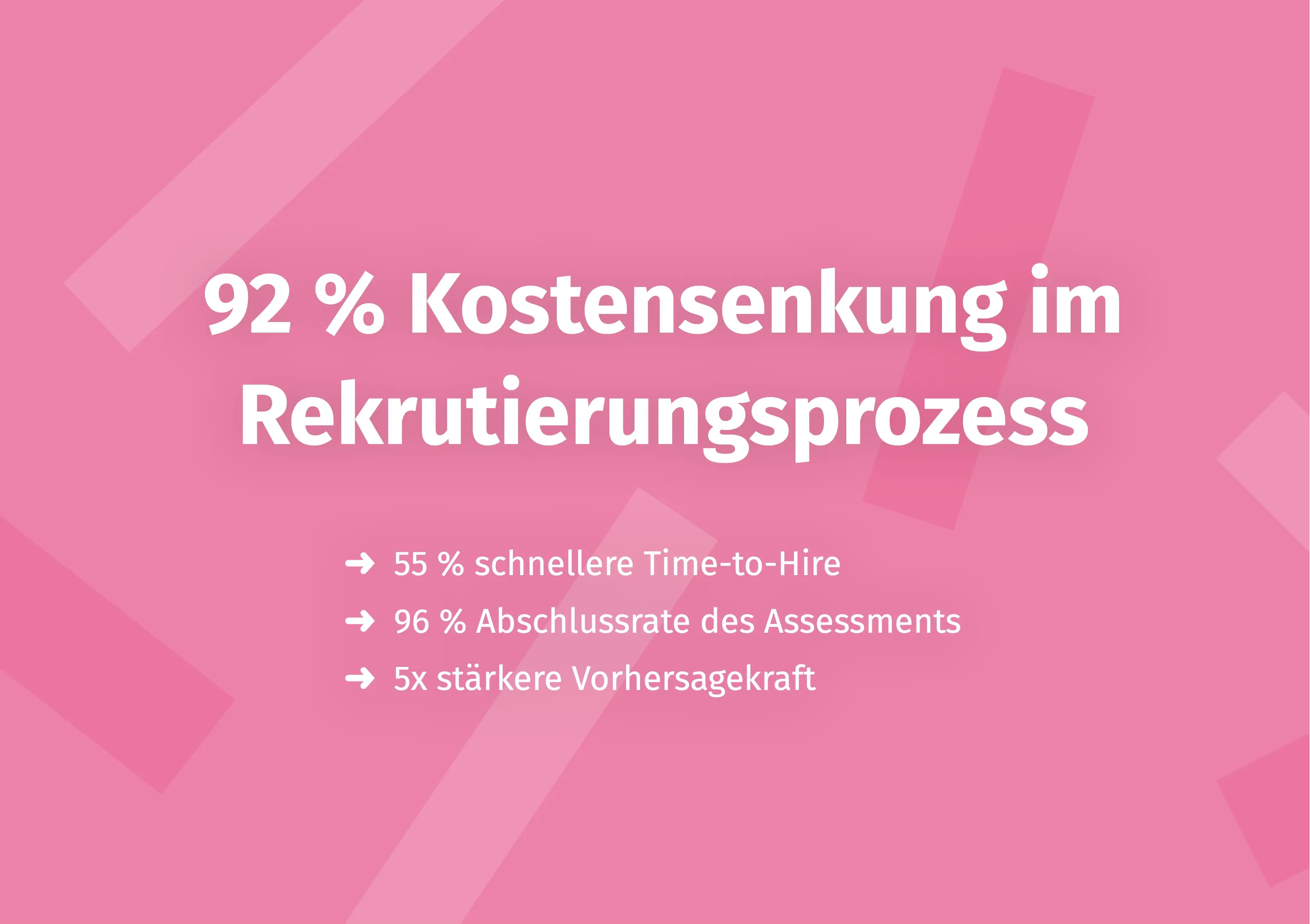
Modern HR consulting therefore increasingly recommends validated selection procedures: structured interviews, psychometric tests, or game-based assessments. The digital platform Aivy offers such scientifically validated aptitude diagnostics, developed on the basis of research at the Freie Universität Berlin. Companies like MCI Deutschland have used these methods to reduce their time-to-hire by 55% and cut cost-per-hire by 92%.
For HR consulting projects in the area of talent acquisition, integrating data-driven methods like these provides a concrete lever for measurably improving recruiting outcomes.
Frequently Asked Questions about HR Consulting
What does an HR consultant do?
HR consultants analyse existing HR processes and structures, develop and support the implementation of HR strategies, and advise on topics such as recruiting, talent development, compensation, and organisational development. In larger projects, they also take on project management responsibilities and transfer methodological expertise to the internal HR team.
What is the difference between HR consulting and headhunting?
HR consulting covers comprehensive advisory services across all HR topics (strategy, processes, systems). Headhunting, by contrast, involves the targeted direct approach and placement of specialists and executives for specific positions. The fee models also differ: HR consulting is typically billed by time or project scope; headhunting is often success-based, as a percentage of the placed candidate's annual salary. Recruiting consulting is an area where both fields can overlap.
When does external HR consulting pay off?
External consulting is particularly worthwhile when specialist knowledge is lacking internally, when growth or transformation phases require rapid action, or when a neutral external perspective is valuable. For well-staffed, specialised HR departments with sufficient capacity, internal expertise may be sufficient.
How much does HR consulting cost?
Hourly rates typically range from €100 to €600 depending on specialisation and experience level; day rates from €800 to €3,000. Project fees vary considerably by scope and can range from a few thousand to six-figure amounts (source: BDU HR Consulting Industry Report 2024). The price alone is not the deciding factor – what matters is the calculated ROI: faster time-to-hire, fewer mis-hires, and professionalised processes deliver tangible returns in the medium term.
What service areas does HR consulting cover?
The key areas are: recruiting & talent acquisition, people development & learning, HR strategy & organisational development, compensation & benefits, HR digitalisation, employer branding, and change management. Specialist consulting firms often focus on individual areas; larger HR consultancies offer a full-service portfolio.
How do I find the right HR consultant?
The key criteria are: a matching specialisation, demonstrable references and case studies, methodological competence (including scientific grounding), cultural fit, and clear, measurable service agreements. Avoid consulting offers that lack concrete success examples or provide only vague descriptions of deliverables.
What is interim HR – and is it part of HR consulting?
Interim HR refers to the temporary deployment of external HR professionals who take on operational responsibilities within the HR function – for example during vacancies, sick leave, or reorganisations. The distinction from classic HR consulting: interim HR is an operational role (the person acts), while HR consulting is an advisory role (the person recommends). In practice, both approaches are frequently combined.
Conclusion
HR consulting helps companies strategically and methodologically professionalise their people management. Whether optimising recruiting, driving digitalisation projects, or redesigning compensation systems – external consultants bring specialist expertise and an unbiased outside perspective that is often unavailable internally. The key to project success lies in careful selection: the right specialisation, methodological competence, proven references, and clearly defined goals are the most important criteria.
For organisations looking to optimise their recruiting processes as part of an HR consulting project, scientifically validated aptitude diagnostics provide a measurable lever for improvement. Learn more about objective aptitude diagnostics with the Aivy platform.
Sources
- Bundesverband Deutscher Unternehmensberater (BDU): HR Consulting Industry Report 2024. https://www.bdu.de/informationen/studien-und-publikationen/
- Deutsche Gesellschaft für Personalführung (DGFP): Studies on HR Trends. https://www.dgfp.de/wissen/studien/
- Haufe Personalmagazin – HR Consulting. https://www.haufe.de/personal
- Bitkom e.V.: HR Digitalisation Study 2024. https://www.bitkom.org

Make a better pre-selection — even before the first interview
In just a few minutes, Aivy shows you which candidates really fit the role. Beyond resumes based on strengths.