
An HR consultant supports organisations in developing and implementing their people strategy – from optimising recruiting processes to rolling out modern HR systems. They can work internally (as an employee) or externally (as a freelance service provider). Particularly for SMEs without a dedicated HR department, external HR consultants offer an efficient way to establish professional people management.
What Is an HR Consultant? Definition
An HR consultant is a specialist who advises organisations on all matters related to human resources. The scope of work ranges from strategic workforce planning and the optimisation of recruiting processes to the introduction of digital HR tools and the management of organisational change.
At its core, the role is about making HR departments more professional, more efficient, and more future-proof – either by developing existing structures or by building people processes from scratch in organisations that have not yet had a dedicated HR function.
HR Consultant vs. HR Manager: Key Differences
An HR manager is a permanent employee who takes full responsibility for the operational and strategic management of people within an organisation. An HR consultant, by contrast, typically works on a project basis or for a defined period – bringing an outside perspective and benchmark knowledge from across multiple industries.
Responsibilities and Areas of Work
The scope of an HR consultant's work is broad and depends heavily on their area of specialisation and the size of the organisation.
Strategic HR Consulting
At the strategic level, HR consultants develop people strategies aligned with the business model and organisational goals. This includes workforce planning, employer branding concepts, the design of compensation models, and advisory work on HR metrics such as time-to-hire, cost-per-hire, and employee satisfaction.
Time-to-hire refers to the time from the launch of a job posting to the signing of a contract – a central efficiency KPI in recruiting. Cost-per-hire covers the total cost of filling a position, including job advertising, consultant fees, and internal effort.
Operational Support
On the operational side, HR consultants help design and optimise specific HR processes: recruiting, onboarding, performance reviews, compensation structures, and the implementation of HR software. Creating job profiles, developing interview guides, and selecting appropriate talent assessment methods also fall within this area.
Change Management and Transformation
HR consultants frequently support organisational change – for example during mergers, restructuring, the opening of new locations, or the digitalisation of HR processes. They facilitate workshops, develop communication strategies, and help prepare employees for upcoming changes.
Internal vs. External HR Consultant
Pros and Cons Compared
An internal HR consultant is a permanent employee working exclusively for one organisation. They know the company culture, internal processes, and key stakeholders – which allows them to make a lasting, deep-rooted impact on structures. The downside: an inside perspective can lead to blind spots, and external best practices often go untapped.
An external HR consultant is engaged on a project or interim basis. They bring a neutral outside view, cross-industry experience, and current market benchmarks. This increases the likelihood of impactful impulses – but requires greater coordination effort and careful selection of the right person.
| Criterion | Internal | External |
|---|---|---|
| Knowledge of the organisation | High | Low (initially) |
| Outside perspective | Limited | High |
| Flexibility | Low | High |
| Costs | Fixed (salary) | Variable (project-based) |
| Availability | Ongoing | Time-limited |
HR Consultant vs. Recruiter: The Key Differences
Although the terms are often confused, they refer to distinct roles.
An HR consultant advises organisations holistically on people strategy, processes, and systems. The focus is on optimising the HR function as a whole – independent of individual roles or candidates.
A recruiter (or headhunter), by contrast, specialises in the active search, direct approach, and selection of candidates for specific positions. Recruiters typically work on a per-vacancy basis and receive a fee upon successful placement.
In short: the HR consultant optimises the process; the recruiter fills the role.
When Does External HR Consulting Make Sense?
External HR consulting is particularly worthwhile in the following situations:
- The organisation has no internal HR team, or a very small one.
- A one-off project requires specific HR expertise (e.g. implementing an applicant tracking system, redesigning the recruiting process).
- A neutral outside view and cross-industry best practices are needed.
- The organisation is growing rapidly and needs to build HR structures quickly.
- Internal HR resources are overstretched or lack the required specialist knowledge.
A simple decision guide: if the matter is one-off, strategic, and complex – external consulting is likely the better choice. If it concerns ongoing operational HR work, an internal HR professional is usually the more effective solution.
Modern HR Consulting: Digitalisation and Data-Driven Talent Selection
HR consulting has changed substantially in recent years. Alongside traditional advisory areas such as process optimisation and compensation design, data-driven approaches and digital tools are becoming increasingly central.
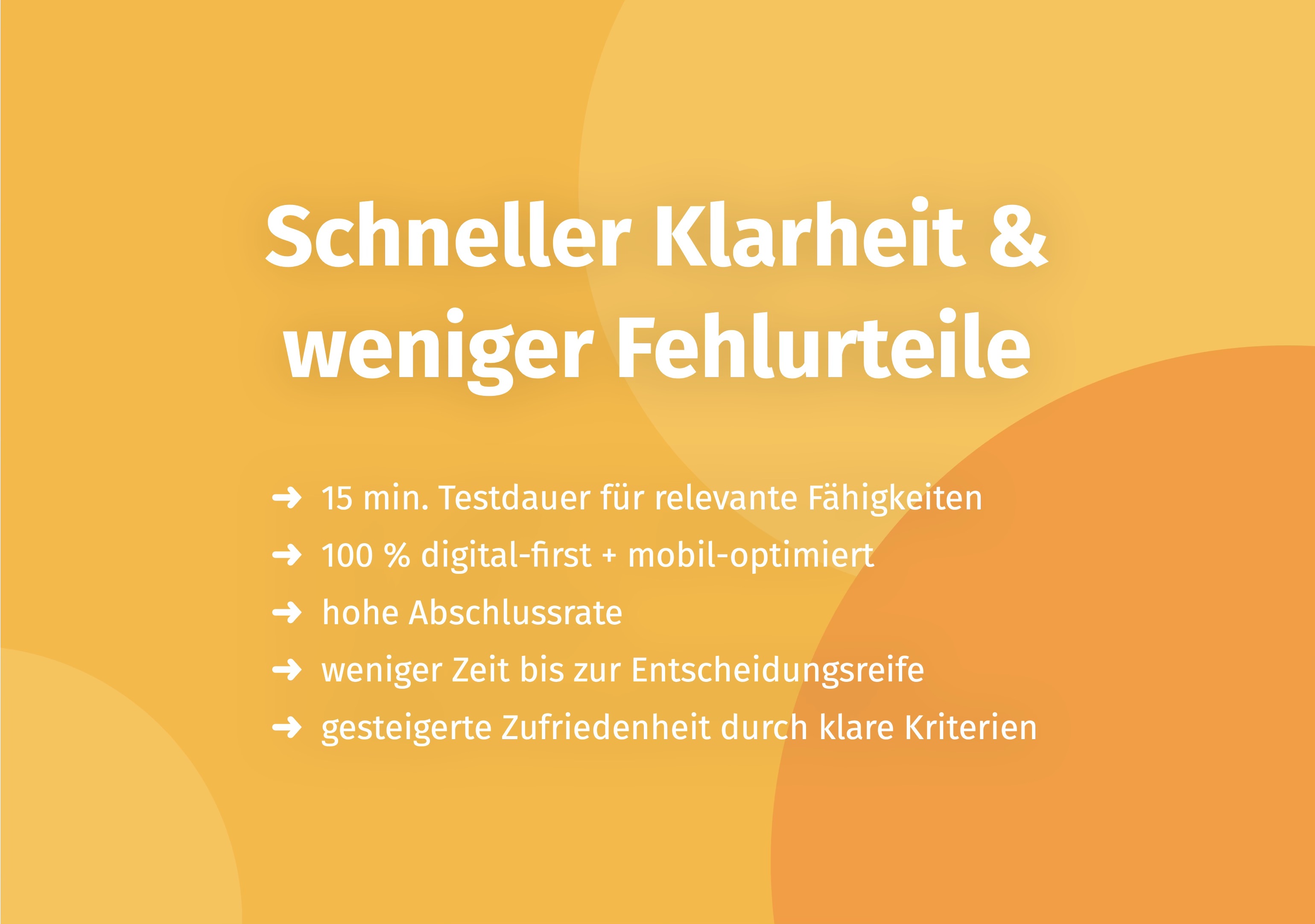
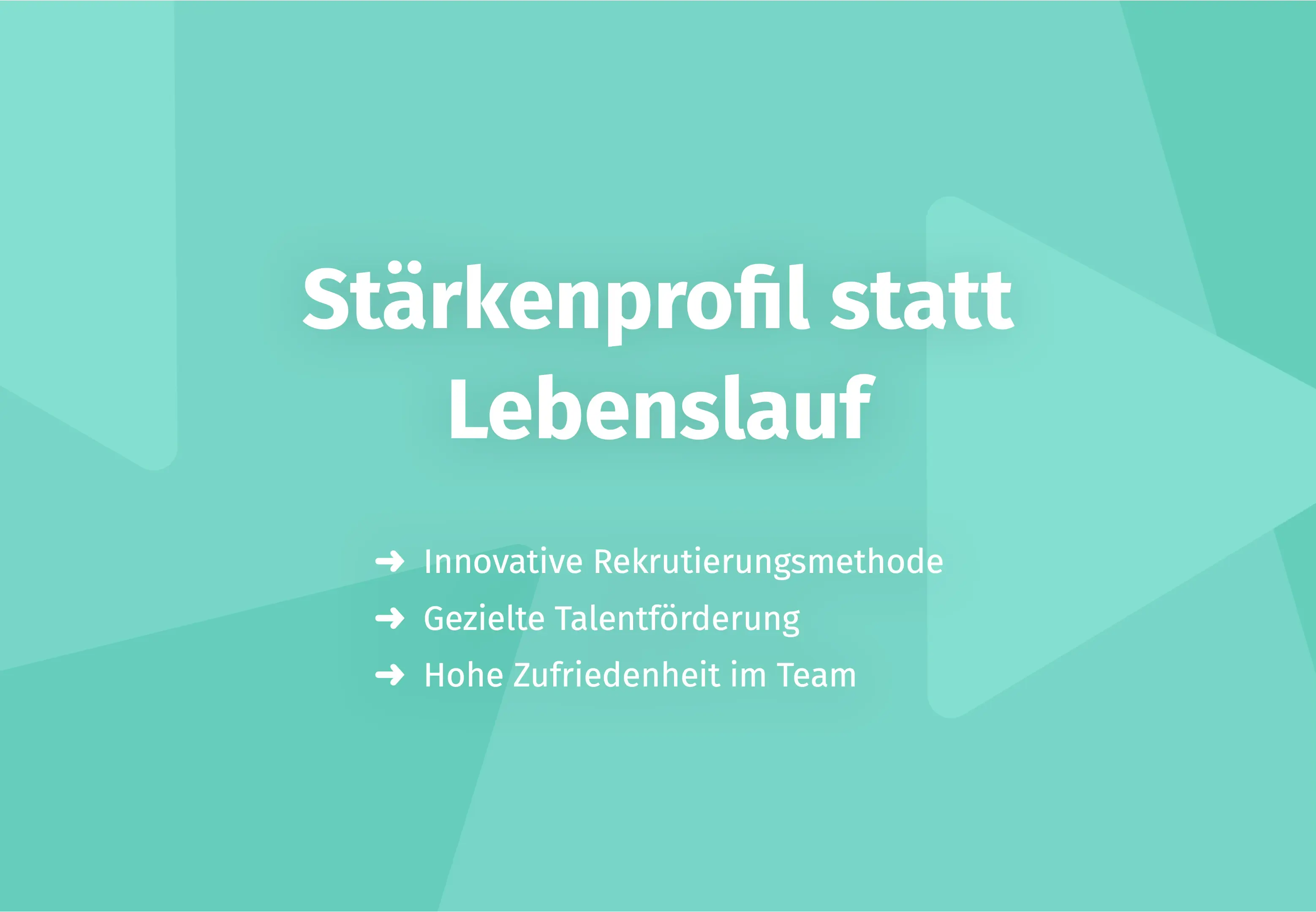
A growing area of recommendation for HR consultants is scientifically grounded talent assessment: rather than evaluating candidates solely on the basis of CVs and interviews, forward-thinking organisations are turning to validated assessments that measure competencies, personality traits, and potential in an objective and structured way. This reduces unconscious bias in hiring decisions and improves the predictive quality of selection outcomes.
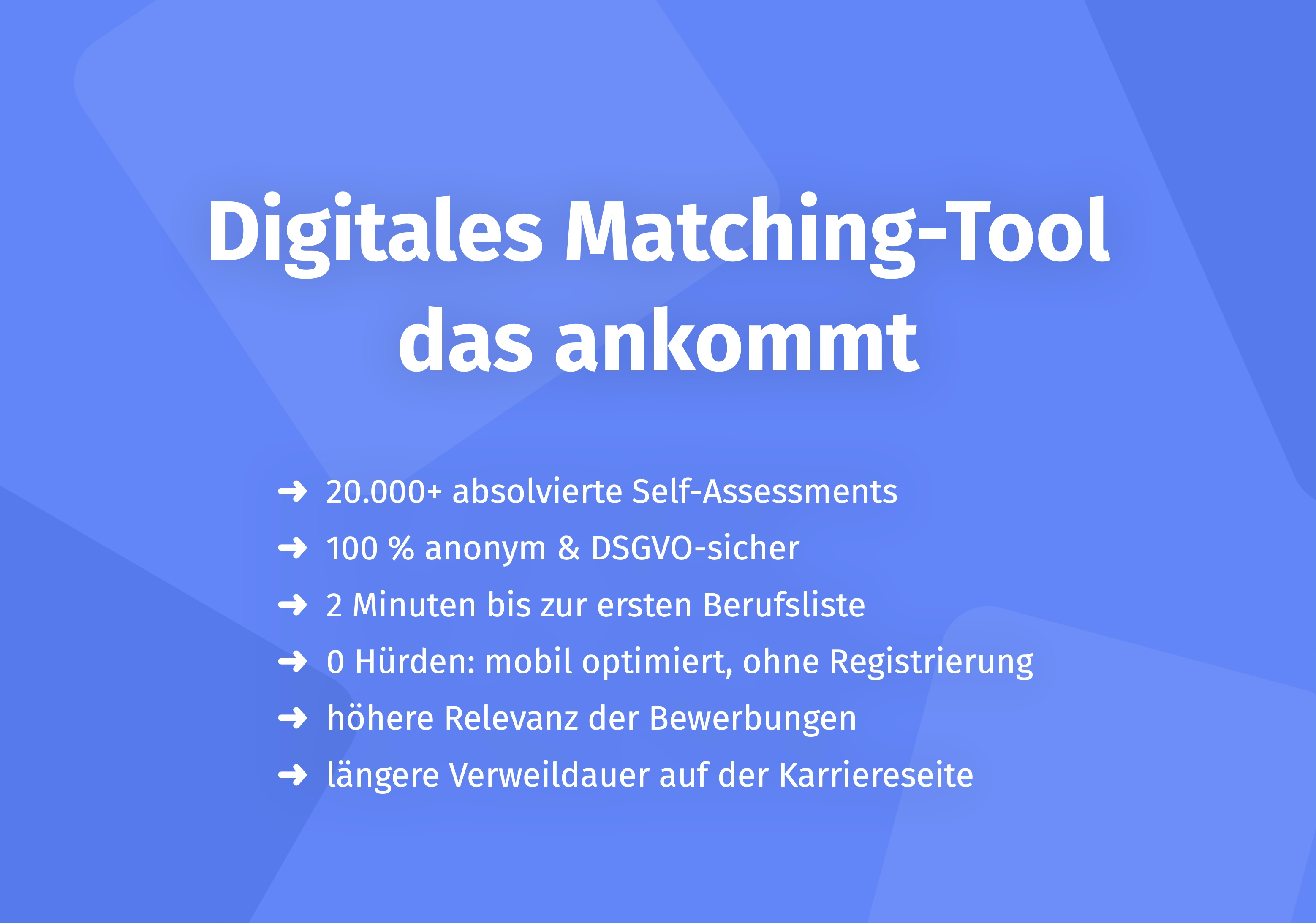
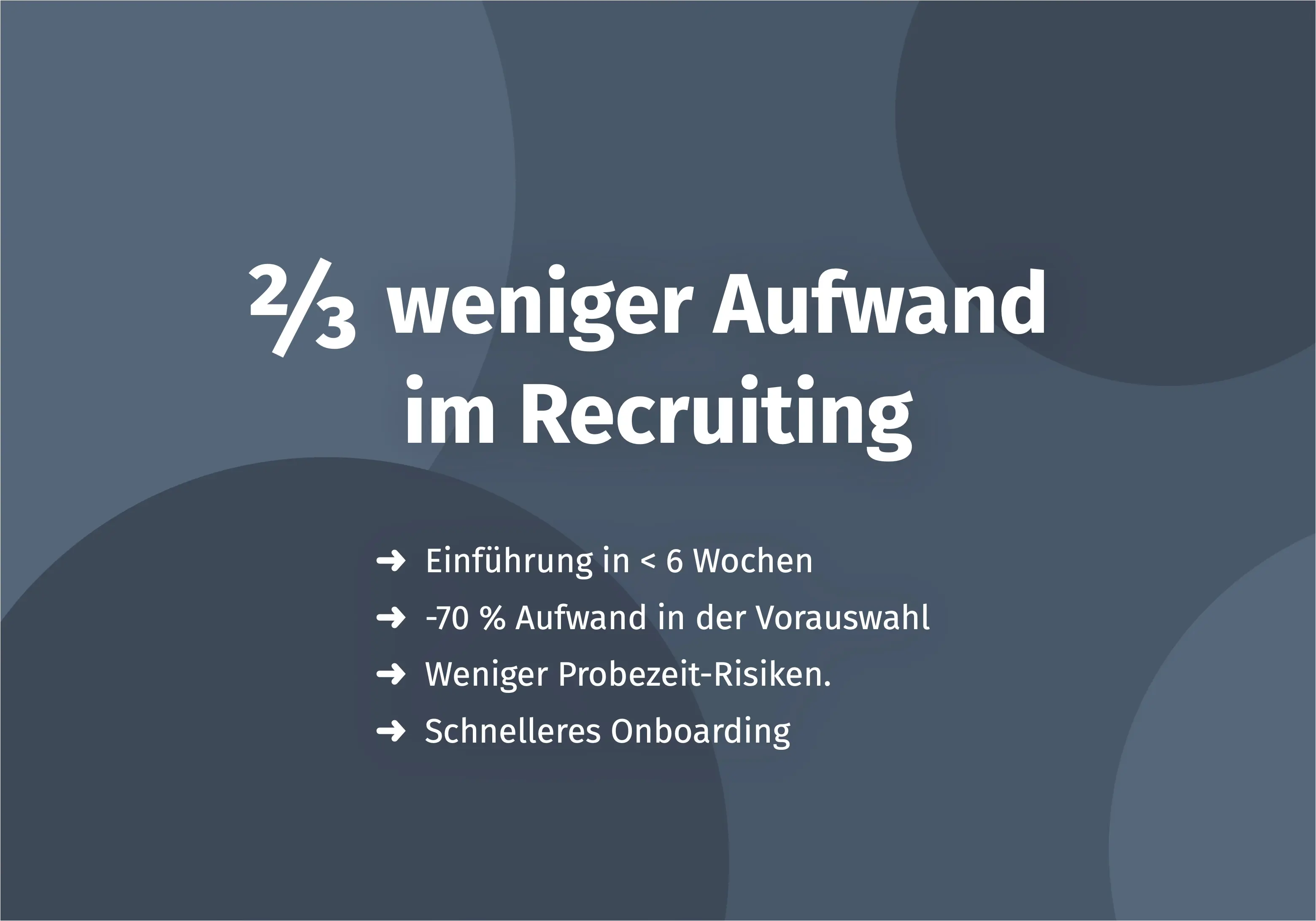
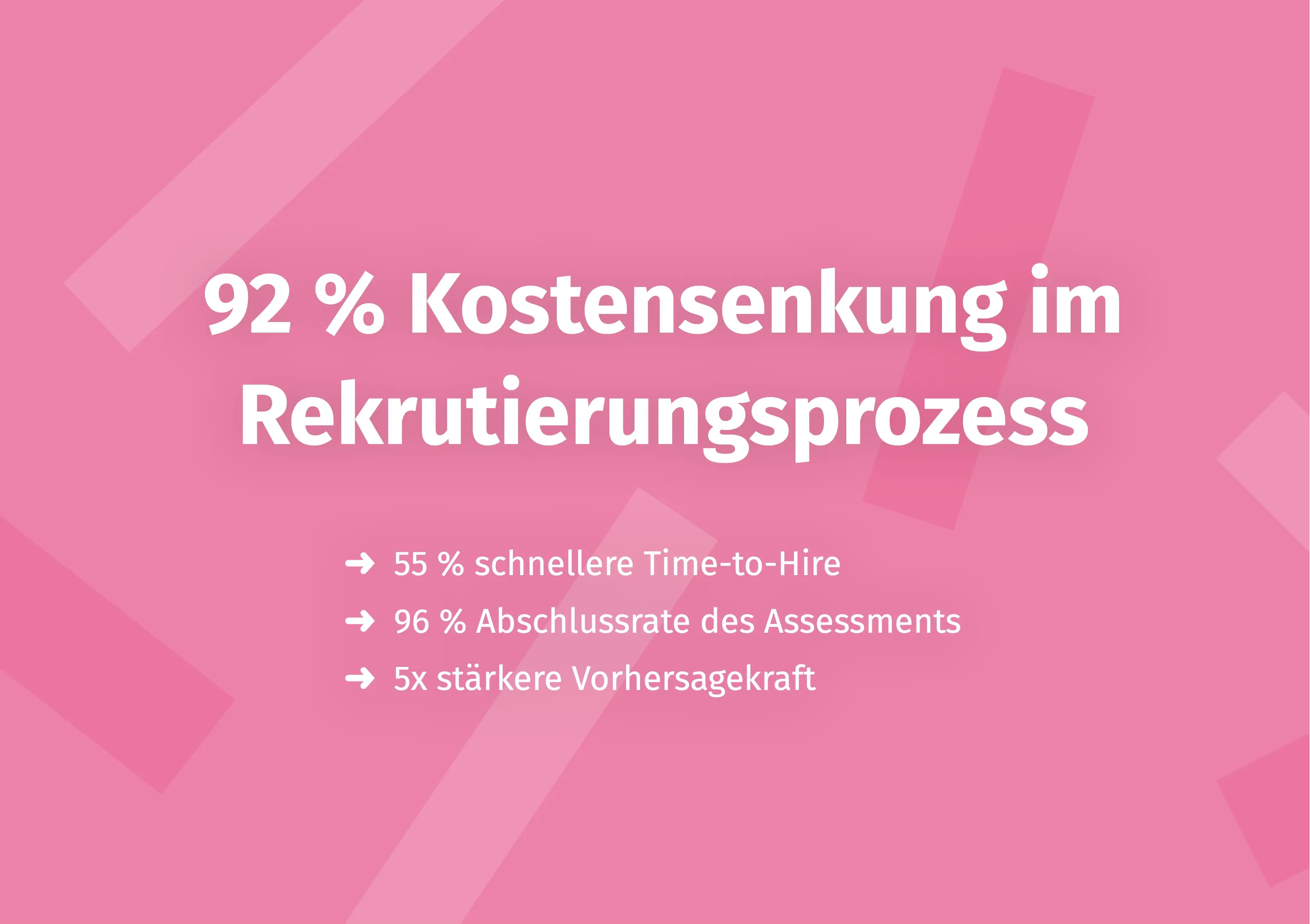
The digital platform Aivy, a scientific spin-off of Freie Universität Berlin, offers game-based assessments and standardised questionnaires that HR consultants can recommend to their clients as part of a modern selection process. The results speak for themselves: after introducing objective talent diagnostics, MCI Deutschland reduced time-to-hire by 55% and cost-per-hire by 92%. Read more in the MCI case study.
Costs and Compensation
Day Rates for External HR Consultants
The cost of external HR consulting varies considerably depending on experience, specialisation, and region. According to the BDU market study, the following figures serve as a general benchmark:
- Day rate: approx. €800 – €2,500
- Hourly rate: approx. €100 – €300
- Project flat fees: negotiated individually based on scope and duration
According to the BDU – Bundesverband Deutscher Unternehmensberater (Federation of German Management Consultants), the market for HR consulting in Germany is growing steadily, driven by the shortage of skilled workers, digitalisation pressure, and increasing HR complexity.
Salary for Internal HR Consultants
Internal HR consultants in Germany typically earn between €50,000 and €80,000 gross per year, depending on company size, industry, and level of experience. In large corporations or at senior level, higher salaries are common.
Qualifications and Training
There is no single, standardised path into HR consulting. In practice, the following qualifications are common:
Relevant degree programmes:
- Business Administration (BA/BSc) with an HR focus
- Psychology / Organisational Psychology
- Education / Adult Learning
- Social Sciences
Professional experience: A minimum of 3–5 years of hands-on HR experience is typically expected before transitioning into a consulting role.
Further training and certifications:
- SHRM (Society for Human Resource Management): internationally recognised HR certification
- CIPD (Chartered Institute of Personnel and Development): widely respected, particularly in the UK and internationally
- DGFP (Deutsche Gesellschaft für Personalführung): certification programmes for HR professionals in the German-speaking market
- Specialist HR training programmes offered by business schools and professional bodies
Key soft skills: Analytical thinking, structured communication, empathy, facilitation skills, and a genuine willingness to continuously develop expertise across new HR topics.
Frequently Asked Questions About HR Consultants
What does an HR consultant do?
An HR consultant helps organisations develop and optimise their people management. The scope of work includes strategic workforce planning, recruiting process optimisation, HR tool implementation, change management support, and employer branding. Consultants can work internally (as employees) or externally (on a project basis).
What is the difference between an HR consultant and a recruiter?
An HR consultant advises organisations holistically on people strategy and processes. A recruiter specialises in the active search and direct approach of candidates for specific positions (headhunting) and is typically paid per successful placement. HR consultants tend to work with a broader remit over a longer time horizon.
When do I need an external HR consultant?
External HR consulting makes sense when there is no internal HR expertise available, when a complex one-off project is on the horizon, when an outside perspective is needed, or when the organisation is scaling quickly and needs to establish HR structures rapidly.
How much does an HR consultant cost?
External HR consultants typically charge day rates of approximately €800 – €2,500 or hourly rates of approximately €100 – €300. Exact costs depend on experience, specialisation, and project scope. Internal HR consultants typically receive an annual gross salary of €50,000 – €80,000.
What qualifications does an HR consultant need?
A degree in business administration, psychology, or organisational psychology is typical, along with at least 3–5 years of professional HR experience and relevant further training (e.g. SHRM, CIPD, DGFP). The most important soft skills include analytical thinking, strong communication, and empathy.
How do I become an HR consultant?
The typical path involves a relevant degree, several years of operational HR experience within an organisation, and targeted professional development. Many HR consultants specialise in a niche – such as recruiting, compensation, or HR digitalisation – before going freelance or joining a consulting firm.
How do I measure the success of HR consulting?
The most effective approach is to define KPIs upfront: time-to-hire, cost-per-hire, employee satisfaction, turnover rate, or ROI (cost savings versus consulting fees). A before-and-after comparison of relevant metrics, combined with qualitative feedback from managers and employees, provides a complete picture.
What is human resources consulting?
Human resources consulting is the umbrella term for external advisory services in the people management space. The scope ranges from one-to-one coaching and process consulting to comprehensive organisational and strategic advisory work. Providers include large consulting firms (e.g. Kienbaum, Mercer) as well as specialist independent consultants.
Conclusion
HR consultants are in high demand at a time when people management must become more strategic, digital, and data-driven. Whether internal or external, what matters most is that HR consulting is grounded in clear objectives, works with measurable KPIs, and helps organisations better attract, develop, and retain their most important asset: their people.
Anyone working as an HR consultant – or engaging external consulting services – should actively explore modern talent assessment methods. Scientifically validated assessments that reduce unconscious bias and measurably improve the quality of hiring decisions are becoming an increasingly important area of recommendation in professional HR consulting.
Want to learn more about how objective talent diagnostics can professionalise your recruiting process? Find out more about the Aivy platform.
Sources
- BDU – Bundesverband Deutscher Unternehmensberater: Market Study on HR Consulting. BDU e.V., 2024. https://www.bdu.de/studien/
- DGFP – Deutsche Gesellschaft für Personalführung: HR Management Guidelines. DGFP e.V., 2024. https://www.dgfp.de
- Kienbaum Consultants International: HR Trend Study 2024. Kienbaum, 2024.
- Haufe Personalmagazin: HR Consulting in Transition. Haufe, 2024. https://www.haufe.de/personal

Make a better pre-selection — even before the first interview
In just a few minutes, Aivy shows you which candidates really fit the role. Beyond resumes based on strengths.