
Generation Z refers to people born roughly between 1997 and 2012 – the first generation to have grown up entirely with smartphones and social media. In the workplace, Gen Z places particular importance on meaningful work, work-life balance, diversity, and fast digital processes. For HR professionals, this means that traditional recruiting methods often no longer cut it – what's needed are innovative, fair, and technology-driven selection processes.
What Is Generation Z? Definition and Birth Years
Generation Z – also known as "Gen Z" or "Zoomers" – encompasses everyone born approximately between 1997 and 2012. The exact boundaries vary slightly depending on the source, but are largely consistent in research. Generation Z is followed by Generation Alpha (born from around 2013 onwards), while the preceding cohort of Millennials (also known as Generation Y) covers those born between 1981 and 1996.
What makes Generation Z unique: they are the first generation to have never known a world without smartphones, social media, and always-on internet. The term "Digital Native" – someone who grew up with digital technology from childhood and uses it as second nature – applies to Gen Z even more strongly than to Millennials. While Millennials experienced the digital age as a transformation, for Gen Z it is simply the default state of the world.
Socially, Generation Z has been shaped by a series of defining events: the global financial crisis, the rise of social movements such as #MeToo and Fridays for Future, and the COVID-19 pandemic, which affected many of them during critical years of education and career entry.
Characteristics of Generation Z
Values and Attitudes
Generation Z is widely regarded as pragmatic, security-conscious, and socially engaged. According to the Deloitte Global Gen Z and Millennial Survey (2024), work-life balance, mental health, and making a meaningful contribution to society rank among the top priorities for young workers. The concept of purpose – the question of why one does something, not just what one does – plays a central role in how Gen Z evaluates potential employers.
At the same time, Gen Z is more focused on financial security than the Millennials before them. Precarious employment conditions, housing market instability, and the economic consequences of the pandemic have left a strong desire for stability. Diversity, equal opportunity, and inclusion are not abstract ideals for Gen Z – they are concrete expectations of employers.
Working Style and Communication
In day-to-day work, Gen Z is accustomed to communicating quickly, visually, and asynchronously. Long email chains or weekly check-ins without a clear agenda feel inefficient to many Gen Z employees. Feedback is not seen as an annual event but is expected as an ongoing, continuous process.
Psychological safety – the sense that one can speak openly in a team, admit mistakes, and share ideas without fear of negative consequences – is a decisive factor for Gen Z when evaluating workplace environments. A healthy feedback culture and transparency are not nice-to-haves; they are baseline requirements.
Differences from Millennials
While both generations are considered digitally savvy, there are significant differences. Millennials grew up experiencing the shift to digitalisation; Gen Z has never known anything different. Millennials tended to be idealistic and optimistic; Gen Z is more pragmatic and less naive about corporate values – they look more closely at whether promises are actually kept. In social media, platform preferences have shifted from Facebook and LinkedIn (Millennials) to TikTok, Instagram, and YouTube Shorts (Gen Z).
Generation Z in the Labour Market
Current Figures and Trends
Generation Z has been entering the labour market in large numbers for several years. By 2030, a significant share of the working population will come from Gen Z birth years. According to the Gallup Engagement Index (2023), the emotional connection young employees feel towards their employers in Germany is comparatively low – an indication that many companies have yet to meet the expectations of this generation.
The Trendence Graduate Barometer (2024) shows that university graduates, alongside salary, place particular emphasis on development opportunities, flexible working hours, and a values-driven corporate culture when choosing an employer. Companies that fail to deliver on these fronts quickly lose ground in the competition for young talent.
What Gen Z Expects from Employers
The expectations Gen Z has of employers can be distilled into a few core points:
- Meaningful work: The job should contribute – to society, to the company's goals, and to personal growth.
- Flexibility: Flexible working hours and the option to work remotely are largely considered baseline expectations.
- Regular feedback: Timely, constructive feedback is expected – not just at the annual review.
- Diversity and fairness: Gen Z is sensitive to unequal treatment and expects transparent, fair selection processes.
- Career prospects: Training opportunities, mentoring, and clear development pathways are important retention factors.
Recruiting Generation Z Successfully
Mobile-First and Fast Processes
Gen Z applies for jobs the way it communicates: on mobile, quickly, and without friction. An application process involving multi-step forms, long waiting periods, and paper-based steps is off-putting to many Gen Z candidates. Mobile-optimised career pages, prompt responses, and streamlined processes are not optional – they are essential.
Employer branding plays an increasingly important role here: Gen Z researches potential employers thoroughly – on social networks, on review platforms such as Glassdoor, and through personal recommendations. Authentic communication that shows what it is really like to work at a company is far more persuasive than polished corporate brochures.
Modern Selection Methods Instead of Traditional CV Screening
Classic CV screening has structural weaknesses in Gen Z recruiting: it favours candidates with linear educational biographies, overlooks potential beyond formal qualifications, and is susceptible to unconscious bias – such as ageism (discrimination based on age, which can also affect young candidates) or affinity bias, where recruiters tend to favour candidates who are similar to themselves. For more on this, see the article on Unconscious Bias in Recruiting.
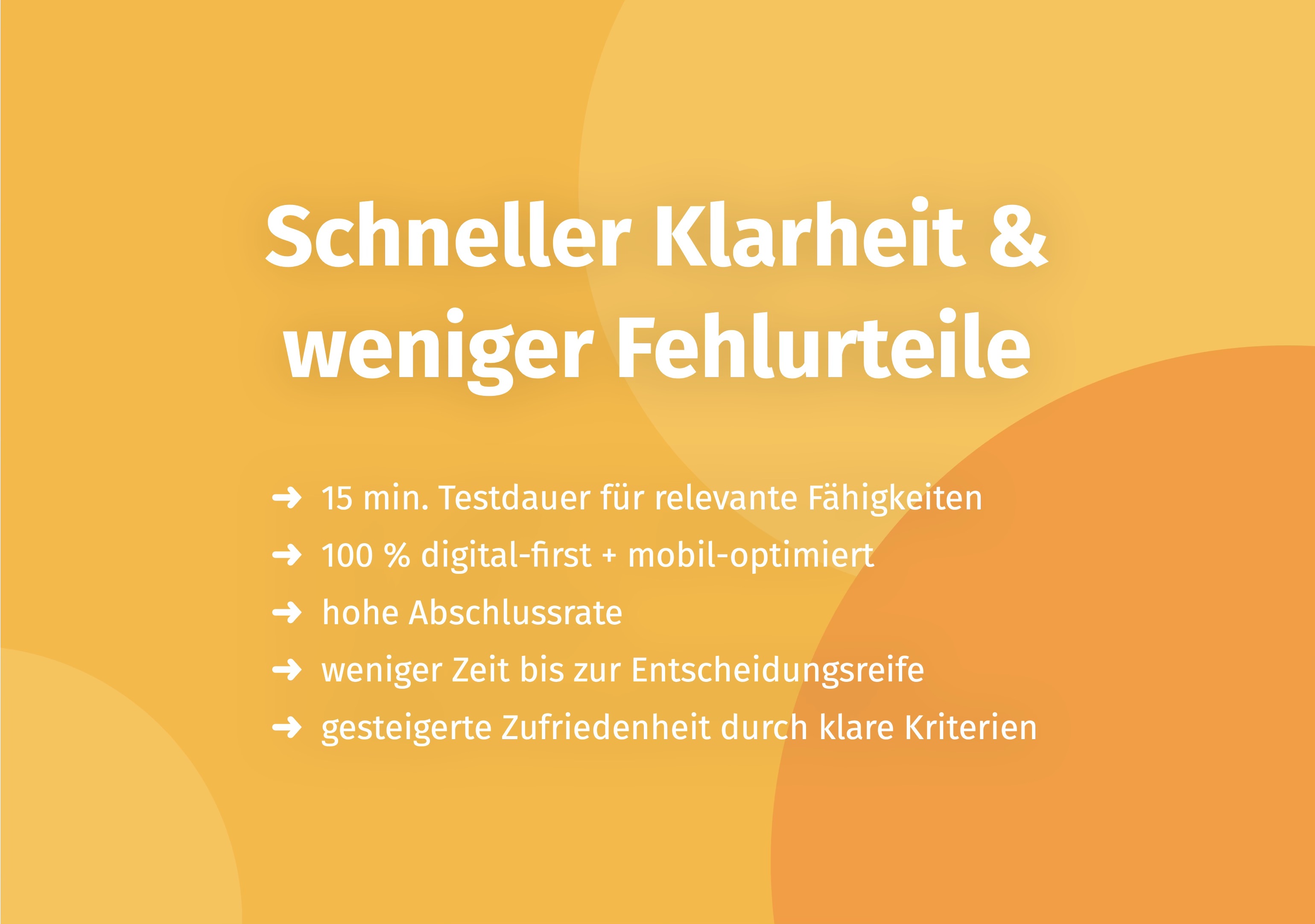
At the same time, a playfully designed, digital selection process fits naturally into Gen Z's world. Assessment methods that measure competencies and personality traits objectively – without relying on a CV – resonate with this generation: they are fast, fair, and signal to candidates that the company genuinely wants to understand their strengths.
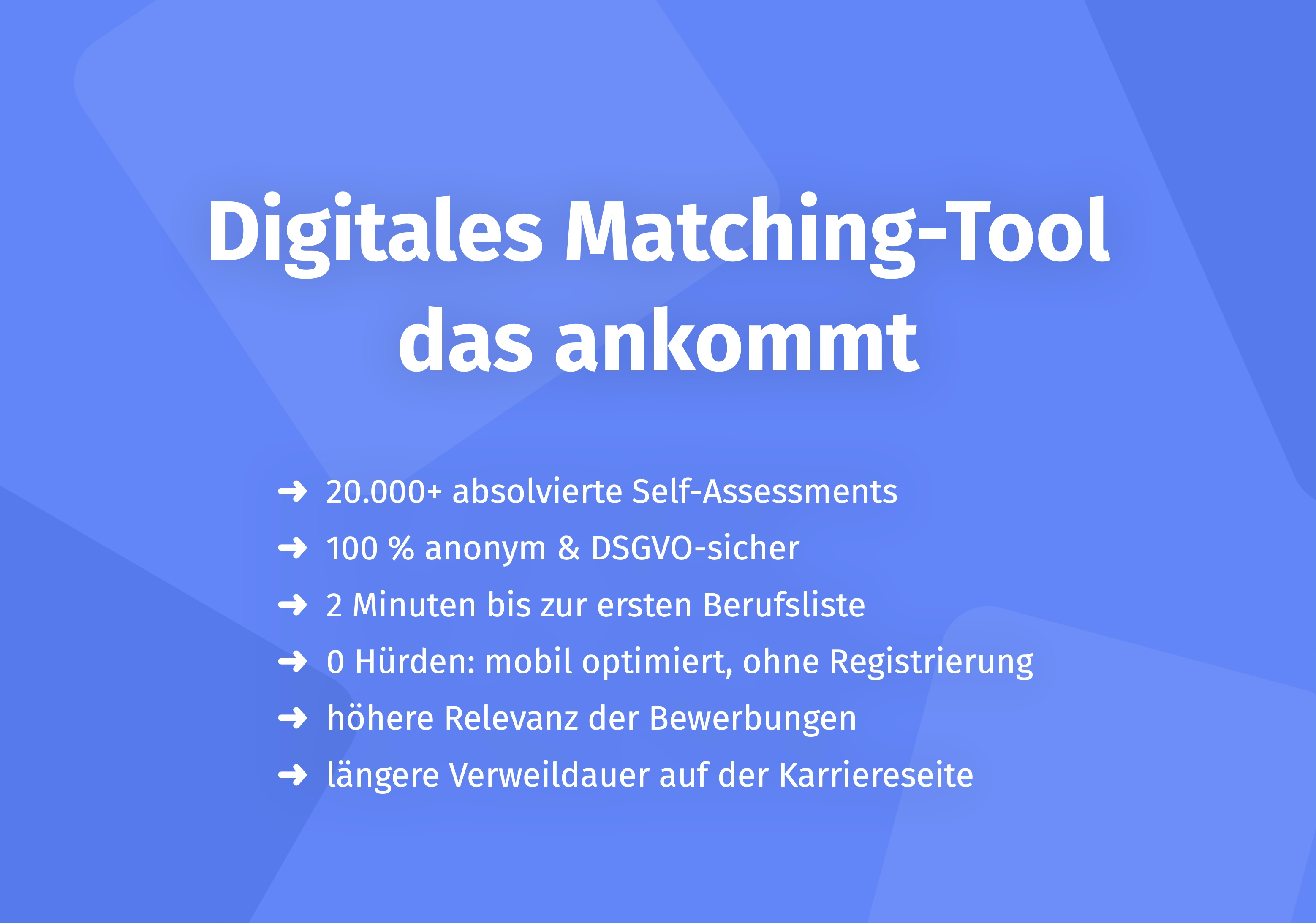
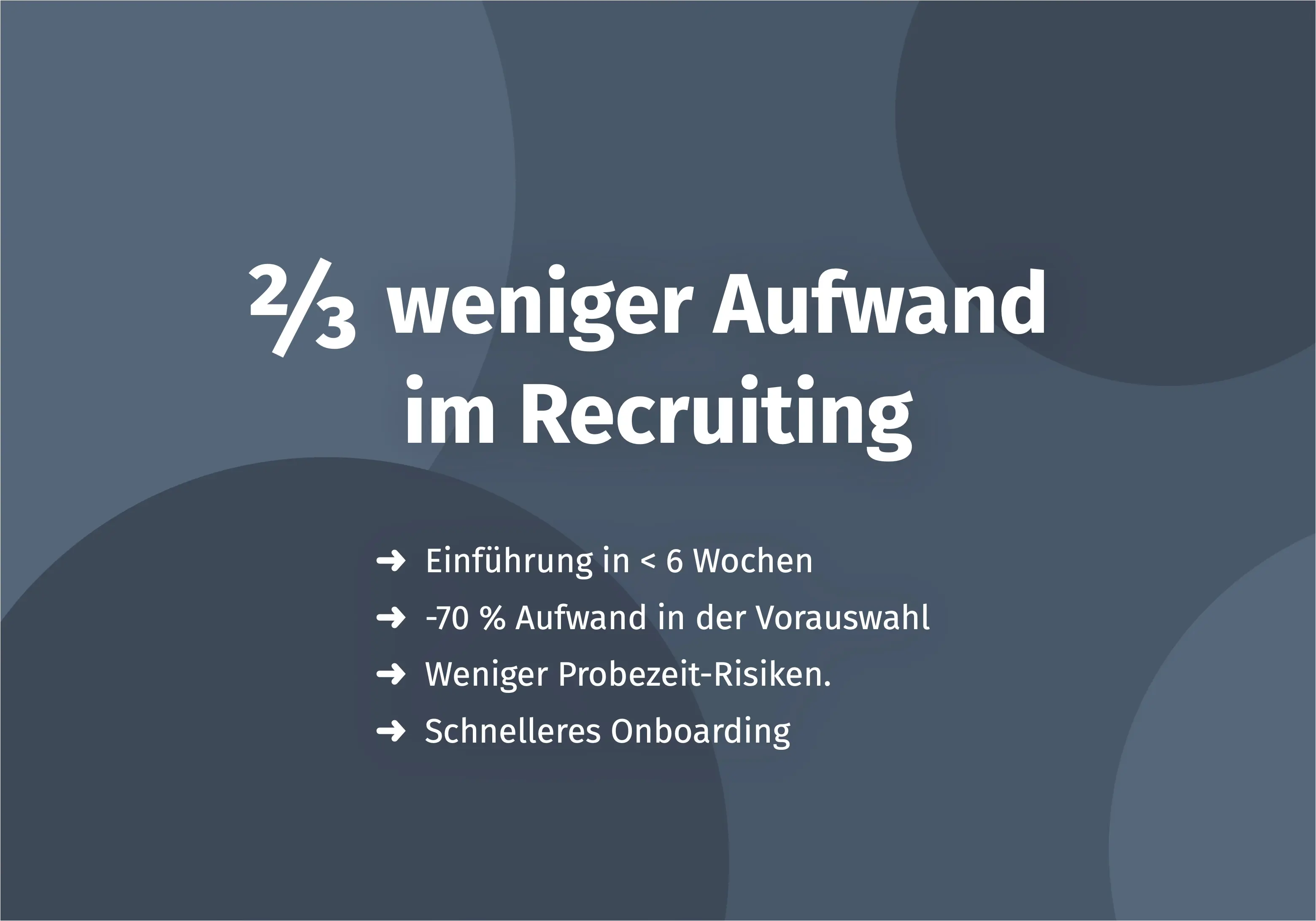
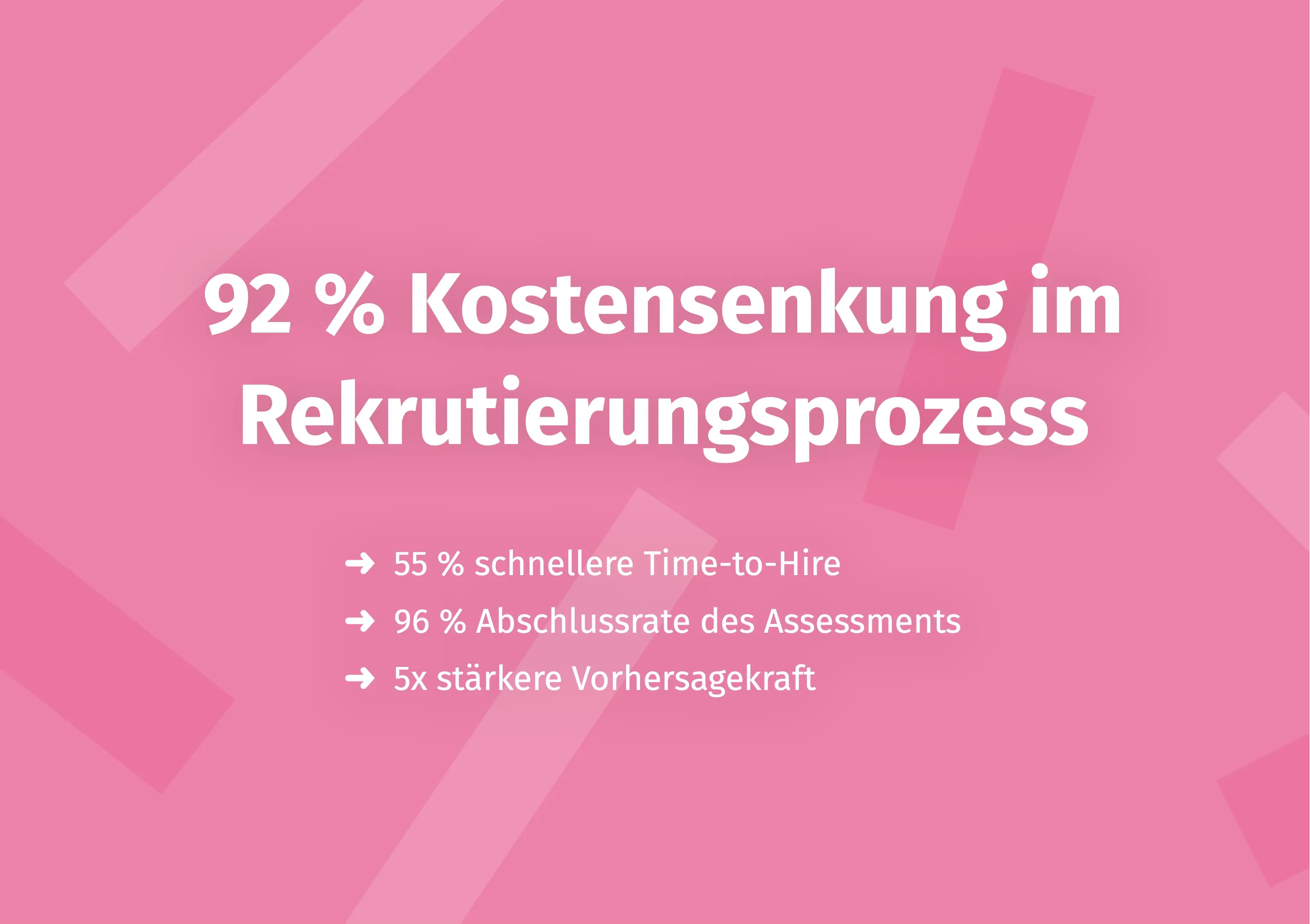
The digital platform Aivy addresses exactly this need: game-based assessments measure scientifically validated competencies and personality traits in a playful format – developed as a spin-off of Freie Universität Berlin and grounded in psychometric methods. The result is a selection process that takes Gen Z candidates seriously, reduces bias, and provides an objective basis for hiring decisions. Companies such as Beiersdorf AG use the platform for student self-assessments, allowing talent to identify at an early stage which areas best match their strengths – while specialist departments receive more targeted applications. Dr. Kevin-Lim Jungbauer, Recruiting and HR Diagnostics Expert at Beiersdorf, describes the approach as "very solid, scientifically grounded, innovative from the candidate's perspective, and altogether brilliantly conceived."
Learn more about potential analysis as a method for objective talent identification.
Common Mistakes in Gen Z Recruiting
Ageism and Unconscious Bias
A widespread but rarely discussed problem: recruiters unconsciously transfer prejudices against young candidates into the selection process. Statements like "not enough experience" or "not yet mature enough" are often not objectively grounded but reflect underlying bias. Anyone who wants to evaluate Gen Z fairly needs selection methods that measure potential – not just past experience.
Overly Long, Analogue Processes
Multi-week response times, mandatory paper-based application portfolios, or assessment centres held exclusively on-site signal to Gen Z candidates: this company does not operate in their world. Organisations that want to compete for young talent invest in candidate experience – from the very first point of contact through to the hiring decision.
Frequently Asked Questions About Generation Z
Which birth years make up Generation Z?
Generation Z generally covers those born between 1997 and 2012. Exact boundaries vary slightly by source. Generation Alpha (born from around 2013) follows Gen Z, while Millennials (1981–1996) came before. Common synonyms include "Zoomers" and "second-generation Digital Natives."
What sets Generation Z apart from Millennials?
Gen Z is the first generation to have grown up entirely without smartphones being a novelty. Compared to Millennials, Gen Z is more pragmatic, more security-focused, and more sceptical of corporate promises. Preferred communication channels have shifted from Facebook and LinkedIn to TikTok, Instagram, and short-form video formats.
What does Generation Z want from an employer?
According to the Deloitte Gen Z Survey (2024), work-life balance, mental health, and meaningful work top the list. Alongside these, flexible working hours, regular feedback, diversity, and genuine career prospects are key expectations. Companies that fail to deliver on these will find Gen Z talent moving on quickly.
How do I motivate Generation Z employees?
Effective motivation comes from a sense of purpose, day-to-day autonomy, and regular, constructive feedback. Micromanagement and rigid hierarchies are demotivating. Modern tools, transparent communication, and a genuine culture of learning from mistakes all strengthen engagement and retention.
Why do Gen Z employees change jobs so frequently?
Common reasons for leaving include a lack of meaningful work, stagnating career development, a toxic workplace culture, and inflexible working models. The Deloitte Gen Z Survey identifies work-life balance as the most frequently cited primary reason for resignation. Transparent onboarding processes and clear development conversations can help counter early attrition.
How do I reach Generation Z in recruiting?
Successful Gen Z recruiting works mobile-first, with short and fast processes and authentic employer branding. Social media recruiting via LinkedIn, TikTok, and Instagram reaches this audience where they are most active. Modern selection methods – such as game-based assessments – signal that the company is both innovative and fair.
How do I lead and manage Generation Z?
A participative leadership style that involves Gen Z employees in decisions and offers transparency is particularly effective. Regular feedback conversations, mentoring opportunities, and psychological safety within the team strengthen retention. Cultural fit – the alignment between personal values and company culture – plays a central role in long-term motivation.
Conclusion
Generation Z is no longer a future forecast – it is the present reality of the labour market. Organisations that want to attract and retain young talent must understand what drives this generation: purpose, fairness, flexibility, and genuine development opportunities. Traditional recruiting approaches are reaching their limits – what's needed are fast, digital, and objective selection processes that make potential visible without depending on formal CVs.
Do you want to reach Gen Z in your recruiting in a fair, efficient, and scientifically grounded way? The digital platform Aivy offers game-based assessments that measure competencies and personality traits objectively – enabling exactly the kind of selection process Gen Z expects: engaging, fast, and free from bias. Learn more about objective talent assessment with Aivy.
Sources
- Deloitte Global Gen Z and Millennial Survey 2024. Deloitte, 2024.https://www.deloitte.com/global/en/issues/work/genz-millennial-survey.html
- Trendence Graduate Barometer 2024. Trendence Institut, 2024.https://www.trendence.com
- Gallup Engagement Index Germany 2023. Gallup, 2023.https://www.gallup.com/de
- Trost, Armin: Generationen im Unternehmen. Springer Gabler, 2022.
- ManpowerGroup Talent Shortage Survey 2024. ManpowerGroup, 2024.https://www.manpowergroup.de/de/

Make a better pre-selection — even before the first interview
In just a few minutes, Aivy shows you which candidates really fit the role. Beyond resumes based on strengths.