
Generation Y (also known as Millennials) refers to the generation born between approximately 1981 and 1996 – today the largest group in the workforce. Millennials place particular importance on meaningful work, work-life balance, digital working methods and a transparent company culture. For HR professionals, this means: anyone who wants to attract and retain Millennials must adapt their recruiting processes, leadership approach and employer branding accordingly.
What is Generation Y? Definition and Birth Years
Generation Y refers to the cohort of people born between approximately 1981 and 1996. The term follows simply from alphabetical order: after Generation X comes Generation Y. The parallel term "Millennials" was coined by US authors Neil Howe and William Strauss, who described this generation in their seminal work Millennials Rising (2000) as the cohort that came of age around the turn of the millennium.
Where does the term "Millennials" come from?
The term "Millennials" refers to the millennium that shaped this generation: they grew up during the internet boom, experienced the turn of the millennium as children or teenagers, and entered a rapidly digitalising workforce. In Germany, Generation Y currently comprises around 13 to 15 million people.
Which birth years belong to Generation Y?
Depending on the source, the exact birth years vary slightly (1980–1994 or 1982–1996). There is no single agreed scientific consensus. The most commonly used definition is: born approximately 1981 to 1996. The transitions to Generation X (born approximately 1965–1980) and Generation Z (born from approximately 1997 onwards) are gradual – people at the edges of these generations often share characteristics of both cohorts.
Characteristics of Generation Y – What defines Millennials
The characteristics of Generation Y are the result of specific historical, technological and social influences. Importantly, generational traits are statistical tendencies, not absolute properties of every individual.
Digital Natives: Growing up with the internet
Millennials are the first generation to have grown up with the internet – not as Digital Natives in the strictest sense (that applies even more strongly to Generation Z), but as pioneers of the digital transformation. Email, early social networks and smartphones became part of their daily lives before they entered the workplace. Digital communication, mobile working and technology-based tools are second nature to them.
Purpose and meaning
A central characteristic of Generation Y is the search for meaningful work. According to the annual Deloitte Global Millennial Survey, many Millennials report that a company's societal impact plays a decisive role in their choice of employer. Work should not merely provide an income, but should make a contribution – whether to personal development, society or the environment.
Work-life balance and flexibility
Millennials place considerably more value on work-life balance than previous generations. Flexible working hours, remote work options and the ability to organise professional and personal life on their own terms are not extras for many members of this generation, but basic requirements. According to ManpowerGroup (Millennial Careers: 2020 Vision), Millennials often prioritise learning and personal development over pure salary maximisation.
Team orientation and flat hierarchies
Generation Y enjoys working in teams, values collaborative structures and prefers flat hierarchies over authoritarian management models. Regular, constructive feedback is taken for granted – not just in the annual performance review, but continuously throughout the working day.
Generation Y at Work – What Millennials Expect from Employers
The German Society for Human Resource Management (DGFP) emphasises in its HR Report that generational management has become a central HR task. Millennials' expectations of employers can be grouped into three core areas:
Leadership on equal terms
Hierarchical management based on the "command and control" principle frequently meets resistance from Generation Y. What is needed is transformational leadership: managers who inspire, convey purpose, promote development and enable genuine autonomy. Employees want to understand why decisions are made – transparency is not a bonus, but an expectation.
Development and further training
Millennials are eager to learn. Companies that offer no clear development paths, training opportunities or mentoring programmes risk losing Millennials quickly. The high job-switching rate of this generation – according to the Deloitte Millennial Survey, around 49% of Millennials consider changing jobs within two years – is frequently attributed to a lack of development prospects.
Transparency and feedback
Regular feedback, open communication and transparency regarding company goals, salary bands and career prospects are critical for Generation Y. Companies that meet these expectations gain not only in employee retention, but also in employer branding – a key lever in the competition for talent.
Generation Y vs. Generation Z – Similarities and Differences
Generation Y and Generation Z are often mentioned in the same breath. However, there are relevant differences that matter for HR professionals in both recruiting and leadership:
| Characteristic | Generation Y (approx. 1981–1996) | Generation Z (approx. 1997–2012) |
|---|---|---|
| Digitalisation | Grew up with the internet | Smartphones from childhood |
| Basic attitude | Optimistic, idealistic | Pragmatic, security-oriented |
| Willingness to change jobs | High | Moderate – crisis experience (COVID-19) drives desire for stability |
| Career focus | Development and purpose | Stability and work-life integration |
| Communication | Email, social networks | Messaging apps, short videos, visual media |
| Recruiting preferences | Digital process, candidate experience | Mobile-first, short processes, authenticity |
| Leadership | Flat, transparent, feedback-oriented | Similar – additionally: guidance and security |
Both generations share values such as sustainability, fairness and a desire for flexibility. In recruiting, however, Generation Z responds even more strongly to extremely short application processes, authentic insights into everyday working life and mobile optimisation.
Generation-Appropriate Recruiting – Tips for HR Professionals
Anyone who wants to successfully attract Millennials must consistently design the recruiting process from their perspective.
Employer branding for Millennials
Generation Y chooses employers consciously. A company's purpose, culture and values must be visible – on the careers page, in social networks and in job interviews. Transparency about salary, responsibilities and team dynamics is not an optional extra, but a prerequisite for a positive candidate experience.
Optimising the candidate experience
Millennials are accustomed to completing digital processes within minutes. Long, bureaucratic application forms, a lack of feedback and opaque processes are a deterrent. HR professionals should invest in fast, mobile-optimised application processes, communicate regularly and demonstrate appreciation during the process itself – not only after a decision has been made.
Using modern selection methods
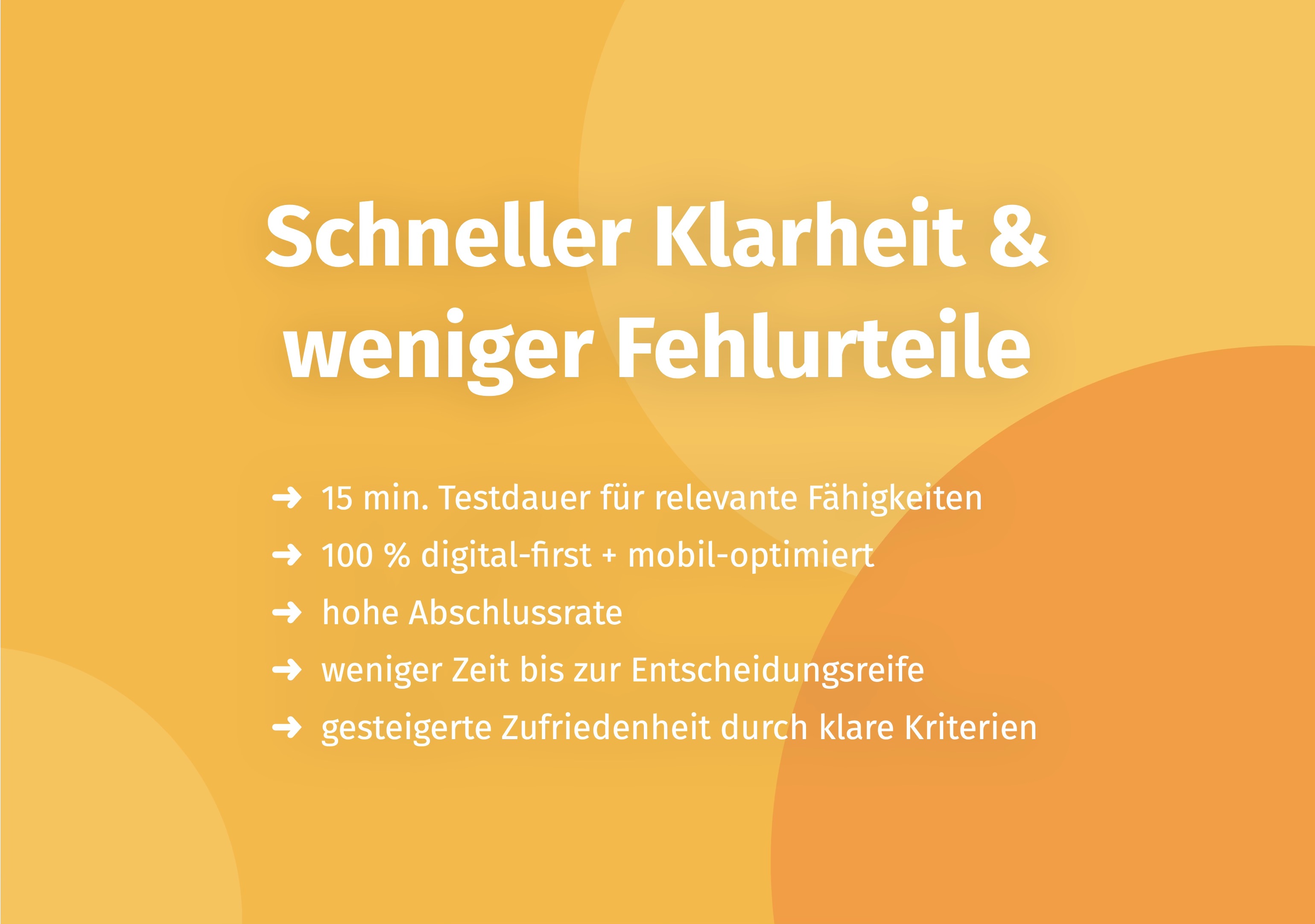
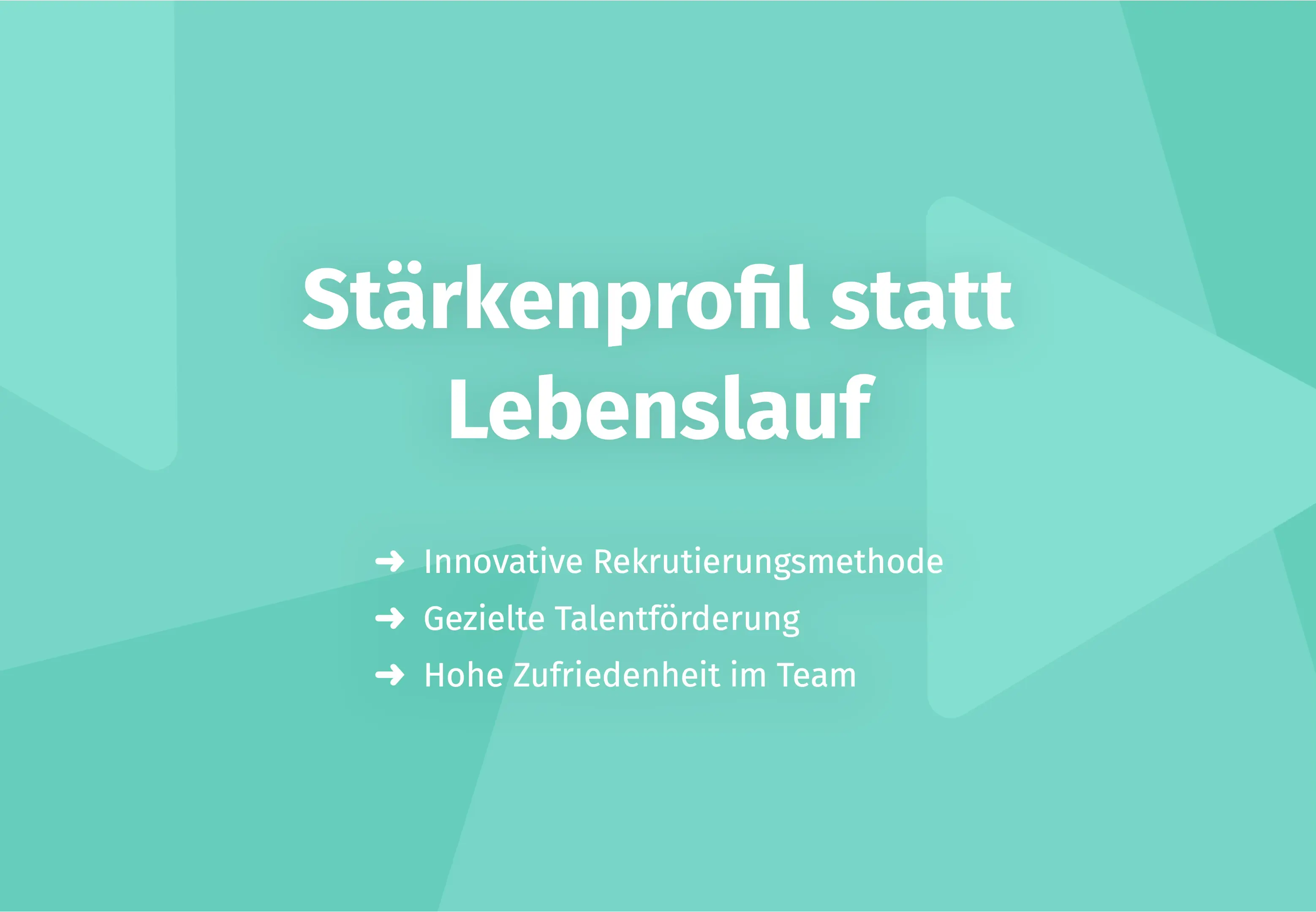
Traditional CVs and academic transcripts say little about whether someone is a good fit for a role and a team. Generation Y expects fairness and transparency here: selection processes should be comprehensible and objective. Modern assessments – for example, scientifically validated personality and competency measures – meet this expectation while simultaneously reducing unconscious bias in hiring decisions.
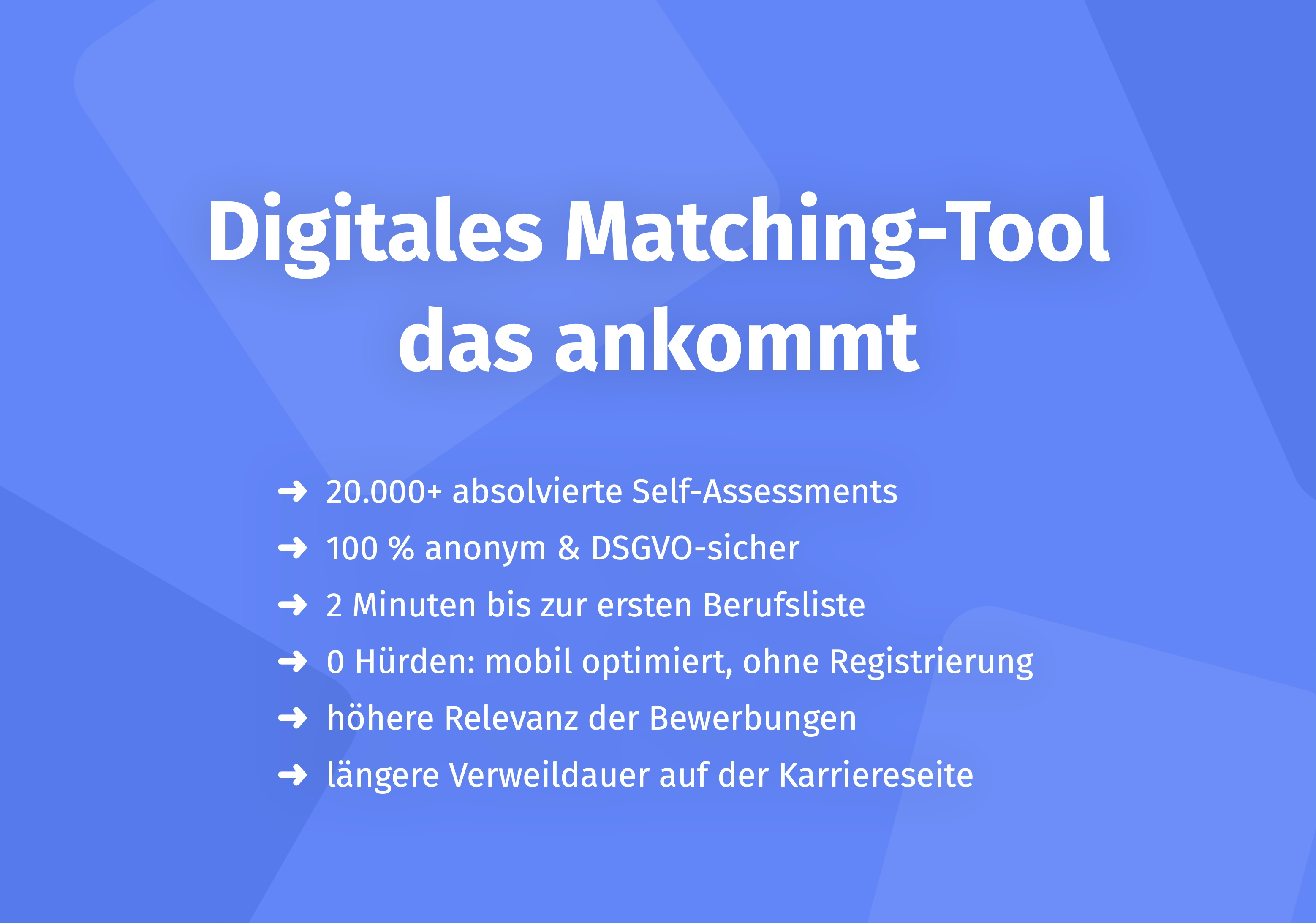
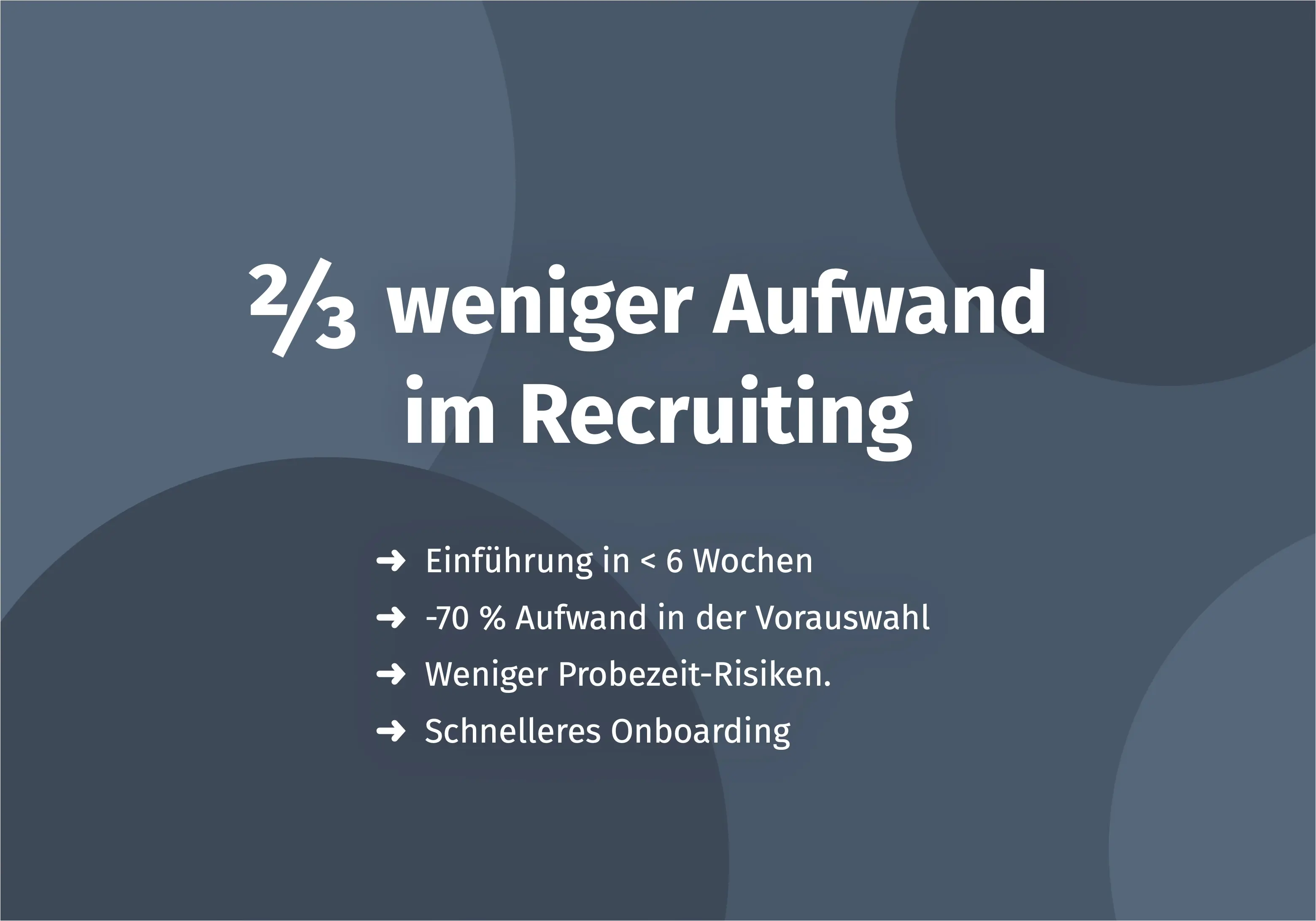
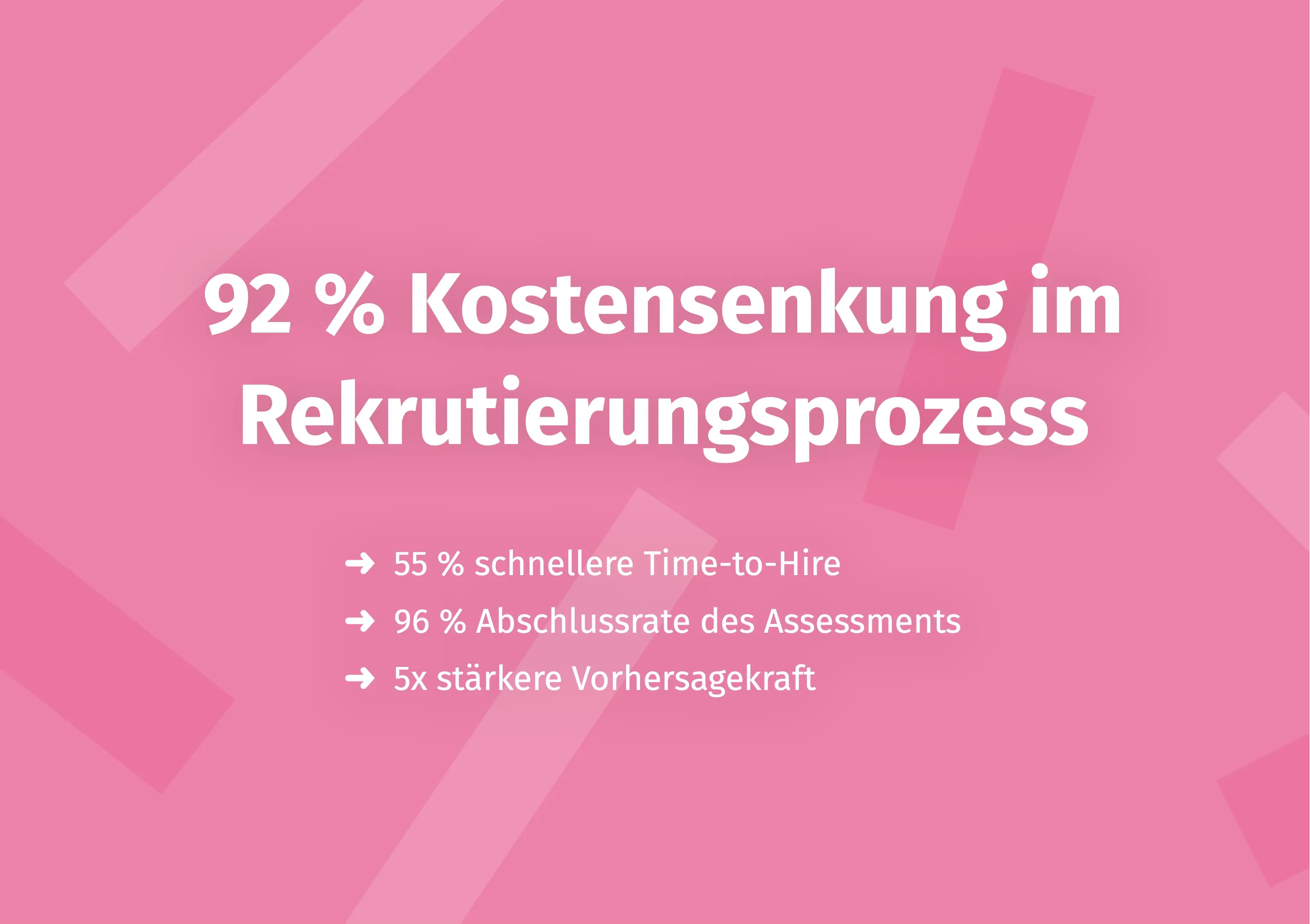
The digital platform Aivy takes exactly this approach: game-based assessments and scientifically grounded questionnaires measure strengths and potential objectively – independent of CV or grades. Beiersdorf uses this approach specifically for students, making job matching transparent and showing young talent early on which areas align with their strengths. Dr Kevin-Lim Jungbauer, Recruiting and HR Diagnostics Expert at Beiersdorf AG, describes the approach as "very solid, scientifically founded, innovative from the candidate's perspective too, and simply very well thought through overall." Learn more about objective assessments with Aivy: landingpage.aivy.app
Frequently Asked Questions about Generation Y
Which birth years belong to Generation Y?
The most commonly used definition covers birth years from approximately 1981 to 1996. Depending on the source, the boundaries vary slightly (1980–1994 or 1982–1996). There is no single agreed scientific consensus. The transitions to Generation X and Generation Z are gradual. In Germany, Generation Y comprises around 13 to 15 million people. The term "Millennials" was coined by Neil Howe and William Strauss.
What are the typical characteristics of Generation Y?
Millennials are Digital Natives (grew up with the internet), frequently hold university degrees and place great importance on meaningful work. Work-life balance matters more to them than pure career advancement. They prefer flat hierarchies, value regular feedback and are team-oriented. Their willingness to change jobs is high – on average every two to three years.
How does Generation Y differ from Generation Z?
Generation Z (born from approximately 1997) is even more digitally shaped and grew up with smartphones. Having experienced crises such as COVID-19 and the climate crisis, Gen Z shows a stronger orientation towards security and greater pragmatism. Generation Y tends to be more optimistic and career-ambitious. In recruiting, Gen Z responds even more strongly to mobile-first processes, very short application procedures and authenticity. Both generations share values such as sustainability, fairness and a desire for flexibility.
What does Generation Y expect from employers?
Millennials expect above all: meaningful work (purpose), flexible working hours and remote work options, clear development and training prospects, transparent communication and regular feedback, as well as flat hierarchies with genuine opportunities for input and autonomy. A fair, modern recruiting process is also part of their employer expectations.
How do you successfully recruit Generation Y?
Effective recruiting measures for Millennials include: visible employer branding with clear company values, a fast and digital application process (mobile-optimised, minimal forms), an appreciative candidate experience, transparency about salary, responsibilities and team culture, and innovative selection methods instead of traditional paper applications. Short time-to-hire and prompt feedback are equally important.
Why do Millennials change jobs so frequently?
The most common reasons for job changes among Generation Y are a lack of purpose, insufficient development opportunities and dissatisfaction with leadership style. Unmet work-life balance expectations and better offers elsewhere also play a role. According to the Deloitte Millennial Survey, around 49% of Millennials consider changing jobs within two years.
How do you lead Generation Y effectively?
Transformational leadership has proven effective: managers who inspire, communicate a clear vision and actively promote personal development. Regular, constructive feedback (not just in annual reviews), genuine autonomy and room to act, as well as collaborative exchange at eye level, are also critical. The purpose behind tasks and projects should be communicated actively.
What is generational management?
Generational management is a strategic HR approach to steering cross-generational teams. The goal is to productively combine the different strengths, experiences and working styles of Baby Boomers, Generation X, Generation Y and Generation Z. The importance of this approach is growing due to demographic change and increasing age diversity within organisations. The DGFP identifies generational management in its HR Report as one of the central HR challenges of the present day.
Conclusion
Generation Y is today the largest and most influential group in the workforce. Their expectations of work, leadership and recruiting differ fundamentally from those of previous generations: purpose, transparency, flexibility and an appreciative candidate experience are not nice-to-haves, but prerequisites for successful talent acquisition and retention.
HR professionals who want to successfully engage Millennials should align employer branding consistently with purpose and company culture, digitalise and accelerate recruiting processes, and deploy modern, fair selection methods that make potential visible beyond CV and grades.
Sources
- Howe, Neil & Strauss, William: Millennials Rising: The Next Great Generation. Vintage Books, 2000.
- Deloitte Global: Deloitte Global Millennial Survey 2023.
- Deutsche Gesellschaft für Personalführung (DGFP): HR Report: Generational Management in Focus. DGFP, 2022. https://www.dgfp.de
- Sinus-Institut: Sinus Milieus / Generational Study. Sinus Markt- und Sozialforschung, 2023. https://www.sinus-institut.de
- ManpowerGroup: Millennial Careers: 2020 Vision. ManpowerGroup, 2016. https://www.manpowergroup.com/talent-solutions/right-management/millennial-careers-2020-vision
- Stepstone / Kienbaum: What Young Talent Wants. Stepstone, 2020. https://www.stepstone.de

Make a better pre-selection — even before the first interview
In just a few minutes, Aivy shows you which candidates really fit the role. Beyond resumes based on strengths.