
Employee performance describes the extent to which a person fulfils their professional tasks in terms of both quantity and quality. It is influenced by factors such as suitability, motivation, leadership and working conditions, and can be measured and predicted through objective methods such as KPIs, structured feedback conversations and scientifically validated assessments.
What Is Employee Performance?
Employee performance refers to the degree to which an employee fulfils the tasks assigned to them in terms of volume and quality. Organisational psychology distinguishes two dimensions: performance behaviour (the effort invested) and performance outcome (the measurable output, such as revenue, error rates or completed projects).
This distinction matters for HR professionals because high performance behaviour does not necessarily translate into high performance outcomes – and vice versa. Anyone seeking to understand the causes of performance differences must consider both dimensions separately.
Employee performance is not a purely individual trait. It emerges from the interplay of person, task, leadership and organisation. A common mistake in practice: performance problems are attributed solely to the individual, even though structural or leadership-related causes are equally frequent.
Factors That Influence Employee Performance
Aptitude and Competencies
According to a widely cited meta-analysis by Schmidt and Hunter (1998), the single strongest predictor of job performance is cognitive ability – followed by personality traits such as conscientiousness. This means: organisations that hire people whose competencies and personality fit the role from the outset lay the decisive foundation for consistently high employee performance.
Role-specific specialist knowledge and practical skills also play a role – however, these are more changeable through onboarding and training than the underlying personality traits.
Motivation and Engagement
Motivation determines whether a person actually applies their existing competencies. Research distinguishes between intrinsic motivation (enjoyment of the task, sense of meaning) and extrinsic motivation (compensation, recognition). In the long term, intrinsic motivation has a more sustainable impact on both performance and retention.
According to the Gallup Engagement Index Germany (2024), only around 15% of employees in Germany are highly engaged. The majority work to rule – leaving considerable untapped performance potential. For managers, this means that boosting engagement is one of the most effective levers for improving performance.
Leadership and Structural Conditions
Leadership quality has a direct impact on employee performance. Managers who set clear goals, provide regular feedback and foster psychological safety within their teams demonstrably achieve better performance outcomes. Poor leadership is one of the most common causes of performance decline and staff turnover.
In addition, structural conditions shape performance: available tools and resources, work organisation, team dynamics and the overall company culture.
Measuring Employee Performance: Methods and KPIs
Quantitative Metrics (KPIs)
Quantitative performance indicators are measurable, comparable and easy to document. Typical KPIs by area:
- Sales and revenue: Revenue per employee, conversion rate, customer satisfaction (NPS)
- Production and operations: Error rate, production volume, processing time
- Project work: Goal attainment (OKR/MbO), on-time delivery, budget adherence
- HR (indirect): Absenteeism rate, staff turnover, engagement score
Important: KPIs should always be assessed in context. High absenteeism rates may indicate performance problems – but they may equally reflect poor leadership, stressful working conditions or inadequate workforce planning.
Qualitative Assessment Methods
In addition to quantitative metrics, there are structured qualitative methods:
Management by Objectives (MbO): Managers and employees jointly agree on measurable goals for a defined period. Performance assessment is based on the degree to which those goals are achieved.
360-Degree Feedback: An individual receives structured feedback from multiple perspectives – line managers, colleagues, direct reports and, where applicable, customers. This method provides a more comprehensive picture than assessment by a direct manager alone.
OKR (Objectives and Key Results): Ambitious goals are linked to measurable key results. OKR promotes transparency and personal accountability.
Avoiding Bias in Performance Appraisals
A frequently underestimated problem: performance appraisals are susceptible to cognitive distortions. The halo effect causes a positive characteristic (e.g. likeability) to overshadow the assessment of other traits. Recency bias leads to events occurring shortly before the appraisal being weighted more heavily than overall performance across the review period.
To reduce bias, the following are recommended: structured rating forms with clear criteria, multiple assessors, regular ongoing feedback rather than annual single-assessor reviews, and avoiding purely subjective assessments without behavioural anchors.
Improving Employee Performance: Practical Measures
Goals and Feedback
The single most effective lever for improving performance is setting clear, measurable goals combined with regular feedback. Goals should follow the SMART principle: specific, measurable, achievable, relevant and time-bound.
Feedback is most effective when given promptly, concretely and with a focus on behaviour. Annual performance reviews alone are not sufficient – shorter, regular check-ins between managers and employees are more effective.
Strengths-Based Leadership
Employees who are able to apply their strengths in their roles are demonstrably more productive and engaged. Strengths-based leadership means distributing tasks in a way that deliberately draws on individual competencies – rather than permanently compensating for weaknesses.
This requires managers to know the strengths of their team members. Structured assessment tools can help build an objective picture of competencies and personality traits.
Performance Starts at Recruiting
A frequently overlooked lever: employee performance begins long before the first day of work – during the hiring process. According to the meta-analysis by Schmidt and Hunter (1998), scientifically founded selection methods can predict future job performance far more reliably than traditional CVs or unstructured interviews.
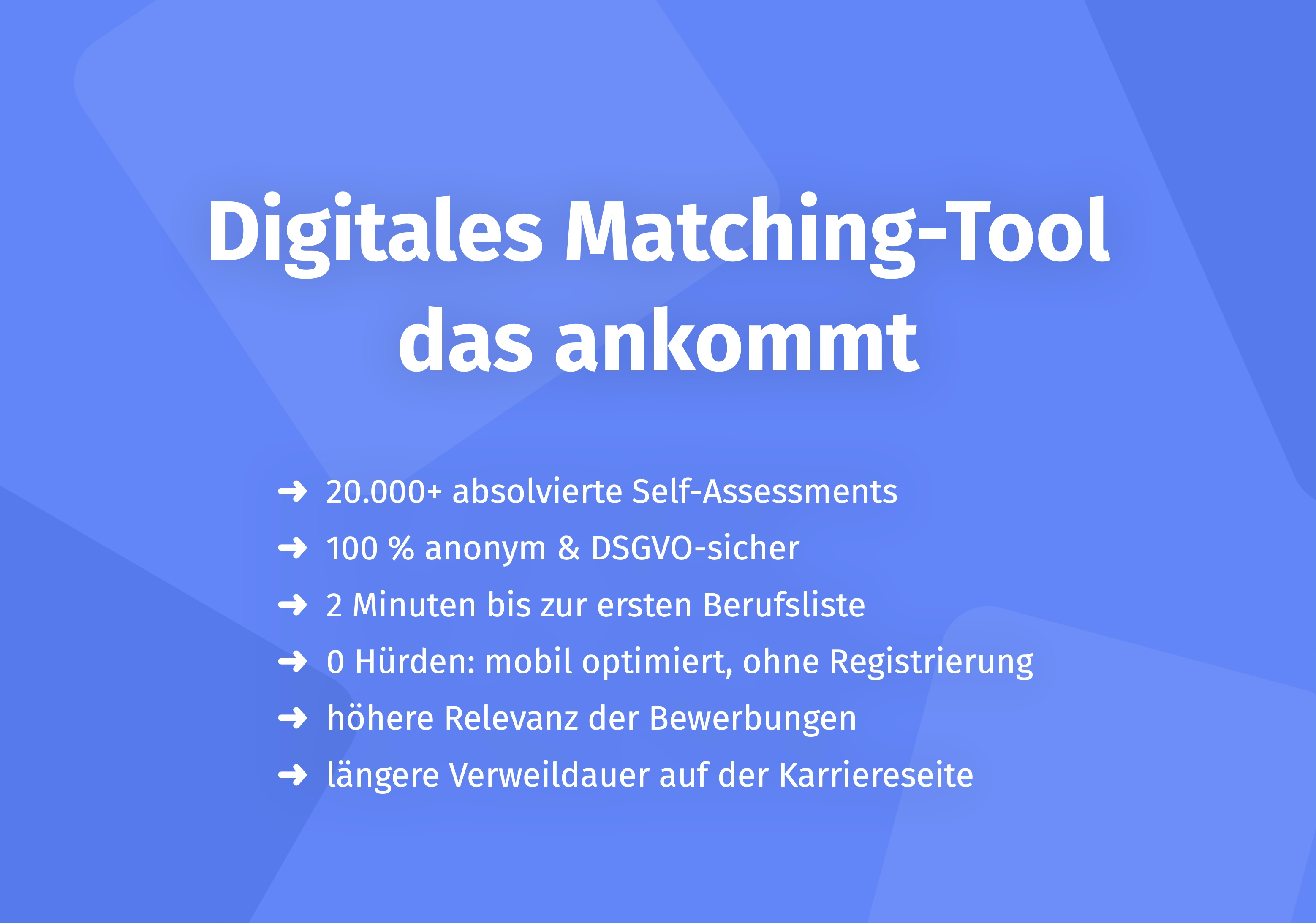
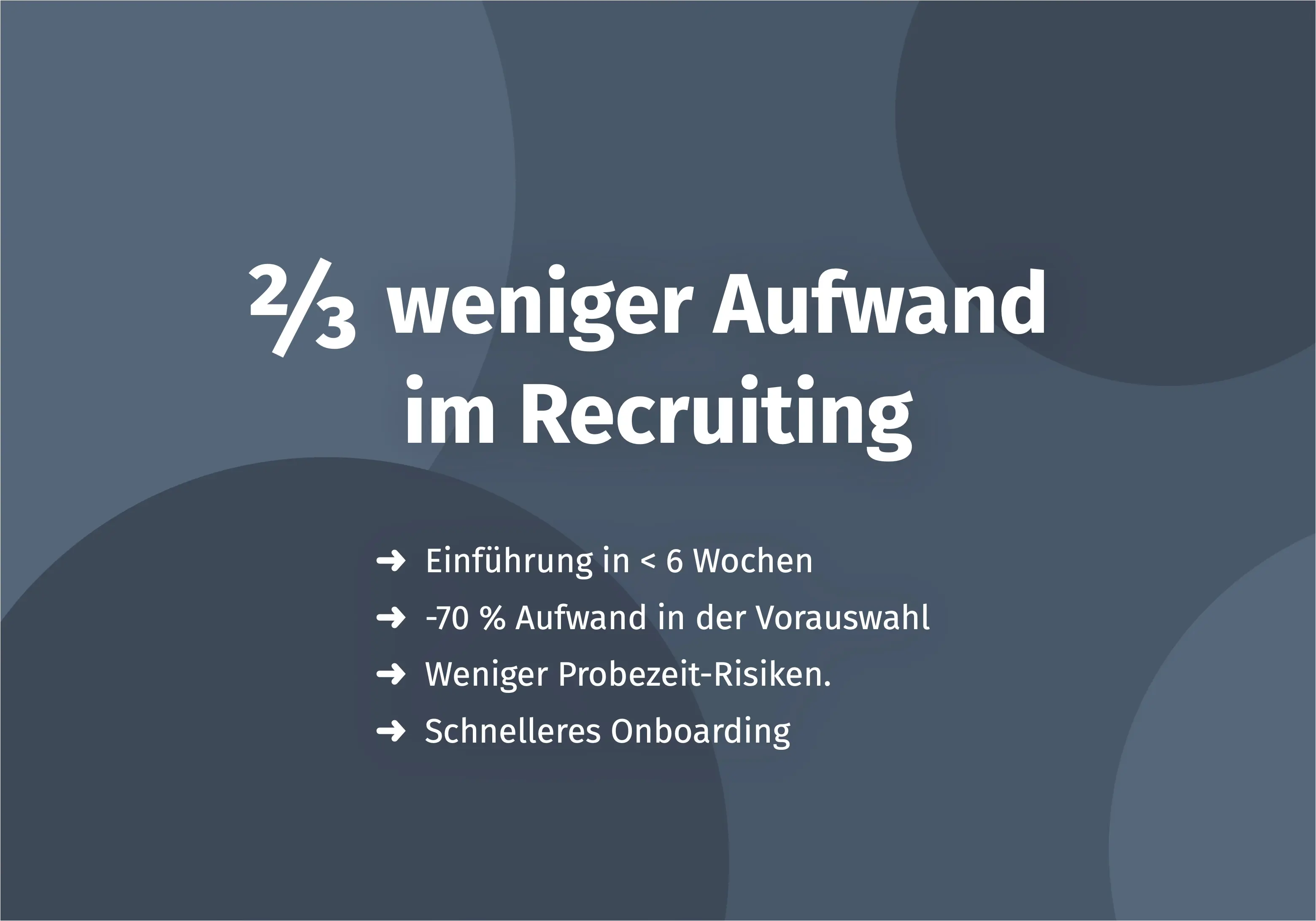
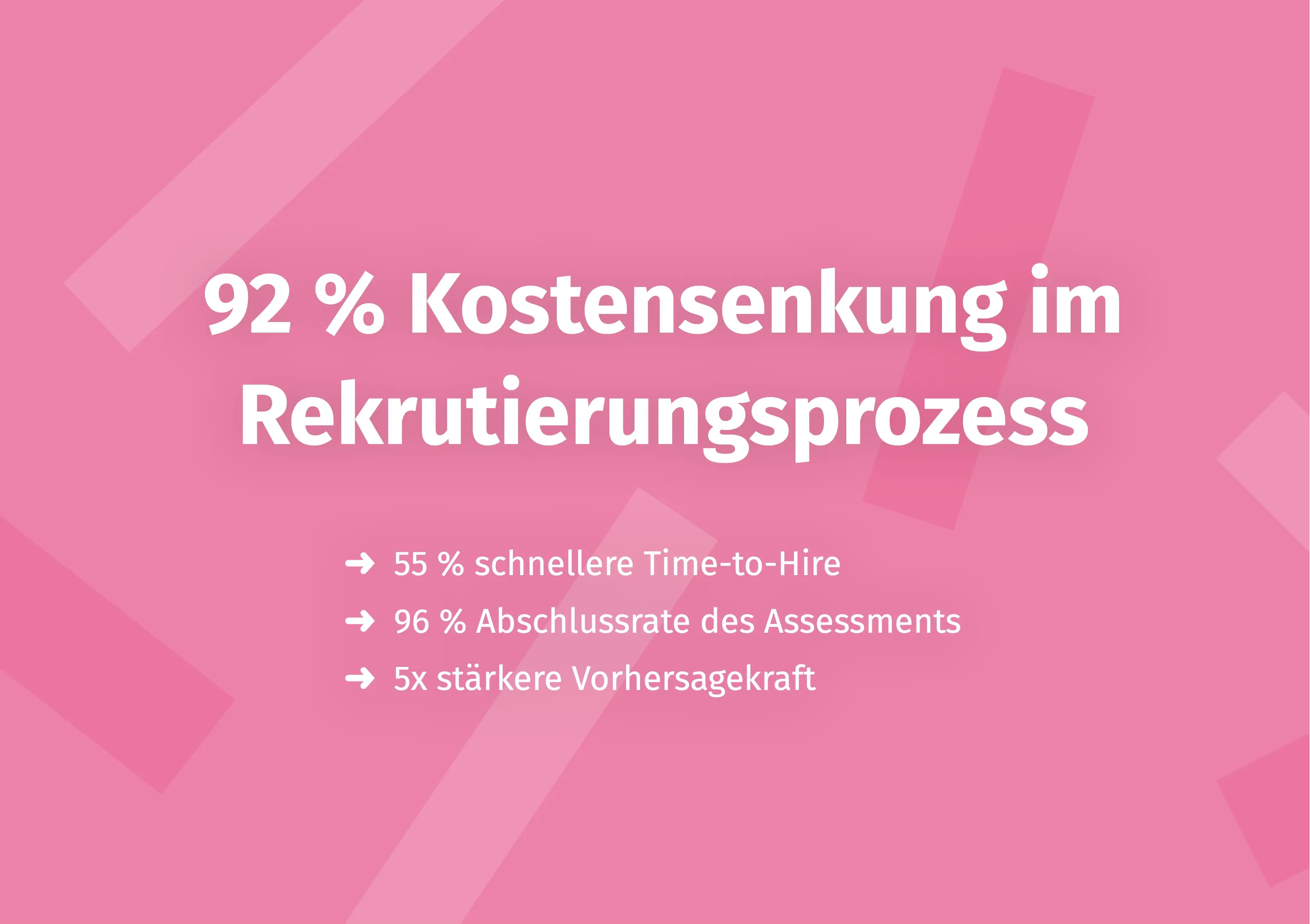
The digital platform Aivy addresses exactly this point: scientifically validated game-based assessments measure personality traits and cognitive abilities that demonstrably correlate with future job performance. Companies such as Lufthansa achieve a prediction accuracy of 96% for correctly identifying candidate suitability; MCI Deutschland increased predictive power fivefold compared to traditional methods. Organisations that objectively measure aptitude and potential at the point of hiring lay the foundation for consistently high employee performance.
Legal Framework
Right to Direct and Limits of Performance Monitoring
Employers are generally entitled to assess and require the work performance of their employees. This follows from the employment relationship under §611a of the German Civil Code (BGB), which defines the mutual obligations of employer and employee.
When introducing appraisal principles and performance review procedures in companies with works councils, the works council must be consulted – this is governed by §94 of the Works Constitution Act (BetrVG). The works council has co-determination rights regarding general appraisal principles.
In cases of persistently inadequate performance without fault (so-called "low performance"), specific legal requirements apply: prior to dismissal, discussions, support measures and documentation are typically required. Dismissal on the grounds of performance deficiencies alone is legally complex and should be handled with appropriate legal advice.
GDPR and Digital Performance Tools
The use of digital tools for recording and monitoring performance is subject to data protection requirements. The GDPR requires that the processing of performance data has a clear purpose, is proportionate and is communicated transparently to the employees concerned. Comprehensive monitoring of work behaviour – for example through continuous screen recording – is generally not permissible in Germany.
Frequently Asked Questions about Employee Performance
What is meant by employee performance?
Employee performance refers to the degree to which an employee fulfils their professional tasks in terms of quantity and quality. Organisational psychology distinguishes between performance behaviour (effort) and performance outcome (output). It is influenced by aptitude, motivation, leadership and working conditions.
How can employee performance be measured objectively?
Objective measurement combines quantitative KPIs (revenue, error rates, goal attainment) with structured qualitative methods such as 360-degree feedback or MbO reviews. To reduce bias, standardised rating forms with clear behavioural descriptions and multiple assessors are recommended.
What are typical KPIs for employee performance?
Typical metrics include: goal attainment rate (OKR/MbO), error rate, revenue or productivity per employee, customer satisfaction (NPS), and indirect indicators such as absenteeism and staff turnover. The appropriate KPIs depend heavily on the role and industry.
What factors influence employee performance?
The key influencing factors are: cognitive abilities and personality traits (in particular conscientiousness), motivation and engagement, leadership quality, and structural conditions such as available resources, team dynamics and company culture.
How can I improve employee performance?
Effective measures include: agreeing clear SMART goals, providing regular constructive feedback, deploying strengths deliberately, creating development opportunities and fostering psychological safety within the team. Careful assessment during recruiting also has a proven long-term impact.
Is an employer permitted to monitor the performance of employees?
Generally yes – within the scope of the employer's right to direct under the employment contract (§611a BGB). In companies with works councils, the council must be involved in the introduction of appraisal principles (§94 BetrVG). Digital performance monitoring must comply with the GDPR; comprehensive behavioural surveillance is not permitted.
What should be done in cases of persistently poor employee performance?
First, clarify the cause: is it a problem of ability, willingness or permission (the performance triangle)? Development measures and clarifying conversations should precede any disciplinary steps. All discussions and agreed measures should be documented. Dismissal on grounds of performance deficiencies is legally complex – seeking employment law advice is strongly recommended.
Conclusion
Employee performance is not a matter of chance – it results from the interplay of aptitude, motivation, leadership and structural conditions. Achieving sustainable performance improvement requires clear goals, structured feedback, strengths-based leadership and a hiring process that objectively measures suitability and potential from the outset.
HR professionals seeking to systematically improve employee performance benefit from a data-driven approach: from selecting the right metrics and introducing structured appraisal procedures, through to applying scientifically grounded assessments at the recruiting stage.
Sources
- §611a BGB – Employment contract. Federal Ministry of Justice, 2024. https://www.gesetze-im-internet.de/bgb/__611a.html
- §94 BetrVG – Personnel questionnaires and appraisal principles. Federal Ministry of Justice, 2024. https://www.gesetze-im-internet.de/betrvg/__94.html
- Schmidt, F.L. & Hunter, J.E. (1998): The Validity and Utility of Selection Methods in Personnel Psychology. Psychological Bulletin, 124(2), 262–274. https://doi.org/10.1037/0033-2909.124.2.262
- Gallup GmbH (2024): Engagement Index Germany 2024. https://www.gallup.com/de/505798/engagement-index-deutschland.aspx
- Kanning, U.P. (2017): Personalauswahl zwischen Anspruch und Wirklichkeit. Springer.
- Deutsche Gesellschaft für Personalführung (DGFP): Studies on Performance Management. https://www.dgfp.de

Make a better pre-selection — even before the first interview
In just a few minutes, Aivy shows you which candidates really fit the role. Beyond resumes based on strengths.