
Digital HR Transformation refers to the strategic process by which HR departments fundamentally redesign their processes, structures and decisions through the use of digital technologies. The goal is to make HR more efficient, data-driven and strategically impactful – from talent acquisition to employee development. Organizations that implement HR digitalization effectively reduce costs, improve the quality of personnel decisions and strengthen their competitiveness as employers.
What Is Digital HR Transformation?
Digital HR Transformation is more than simply replacing analog processes with software. It is a strategic shift in which the HR function is rethought in its entirety – technologically, culturally and organizationally.
An important distinction: HR digitalization means mapping existing processes digitally (for example, replacing paper files with a digital personnel file). Digital HR Transformation, by contrast, means fundamentally questioning and redesigning processes: What data do I actually need? Which decisions can I automate? How does the role of HR change in a data-driven organization?
The concept covers all core HR areas: recruiting, onboarding, time tracking, learning and development, performance management and people analytics. Companies that consistently implement Digital HR Transformation position HR not as a pure administrative function, but as a strategic business partner.
Why HR Digitalization Is Critical Right Now
Skills Shortage and Competition for Talent
The pressure on HR departments has never been higher. According to a Deloitte study (Global Human Capital Trends, 2024), more than two thirds of surveyed executives cite access to qualified talent as their greatest strategic challenge. At the same time, candidates' expectations are rising: fast processes, transparent communication and a modern candidate experience are increasingly non-negotiable.
Organizations that fail to digitalize HR processes lose out in the competition for talent. Slow application procedures, manual administrative overhead and a lack of data to support decisions are structural disadvantages that directly affect the quality of talent acquisition.
Current State of Play
According to Bitkom (HR Software in Germany, 2023), while most large companies already use HR software, there is considerable catching up to do, particularly among small and mid-sized enterprises. Many HR departments still rely on Excel spreadsheets, siloed systems without integration and manual approval workflows. The result: high time expenditure, error-proneness and little room for strategic HR work.
At the same time, the HR Report 2024 of the German Society for Human Resource Management (DGFP) shows that awareness of the need for action has grown. HR leaders cite digitalization and the use of AI-powered tools as the most important areas of investment in the years ahead.
Which HR Processes Can Be Digitalized?
Recruiting and Talent Assessment
Recruiting is the area with the highest immediate ROI from digitalization. An Applicant Tracking System (ATS) – software for the digital management of job applications – creates transparency, accelerates communication and enables structured selection processes.
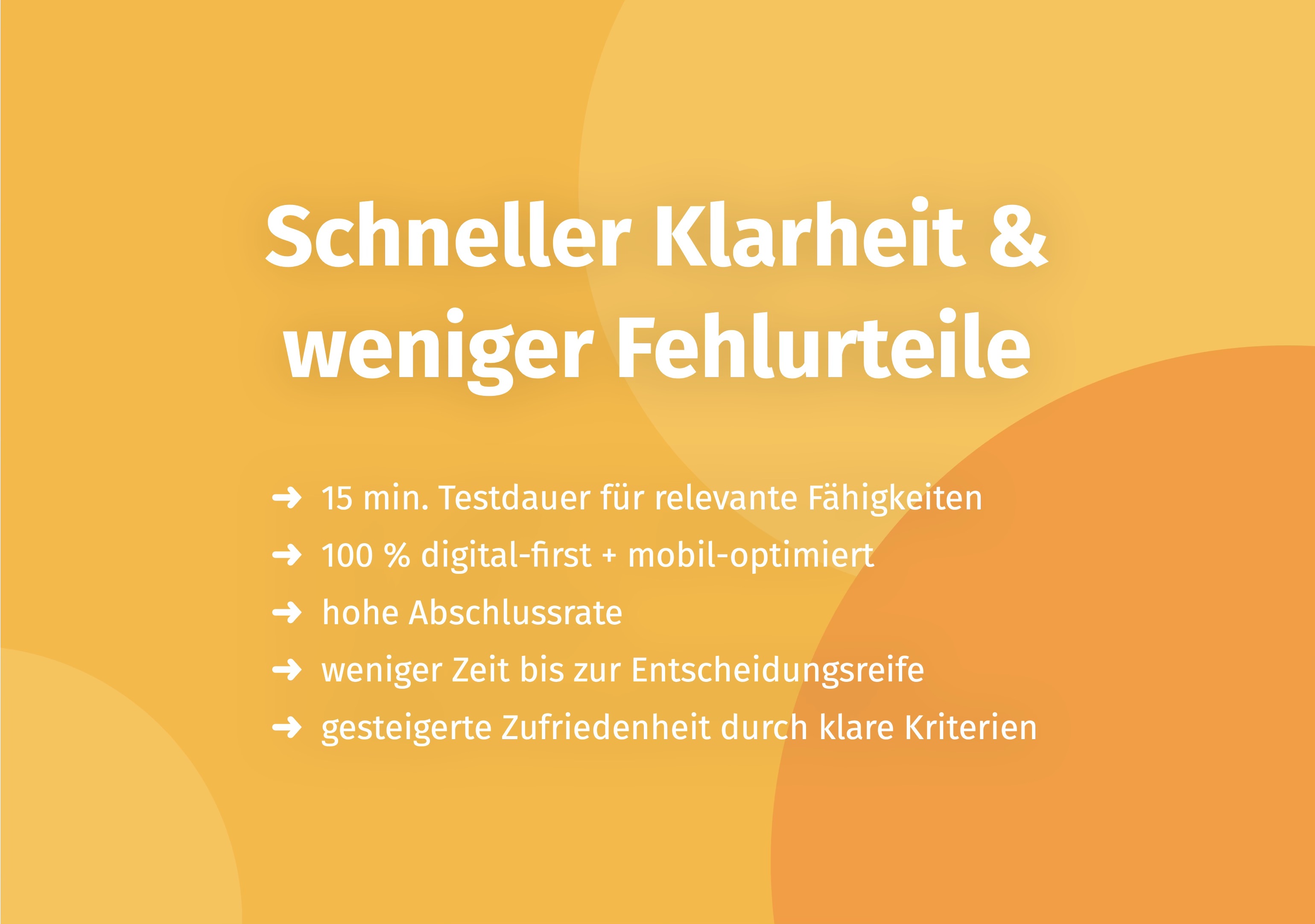
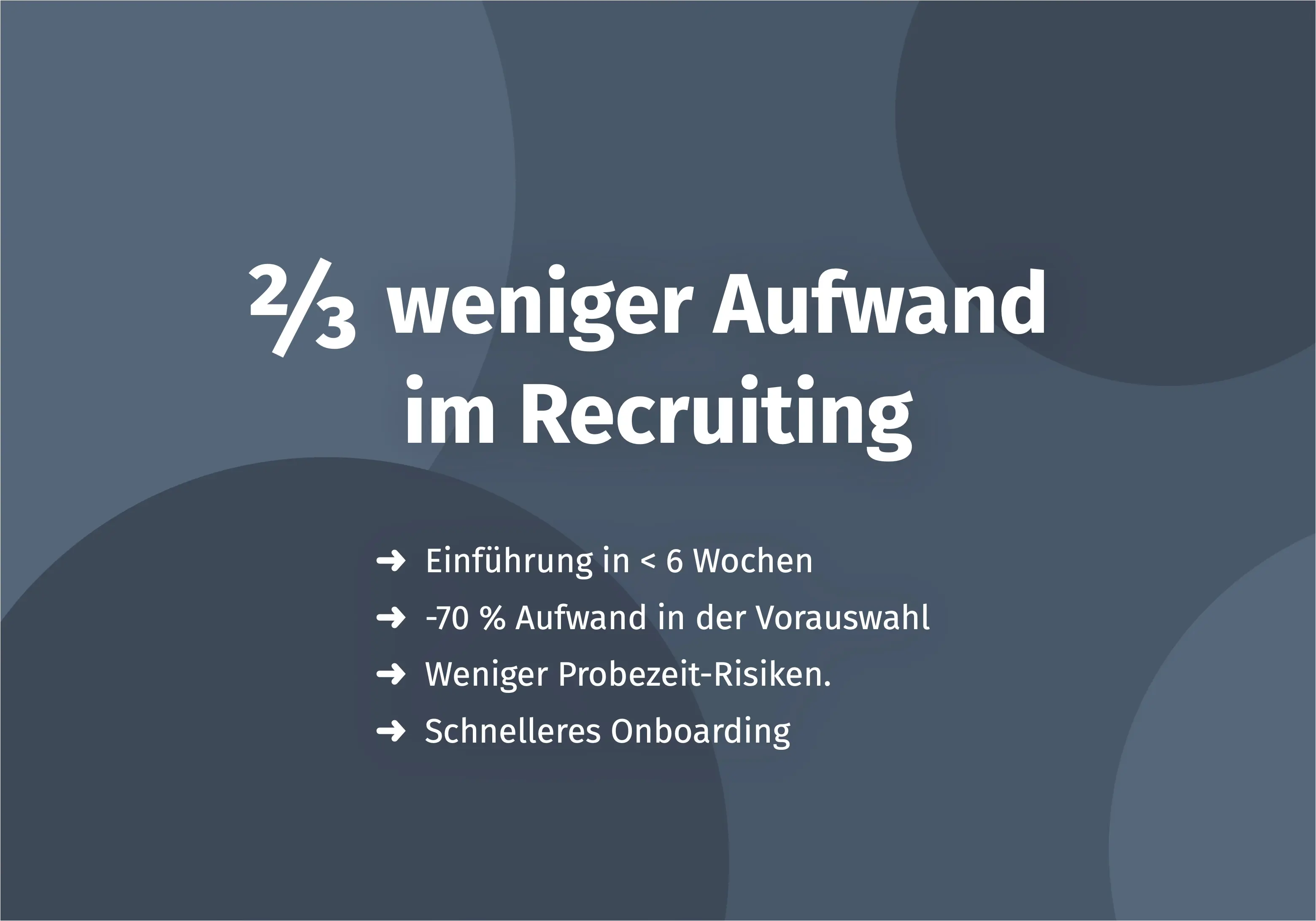
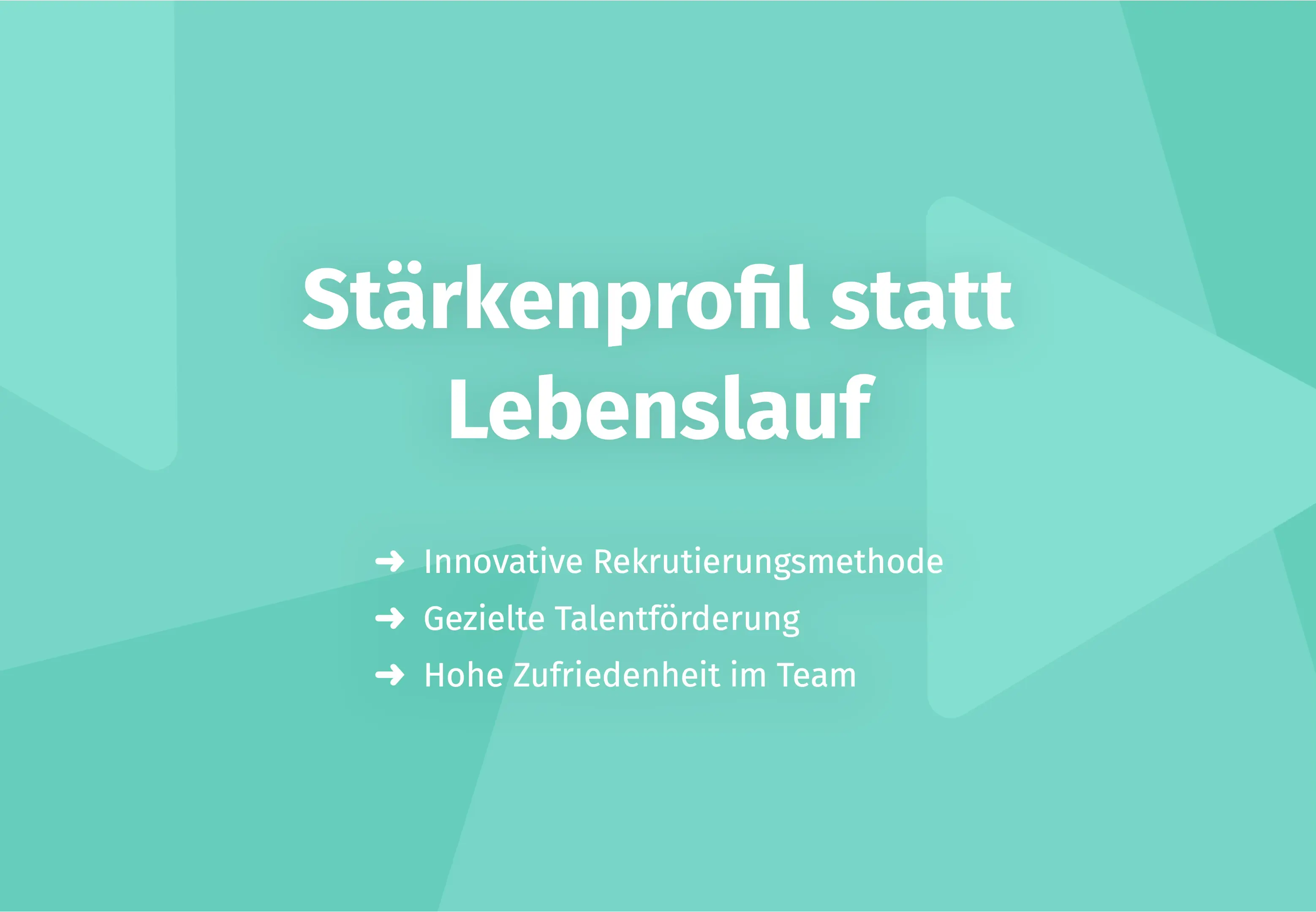
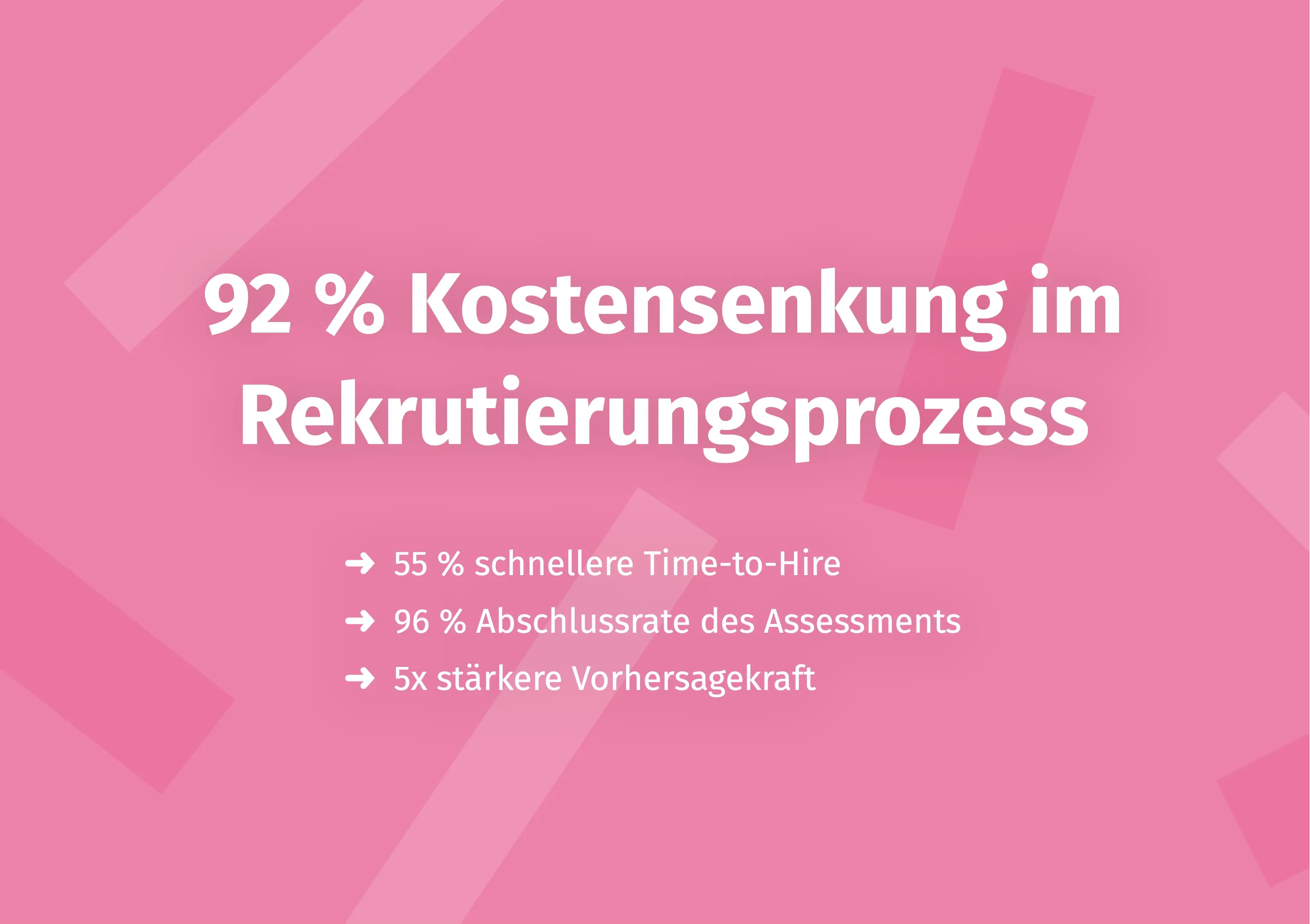
Digital talent assessment goes one step further: rather than relying solely on CVs and personal impressions, scientifically validated assessments provide objective data on candidates' competencies, personality and potential. The digital platform Aivy does exactly this – with game-based assessments grounded in research from the Freie Universität Berlin that reduce unconscious bias in the selection process. Companies such as MCI Deutschland were able to reduce time-to-hire by 55% and cut cost-per-hire by 92% through the use of digital talent assessment.
Onboarding and Offboarding
Digital onboarding accelerates the start of new employees: contract signing via e-signature, automated welcome communications, digital checklists and self-service portals (Employee Self-Service, or ESS) significantly reduce administrative effort. ESS portals allow employees to handle HR tasks themselves – for example, submitting leave requests or updating personal data.
Offboarding also benefits from digital workflows: structured exit interviews, automated return processes and clean data deletion in compliance with GDPR.
Time Tracking and Payroll
Digital time tracking is often the first step in HR digitalization – and frequently the easiest. Self-reporting via app or browser, automatic connection to payroll systems and real-time visibility for managers save time and reduce errors. The need for action has become particularly pressing since the European Court of Justice ruling on working time recording (2019).
Learning and Development
A Learning Management System (LMS) – a platform for digital learning and development – enables personalized learning paths, certificate management and progress tracking. Employees can access training regardless of location, while managers maintain an overview of their team's development.
People Analytics and HR Reporting
People analytics is the data-driven analysis of employee data to support HR decisions. Potential applications include predicting employee turnover, identifying high performers or analyzing recruiting source effectiveness. The prerequisite: a clean, integrated data foundation across all HR systems.
Implementing Digital HR Transformation: A Roadmap
Step 1: Current-State Analysis and Priority Setting
Before investing in new tools, an honest stocktaking is worthwhile: Which HR processes consume the most time? Where do errors or delays occur? Where is the ROI of digitalization greatest? Recruiting and time tracking are typically the quick wins with the strongest business case.
Step 2: Tool Selection and Integration
Choose tools that integrate with existing systems. A fragmented HR software landscape without interfaces creates more work than it saves. Pay attention to GDPR compliance, clear contractual foundations (data processing agreements) and scalability.
Step 3: Change Management and Adoption
Technology alone is not enough. Employees and managers need to embrace the change. Involve stakeholders early, communicate transparently (Why are we digitalizing? What changes for whom?) and start with pilot projects in small teams. Quick wins are the most effective driver of broad adoption.
Step 4: Measure and Optimize
Define KPIs before rollout: time-to-hire, cost-per-hire, onboarding satisfaction, training hours per employee. Only those who set target values in advance can reliably demonstrate the success of the transformation – and justify the budget for the next phase.
Challenges and Common Mistakes
The biggest stumbling blocks in Digital HR Transformation are:
Underestimating change management: Technical implementation runs smoothly, but adoption remains low because employees were not brought along. Solution: Plan communication and training before go-live.
Siloed systems instead of integration: Individual tools are introduced but don't communicate with each other. Data is maintained in duplicate, errors accumulate. Solution: Prioritize integration capability from the outset (open APIs, ATS connectors).
Data protection risks: Particularly with AI-powered tools and people analytics, questions of data privacy arise. Works councils and data protection officers must be involved at an early stage.
Lack of strategy: Tools are introduced in isolation without an overarching objective. Digitalization is treated as an IT project rather than a strategic HR initiative. Solution: Anchor Digital HR Transformation as part of the overall corporate strategy.
Frequently Asked Questions About Digital HR Transformation
What Is the Difference Between HR Digitalization and Digital HR Transformation?
HR digitalization means mapping existing processes digitally – for example, replacing a paper personnel file with a digital one. Digital HR Transformation goes further: processes are fundamentally rethought and redesigned. The difference lies in strategic ambition: transformation changes how HR operates and what role it plays within the organization.
Which HR Processes Should I Digitalize First?
Start with the areas offering the highest ROI: recruiting (measurable reduction in time-to-hire), time tracking (legal requirements, straightforward implementation) and the digital personnel file (the foundation for all subsequent steps). Learning and development and people analytics are sensible next stages.
What Tools Do I Need for Digital HR Transformation?
The most important categories are: ATS (Applicant Tracking System) for applicant management, HRIS (Human Resource Information System) for master data and payroll, LMS (Learning Management System) for learning and development, and talent assessment platforms for objective candidate selection. Which tools make sense in practice depends on company size, process maturity and budget.
How Do I Calculate the ROI of HR Digitalization?
ROI can be determined through several metrics: time savings in personnel hours (hours × hourly rate), reduction in time-to-hire, reduction in cost-per-hire and a decrease in mis-hires. Supplement these figures with qualitative factors such as an improved candidate experience and stronger employer branding.
What Are the Biggest Challenges in HR Digitalization?
The most common hurdles are: insufficient buy-in from managers and employees (change management), missing system integration between individual tools, GDPR compliance with new technologies, and justifying the investment budget to senior leadership without pre-defined KPIs.
How Can Change Management Be Made to Work in HR Transformation?
Successful change requires early involvement of all stakeholders – including works councils. Communicate transparently about what is changing and why. Start with pilot projects in selected teams, create quick wins and gather feedback continuously. Training before go-live is not a nice-to-have; it is essential.
What Does AI Mean in an HR Context?
Artificial intelligence supports HR across several areas: in recruiting through automated CV screening and candidate matching, in learning and development through personalized learning paths, and in workforce planning through predictive turnover analysis. Critically: AI systems must be audited for bias – discriminatory training data reproduces discriminatory decisions.
Conclusion
Digital HR Transformation is not an IT project – it is a strategic shift. Organizations that consistently digitalize and redesign HR processes free up time for what truly matters: better personnel decisions, a stronger candidate experience and an HR function that actively contributes to corporate strategy.
The first step is worth taking: start with a clearly defined quick win – for example, digitalizing the recruiting process – and build from there. With clear KPIs, careful change management and integrated systems, ROI can be demonstrated quickly.
If you want to leverage objective, data-driven talent assessment as part of your HR transformation, the digital platform Aivy offers a scientifically grounded entry point – learn more about the Aivy platform.
Sources
- Deloitte Insights. Global Human Capital Trends 2024. Deloitte, 2024. https://www2.deloitte.com/global/en/insights/focus/human-capital-trends.html
- Bitkom e.V. HR-Software in Deutschland. Bitkom, 2023. https://www.bitkom.org/Presse/Presseinformation/HR-Software
- Deutsche Gesellschaft für Personalführung (DGFP). HR-Report 2024: Digitalisierung im Personalmanagement. DGFP, 2024. https://www.dgfp.de
- McKinsey & Company. The future of HR: From compliance to people tech. McKinsey, 2023. https://www.mckinsey.com/capabilities/people-and-organizational-performance
- Aivy GmbH. Success Story: MCI Deutschland GmbH. Aivy, 2023. https://www.aivy.app/en/success-stories/mci-deutschland-gmbh
- Haufe Gruppe. Digitale HR-Transformation: Praxisleitfaden. Haufe, 2023. https://www.haufe.de

Make a better pre-selection — even before the first interview
In just a few minutes, Aivy shows you which candidates really fit the role. Beyond resumes based on strengths.