
Change management refers to the systematic planning, steering and support of transformation processes within organisations. HR professionals play a central role in this: they coordinate communication, empower leaders and help employees embrace change. Studies show that over 70 percent of change initiatives fail – most often due to poor communication and insufficient involvement of the workforce.
What Is Change Management?
Change management is a structured approach to planning, implementing and embedding organisational change. At its core are not just processes or structures, but above all the human factor: How do employees respond to change? How can resistance be overcome and acceptance achieved?
The concept deliberately distinguishes itself from classic project management: while project management coordinates tasks, resources and timelines, change management addresses the human and cultural dimension of transformation. Both disciplines complement each other – but successful transformations require both.
Typical triggers for change management include: digitalisation and the introduction of new technologies, corporate restructuring, mergers and acquisitions, new leadership structures, and strategic realignments.
Why Do More Than 70 Percent of Change Initiatives Fail?
This figure sounds alarming – and it is well evidenced. According to a McKinsey study (Sirkin, Keenan, Jackson, 2005) and a more recent McKinsey analysis from 2021 ("Losing from day one"), most transformation projects fail to fully achieve their original objectives.
The most common causes:
Poor communication: Employees find out too late or too little about planned changes. Uncertainty breeds rumours and resistance.
Lack of leadership commitment: When leaders do not actively model the change, it loses credibility. Employees take their cues from their direct managers.
Underestimated resistance: Resistance to change is a normal psychological reaction – not a weakness or act of ill will. Ignoring it only reinforces it.
Lack of involvement: Changes that are imposed "from the top" without involving those affected fail more frequently than participatively designed processes.
No sustained follow-through: Many projects lose momentum after the initial push. Changes are not consistently embedded in the organisational culture.
The Most Important Change Management Models
There are several proven frameworks for managing transformation processes. Three have established themselves internationally.
Lewin's 3-Phase Model
Social psychologist Kurt Lewin developed one of the most foundational models of change management in the 1940s. It consists of three phases:
Unfreeze: The status quo is disrupted. Employees understand why change is necessary. Existing routines and ways of thinking are questioned.
Change: The actual transformation takes place. New behaviours, processes and structures are introduced. This phase is often the most uncertain and resistance-prone.
Refreeze: The changes are stabilised and embedded in the organisational culture. New routines take hold.
Lewin's model is conceptually straightforward and useful for building a basic understanding of change – in practice, it is often supplemented by more detailed frameworks.
Kotter's 8-Step Model
Prof. John P. Kotter (Harvard Business School) developed a practice-oriented 8-step model, published in 1996 in his book "Leading Change." It is today one of the most widely used frameworks in change management:
- Create a sense of urgency – Why is change necessary right now?
- Build a guiding coalition – Who will champion the change?
- Form a strategic vision – Where are we headed?
- Communicate the vision – Everyone involved must understand the direction.
- Enable action – Remove obstacles and empower people.
- Generate short-term wins – Small successes maintain momentum.
- Sustain acceleration – Don't let up too early.
- Anchor change in the culture – New ways become the norm.
Kotter's model emphasises the importance of communication and a strong guiding coalition – two factors most commonly absent in failed change projects.
The ADKAR Model
The ADKAR model was developed by Jeff Hiatt (Prosci) and focuses on the individual level of change: what does a single person need to go through in order to truly embrace change?
The acronym stands for:
- Awareness: The person understands why the change is necessary.
- Desire: The person wants to support the change and contribute to it.
- Knowledge: The person knows how to implement the change.
- Ability: The person is able to actually perform the new behaviour.
- Reinforcement: The change is sustained through feedback and incentives.
ADKAR is particularly useful for HR professionals because it helps develop targeted measures for individual groups or people – rather than applying a one-size-fits-all approach.
The Role of HR in Change Management
HR departments are not passive executors of change – they are active architects. Three core responsibilities stand at the forefront.
Communication and Transparency
Regular, clear communication is the most important lever against resistance and uncertainty. HR coordinates both the internal communication channels (e.g. town hall meetings, intranet, direct leadership conversations) and the content: What is communicated? When? By whom?
Three principles of effective change communication:
- Early: Better to inform too soon than to wait until rumours spread.
- Honest: Address uncertainties openly – employees notice when things are being withheld.
- Consistent: Communication is not a one-time event, but a continuous process.
Empowering Leaders as Change Agents
The greatest leverage comes from leaders who actively model the change. HR supports this through targeted training, coaching offers and clearly defined roles. A change agent needs above all: strong communication skills, empathy, persuasiveness and resilience.
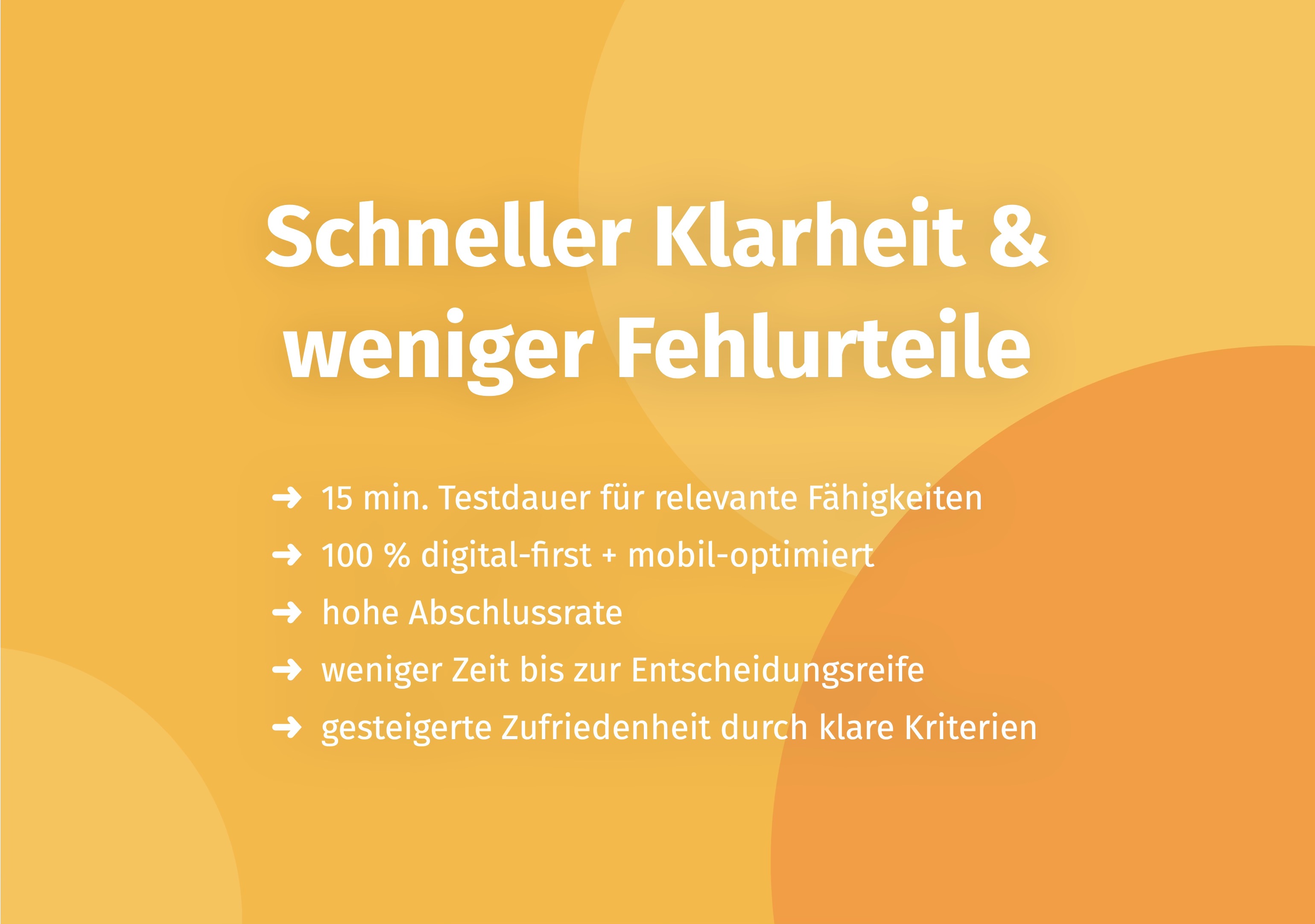
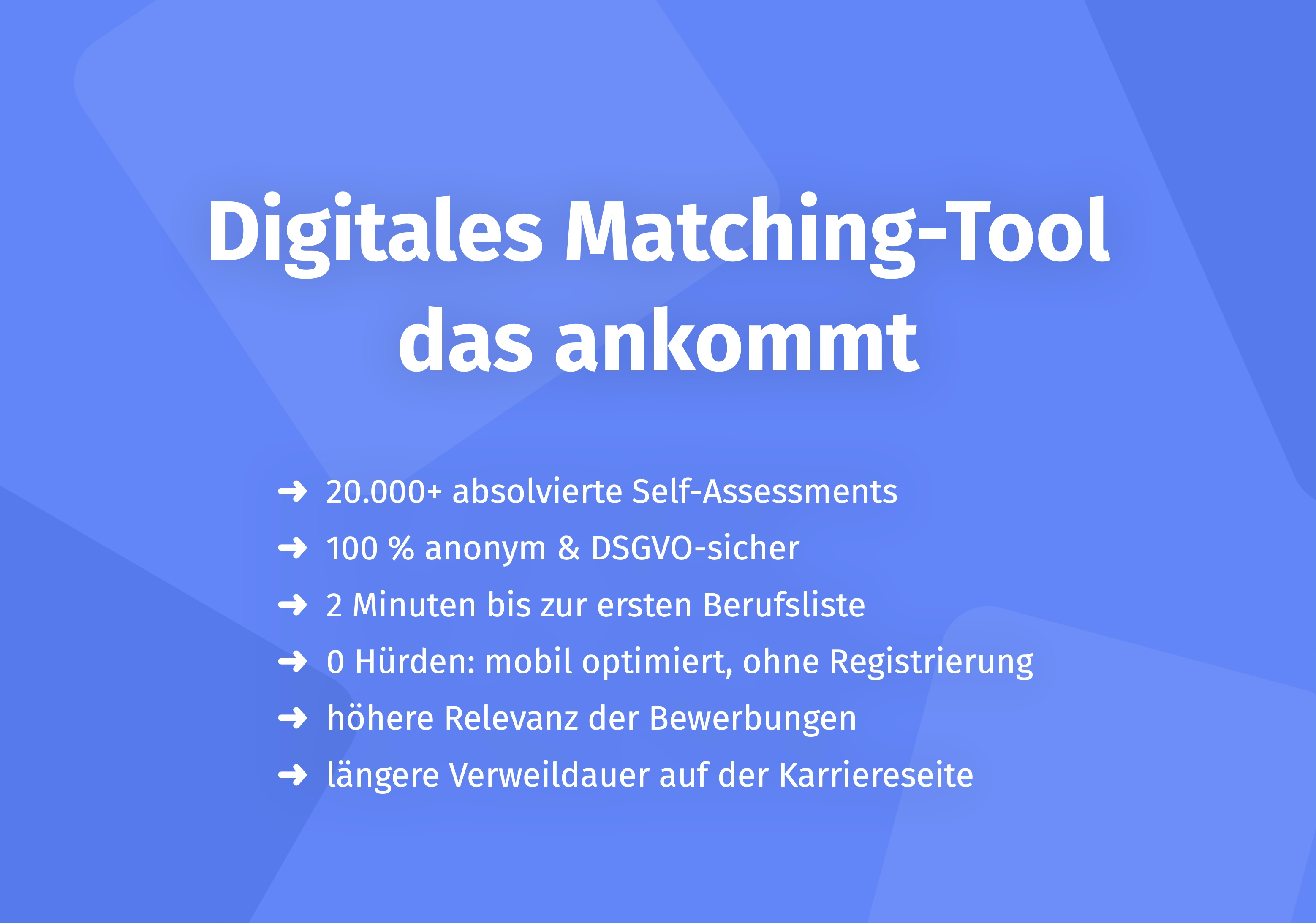
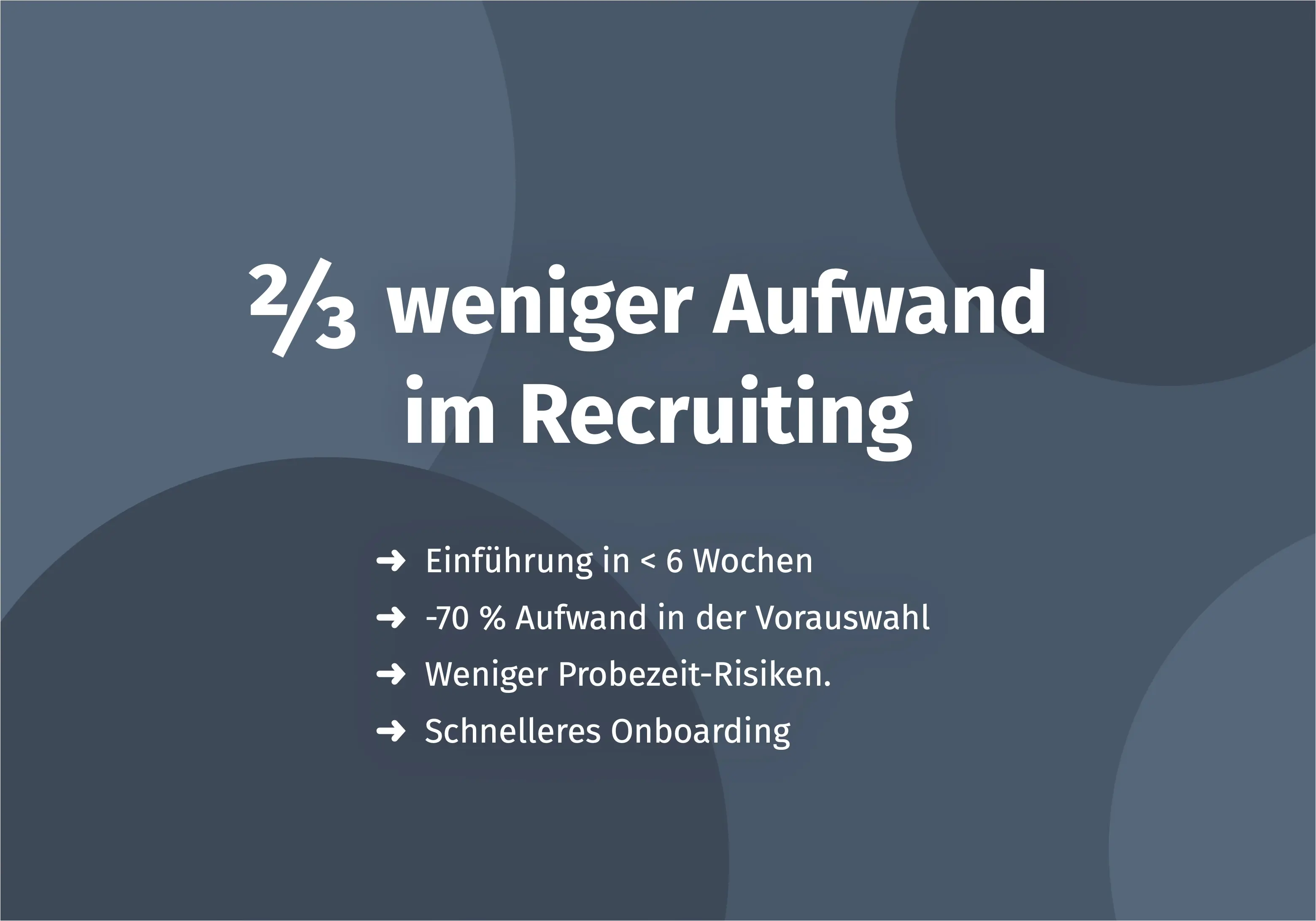
Selecting the right change agents is critical – and a structured approach pays off here. The digital platform Aivy helps organisations objectively assess the strengths of leaders and identify individuals who possess the competencies required for change roles. This allows decisions about key people in transformation processes to be made on a well-founded, bias-reduced basis. Companies such as OMR use strengths-based analyses to fill leadership roles purposefully and build more effective teams.
Recognising and Managing Resistance
Resistance is not the exception – it is the rule. It signals that something meaningful is being touched. HR professionals should identify resistance early (e.g. through pulse surveys, conversations with managers or mood barometers) and actively accompany it: through one-on-one conversations, workshops or targeted communication measures.
Practical Implementation: A Checklist for HR Professionals
The following checklist provides guidance for HR support in change projects:
- Conduct a stakeholder analysis: Who is affected by the change? Who has influence over its success?
- Develop a communication plan: Who communicates what, when and on which channel?
- Identify and prepare change agents: Train and involve key leaders and multipliers deliberately.
- Measure resistance early: Deploy regular pulse surveys or sentiment trackers.
- Make short-term wins visible: Communicate and celebrate small milestones.
- Close knowledge and skills gaps: Plan training and development measures in good time.
- Ensure sustainability: Embed changes in structures, processes and key metrics.
Frequently Asked Questions About Change Management
What is change management?
Change management is a structured approach to planning, implementing and embedding organisational change. Its focus is the human factor: How do employees accept change? How is resistance overcome? Change management complements classic project management by addressing the cultural and psychological dimension.
Why do so many change initiatives fail?
According to McKinsey analyses, more than 70 percent of all transformation projects fail – either entirely or in achieving their original goals. The most common causes are insufficient or delayed communication, lack of leadership commitment and underestimated resistance among the workforce. People, not structures, are the decisive success factor.
What are Kotter's 8 steps?
Prof. John P. Kotter's model (1996) describes eight sequential steps: from creating urgency and building a guiding coalition through communicating a clear vision, to sustainably anchoring the change in organisational culture. The model places particular emphasis on the importance of communication and active leadership.
What is the ADKAR model?
ADKAR is a model developed by Jeff Hiatt (Prosci, 2006) that describes the individual side of change: Awareness, Desire, Knowledge, Ability and Reinforcement. It helps HR professionals develop targeted measures for different employee groups, rather than treating everyone the same way.
What role does HR play in change management?
HR coordinates communication and transparency, empowers leaders to act as change agents and actively accompanies resistance. In addition, HR measures the success of transformation (e.g. through engagement surveys) and ensures that changes are sustainably anchored in structures and processes. HR is therefore far more than a support function – it is a central steering body in the change process.
What is a change agent?
A change agent is a person – internal (e.g. a leader or HR professional) or external (e.g. a consultant) – who actively drives and accompanies transformation processes. Change agents act as a bridge between the leadership level and the workforce. They need above all: strong communication skills, empathy, persuasiveness and resilience.
What is the difference between change management and transformation?
Change management often refers to specific, time-limited change projects (e.g. the introduction of a new ERP system). Transformation describes deeper, more holistic change – it alters not just processes but also an organisation's identity and culture. Transformations frequently span several years and require a higher degree of leadership work and cultural accompaniment.
How long does a change management process take?
This depends heavily on the complexity and size of the organisation. Smaller process changes can be completed within weeks to months. Deep cultural shifts or digital transformations often extend over two to five years. What matters is not the duration, but sustainability: changes that exist only on paper are not real changes.
Conclusion
Change management is one of the most important disciplines in modern HR practice. It is not about enforcing change – it is about bringing people along on the journey. Those who place communication, leadership and cultural work at the centre from the outset will significantly increase the chances of a successful transformation.
Proven frameworks such as Kotter's 8-step model or the ADKAR model offer valuable structures – but they do not replace the direct, empathetic guidance provided by HR and leaders.
Want to learn how the digital platform Aivy can help identify suitable change agents and leaders on the basis of objective strengths profiles? Find out more about scientific talent assessment with Aivy.
Sources
- Kotter, John P. (1996). Leading Change. Harvard Business Review Press. https://www.kotterinc.com/methodology/8-steps/
- Hiatt, Jeff (2006). ADKAR: A Model for Change in Business, Government and our Community. Prosci. https://www.prosci.com/methodology/adkar
- Sirkin, Harold L.; Keenan, Perry; Jackson, Alan (2005). "The hard side of change management." Harvard Business Review. https://hbr.org/2005/10/the-hard-side-of-change-management
- McKinsey & Company (2021). "Losing from day one: Why even successful transformations fall short." https://www.mckinsey.com/capabilities/transformation/our-insights/losing-from-day-one-why-even-successful-transformations-fall-short
- Bridges, William (2009). Managing Transitions. Da Capo Press.
- DGFP e.V. (2022). HR und Transformation – Herausforderungen und Handlungsfelder. https://www.dgfp.de

Make a better pre-selection — even before the first interview
In just a few minutes, Aivy shows you which candidates really fit the role. Beyond resumes based on strengths.