
HR software encompasses digital solutions for personnel administration, recruiting, time tracking, and employee development. The best HR software depends on company size, budget, and requirements – ranging from lean tools for SMEs to comprehensive enterprise suites. This article provides an overview of the most important categories, features, and selection criteria.
What Is HR Software?
HR software (also: personnel management software or HR system) is a digital solution for managing and optimizing HR processes. It supports HR professionals in automating administrative tasks, structuring recruiting workflows, and centrally managing employee data.
The market distinguishes three fundamental system types that are frequently confused:
- HRIS (Human Resources Information System): Core function is the management of employee master data, absences, digital personnel files, and documents. HRIS forms the foundation of many HR software solutions.
- ATS (Applicant Tracking System): A specialized tool for applicant management – from receiving applications through to hiring. It structures the entire recruiting workflow.
- HCM (Human Capital Management): An umbrella term for comprehensive HR systems covering all personnel processes – from recruiting and onboarding through payroll to employee development and performance management.
Many modern platforms combine several of these areas in a single solution.
The Most Important HR Software Features
Personnel Administration and Digital Employee Files
The foundation of any HR software solution is centralized data management: employee master data, contracts, references, and documents are stored in a digital personnel file. This saves time when searching for documents and provides legal certainty, as deadlines and retention obligations can be monitored automatically.
Recruiting and Applicant Management (ATS)
The ATS module manages job postings, incoming applications, and the entire selection process. Core functions include career page integration, automatic confirmation emails, candidate profiles, and communication between HR and specialist departments. In addition to internal recruitment, ATS systems also support external recruiting.
Time Tracking and Absence Management
Vacation and sick days, flexitime accounts, and shift schedules can be managed via HR software without manual spreadsheets. Employees can enter and request their own absences, and managers approve them digitally.
Payroll Processing
Payroll is integrated as a module in many HR suites, or can be connected to accounting software via interfaces. Automated calculations reduce errors and effort in monthly payroll runs.
Employee Development and Performance Management
Modern HR systems also map development reviews, goal agreements (OKRs), training measures, and performance appraisals. This positions HR as a strategic partner to management – not merely an administrative unit.
Well-Known HR Software Solutions at a Glance
Solutions for SMEs (Up to 250 Employees)
Small and medium-sized companies need intuitive, quickly implementable solutions without complex rollouts. Well-known providers in this segment include Personio, Factorial, Kenjo, and Sage HR. These tools cover most HRIS functions, offer local customer support, and are configurable for GDPR compliance.
Selection criteria for SMEs:
- Easy to use without IT expertise
- Fast implementation (weeks rather than months)
- Moderate pricing (often €5–10 per employee/month)
- Transparent contract terms
Solutions for Mid-Market and Enterprise
Larger organizations with complex structures, international teams, or high compliance requirements rely on platforms such as SAP SuccessFactors, Workday, Oracle HCM, or Rexx Systems. These offer extensive customization options, deep integrations, and global payroll – at correspondingly higher costs and implementation effort.
Note: The providers mentioned are cited as examples only and do not constitute a purchase recommendation. The market evolves rapidly; a current comparison on independent platforms such as G2, Capterra, or OMR Reviews is advisable.
How to Choose the Right HR Software
A decision to adopt HR software typically binds a company for several years. The following checklist helps you proceed in a structured way:
Step 1 – Requirements analysis: Which processes need to be digitized? Which departments are affected? Which integrations (e.g., payroll, ATS, existing IT systems) are required?
Step 2 – Market comparison: Create a shortlist of 3–5 providers suited to your company size and budget. Use independent review platforms and gather recommendations from your HR network.
Step 3 – Demo and pilot test: Let the HR team and selected specialist departments test each tool themselves. Usability is critical – software that is poorly used will not be used at all.
Step 4 – TCO calculation: The TCO (Total Cost of Ownership – total costs including license, implementation, training, and ongoing operations) often exceeds license costs by a significant multiple. Plan realistically.
Step 5 – Decision based on user acceptance: Gather structured feedback after the pilot test. The HR team must use the system daily – their acceptance matters more than feature lists.
HR Software and GDPR: What You Need to Know
HR systems process particularly sensitive personal data: contract details, salary information, sick notes, and application documents. Under the GDPR (EU 2016/679), strict requirements apply to the processing of this data.
Pay attention to the following points when selecting a solution:
- Server location: Prefer providers with data centers in Germany or the EU. Data in third countries (e.g., the USA) requires additional safeguards.
- Data Processing Agreement (DPA): Every cloud provider must offer a DPA in accordance with Art. 28 GDPR. Without this agreement, use of the system is not legally compliant.
- Data deletion concept: Employee data may only be retained after departure for as long as statutory retention obligations require. The system should support automated deletion workflows.
- Role-based access control: Not every employee should be able to see all HR data. Ensure that access rights can be managed at a granular level.
GDPR-compliant configuration is not solely the provider's responsibility – internal processes and policies must also be adapted accordingly.
Where Does HR Software End – and Where Does Talent Assessment Begin?
Standard ATS systems optimize the recruiting workflow: they structure application processes, reduce manual effort, and improve communication with candidates. What they do not deliver is a valid, objective assessment of candidates' actual suitability.
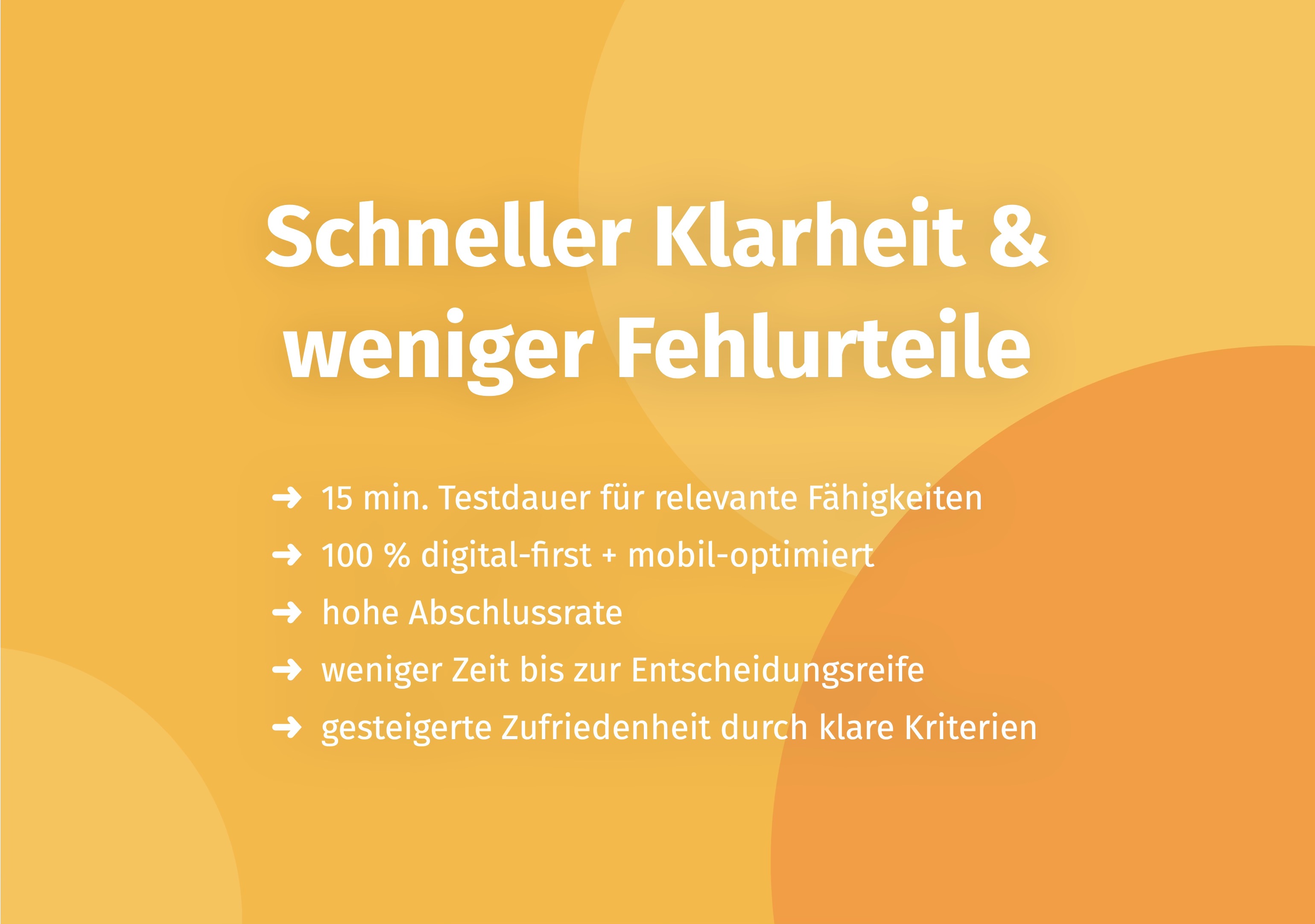
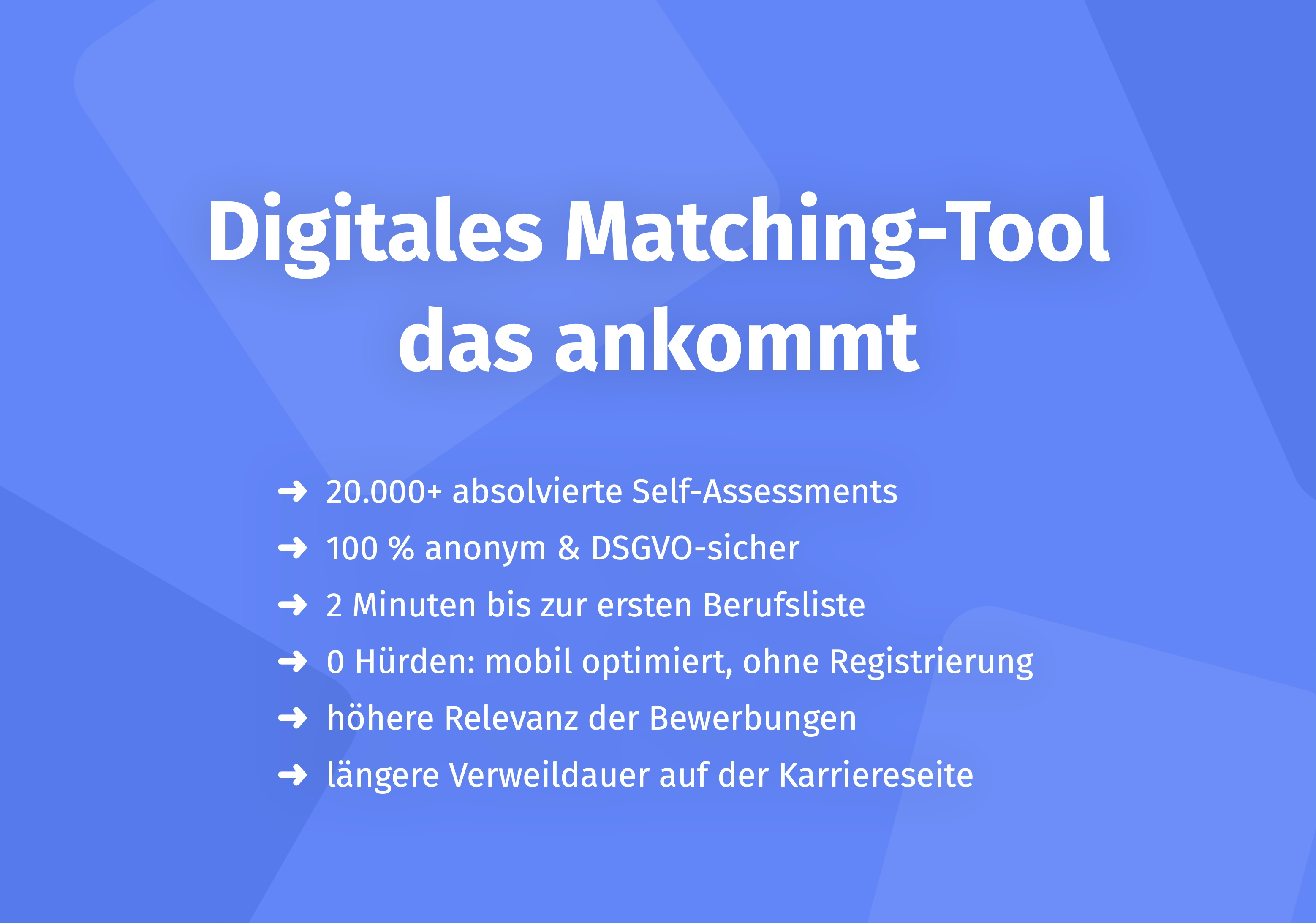
This is where specialized talent assessment comes in. Psychometric methods – such as those provided by the digital platform Aivy – measure competencies, personality traits, and potential on the basis of scientifically validated tests. This information complements the ATS workflow by making pre-selection more objective and systematically reducing unconscious bias.
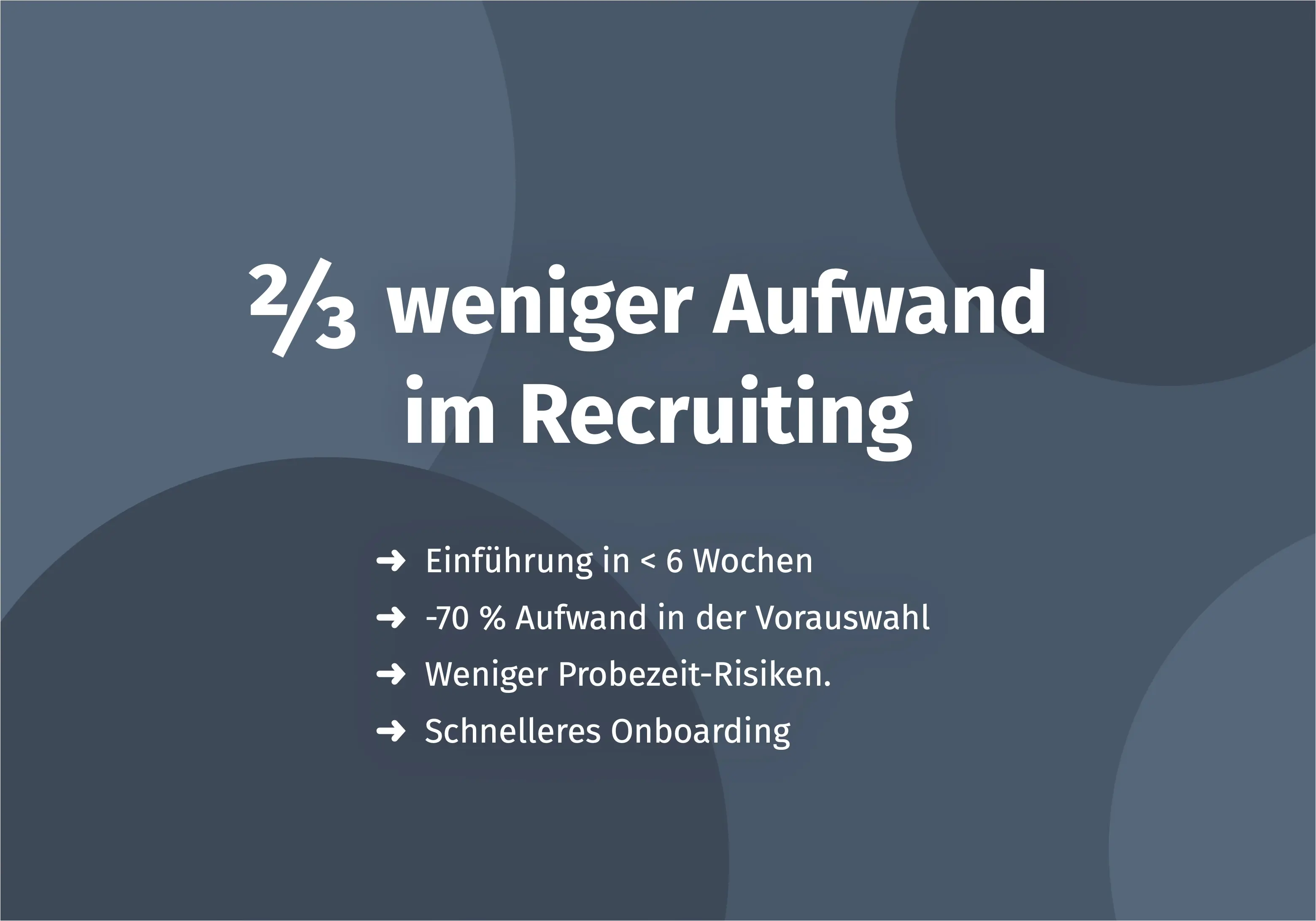
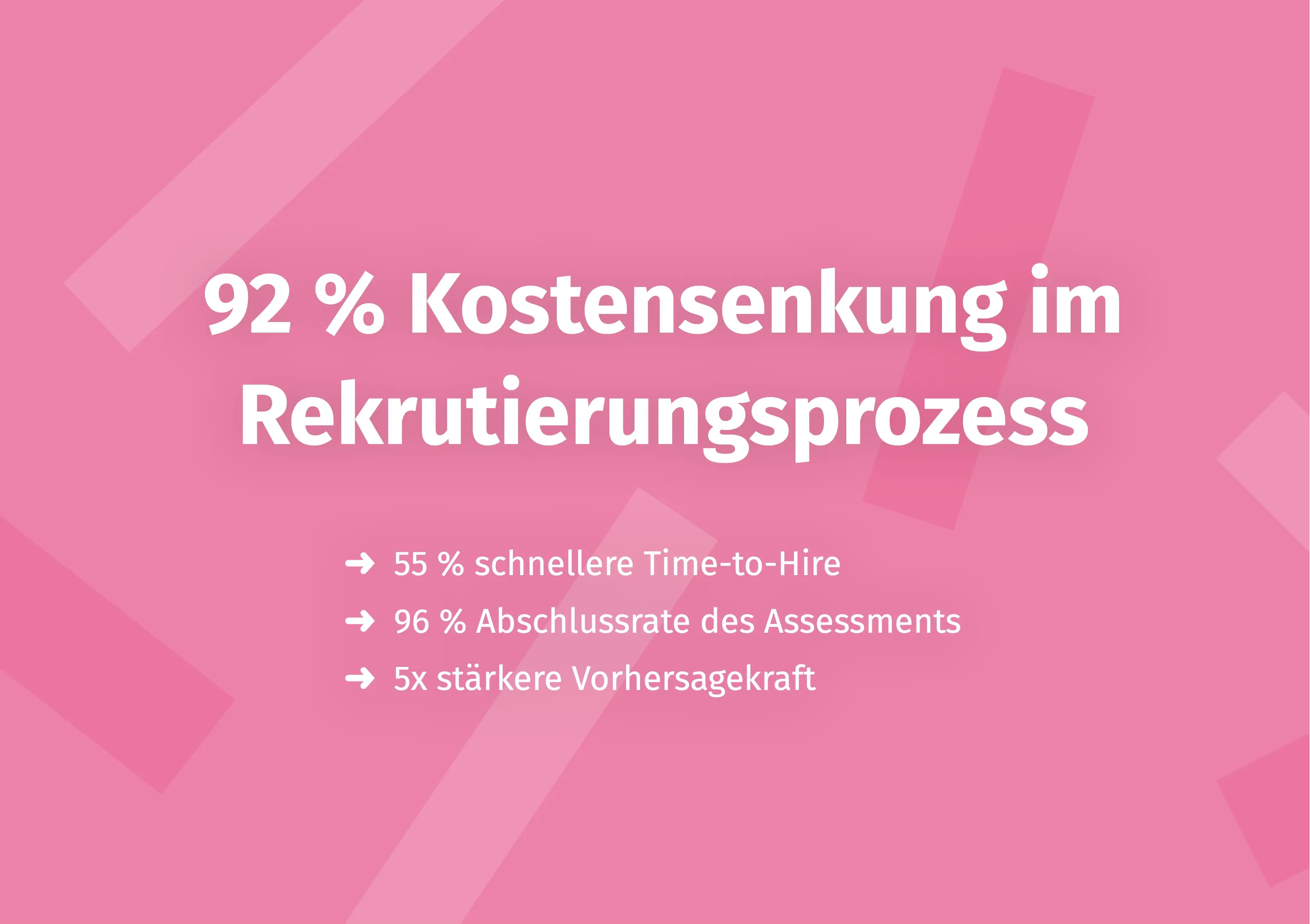
That this combined approach works in practice is demonstrated by MCI Deutschland: the company paired the ATS system softgarden with the Aivy platform for pre-selection and was able to reduce time-to-hire by 55% and cut cost-per-hire by 92%. The MCI Deutschland success story shows how HR software and talent assessment can work together as complementary tools.
Those who also want to understand what potential candidates bring to a role can find more in the lexicon article on potential analysis.
Frequently Asked Questions About HR Software
What is HR software?
HR software is a digital solution for managing and optimizing HR processes. It covers core functions such as personnel administration, time tracking, applicant management, and payroll. Depending on the provider and model, individual modules or complete suites are available.
What is the difference between HRIS, ATS, and HCM?
HRIS (Human Resources Information System) manages master data and documents. ATS (Applicant Tracking System) focuses on applicant management. HCM (Human Capital Management) is an umbrella term for comprehensive systems covering all HR processes – from recruiting to employee development.
Which HR software is suitable for small companies?
For SMEs (up to approximately 250 employees), lean, quickly implementable tools such as Personio, Factorial, or Kenjo are recommended. Key criteria: ease of use, GDPR compliance, transparent pricing models, and local-language support.
How much does HR software cost?
Costs vary widely. SME tools typically cost €5–10 per employee per month. Enterprise platforms such as SAP SuccessFactors or Workday work with individual pricing that is often considerably higher. Important: include implementation costs, training, and maintenance in the overall TCO calculation.
Is HR software GDPR-compliant?
Many established providers offer GDPR-compliant solutions, particularly when their data centers are located in Germany or the EU. Compliance also depends on internal configuration: access rights, deletion deadlines, and the conclusion of a Data Processing Agreement (DPA) with the provider are mandatory.
How do I choose the right HR software?
In five steps: requirements analysis → market comparison (shortlist of 3–5 providers) → demo and pilot test with the HR team → TCO calculation → decision based on user acceptance. Usability is often more important than the feature set.
Can HR software improve the quality of personnel selection?
Standard ATS systems improve the recruiting workflow, but not automatically the quality of selection. Objective talent assessment requires specialized tools that integrate with existing ATS systems. The combination of HR software and scientifically validated assessments delivers measurable results in practice.
Conclusion
The best HR software does not come off the shelf – it is the solution that fits your company best. Company size, process requirements, budget, and the team's willingness to adopt the system are the decisive factors. For SMEs, lean, intuitive tools are often the right choice; growing organizations benefit from scalable platforms with a broad feature set.
GDPR compliance, integration capability, and a realistic TCO calculation are not optional considerations – they are mandatory.
Those who also want to improve the quality of personnel selection should view HR software as the foundation – and objective talent assessment as a valuable complement. The digital platform Aivy offers scientifically validated game-based assessments that integrate seamlessly into existing ATS systems and systematically reduce bias in pre-selection.
Sources
- General Data Protection Regulation (GDPR), EU 2016/679. European Parliament / Council of the European Union, 2016. https://gdpr-info.eu
- Bitkom e.V.: Digitalization in HR. Berlin, 2023. https://www.bitkom.org/Themen/Wirtschaft/Personal-HR
- OMR Reviews – HR Software Comparison. OMR, 2024. https://omr.com/de/reviews/categorie/hr-software
- Deutsche Gesellschaft für Personalführung (DGFP): HR Trends Annual Study 2024. https://www.dgfp.de/hr-wissen/studien
Make a better pre-selection — even before the first interview
In just a few minutes, Aivy shows you which candidates really fit the role. Beyond resumes based on strengths.