
HR management software (also known as HRIS) digitalises core HR processes such as employee data management, time tracking and absence management. The most widely used tools on the market include Personio, HiBob, Factorial, Kenjo and SAP SuccessFactors — the best fit depends on company size and specific requirements. When evaluating options, GDPR compliance, integration capability and total cost of ownership are the decisive factors.
What Is HR Management Software?
HR management software is a digital system that centrally stores, manages and analyses all employee-related data. It replaces manual processes — often still running on spreadsheets — with structured, automated workflows, creating greater transparency, legal compliance and efficiency in everyday HR operations.
The term is frequently used interchangeably with HRIS (Human Resource Information System) or HR software, but meaningful distinctions exist:
- HRIS: Focused on data administration and core HR processes (employee master data, time tracking, absences, payroll, digital personnel files).
- HCM (Human Capital Management): A broader platform that additionally covers strategic areas such as talent management, recruitment and employee development.
- ATS (Applicant Tracking System): Specialist software for managing the hiring process from application through to offer. Many HRIS solutions include a built-in ATS or support integration via API.
For most small and medium-sized businesses, a well-featured HRIS is the natural starting point.
What Features Should HR Management Software Include?
The scope of functionality varies significantly by vendor and pricing tier. Any solid solution should cover these core capabilities:
Employee Master Data Management
Central storage of all employee records: contact details, contract information, qualifications and organisational chart position. This is the foundation of every HR process and the basis for legally compliant documentation.
Time Tracking and Absence Management
Following the 2019 European Court of Justice ruling and subsequent national legislation, employers across the EU are required to systematically record working hours. Good HR software handles annual leave, sick leave, overtime and special leave in a structured way — including approval workflows that reduce administrative back-and-forth.
Digital Personnel Files
Paperless personnel files replace physical folders and enable role-based access controls. All documents — employment contracts, references, warnings — are securely stored and audit-trail compliant. Learn more in the article on Talent Relationship Management.
Payroll and Accounting Integration
Many solutions offer direct interfaces to payroll software (e.g. Sage, Xero, DATEV) or handle payroll processing natively. For smaller companies, a clean payroll integration is often more practical than a fully embedded payroll engine.
Reporting and HR Analytics
Dashboards covering turnover rates, absence rates, headcount development or leave balances support HR professionals in strategic decision-making and reporting to senior leadership.
The Best HR Management Software: An Overview
The market is broad. The overview below is based on widely referenced user ratings (including G2, Capterra and OMR Reviews) and serves as a starting point for your own evaluation. Prices and features are subject to change — please verify directly with vendors (as of February 2025).
For Small Businesses (up to 50 Employees)
| Tool | Key Strengths | Approx. Pricing |
|---|---|---|
| Factorial | User-friendly, modern UI, time tracking included | from €4/employee/month |
| Kenjo | International focus, strong onboarding features | from €4/employee/month |
| Personio (Starter) | Leading HRIS in DACH region, broad ecosystem, solid ATS integration | from €4/employee/month |
| HiBob | Strong employee experience, modern design, good for remote teams | on request |
For Mid-Sized Businesses (50–250 Employees)
| Tool | Key Strengths | Approx. Pricing |
|---|---|---|
| Personio | Full HRIS suite, strong integrations, large partner network | from €6/employee/month |
| BambooHR | Popular in English-speaking markets, intuitive UI, strong reporting | on request |
| Rippling | Combines HR, IT and payroll, powerful automation | on request |
For Large Enterprises (250+ Employees)
| Tool | Key Strengths | Approx. Pricing |
|---|---|---|
| SAP SuccessFactors | Enterprise-grade, globally scalable, comprehensive HCM suite | Enterprise pricing on request |
| Workday | Leading HCM and finance platform, ideal for multinationals | Enterprise pricing on request |
| Oracle HCM Cloud | Advanced analytics, broad integration capabilities | Enterprise pricing on request |
How to Choose the Right Software
Checklist: The 7 Most Important Selection Criteria
1. Feature scope vs. actual needs: Map out which HR processes you currently have and which you'll need within the next 12–24 months. Over-featured solutions add cost and complexity without adding value.
2. GDPR compliance and data hosting: The software will process sensitive employee data. Ensure the vendor provides a Data Processing Agreement (DPA) and hosts data on EU servers. For US-based vendors (e.g. Workday, Oracle), check that Standard Contractual Clauses (SCCs) are in place.
3. Integration capability: Can the software connect with your existing ATS, payroll system and other tools? Open APIs offer more long-term flexibility than pre-built, closed integrations.
4. Usability: A system that HR teams and employees don't adopt delivers no value. Test demo versions and gather feedback from end users before committing.
5. Scalability: Will the solution suit your planned headcount in three years? Many vendors price per employee — factor in growth from the outset.
6. Support and implementation: Responsive support, documented onboarding processes and clear SLAs (Service Level Agreements) are critical during rollout. Check whether support is available in your language.
7. Total cost of ownership (TCO): Licence fees are only one component. Add implementation, data migration, training and ongoing support to build a fair, like-for-like comparison across vendors.
Decision Guide by Company Size
- 1–10 employees: Simple tools or free-tier solutions (e.g. Zoho People Free) are often sufficient. Spreadsheets can still work, but compliance gaps tend to emerge quickly.
- 10–50 employees: This is typically the right point to invest in dedicated HRIS software. Factorial, Kenjo or Personio Starter are good starting points.
- 50–250 employees: Full HRIS suites with ATS integration and reporting become necessary. Personio, BambooHR or Rippling are strong options at this scale.
- 250+ employees: Enterprise platforms (SAP, Workday) are usually required — often with multi-month implementation projects and dedicated IT involvement.
GDPR & Data Protection – What You Need to Know
HR management software processes some of the most sensitive employee data: salaries, medical absences, contract details. The legal framework is clear.
Under Article 88 of the GDPR, EU member states are permitted to adopt more specific rules for the processing of employees' personal data in the context of employment. In practice, this means employers must have a lawful basis for every category of employee data they process — typically the performance of an employment contract or compliance with a legal obligation.
Practical steps for HR professionals:
Sign a Data Processing Agreement (DPA) with your software vendor before going live. This is a mandatory requirement under GDPR whenever an external processor handles personal data on your behalf.
Check the data hosting location: EU-based servers are strongly preferable. For US vendors, ensure Standard Contractual Clauses are in place and documented.
Define access rights and role-based permissions: not all employees need access to all data. Modern HRIS tools support granular permission structures — use them consistently from day one.
Conduct a Data Protection Impact Assessment (DPIA) when introducing new modules that involve higher-risk processing, such as biometric time tracking or automated payroll systems.
Combining HR Administration and Recruitment
HR management software covers the administrative backbone of HR — it manages what has already been decided. The quality of those decisions, however, starts earlier: in the hiring process itself.
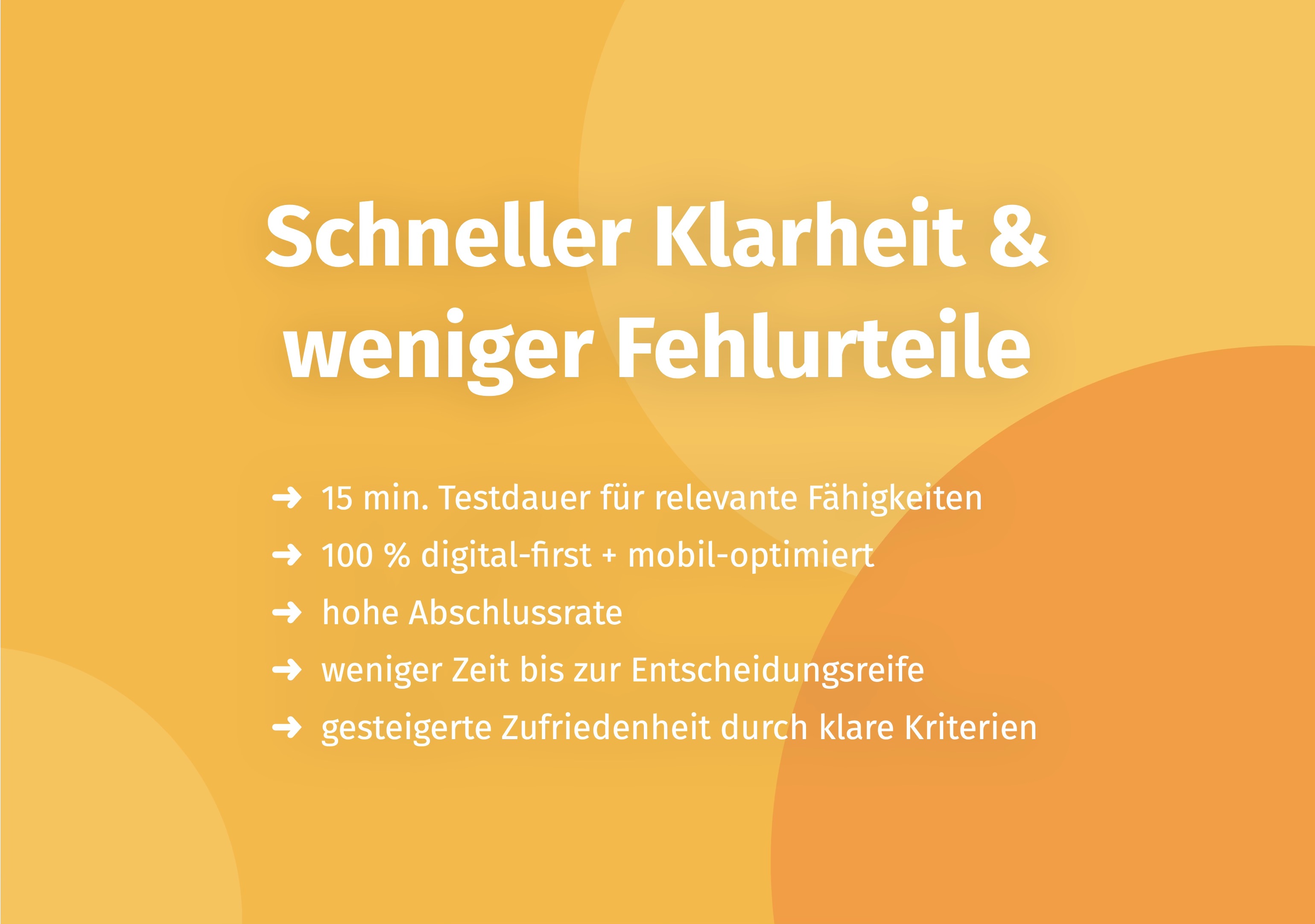
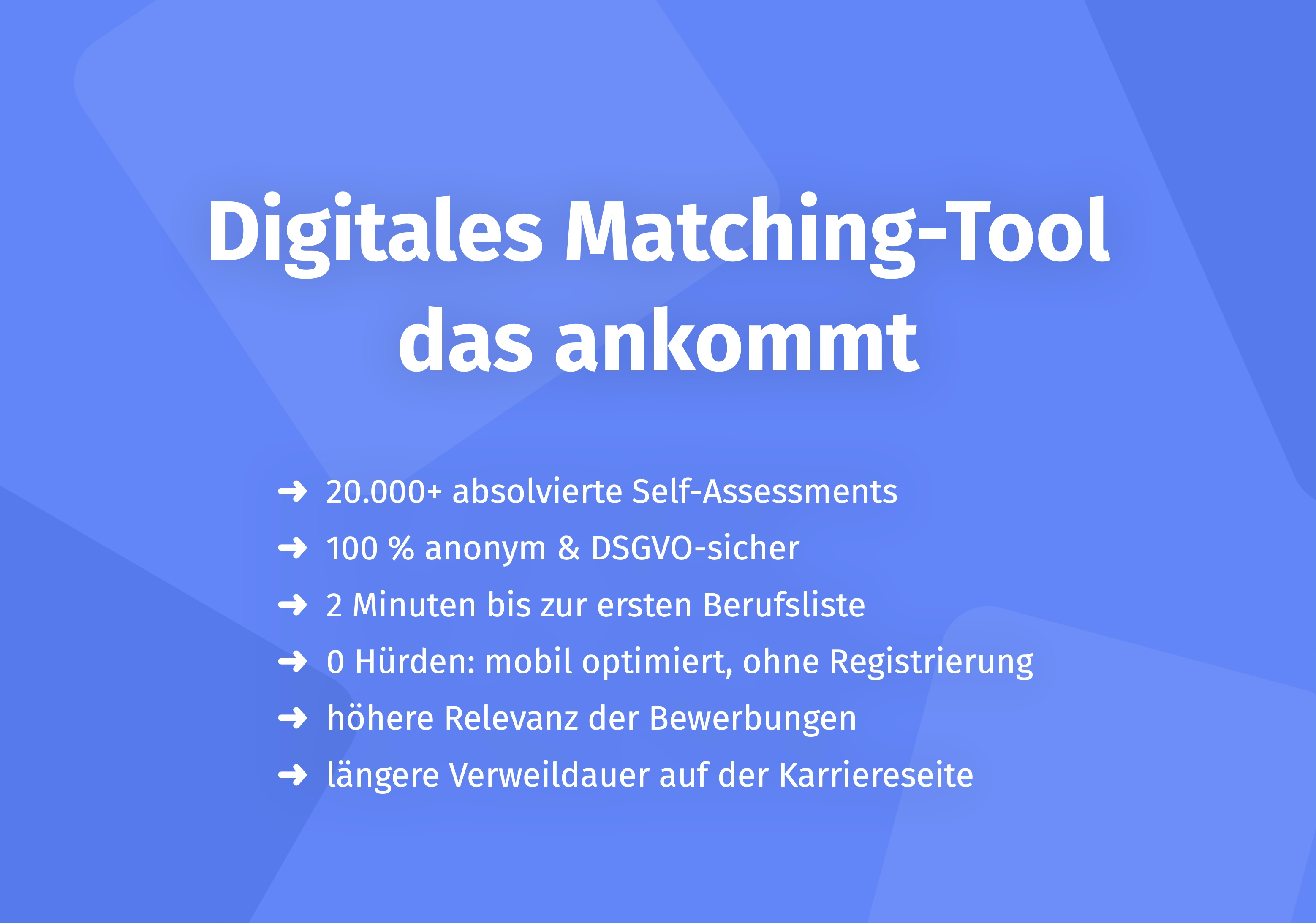
Organisations taking a holistic view of their HR tech stack combine a solid HRIS with tools for objective talent assessment. The Aivy platform complements existing HR systems with scientifically validated assessments that evaluate candidates fairly and without bias — independent of CV or first impression. This addresses a common gap: HR software knows a great deal about existing employees, but very little about how well a new candidate truly fits a role.
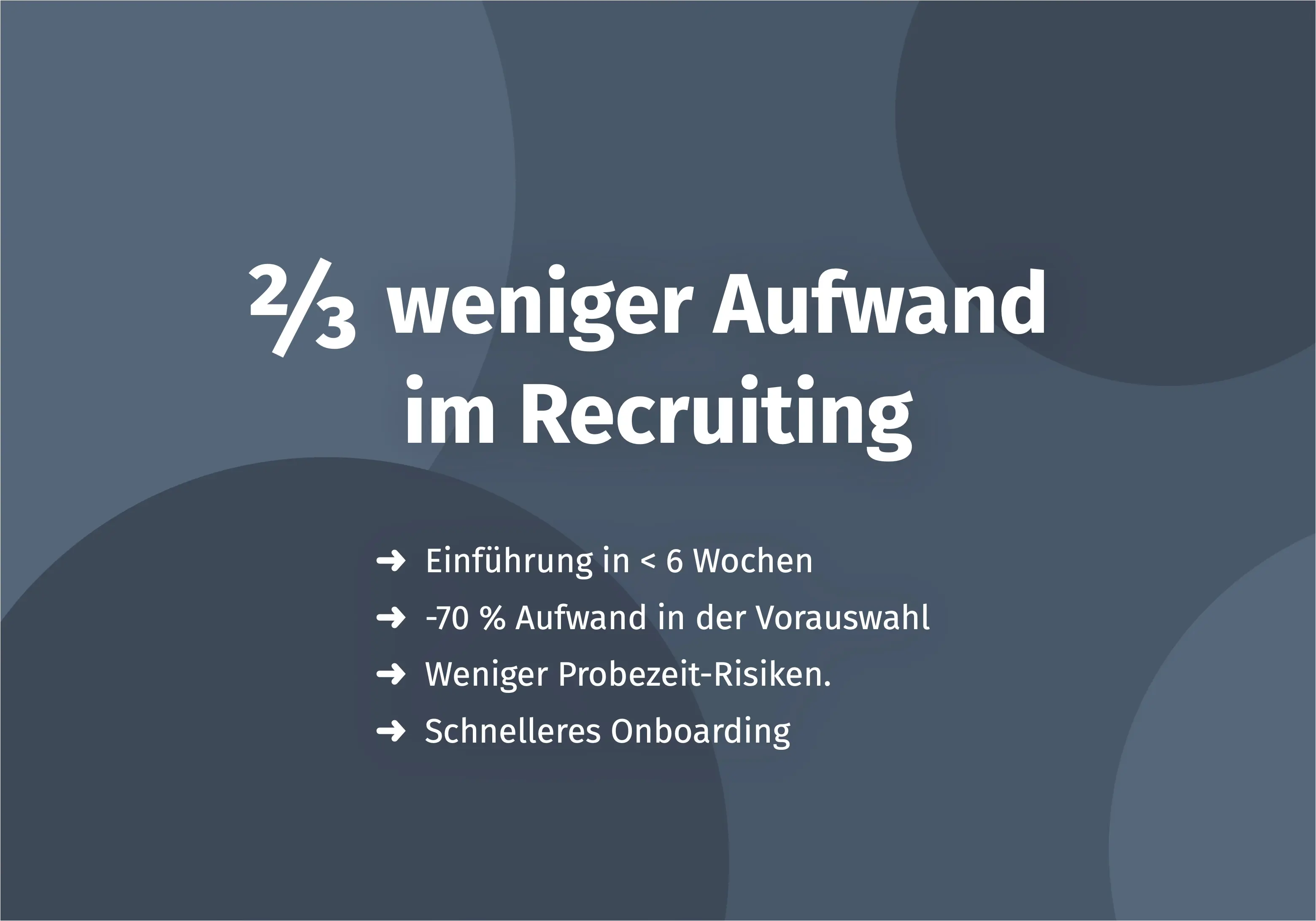
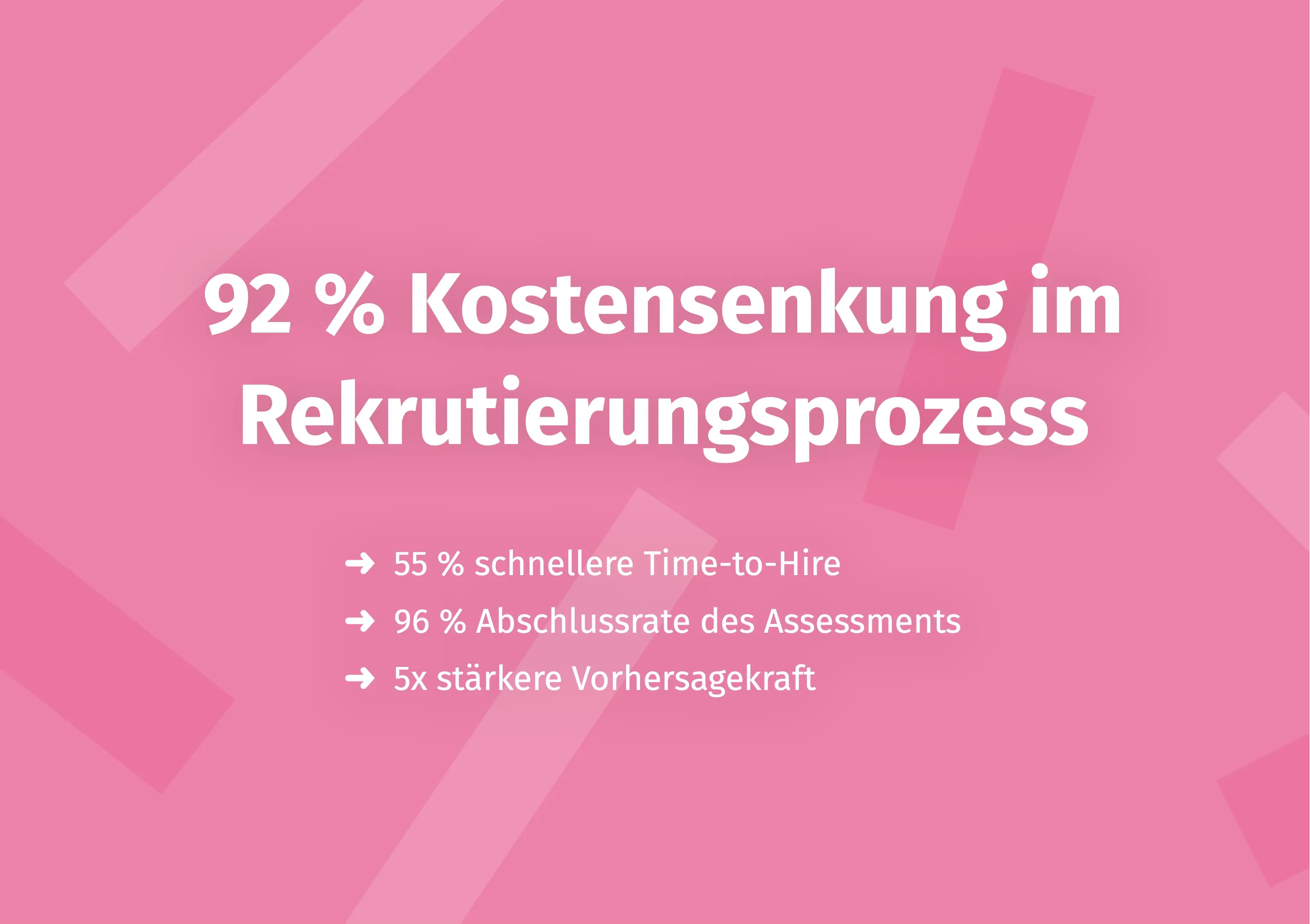
What comprehensive HR digitalisation looks like in practice is illustrated by MCI Deutschland: by combining a digitalised application process with objective talent diagnostics, the company reduced time-to-hire by 55% and cut cost-per-hire by 92% (source: Aivy Success Story – MCI Deutschland).
Learn more about scientifically grounded talent assessment as a complement to your HRIS: Discover Aivy
Frequently Asked Questions About HR Management Software
What is HR management software?
HR management software (HRIS) is a digital system for the centralised management of all employee-related data. Core functions include employee data administration, time tracking, absence management, payroll processing and HR reporting. It replaces manual, error-prone processes with structured, legally compliant workflows.
How much does HR management software cost?
Most vendors operate on a SaaS model, with monthly costs per employee — typically ranging from €4 to €20. Free entry-level tiers (e.g. Zoho People Free) are available for very small teams. Important: the list price is only part of the picture. Implementation, data migration, training and support must all be factored into the total cost of ownership (TCO).
Which HR management software is best for small businesses?
For teams of up to 50 employees, Factorial, Kenjo and Personio Starter are well-regarded options. They offer user-friendly interfaces, essential features and GDPR compliance. The right choice depends heavily on your specific requirements — for example, whether a direct integration with your payroll provider is critical.
Is HR management software GDPR-compliant?
GDPR compliance is a legal requirement, not an optional feature. Key questions to ask any vendor: Do they provide a Data Processing Agreement (DPA)? Are servers hosted in the EU? Are granular access controls available? Reputable vendors serving the European market should be able to answer all of these clearly — request documentation before signing any contract.
What is the difference between HRIS and HCM?
An HRIS focuses on administrative HR processes: data management, time tracking, absences and payroll. An HCM (Human Capital Management) platform goes further, covering strategic areas such as talent management, recruitment, performance management and employee development. For SMEs, a well-chosen HRIS is typically the right place to start.
Can HR management software integrate with other tools?
Yes — and integration capability is a critical selection criterion. Check for connections to your payroll provider, ATS and recruitment tools, time tracking systems and communication platforms. Many vendors offer native integrations or Zapier-based connections. An open API offers more long-term flexibility than a closed, proprietary integration layer.
When does HR management software become worthwhile?
A common rule of thumb: from around 10–15 employees, the investment typically pays off. It makes sense to act earlier if the company is growing rapidly, experiencing high turnover, or facing increasing compliance requirements such as systematic working time documentation.
Conclusion
Good HR management software is not a nice-to-have — it is the digital foundation for legally compliant, efficient people management. Choosing the right tool comes down to three factors: company size, specific functional requirements (payroll integration, time tracking, ATS) and budget — including implementation costs.
For small and mid-sized companies, Personio, Factorial and HiBob are established starting points. GDPR requirements must be built into the evaluation from day one: a Data Processing Agreement, EU-based hosting and a clear access control concept are legal obligations, not optional extras.
For organisations ready to go further — improving not just HR administration but the quality of hiring decisions — the Aivy platform offers a scientifically validated complement: Learn more about objective talent diagnostics.
Sources
- General Data Protection Regulation (GDPR), Art. 88 – Processing in the Context of Employment. European Parliament and Council of the EU, 2016. https://eur-lex.europa.eu/legal-content/EN/TXT/?uri=CELEX:32016R0679
- HR Software Market Overview (User Reviews). OMR Reviews, 2025. https://omr.com/de/reviews/category/hr-software
- HR Software Directory. Capterra, 2025. https://www.capterra.com/human-resource-software/
- Aivy Success Story – MCI Deutschland GmbH. Aivy GmbH, 2024. https://www.aivy.app/en/success-stories/mci-deutschland-gmbh
Make a better pre-selection — even before the first interview
In just a few minutes, Aivy shows you which candidates really fit the role. Beyond resumes based on strengths.