
Recruiting software (also known as applicant tracking system or ATS) helps companies manage the entire hiring process digitally – from job posting to hiring. Choosing the right software depends on company size, budget, and required features. For better selection quality, traditional recruiting software can be meaningfully enhanced with specialized assessment tools like game-based assessments.
What Is Recruiting Software?
Recruiting software is a digital solution that structures and automates the entire application process. It helps HR teams publish job postings, manage applications, communicate with candidates, and maintain an overview of all ongoing processes.
At its core, it's about automating repetitive tasks and freeing up time for strategic HR work. According to current market analyses, 87% of companies already use AI-powered recruiting platforms – and the trend is rising.
Recruiting Software vs. HR Software – The Difference
These terms are often confused, but they cover different phases:
Recruiting software focuses on talent acquisition: job postings, applicant management, and candidate selection – everything up to hiring.
HR software (also HRIS or HCM) takes over afterward: personnel administration, time tracking, payroll, and employee development – everything after hiring.
Modern all-in-one solutions like Personio or Factorial combine both areas. Specialized recruiting tools like softgarden or Recruitee, on the other hand, focus exclusively on talent acquisition.
Typical Use Cases in Companies
Recruiting software is used wherever new employees are regularly sought:
- HR departments use it for centralized applicant management
- Hiring managers receive structured access to candidate profiles
- Executives can directly evaluate and comment on applicants
- External recruiters work through interfaces in the same system
Key Features at a Glance
Job Postings & Multiposting
Multiposting means: Create one job posting, publish it on many channels. Good recruiting software offers interfaces to job boards (LinkedIn, Indeed, Glassdoor), social media, and your own career page. This saves time and increases reach.
Applicant Management & Tracking
The heart of any recruiting software is the Applicant Tracking System (ATS). It centrally captures incoming applications, assigns them to positions, and makes the processing status visible to all stakeholders. CV parsing automatically extracts information from resumes.
Communication & Automation
Automatic confirmation emails, interview invitations, and rejections can be standardized using email templates. This speeds up communication and improves the candidate experience – the overall impression candidates have of the hiring process.
Assessment & Diagnostics
Traditional recruiting software optimizes processes but doesn't necessarily improve selection quality. This is where specialized assessment tools come in: They complement the ATS with scientifically validated assessments that objectively measure competencies and potential – independent of the resume.
Analytics & Reporting
Metrics like time-to-hire, cost-per-hire, or conversion rates show where the recruiting process is running smoothly and where optimization is needed.
Comparing Recruiting Software: 5 Selection Criteria
Feature Set & Scalability
Not every company needs all features. What matters is: Does the software cover your current requirements – and will it grow with you? Modular systems allow you to add functions as needed.
User-Friendliness
The best software is useless if no one uses it. Look for intuitive operation, short onboarding time, and a clear interface. Many providers offer free trial periods.
Integrations & Interfaces
Check whether the software can communicate with your existing systems: payroll systems, Microsoft 365 for calendar and email, your existing HR system. Open APIs enable additional connections through tools like Zapier or Make.
Costs & Pricing Models
The price range is wide:
- Free basic versions for beginners (limited features)
- SMB solutions starting at approx. $50-100 per month
- Enterprise systems with individual pricing
Typical pricing models: per user, per employee in the company, or flat rate. Watch out for hidden costs for job postings, integrations, or premium support.
Data Protection & Compliance
Applicant data is sensitive. Reputable providers offer:
- Server location in the EU or compliant jurisdictions
- Automatic deletion periods for applicant data
- Integrated consent management
- Encrypted data transmission
Which Software Suits Whom?
Recruiting Software for SMBs
Small and medium-sized businesses don't need enterprise features – they need pragmatic solutions: easy operation, quick setup, fair prices. Cloud solutions without their own IT infrastructure are ideal here. Important: Pay attention to scalability in case the company grows.
Solutions for Mid-Sized Companies
From 200 employees, requirements increase: Multiple recruiters work in parallel, departments want to be involved, reporting becomes more important. More comprehensive systems with role concepts and advanced analytics functions are worthwhile here.
Enterprise Recruiting
Corporations with 1,000+ employees need maximum flexibility: complex approval workflows, global recruiting in multiple languages, deep integration with SAP or Workday. Implementation often takes several months, but the systems are highly customizable.
Extending Recruiting Software: Assessment for Better Selection
Recruiting software makes processes more efficient – but it doesn't change how selection decisions are made. Most companies still select candidates primarily based on resumes and gut feeling. The problem: Unconscious bias influences decisions, and potential remains invisible.
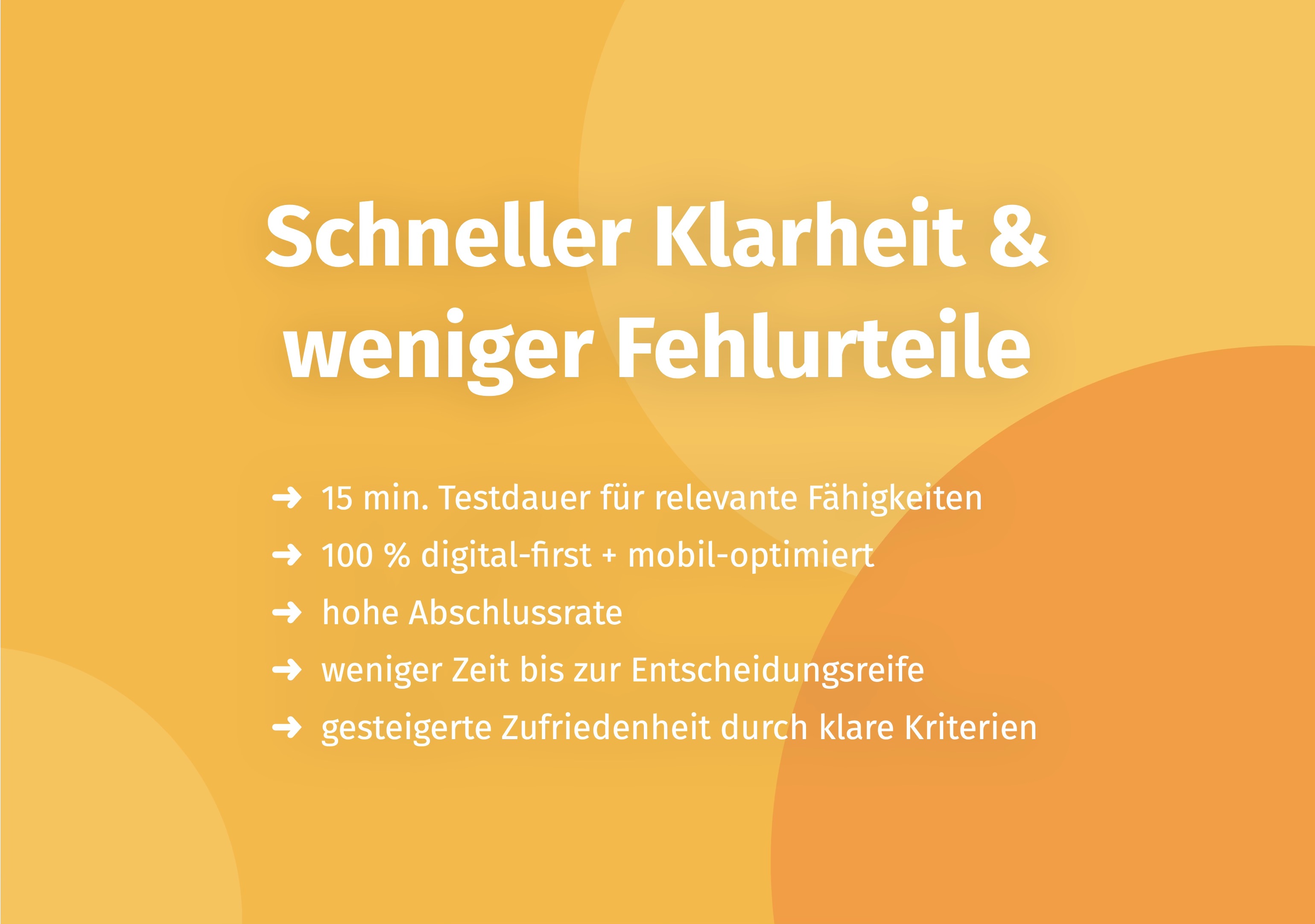
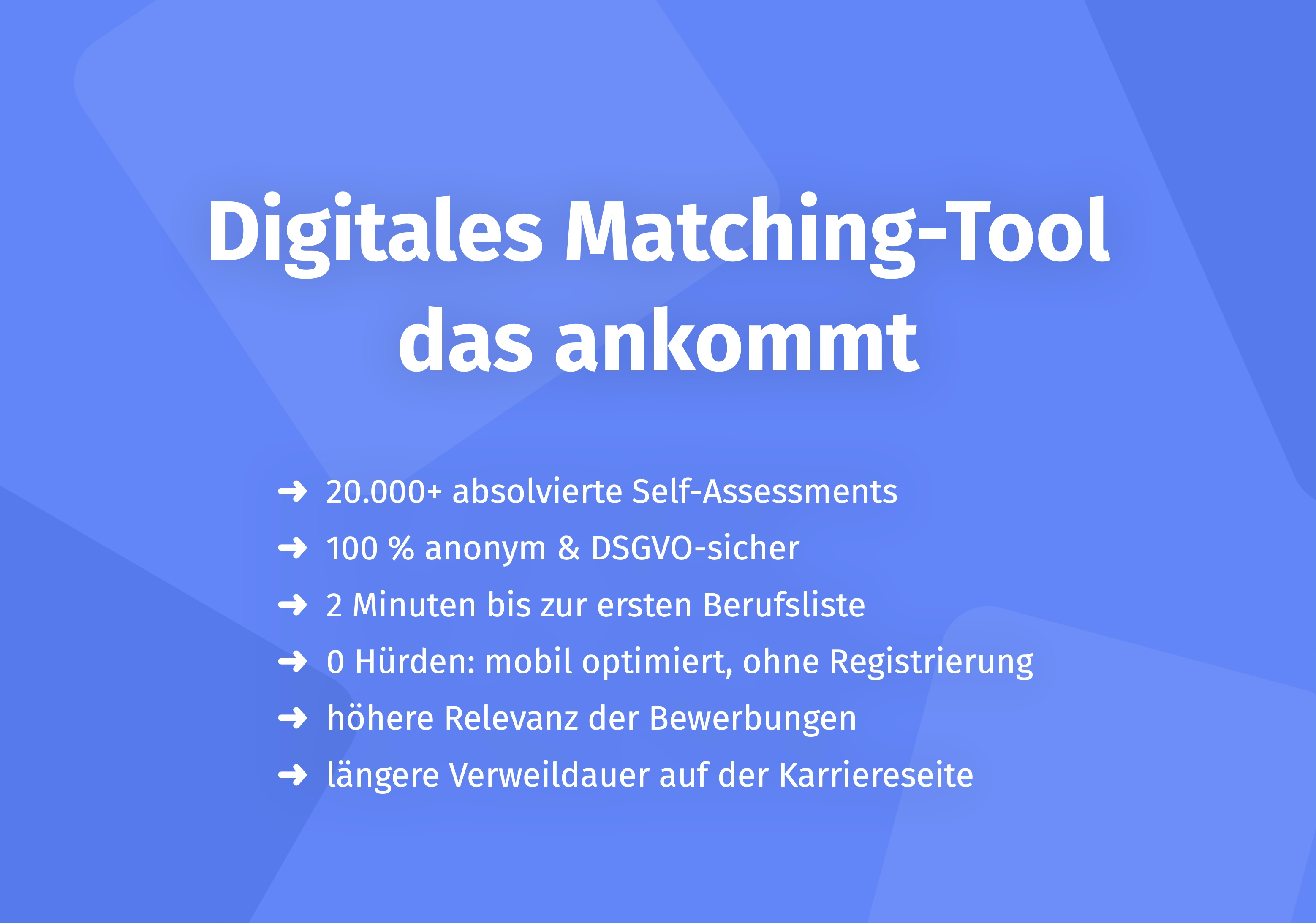
This is where specialized assessment tools come in. They complement traditional recruiting software with scientifically validated assessments that objectively measure competencies. The Aivy platform uses game-based assessments – playful tests that capture cognitive abilities and personality traits without traditional exam stress.
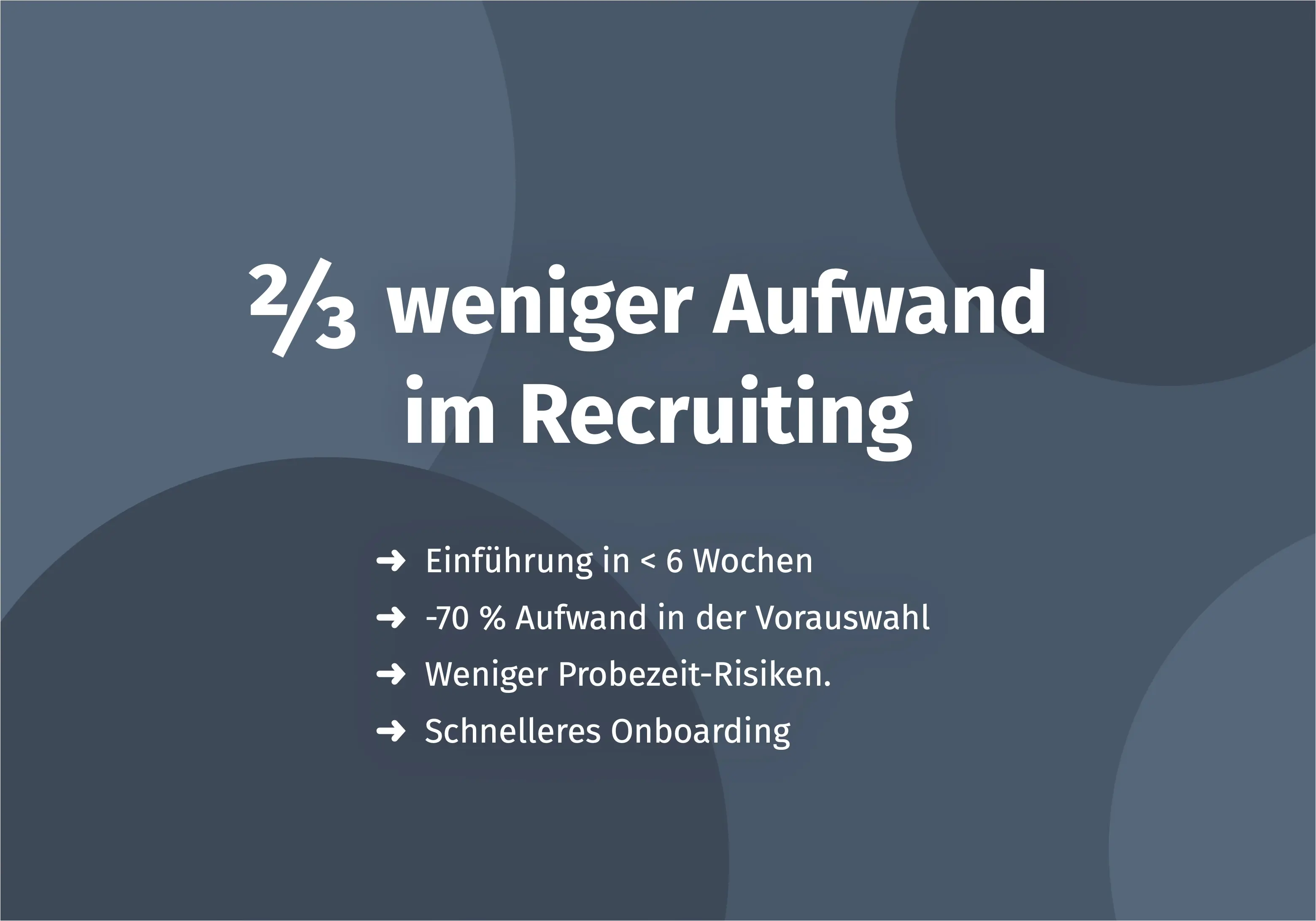
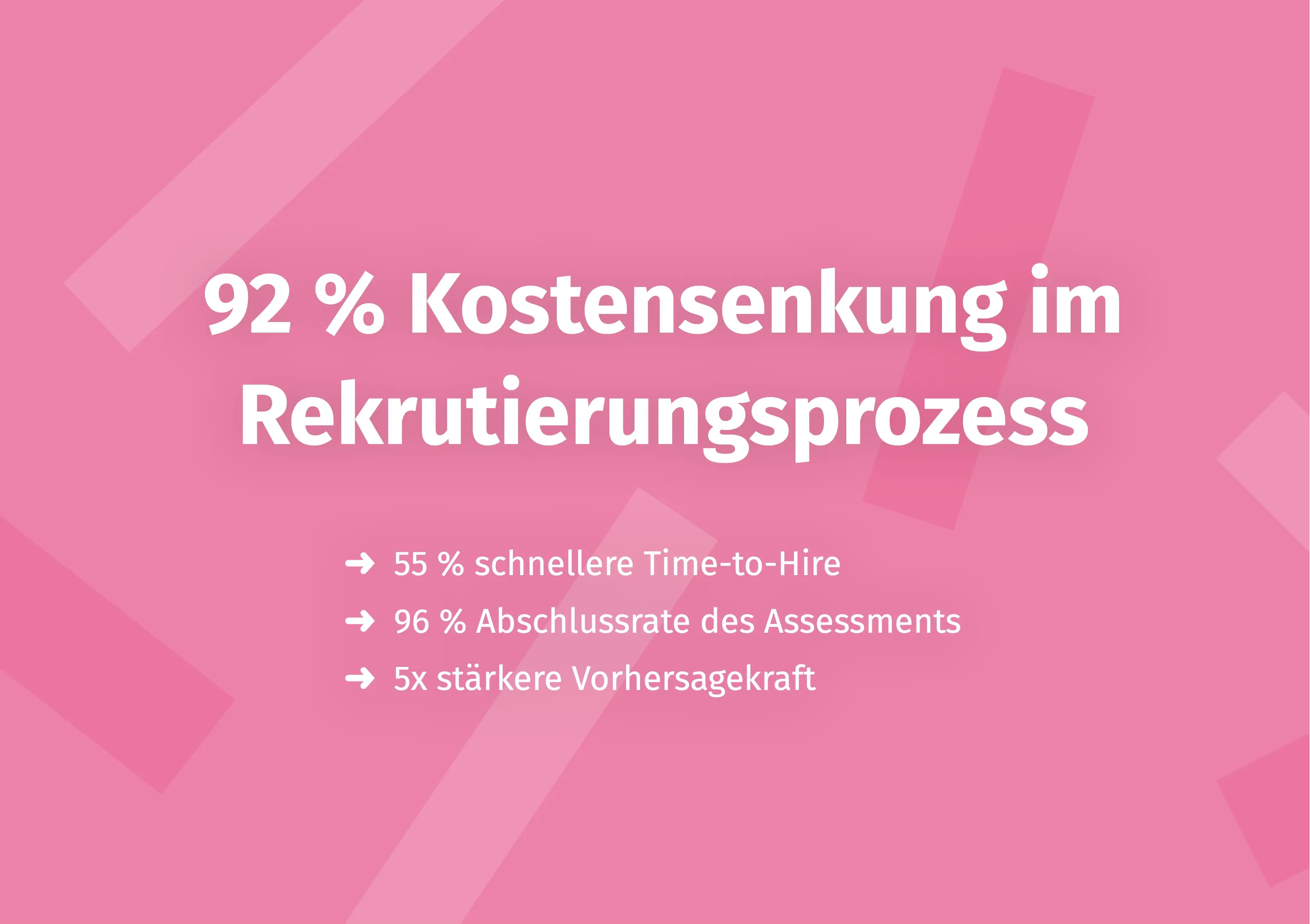
Practice shows measurable results: MCI Germany was able to reduce time-to-hire by 55% and cost-per-hire by 92% through the combination of softgarden and Aivy. The completion rate in the assessment is 96%, and the predictive power is 5x stronger than traditional methods.
The advantage: Assessment tools like Aivy integrate seamlessly into existing recruiting software. Candidates complete the assessment, and results automatically flow back into the ATS. This creates an objective decision-making basis – complementing the resume, not replacing it.
Frequently Asked Questions About Recruiting Software
How Much Does Recruiting Software Cost?
Costs vary widely: from free basic versions to $500 or more per month. Typical pricing models are per user, per employee, or flat rate. Entry-level solutions for SMBs start at around $50-100 monthly; enterprise solutions are individually calculated. Watch out for additional costs for job postings, integrations, and premium support.
Which Recruiting Software Is Suitable for Small Businesses?
SMBs need easy operation without lengthy training. Important factors are good value for money and cloud solutions without IT overhead. Not all enterprise features are necessary – instead, focus on scalability for future growth.
What Is the Difference Between ATS and CRM in Recruiting?
An ATS (Applicant Tracking System) manages active application processes: Incoming applications are captured, guided through phases, and accompanied until hiring. A CRM (Candidate Relationship Management) maintains long-term relationships with talent – even without a current application. Modern solutions often combine both.
How Long Does It Take to Implement Recruiting Software?
Cloud solutions are often ready for use in 2-4 weeks. More complex systems with extensive data migration, many integrations, and training require 2-6 months. A pilot phase with one team is recommended before rolling out the system company-wide.
Is Recruiting Software GDPR-Compliant?
Reputable providers offer GDPR-compliant solutions with server locations in Germany or the EU. Important features are automatic deletion periods for applicant data and integrated consent management. Check these points before making your selection.
Can I Connect My Existing HR Software with Recruiting Tools?
Most providers offer standard interfaces (APIs). Check compatibility with your existing systems like DATEV, SAP, or Personio. In addition to native integrations, tools like Zapier or Make enable additional connections. Make sure data flows in both directions.
Does Recruiting Software Really Improve Candidate Experience?
Yes – through faster responses, automatic status updates, and transparent communication. Automatic confirmation emails reduce uncertainty for applicants, and mobile-optimized forms lower the abandonment rate. Extending with assessments can additionally increase appreciation.
How Can I Improve Selection Quality Beyond Process Optimization?
Traditional recruiting software optimizes processes, not decision quality. For better hiring decisions, consider complementing with assessment tools like game-based assessments. Scientifically validated tests measure competencies objectively and reduce bad hires.
Conclusion: Finding the Right Recruiting Software
Recruiting software is now essential for efficient talent acquisition. It saves time on administrative tasks, improves candidate experience, and makes the entire process more transparent. When choosing, the right fit matters: feature set, user-friendliness, integrations, costs, and data protection should match your requirements.
Those who want to improve not only processes but also selection quality should complement traditional recruiting software with specialized assessment tools. Scientifically validated assessments provide objective data on competencies and potential – a complement to the resume that reduces bad hires and promotes diversity.
Want to learn how scientific assessment can complement your recruiting software? Learn more about the Aivy platform
Sources
- hireEZ Research. AI-Powered HR Software Market Report 2025. https://hireez.com/blog/best-ai-recruiting-software/
- Recruitee/Tellent. Recruiting Software: 10 Applicant Management Tools Compared. 2025. https://recruitee.com/de/blog/recruiting-software-vergleich
- OMR Reviews. Best Recruiting Software 2025. https://omr.com/en/reviews/category/recruiting
- Infoniqa. The 7 Best Applicant Management Systems 2025 for SMBs. https://www.infoniqa.com/
- Aivy GmbH. Success Story MCI Germany. https://www.aivy.app/en/success-stories/mci-deutschland-gmbh

Make a better pre-selection — even before the first interview
In just a few minutes, Aivy shows you which candidates really fit the role. Beyond resumes based on strengths.