You want to explore your strengths as a talent?

This way

Login

Performance Management – Definition, Process & Methods for HR

Home
-
Lexicon
-
Performance Management – Definition, Process & Methods for HR

Performance management is a continuous process for steering and developing employee performance. Unlike traditional annual reviews, it encompasses goal setting, regular feedback, and aligning individual objectives with company strategy. Successful performance management combines clear expectations, objective evaluation criteria, and consistent development measures.

What is Performance Management? – Definition

Performance management refers to all measures that organizations use to systematically steer, measure, and develop employee performance. The term goes far beyond traditional performance appraisals: While conventional systems often only look back once a year, performance management is an ongoing dialogue between managers and employees.

According to UC Berkeley's definition, performance management is "an ongoing communication process between a supervisor and an employee that occurs throughout the year, in support of accomplishing the strategic objectives of the organization."

Distinction from Traditional Performance Appraisals

The crucial difference lies in the approach: A performance appraisal is a point-in-time evaluation – usually at year-end. Performance management, however, is proactive and development-oriented. It doesn't just ask "How was performance?" but "How can we improve performance?"

Traditional appraisals are also heavily past-oriented and frequently linked to variable compensation. Modern performance management, by contrast, promotes continuous learning and flexible goal adjustments – essential in a work environment where requirements change rapidly.

The Performance Management Process

Effective performance management follows a cyclical process with four core phases. This cycle typically repeats annually or semi-annually, while certain elements like feedback occur continuously.

Planning and Goal Setting

The process begins with jointly establishing goals. Managers and employees define what results should be achieved in the upcoming period. It's crucial that individual goals are linked to overarching company objectives – creating a clear line of sight from corporate strategy to daily work.

Development goals are also discussed during this phase: Which competencies should be expanded? What support is needed?

Monitoring and Continuous Feedback

The second phase accompanies the actual work. Regular check-ins – ideally monthly – allow for discussing progress, identifying obstacles early, and adjusting goals when necessary. These conversations aren't about control, but about providing support.

According to the Kienbaum Performance Management Study 2024, high-performing companies increasingly rely on regular conversations and consistent alignment with strategy. Nevertheless, only about one-third of surveyed companies provide their managers with modern tools for implementing a feedback culture.

Evaluation and Review

The evaluation phase summarizes performance over a period. It typically combines self-assessment and external evaluation. Many companies also use 360-degree feedback here to obtain a more comprehensive picture.

However, the Kienbaum study reveals: Half of all organizations lack systematic top and low-performance management. This means: Both outstanding and inadequate performance often go unaddressed.

Development and Consequences

The fourth phase translates insights into action: training, new assignments, promotions, or corrective conversations for performance issues. An interesting finding from the Kienbaum study: 95 percent of companies agree that visibly celebrating successes positively contributes to performance culture – but only 38 percent actually implement this.

Methods and Tools in Performance Management

Various proven methods are available for practical implementation. The choice depends on company size, industry, and leadership culture.

Goal Setting: SMART and OKRs

SMART goals follow five criteria: specific, measurable, achievable, relevant, and time-bound. They're particularly suitable for operational, clearly defined objectives.

OKRs (Objectives and Key Results) connect ambitious objectives with 2–4 measurable key results. They promote transparency, as OKRs are often visible across the entire organization. OKRs originated in Silicon Valley and have since become established in European companies as well.

360-Degree Feedback

With 360-degree feedback, individuals receive input from various perspectives: from supervisors, colleagues, direct reports, and sometimes customers. This method provides a more differentiated picture than supervisor-only evaluations and can uncover blind spots.

Continuous Feedback

Continuous performance management replaces the rigid annual cycle with regular, brief feedback conversations. The advantage: Problems are identified early, successes acknowledged promptly. According to a Sage study, however, only 26 percent of companies have implemented a unified approach to their performance management.

Objective Diagnostics as a Foundation

One challenge with performance evaluations is subjectivity. Personal sympathies, unconscious biases, or the so-called halo effect can distort judgment. This is where objective diagnostic methods come in: They provide a data-based foundation for development conversations and personnel decisions.

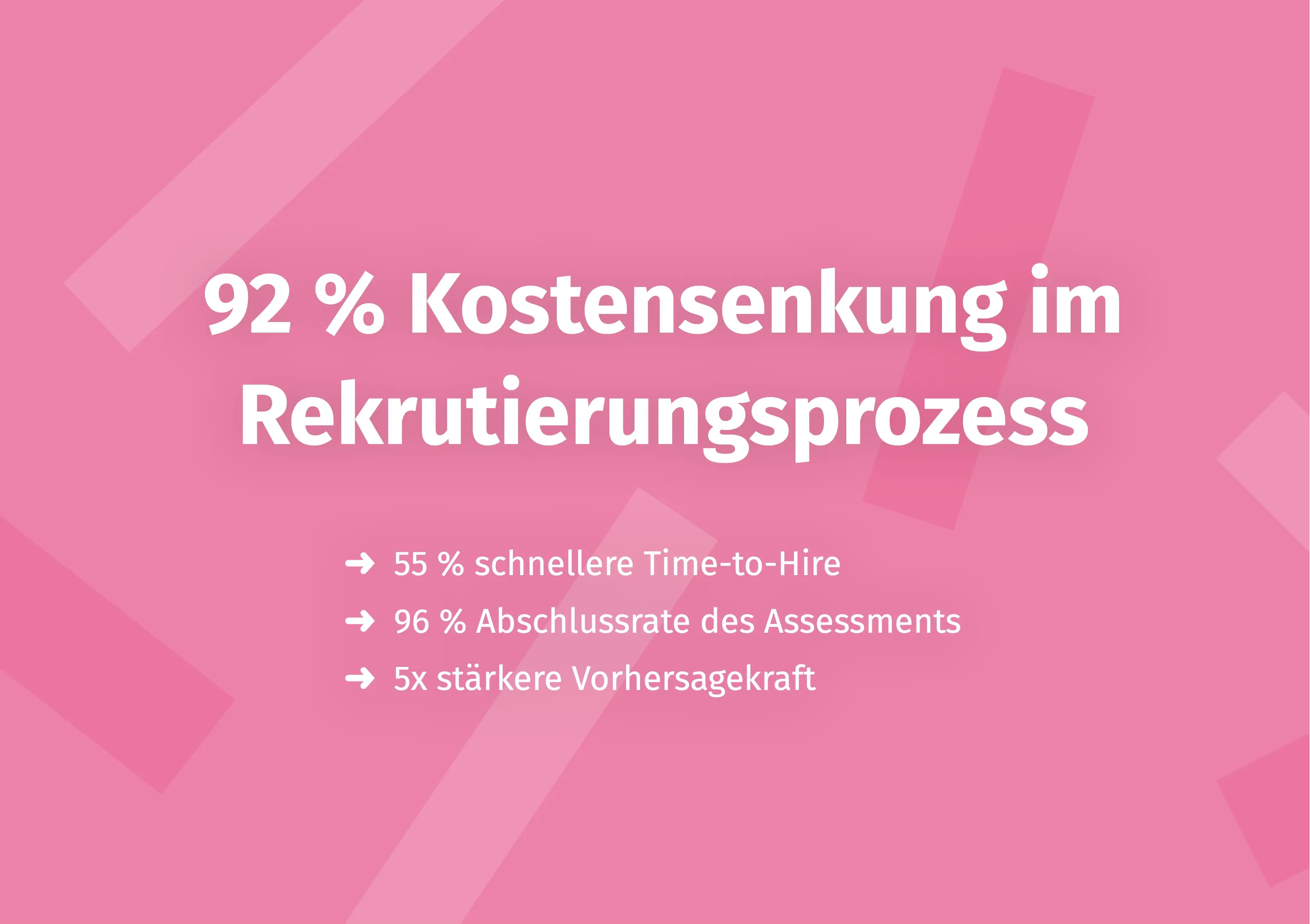
Psychometric assessment can help systematically capture potential and create competency profiles. The digital platform Aivy, for example, offers scientifically validated assessments that create a more objective evaluation basis. Companies like MCI Germany report a 5x stronger predictive power compared to traditional methods and significant professionalization of their evaluation processes.

Benefits of Performance Management

Well-implemented performance management delivers measurable benefits for both organizations and employees:

For the organization:

  • Strategic alignment: Everyone works toward common goals
  • Early problem detection: Performance deficits become visible before they become critical
  • Data-based decisions: Promotions and development measures are based on facts
  • Higher productivity: Clear expectations increase efficiency

For employees:

  • Orientation: Clear goals provide direction
  • Development: Regular feedback promotes growth
  • Recognition: Good performance becomes visible
  • Retention: According to Forbes, 41 percent of employees cite lack of development opportunities as the main reason for leaving

Challenges and Solutions

Introducing and maintaining a performance management system isn't automatic. HR professionals particularly encounter two common challenges.

Avoiding Bias in Subjective Evaluations

Unconscious bias affects not only recruiting but also performance evaluations. Typical distortions include:

  • Halo effect: A positive impression in one area radiates to the overall evaluation
  • Recency bias: Recent events are overweighted
  • Similarity bias: We tend to rate people who are similar to us more favorably

Solutions:

  • Calibration sessions between managers to ensure consistent standards
  • Include multiple feedback sources (360-degree)
  • Use objective diagnostics and potential analyses as supplementary data
  • Train all evaluators on unconscious bias

Empowering Managers

Performance management stands or falls with implementation by managers. They conduct the conversations, provide feedback, and must be able to address difficult topics. The Kienbaum study shows: Only about one-third of companies provide their managers with modern tools and corresponding training.

Recommendations:

  • Manager training on conversation techniques and feedback
  • Clear guidelines and conversation templates
  • Technical support through performance management software
  • Allocate time for leadership tasks (not just operational activities)

Frequently Asked Questions About Performance Management

What is performance management?

Performance management is a continuous process for steering and developing employee performance. It encompasses goal setting, regular feedback, performance evaluation, and development measures – linking individual goals with company strategy.

What's the difference between performance management and performance appraisal?

A performance appraisal is a one-time, usually annual evaluation of past performance. Performance management is a year-round, proactive process that puts development and continuous improvement at the center. The appraisal is just one component.

How often should performance conversations take place?

Formal reviews typically occur once or twice annually. Additionally, monthly check-ins for ongoing feedback are recommended. The Kienbaum study confirms: Successful companies rely on regular conversations rather than single annual meetings.

What methods exist in performance management?

The most common methods include goal setting (SMART, OKRs), 360-degree feedback, continuous feedback, and objective diagnostics. The choice depends on company culture, size, and industry.

What are the benefits of performance management?

Performance management creates clarity about expectations, promotes employee development, enables early problem detection, and provides data-based foundations for personnel decisions. For employees, it means more orientation, feedback, and development opportunities.

How do I reduce bias in performance evaluation?

Calibration sessions between managers ensure consistent standards. Multiple feedback sources (360-degree) provide a more balanced picture. Objective diagnostics complement subjective assessments. Training raises awareness of unconscious biases.

What is continuous performance management?

Continuous performance management replaces the rigid annual cycle with regular check-ins and immediate feedback. Goals are flexibly adjusted, problems addressed early. This approach responds to the realization that looking back after twelve months is often too late.

Conclusion

Performance management is more than an HR process – it's a cultural matter. It succeeds where clear goals meet regular feedback and managers are empowered to conduct genuine development conversations. The Kienbaum Study 2024 shows: High-performing companies are characterized by greater accountability, clarity in requirements, and transparent handling of performance.

The greatest challenge remains consistent implementation. Modern tools, objective diagnostics, and trained managers form the foundation – but ultimately, a lived feedback culture determines success.

Want to use objective diagnostics as the basis for fair performance evaluations? Learn more about scientifically validated assessment with Aivy.

Sources

Home
-
lexicon
-
Performance Management – Definition, Process & Methods for HR

Performance management is a continuous process for steering and developing employee performance. Unlike traditional annual reviews, it encompasses goal setting, regular feedback, and aligning individual objectives with company strategy. Successful performance management combines clear expectations, objective evaluation criteria, and consistent development measures.

What is Performance Management? – Definition

Performance management refers to all measures that organizations use to systematically steer, measure, and develop employee performance. The term goes far beyond traditional performance appraisals: While conventional systems often only look back once a year, performance management is an ongoing dialogue between managers and employees.

According to UC Berkeley's definition, performance management is "an ongoing communication process between a supervisor and an employee that occurs throughout the year, in support of accomplishing the strategic objectives of the organization."

Distinction from Traditional Performance Appraisals

The crucial difference lies in the approach: A performance appraisal is a point-in-time evaluation – usually at year-end. Performance management, however, is proactive and development-oriented. It doesn't just ask "How was performance?" but "How can we improve performance?"

Traditional appraisals are also heavily past-oriented and frequently linked to variable compensation. Modern performance management, by contrast, promotes continuous learning and flexible goal adjustments – essential in a work environment where requirements change rapidly.

The Performance Management Process

Effective performance management follows a cyclical process with four core phases. This cycle typically repeats annually or semi-annually, while certain elements like feedback occur continuously.

Planning and Goal Setting

The process begins with jointly establishing goals. Managers and employees define what results should be achieved in the upcoming period. It's crucial that individual goals are linked to overarching company objectives – creating a clear line of sight from corporate strategy to daily work.

Development goals are also discussed during this phase: Which competencies should be expanded? What support is needed?

Monitoring and Continuous Feedback

The second phase accompanies the actual work. Regular check-ins – ideally monthly – allow for discussing progress, identifying obstacles early, and adjusting goals when necessary. These conversations aren't about control, but about providing support.

According to the Kienbaum Performance Management Study 2024, high-performing companies increasingly rely on regular conversations and consistent alignment with strategy. Nevertheless, only about one-third of surveyed companies provide their managers with modern tools for implementing a feedback culture.

Evaluation and Review

The evaluation phase summarizes performance over a period. It typically combines self-assessment and external evaluation. Many companies also use 360-degree feedback here to obtain a more comprehensive picture.

However, the Kienbaum study reveals: Half of all organizations lack systematic top and low-performance management. This means: Both outstanding and inadequate performance often go unaddressed.

Development and Consequences

The fourth phase translates insights into action: training, new assignments, promotions, or corrective conversations for performance issues. An interesting finding from the Kienbaum study: 95 percent of companies agree that visibly celebrating successes positively contributes to performance culture – but only 38 percent actually implement this.

Methods and Tools in Performance Management

Various proven methods are available for practical implementation. The choice depends on company size, industry, and leadership culture.

Goal Setting: SMART and OKRs

SMART goals follow five criteria: specific, measurable, achievable, relevant, and time-bound. They're particularly suitable for operational, clearly defined objectives.

OKRs (Objectives and Key Results) connect ambitious objectives with 2–4 measurable key results. They promote transparency, as OKRs are often visible across the entire organization. OKRs originated in Silicon Valley and have since become established in European companies as well.

360-Degree Feedback

With 360-degree feedback, individuals receive input from various perspectives: from supervisors, colleagues, direct reports, and sometimes customers. This method provides a more differentiated picture than supervisor-only evaluations and can uncover blind spots.

Continuous Feedback

Continuous performance management replaces the rigid annual cycle with regular, brief feedback conversations. The advantage: Problems are identified early, successes acknowledged promptly. According to a Sage study, however, only 26 percent of companies have implemented a unified approach to their performance management.

Objective Diagnostics as a Foundation

One challenge with performance evaluations is subjectivity. Personal sympathies, unconscious biases, or the so-called halo effect can distort judgment. This is where objective diagnostic methods come in: They provide a data-based foundation for development conversations and personnel decisions.

Psychometric assessment can help systematically capture potential and create competency profiles. The digital platform Aivy, for example, offers scientifically validated assessments that create a more objective evaluation basis. Companies like MCI Germany report a 5x stronger predictive power compared to traditional methods and significant professionalization of their evaluation processes.

Benefits of Performance Management

Well-implemented performance management delivers measurable benefits for both organizations and employees:

For the organization:

  • Strategic alignment: Everyone works toward common goals
  • Early problem detection: Performance deficits become visible before they become critical
  • Data-based decisions: Promotions and development measures are based on facts
  • Higher productivity: Clear expectations increase efficiency

For employees:

  • Orientation: Clear goals provide direction
  • Development: Regular feedback promotes growth
  • Recognition: Good performance becomes visible
  • Retention: According to Forbes, 41 percent of employees cite lack of development opportunities as the main reason for leaving

Challenges and Solutions

Introducing and maintaining a performance management system isn't automatic. HR professionals particularly encounter two common challenges.

Avoiding Bias in Subjective Evaluations

Unconscious bias affects not only recruiting but also performance evaluations. Typical distortions include:

  • Halo effect: A positive impression in one area radiates to the overall evaluation
  • Recency bias: Recent events are overweighted
  • Similarity bias: We tend to rate people who are similar to us more favorably

Solutions:

  • Calibration sessions between managers to ensure consistent standards
  • Include multiple feedback sources (360-degree)
  • Use objective diagnostics and potential analyses as supplementary data
  • Train all evaluators on unconscious bias

Empowering Managers

Performance management stands or falls with implementation by managers. They conduct the conversations, provide feedback, and must be able to address difficult topics. The Kienbaum study shows: Only about one-third of companies provide their managers with modern tools and corresponding training.

Recommendations:

  • Manager training on conversation techniques and feedback
  • Clear guidelines and conversation templates
  • Technical support through performance management software
  • Allocate time for leadership tasks (not just operational activities)

Frequently Asked Questions About Performance Management

What is performance management?

Performance management is a continuous process for steering and developing employee performance. It encompasses goal setting, regular feedback, performance evaluation, and development measures – linking individual goals with company strategy.

What's the difference between performance management and performance appraisal?

A performance appraisal is a one-time, usually annual evaluation of past performance. Performance management is a year-round, proactive process that puts development and continuous improvement at the center. The appraisal is just one component.

How often should performance conversations take place?

Formal reviews typically occur once or twice annually. Additionally, monthly check-ins for ongoing feedback are recommended. The Kienbaum study confirms: Successful companies rely on regular conversations rather than single annual meetings.

What methods exist in performance management?

The most common methods include goal setting (SMART, OKRs), 360-degree feedback, continuous feedback, and objective diagnostics. The choice depends on company culture, size, and industry.

What are the benefits of performance management?

Performance management creates clarity about expectations, promotes employee development, enables early problem detection, and provides data-based foundations for personnel decisions. For employees, it means more orientation, feedback, and development opportunities.

How do I reduce bias in performance evaluation?

Calibration sessions between managers ensure consistent standards. Multiple feedback sources (360-degree) provide a more balanced picture. Objective diagnostics complement subjective assessments. Training raises awareness of unconscious biases.

What is continuous performance management?

Continuous performance management replaces the rigid annual cycle with regular check-ins and immediate feedback. Goals are flexibly adjusted, problems addressed early. This approach responds to the realization that looking back after twelve months is often too late.

Conclusion

Performance management is more than an HR process – it's a cultural matter. It succeeds where clear goals meet regular feedback and managers are empowered to conduct genuine development conversations. The Kienbaum Study 2024 shows: High-performing companies are characterized by greater accountability, clarity in requirements, and transparent handling of performance.

The greatest challenge remains consistent implementation. Modern tools, objective diagnostics, and trained managers form the foundation – but ultimately, a lived feedback culture determines success.

Want to use objective diagnostics as the basis for fair performance evaluations? Learn more about scientifically validated assessment with Aivy.

Sources

Heading 1

Heading 2

Heading 3

Heading 4

Heading 5
Heading 6

Lorem ipsum dolor sit amet, consectetur adipiscing elit, sed do eiusmod tempor incididunt ut laboratories et dolore magna aliqua. Ut Enim ad Minim Veniam, Quis Nostrud Exercitation Ullamco Laboris Nisi ut Aliquip ex ea Commodo Consequat. Duis aute irure dolor in reprehenderite in voluptate velit eat cillum dolore eu fugiate nulla pariature.

Block quote

Ordered list

  1. Item 1
  2. Item 2
  3. Item 3

Unordered list

  • Item A
  • Item B
  • Item C

Text link

Bold text

Emphasis

Superscript

Subscript

Heading 1

Heading 2

Heading 3

Heading 4

Heading 5
Heading 6

Lorem ipsum dolor sit amet, consectetur adipiscing elit, sed do eiusmod tempor incididunt ut laboratories et dolore magna aliqua. Ut Enim ad Minim Veniam, Quis Nostrud Exercitation Ullamco Laboris Nisi ut Aliquip ex ea Commodo Consequat. Duis aute irure dolor in reprehenderite in voluptate velit eat cillum dolore eu fugiate nulla pariature.

Block quote

Ordered list

  1. Item 1
  2. Item 2
  3. Item 3

Unordered list

  • Item A
  • Item B
  • Item C

Text link

Bold text

Emphasis

Superscript

Subscript

Florian Dyballa

CEO, Co-Founder

About Florian

  • Founder & CEO of Aivy — develops innovative ways of personnel diagnostics and is one of the top 10 HR tech founders in Germany (business punk)
  • More than 500,000 digital aptitude tests successfully used by more than 100 companies such as Lufthansa, Würth and Hermes
  • Three times honored with the HR Innovation Award and regularly featured in leading business media (WirtschaftsWoche, Handelsblatt and FAZ)
  • As a business psychologist and digital expert, combines well-founded tests with AI for fair opportunities in personnel selection
  • Shares expertise as a sought-after thought leader in the HR tech industry — in podcasts, media, and at key industry events
  • Actively shapes the future of the working world — by combining science and technology for better and fairer personnel decisions
success stories

You can expect these results

Discover what successes other companies are achieving by using Aivy. Be inspired and do the same as they do.

Many innovative employers already rely on Aivy

Say that #HeRoes

“Through the very high response rate Persuade and retain We our trainees early in the application process. ”

Tamara Molitor
Training manager at Würth
Tamara Molitor

“That Strengths profile reflects 1:1 our experience in a personal conversation. ”

Wolfgang Böhm
Training manager at DIEHL
Wolfgang Böhm Portrait

“Through objective criteria, we promote equal opportunities and Diversity in recruiting. ”

Marie-Jo Goldmann
Head of HR at Nucao
Marie Jo Goldmann Portrait

Aivy is the bestWhat I've come across so far in the German diagnostics start-up sector. ”

Carl-Christoph Fellinger
Strategic Talent Acquisition at Beiersdorf
Christoph Feillinger Portrait

“Selection process which Make fun. ”

Anna Miels
Learning & Development Manager at apoproject
Anna Miels Portrait

“Applicants find out for which position they have the suitable competencies bring along. ”

Jürgen Muthig
Head of Vocational Training at Fresenius
Jürgen Muthig Fresenius Portrait

“Get to know hidden potential and Develop applicants in a targeted manner. ”

Christian Schütz
HR manager at KU64
Christian Schuetz

Saves time and is a lot of fun doing daily work. ”

Matthias Kühne
Director People & Culture at MCI Germany
Matthias Kühne

Engaging candidate experience through communication on equal terms. ”

Theresa Schröder
Head of HR at Horn & Bauer
Theresa Schröder

“Very solid, scientifically based, innovative even from a candidate's point of view and All in all, simply well thought-out. ”

Dr. Kevin-Lim Jungbauer
Recruiting and HR Diagnostics Expert at Beiersdorf
Kevin Jungbauer
YOUR assistant FOR TALENT ASSESSMENT

Try it for free

Become a HeRo 🦸 and understand candidate fit - even before the first job interview...