You want to explore your strengths as a talent?

This way

Login

New Work – Definition, Principles & Practical Tips for HR

Home
-
Lexicon
-
New Work – Definition, Principles & Practical Tips for HR

New Work refers to a work concept based on autonomy, freedom, and meaningfulness. The term was coined by social philosopher Frithjof Bergmann and today describes flexible work models, flat hierarchies, and a stronger focus on purpose. For organizations, New Work means a cultural shift that requires new competencies such as self-organization and personal responsibility.

What is New Work? Definition and Origins

New Work (German: Neue Arbeit) is a work concept that fundamentally questions traditional wage labor. At its core, it's about no longer viewing work as a necessary evil, but as a meaningful activity that fulfills people and unlocks their potential.

The term originates from Austro-American social philosopher Frithjof Bergmann, who developed the concept in the 1980s. The trigger was the automotive crisis in Flint, Michigan: Instead of accepting mass layoffs, Bergmann proposed an alternative work model in which employees use part of their time for activities they "really, really want" to do.

Frithjof Bergmann: The Founder of New Work

In his book "New Work, New Culture" (2004), Bergmann formulated a radical critique of the existing wage labor system. His central thesis: Traditional employment makes people sick and unhappy because it ignores their intrinsic motivation. New Work was meant to replace this system – not reform it.

Today, however, the term is interpreted much more broadly. What Bergmann envisioned as a societal utopia, many companies now understand as an umbrella term for modern work arrangements like remote work, flexible hours, or agile leadership.

The Three Principles: Autonomy, Freedom, Community

Bergmann's original concept is based on three pillars:

Autonomy: People work independently and make their own decisions. They are not mere order-takers but actively shape their work.

Freedom: Employees have genuine choices – regarding the type of work they do, where they work, and how they organize their time. This freedom goes beyond flexible working hours and concerns the fundamental question: What do I really want to work on?

Participation in Community: Work serves not only personal benefit but also the common good. Purpose – the deeper meaning of work – becomes the central motivator.

Modern Interpretation of New Work

In today's business practice, New Work has distanced itself from Bergmann's philosophical approach. According to a Bitkom study from 2023, most German companies understand New Work primarily as:

  • Flexible working hours and locations
  • Flat hierarchies and self-organized teams
  • Digital collaboration
  • Results orientation instead of presenteeism
  • Greater employee participation

This pragmatic interpretation differs from the concept of Work 4.0, coined by Germany's Federal Ministry of Labour and Social Affairs (BMAS) in the white paper "Working 4.0." While Work 4.0 primarily describes the effects of digitalization on the working world, New Work emphasizes the cultural and philosophical dimension.

New Work Measures: Examples from Practice

New Work is not a rigid concept but a bundle of measures that can be combined differently depending on the organization.

Flexible Working: Time and Location

The most well-known New Work measure is the hybrid work model, where employees alternate between office and home office. This often includes:

  • Trust-based working hours instead of time clocks
  • Results orientation instead of mandatory presence
  • Asynchronous communication via digital tools
  • Workation opportunities (working from any location)

Self-Organized Teams and Flat Hierarchies

Many companies are experimenting with new organizational forms such as Holacracy or Scrum teams. Key characteristics include:

  • Decentralized decision-making
  • Self-responsible project teams
  • Reduction of management levels
  • Transparent information flows

Purpose Orientation and Meaningfulness

Especially for younger generations, the meaning of work is a decisive factor. Companies that take New Work seriously communicate their purpose clearly and enable employees to identify with the company's mission.

What Competencies Does New Work Require?

New Work changes not only structures but also requirements for employees. Those who work in self-organized teams need different competencies than in traditional hierarchies.

Key soft skills for the new world of work include:

  • Self-organization: The ability to prioritize tasks and meet deadlines – without constant supervision
  • Personal responsibility: Willingness to make decisions and bear their consequences
  • Communication skills: Especially important in distributed teams that collaborate digitally
  • Flexibility: Adaptability to changing requirements and work methods
  • Teamwork despite distance: Building and maintaining trust, even without daily face-to-face contact

For HR professionals, the question arises: How can these competencies be identified in applicants? Traditional application documents provide little insight. This is where scientifically validated assessments can help measure soft skills like self-organization or flexibility objectively. The digital platform Aivy, for example, offers game-based assessments that validly capture such competencies – independent of résumés or gut feelings. A potential analysis can reveal which candidates are particularly suited for self-organized work environments.

Advantages and Criticism of New Work

Benefits for Organizations and Employees

When implemented correctly, New Work offers advantages for both sides:

For organizations:

  • Higher employee satisfaction and lower turnover
  • Stronger employer attractiveness in the competition for talent
  • Productivity increases through more motivated teams
  • Better cultural fit through clearer value communication

For employees:

  • Better work-life balance through flexible working hours
  • More autonomy and creative freedom
  • Meaningfulness as a motivator
  • Individual development opportunities

Criticism and Challenges

However, New Work is no cure-all. Critics point to several problems:

Self-exploitation: When boundaries between work and private life blur, it can lead to overwork. Flexible working hours mean for some: always being available.

Not suitable for all professions: In manufacturing, healthcare, or retail, many New Work measures simply cannot be implemented. This can lead to a two-tier working world.

Cultural change takes time: Flat hierarchies on paper don't automatically mean a changed leadership culture. Many companies underestimate the transformation effort required.

Workplace health: Without clear structures and leadership, some employees may feel overwhelmed. Not everyone works better in self-organization.

Frequently Asked Questions About New Work

What is meant by New Work?

New Work is a work concept that places autonomy, freedom, and meaningfulness at its center. The term was coined by social philosopher Frithjof Bergmann. Today, New Work encompasses flexible work models, flat hierarchies, purpose orientation, and self-organized teams.

Where does the term New Work come from?

The term comes from Frithjof Bergmann, who developed the concept in the 1980s during the automotive crisis in Flint, Michigan (USA). In his book "New Work, New Culture" (2004), he described his vision of a working world beyond traditional wage labor.

What are the principles of New Work?

The three central principles according to Bergmann are: Autonomy (independent work), Freedom (genuine choices regarding activity, location, and time), and Participation in Community (meaningful work that serves others).

Is remote work the same as New Work?

No. Remote work is a single measure; New Work is a comprehensive concept. New Work includes not only flexible work locations but also aspects such as leadership culture, meaningfulness, and self-organization. Remote work alone does not constitute New Work.

What is the difference between New Work and Work 4.0?

New Work is a philosophical concept (Bergmann) focusing on meaning and self-determination. Work 4.0 is a political term from Germany's Federal Ministry of Labour focusing on digitalization and its effects on the working world. Both terms overlap but have different origins.

What competencies does New Work require?

Soft skills are particularly important for New Work: self-organization, personal responsibility, communication skills (including digital), flexibility, and teamwork despite physical distance. These competencies can be measured with scientifically validated assessments.

Which companies implement New Work?

Many startups are organized according to New Work principles from the start. Large corporations like Siemens, Bosch, or Deutsche Telekom are experimenting with pilot projects. In the medium-sized business sector, more and more companies are adopting flexible work models to remain attractive in the competition for talent.

Conclusion

New Work is more than a trend – it describes a fundamental shift in how people want to and can work. It's not just about remote work and flexible hours, but about a new work culture that places self-determination, meaningfulness, and personal responsibility at its center.

For HR professionals, this means: Job requirements are changing. Soft skills like self-organization and flexibility are becoming more important – and should be objectively assessed in the recruiting process. Those who want to attract the right people for the new world of work need methods that go beyond the résumé.

Want to know how to objectively measure New Work competencies in applicants? Learn more about scientifically validated talent assessment with Aivy

Sources

Home
-
lexicon
-
New Work – Definition, Principles & Practical Tips for HR

New Work refers to a work concept based on autonomy, freedom, and meaningfulness. The term was coined by social philosopher Frithjof Bergmann and today describes flexible work models, flat hierarchies, and a stronger focus on purpose. For organizations, New Work means a cultural shift that requires new competencies such as self-organization and personal responsibility.

What is New Work? Definition and Origins

New Work (German: Neue Arbeit) is a work concept that fundamentally questions traditional wage labor. At its core, it's about no longer viewing work as a necessary evil, but as a meaningful activity that fulfills people and unlocks their potential.

The term originates from Austro-American social philosopher Frithjof Bergmann, who developed the concept in the 1980s. The trigger was the automotive crisis in Flint, Michigan: Instead of accepting mass layoffs, Bergmann proposed an alternative work model in which employees use part of their time for activities they "really, really want" to do.

Frithjof Bergmann: The Founder of New Work

In his book "New Work, New Culture" (2004), Bergmann formulated a radical critique of the existing wage labor system. His central thesis: Traditional employment makes people sick and unhappy because it ignores their intrinsic motivation. New Work was meant to replace this system – not reform it.

Today, however, the term is interpreted much more broadly. What Bergmann envisioned as a societal utopia, many companies now understand as an umbrella term for modern work arrangements like remote work, flexible hours, or agile leadership.

The Three Principles: Autonomy, Freedom, Community

Bergmann's original concept is based on three pillars:

Autonomy: People work independently and make their own decisions. They are not mere order-takers but actively shape their work.

Freedom: Employees have genuine choices – regarding the type of work they do, where they work, and how they organize their time. This freedom goes beyond flexible working hours and concerns the fundamental question: What do I really want to work on?

Participation in Community: Work serves not only personal benefit but also the common good. Purpose – the deeper meaning of work – becomes the central motivator.

Modern Interpretation of New Work

In today's business practice, New Work has distanced itself from Bergmann's philosophical approach. According to a Bitkom study from 2023, most German companies understand New Work primarily as:

  • Flexible working hours and locations
  • Flat hierarchies and self-organized teams
  • Digital collaboration
  • Results orientation instead of presenteeism
  • Greater employee participation

This pragmatic interpretation differs from the concept of Work 4.0, coined by Germany's Federal Ministry of Labour and Social Affairs (BMAS) in the white paper "Working 4.0." While Work 4.0 primarily describes the effects of digitalization on the working world, New Work emphasizes the cultural and philosophical dimension.

New Work Measures: Examples from Practice

New Work is not a rigid concept but a bundle of measures that can be combined differently depending on the organization.

Flexible Working: Time and Location

The most well-known New Work measure is the hybrid work model, where employees alternate between office and home office. This often includes:

  • Trust-based working hours instead of time clocks
  • Results orientation instead of mandatory presence
  • Asynchronous communication via digital tools
  • Workation opportunities (working from any location)

Self-Organized Teams and Flat Hierarchies

Many companies are experimenting with new organizational forms such as Holacracy or Scrum teams. Key characteristics include:

  • Decentralized decision-making
  • Self-responsible project teams
  • Reduction of management levels
  • Transparent information flows

Purpose Orientation and Meaningfulness

Especially for younger generations, the meaning of work is a decisive factor. Companies that take New Work seriously communicate their purpose clearly and enable employees to identify with the company's mission.

What Competencies Does New Work Require?

New Work changes not only structures but also requirements for employees. Those who work in self-organized teams need different competencies than in traditional hierarchies.

Key soft skills for the new world of work include:

  • Self-organization: The ability to prioritize tasks and meet deadlines – without constant supervision
  • Personal responsibility: Willingness to make decisions and bear their consequences
  • Communication skills: Especially important in distributed teams that collaborate digitally
  • Flexibility: Adaptability to changing requirements and work methods
  • Teamwork despite distance: Building and maintaining trust, even without daily face-to-face contact

For HR professionals, the question arises: How can these competencies be identified in applicants? Traditional application documents provide little insight. This is where scientifically validated assessments can help measure soft skills like self-organization or flexibility objectively. The digital platform Aivy, for example, offers game-based assessments that validly capture such competencies – independent of résumés or gut feelings. A potential analysis can reveal which candidates are particularly suited for self-organized work environments.

Advantages and Criticism of New Work

Benefits for Organizations and Employees

When implemented correctly, New Work offers advantages for both sides:

For organizations:

  • Higher employee satisfaction and lower turnover
  • Stronger employer attractiveness in the competition for talent
  • Productivity increases through more motivated teams
  • Better cultural fit through clearer value communication

For employees:

  • Better work-life balance through flexible working hours
  • More autonomy and creative freedom
  • Meaningfulness as a motivator
  • Individual development opportunities

Criticism and Challenges

However, New Work is no cure-all. Critics point to several problems:

Self-exploitation: When boundaries between work and private life blur, it can lead to overwork. Flexible working hours mean for some: always being available.

Not suitable for all professions: In manufacturing, healthcare, or retail, many New Work measures simply cannot be implemented. This can lead to a two-tier working world.

Cultural change takes time: Flat hierarchies on paper don't automatically mean a changed leadership culture. Many companies underestimate the transformation effort required.

Workplace health: Without clear structures and leadership, some employees may feel overwhelmed. Not everyone works better in self-organization.

Frequently Asked Questions About New Work

What is meant by New Work?

New Work is a work concept that places autonomy, freedom, and meaningfulness at its center. The term was coined by social philosopher Frithjof Bergmann. Today, New Work encompasses flexible work models, flat hierarchies, purpose orientation, and self-organized teams.

Where does the term New Work come from?

The term comes from Frithjof Bergmann, who developed the concept in the 1980s during the automotive crisis in Flint, Michigan (USA). In his book "New Work, New Culture" (2004), he described his vision of a working world beyond traditional wage labor.

What are the principles of New Work?

The three central principles according to Bergmann are: Autonomy (independent work), Freedom (genuine choices regarding activity, location, and time), and Participation in Community (meaningful work that serves others).

Is remote work the same as New Work?

No. Remote work is a single measure; New Work is a comprehensive concept. New Work includes not only flexible work locations but also aspects such as leadership culture, meaningfulness, and self-organization. Remote work alone does not constitute New Work.

What is the difference between New Work and Work 4.0?

New Work is a philosophical concept (Bergmann) focusing on meaning and self-determination. Work 4.0 is a political term from Germany's Federal Ministry of Labour focusing on digitalization and its effects on the working world. Both terms overlap but have different origins.

What competencies does New Work require?

Soft skills are particularly important for New Work: self-organization, personal responsibility, communication skills (including digital), flexibility, and teamwork despite physical distance. These competencies can be measured with scientifically validated assessments.

Which companies implement New Work?

Many startups are organized according to New Work principles from the start. Large corporations like Siemens, Bosch, or Deutsche Telekom are experimenting with pilot projects. In the medium-sized business sector, more and more companies are adopting flexible work models to remain attractive in the competition for talent.

Conclusion

New Work is more than a trend – it describes a fundamental shift in how people want to and can work. It's not just about remote work and flexible hours, but about a new work culture that places self-determination, meaningfulness, and personal responsibility at its center.

For HR professionals, this means: Job requirements are changing. Soft skills like self-organization and flexibility are becoming more important – and should be objectively assessed in the recruiting process. Those who want to attract the right people for the new world of work need methods that go beyond the résumé.

Want to know how to objectively measure New Work competencies in applicants? Learn more about scientifically validated talent assessment with Aivy

Sources

Heading 1

Heading 2

Heading 3

Heading 4

Heading 5
Heading 6

Lorem ipsum dolor sit amet, consectetur adipiscing elit, sed do eiusmod tempor incididunt ut laboratories et dolore magna aliqua. Ut Enim ad Minim Veniam, Quis Nostrud Exercitation Ullamco Laboris Nisi ut Aliquip ex ea Commodo Consequat. Duis aute irure dolor in reprehenderite in voluptate velit eat cillum dolore eu fugiate nulla pariature.

Block quote

Ordered list

  1. Item 1
  2. Item 2
  3. Item 3

Unordered list

  • Item A
  • Item B
  • Item C

Text link

Bold text

Emphasis

Superscript

Subscript

Heading 1

Heading 2

Heading 3

Heading 4

Heading 5
Heading 6

Lorem ipsum dolor sit amet, consectetur adipiscing elit, sed do eiusmod tempor incididunt ut laboratories et dolore magna aliqua. Ut Enim ad Minim Veniam, Quis Nostrud Exercitation Ullamco Laboris Nisi ut Aliquip ex ea Commodo Consequat. Duis aute irure dolor in reprehenderite in voluptate velit eat cillum dolore eu fugiate nulla pariature.

Block quote

Ordered list

  1. Item 1
  2. Item 2
  3. Item 3

Unordered list

  • Item A
  • Item B
  • Item C

Text link

Bold text

Emphasis

Superscript

Subscript

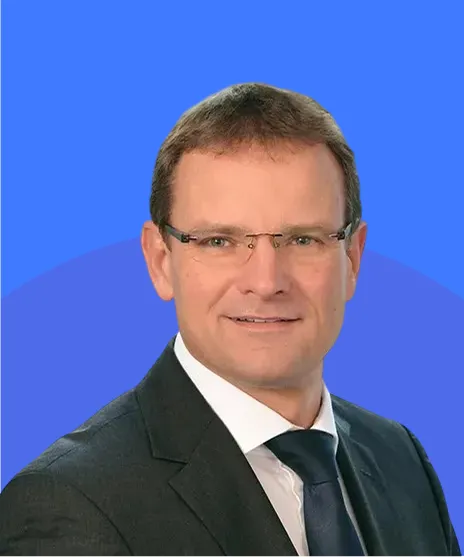
Florian Dyballa

CEO, Co-Founder

About Florian

  • Founder & CEO of Aivy — develops innovative ways of personnel diagnostics and is one of the top 10 HR tech founders in Germany (business punk)
  • More than 500,000 digital aptitude tests successfully used by more than 100 companies such as Lufthansa, Würth and Hermes
  • Three times honored with the HR Innovation Award and regularly featured in leading business media (WirtschaftsWoche, Handelsblatt and FAZ)
  • As a business psychologist and digital expert, combines well-founded tests with AI for fair opportunities in personnel selection
  • Shares expertise as a sought-after thought leader in the HR tech industry — in podcasts, media, and at key industry events
  • Actively shapes the future of the working world — by combining science and technology for better and fairer personnel decisions
success stories

You can expect these results

Discover what successes other companies are achieving by using Aivy. Be inspired and do the same as they do.

Many innovative employers already rely on Aivy

Say that #HeRoes

“Through the very high response rate Persuade and retain We our trainees early in the application process. ”

Tamara Molitor
Training manager at Würth
Tamara Molitor

“That Strengths profile reflects 1:1 our experience in a personal conversation. ”

Wolfgang Böhm
Training manager at DIEHL
Wolfgang Böhm Portrait

“Through objective criteria, we promote equal opportunities and Diversity in recruiting. ”

Marie-Jo Goldmann
Head of HR at Nucao
Marie Jo Goldmann Portrait

Aivy is the bestWhat I've come across so far in the German diagnostics start-up sector. ”

Carl-Christoph Fellinger
Strategic Talent Acquisition at Beiersdorf
Christoph Feillinger Portrait

“Selection process which Make fun. ”

Anna Miels
Learning & Development Manager at apoproject
Anna Miels Portrait

“Applicants find out for which position they have the suitable competencies bring along. ”

Jürgen Muthig
Head of Vocational Training at Fresenius
Jürgen Muthig Fresenius Portrait

“Get to know hidden potential and Develop applicants in a targeted manner. ”

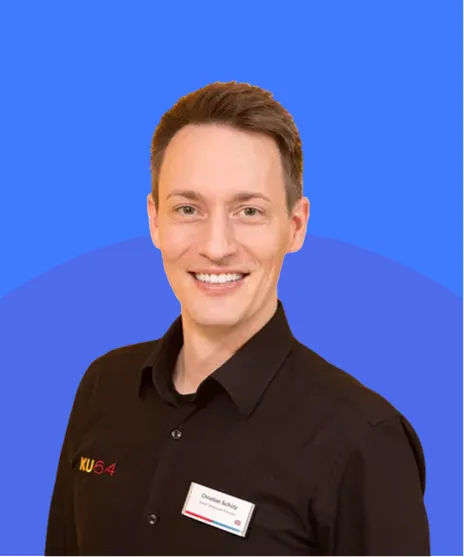
Christian Schütz
HR manager at KU64
Christian Schuetz

Saves time and is a lot of fun doing daily work. ”

Matthias Kühne
Director People & Culture at MCI Germany
Matthias Kühne

Engaging candidate experience through communication on equal terms. ”

Theresa Schröder
Head of HR at Horn & Bauer
Theresa Schröder

“Very solid, scientifically based, innovative even from a candidate's point of view and All in all, simply well thought-out. ”

Dr. Kevin-Lim Jungbauer
Recruiting and HR Diagnostics Expert at Beiersdorf
Kevin Jungbauer
YOUR assistant FOR TALENT ASSESSMENT

Try it for free

Become a HeRo 🦸 and understand candidate fit - even before the first job interview...