You want to explore your strengths as a talent?

This way

Login

Incentives – Definition, Examples & Tax-Free Options

Home
-
Lexicon
-
Incentives – Definition, Examples & Tax-Free Options

Incentives are rewards provided by employers to boost employee motivation and performance. They can be monetary (bonuses, commissions), material (vouchers, company cars), or non-monetary (training, flexible working hours). Many incentives are tax-free up to certain thresholds—for example, €50 per month for fringe benefits in Germany.

What Are Incentives? – Definition

The term "incentive" comes from the Latin "incentivum," meaning "something that sets the tune" or "incites." In the HR context, it refers to additional benefits provided by employers beyond regular salary to motivate employees toward specific behaviors or achievements.

Incentives serve multiple purposes: they express appreciation, increase work motivation, and strengthen employee loyalty to the organization. Unlike base salary, which compensates for work performed, incentives reward exceptional achievements, encourage desired behaviors, or recognize personal milestones.

From a psychological perspective, incentives target extrinsic motivation—motivation driven by external rewards such as bonuses, recognition, or material benefits. Research shows that a combination of financial incentives and personal recognition is particularly effective.

Types of Incentives – Overview

Incentives can be categorized in several ways. Depending on company culture, budget, and employee preferences, different forms may be more suitable.

Monetary Incentives

Financial rewards are the classic form of incentivization. These include performance bonuses, profit sharing, sales commissions, and holiday or year-end bonuses. The advantage lies in their direct measurability. The disadvantage: after taxes and social security contributions, employees often receive only a fraction of the gross amount.

Fringe Benefits and Material Rewards

Material benefits offer tax advantages and are valued by many employees. Popular examples include retail or supermarket vouchers, fuel cards, prepaid benefit cards, company cars for private use, company phones or bikes, and employee discounts on company products.

Experience-Based Incentives

Incentive trips, team events, or exclusive experiences create lasting memories and strengthen team cohesion. However, they are typically considered taxable benefits and must be treated accordingly.

Non-Monetary Incentives

Intangible rewards are gaining importance. These include professional development and training opportunities, flexible working hours and remote work options, additional vacation days, public recognition and praise, and career advancement opportunities. This type of incentivization particularly appeals to employees who value personal development and work-life balance.

Incentives vs. Benefits – The Difference

The terms incentives and benefits are often used interchangeably but refer to different concepts.

Incentives are performance-based or occasion-based rewards. They are granted for specific achievements, successes, or special occasions. For example: a bonus for reaching a sales target.

Benefits, on the other hand, are permanent additional perks available to all employees equally—regardless of individual performance. For example: a subsidized public transport pass that every employee receives.

In practice, the boundaries often blur. What matters is that both instruments contribute to employee satisfaction and retention, but they have different motivational effects.

Tax Regulations for Incentives

When implementing incentives, tax considerations play a central role. When used correctly, many incentives offer financial advantages for both employers and employees.

Tax-Free Fringe Benefits (Germany: €50 Monthly Threshold)

In Germany, according to § 8 (2) of the Income Tax Act (EStG), fringe benefits up to €50 per month per employee are exempt from tax and social security contributions. This threshold has been in effect since January 2022. Important: this is a tax-free threshold, not an allowance. If the amount is exceeded by even one cent, the entire benefit becomes taxable.

Typical applications include retail gift cards, fuel vouchers, or prepaid benefit cards with monthly top-ups.

Other Tax-Advantaged Options

Beyond the €50 threshold, there are additional tax-advantaged incentives in Germany. Gifts for personal occasions such as birthdays or weddings are tax-free up to €60 gross. Meal subsidies and vouchers are subject to favorable daily rates. Training costs covered by the employer are fully tax-exempt. Workplace health promotion is tax-free up to €600 per year per employee.

Note: Tax regulations vary significantly by country. In the UK, benefits are typically taxed as Benefits in Kind (BIK). In the US, many fringe benefits are taxable unless specifically excluded by the Internal Revenue Code. Always consult local tax regulations or a tax advisor for your jurisdiction.

Flat-Rate Taxation (Germany: § 37b EStG)

For taxable benefits, German employers have the option to pay tax at a flat rate of 30%. In this case, employees are relieved of income tax liability—the benefit becomes a "net gift" for them. However, social security contributions may still apply.

How to Successfully Implement Incentives – Tips for HR

For incentives to achieve their motivating effect, a well-thought-out strategy is essential. The following steps help with successful implementation.

Step 1: Define Your Goals

Before introducing incentives, clarify the overarching objective. Is it about boosting performance? Employee retention? Or enhancing employer attractiveness? The goal determines the selection of appropriate incentives.

Step 2: Understand Employee Preferences

Not all employees want the same incentives. While one person values fuel vouchers, another prefers training opportunities or additional time off. An employee survey helps you understand preferences and offer individually tailored incentives.

Step 3: Communicate Transparently

Incentives only work when employees know the criteria. Clearly communicate which achievements or occasions are rewarded and how the system works. Transparency prevents frustration and perceived unfair treatment.

Step 4: Measure Effectiveness

Regularly review whether your incentives are achieving the desired effect. Metrics such as employee satisfaction, turnover rates, or goal achievement provide insights. Adjust the program as needed to avoid habituation effects.

Frequently Asked Questions About Incentives

What are incentives?

Incentives are rewards from employers to motivate employees and boost their performance. They are provided in addition to regular salary and can be monetary, material, or non-monetary. The goal is to show appreciation and strengthen employee retention.

What types of incentives are there?

There are four main categories: monetary incentives such as bonuses and commissions, material incentives such as vouchers and company cars, experience-based incentives such as trips and team events, and non-monetary incentives such as training and flexible working hours.

What is the difference between incentives and benefits?

Incentives are performance-based or occasion-based rewards for specific achievements. Benefits are permanent additional perks for all employees. A bonus for reaching targets is an incentive; a transport pass for everyone is a benefit.

Are incentives tax-free?

It depends. In Germany, fringe benefits up to €50 per month per employee are tax-free according to § 8 (2) EStG. Cash bonuses and commissions, however, are taxable income. Gifts for personal occasions remain tax-free up to €60 gross. Tax treatment varies by country—always check local regulations.

What tax-free incentives are available?

Popular tax-advantaged incentives in Germany include benefit cards and vouchers up to €50 monthly, meal subsidies, public transport passes (Deutschlandticket), workplace health promotion up to €600 annually, and employer-funded training costs. Options vary by jurisdiction.

How do I successfully implement incentives?

First, define clear goals for your incentive program. Survey your employees' preferences. Communicate transparently about the criteria. Combine monetary and non-monetary incentives. Regularly review effectiveness and adjust the program as needed.

What risks do incentives carry?

Potential risks include habituation effects when incentives become taken for granted. Unequal treatment can lead to frustration. Excessive focus on extrinsic motivation may crowd out intrinsic motivation. Tax errors can also occur with improper handling.

Conclusion

Incentives are a powerful tool for motivating employees, boosting their performance, and retaining them long-term. The key to success lies in the right selection: individual incentives tailored to employee needs work significantly better than one-size-fits-all solutions.

Tax-advantaged fringe benefits are particularly attractive as they offer financial advantages for both parties. However, non-monetary incentives such as professional development, flexible working hours, or personal recognition should not be underestimated—they tap into intrinsic motivation and create lasting engagement.

The foundation for effective incentives is the right hiring decisions. When you hire talent whose strengths and values align with your organization, you create the basis for long-term motivation. Objective talent assessments help ensure person-job fit right from the recruitment stage.

Disclaimer: This article is for general information purposes only and does not constitute tax or legal advice. For specific questions about the tax treatment of incentives in your jurisdiction, please consult a qualified tax advisor.

Sources

Home
-
lexicon
-
Incentives – Definition, Examples & Tax-Free Options

Incentives are rewards provided by employers to boost employee motivation and performance. They can be monetary (bonuses, commissions), material (vouchers, company cars), or non-monetary (training, flexible working hours). Many incentives are tax-free up to certain thresholds—for example, €50 per month for fringe benefits in Germany.

What Are Incentives? – Definition

The term "incentive" comes from the Latin "incentivum," meaning "something that sets the tune" or "incites." In the HR context, it refers to additional benefits provided by employers beyond regular salary to motivate employees toward specific behaviors or achievements.

Incentives serve multiple purposes: they express appreciation, increase work motivation, and strengthen employee loyalty to the organization. Unlike base salary, which compensates for work performed, incentives reward exceptional achievements, encourage desired behaviors, or recognize personal milestones.

From a psychological perspective, incentives target extrinsic motivation—motivation driven by external rewards such as bonuses, recognition, or material benefits. Research shows that a combination of financial incentives and personal recognition is particularly effective.

Types of Incentives – Overview

Incentives can be categorized in several ways. Depending on company culture, budget, and employee preferences, different forms may be more suitable.

Monetary Incentives

Financial rewards are the classic form of incentivization. These include performance bonuses, profit sharing, sales commissions, and holiday or year-end bonuses. The advantage lies in their direct measurability. The disadvantage: after taxes and social security contributions, employees often receive only a fraction of the gross amount.

Fringe Benefits and Material Rewards

Material benefits offer tax advantages and are valued by many employees. Popular examples include retail or supermarket vouchers, fuel cards, prepaid benefit cards, company cars for private use, company phones or bikes, and employee discounts on company products.

Experience-Based Incentives

Incentive trips, team events, or exclusive experiences create lasting memories and strengthen team cohesion. However, they are typically considered taxable benefits and must be treated accordingly.

Non-Monetary Incentives

Intangible rewards are gaining importance. These include professional development and training opportunities, flexible working hours and remote work options, additional vacation days, public recognition and praise, and career advancement opportunities. This type of incentivization particularly appeals to employees who value personal development and work-life balance.

Incentives vs. Benefits – The Difference

The terms incentives and benefits are often used interchangeably but refer to different concepts.

Incentives are performance-based or occasion-based rewards. They are granted for specific achievements, successes, or special occasions. For example: a bonus for reaching a sales target.

Benefits, on the other hand, are permanent additional perks available to all employees equally—regardless of individual performance. For example: a subsidized public transport pass that every employee receives.

In practice, the boundaries often blur. What matters is that both instruments contribute to employee satisfaction and retention, but they have different motivational effects.

Tax Regulations for Incentives

When implementing incentives, tax considerations play a central role. When used correctly, many incentives offer financial advantages for both employers and employees.

Tax-Free Fringe Benefits (Germany: €50 Monthly Threshold)

In Germany, according to § 8 (2) of the Income Tax Act (EStG), fringe benefits up to €50 per month per employee are exempt from tax and social security contributions. This threshold has been in effect since January 2022. Important: this is a tax-free threshold, not an allowance. If the amount is exceeded by even one cent, the entire benefit becomes taxable.

Typical applications include retail gift cards, fuel vouchers, or prepaid benefit cards with monthly top-ups.

Other Tax-Advantaged Options

Beyond the €50 threshold, there are additional tax-advantaged incentives in Germany. Gifts for personal occasions such as birthdays or weddings are tax-free up to €60 gross. Meal subsidies and vouchers are subject to favorable daily rates. Training costs covered by the employer are fully tax-exempt. Workplace health promotion is tax-free up to €600 per year per employee.

Note: Tax regulations vary significantly by country. In the UK, benefits are typically taxed as Benefits in Kind (BIK). In the US, many fringe benefits are taxable unless specifically excluded by the Internal Revenue Code. Always consult local tax regulations or a tax advisor for your jurisdiction.

Flat-Rate Taxation (Germany: § 37b EStG)

For taxable benefits, German employers have the option to pay tax at a flat rate of 30%. In this case, employees are relieved of income tax liability—the benefit becomes a "net gift" for them. However, social security contributions may still apply.

How to Successfully Implement Incentives – Tips for HR

For incentives to achieve their motivating effect, a well-thought-out strategy is essential. The following steps help with successful implementation.

Step 1: Define Your Goals

Before introducing incentives, clarify the overarching objective. Is it about boosting performance? Employee retention? Or enhancing employer attractiveness? The goal determines the selection of appropriate incentives.

Step 2: Understand Employee Preferences

Not all employees want the same incentives. While one person values fuel vouchers, another prefers training opportunities or additional time off. An employee survey helps you understand preferences and offer individually tailored incentives.

Step 3: Communicate Transparently

Incentives only work when employees know the criteria. Clearly communicate which achievements or occasions are rewarded and how the system works. Transparency prevents frustration and perceived unfair treatment.

Step 4: Measure Effectiveness

Regularly review whether your incentives are achieving the desired effect. Metrics such as employee satisfaction, turnover rates, or goal achievement provide insights. Adjust the program as needed to avoid habituation effects.

Frequently Asked Questions About Incentives

What are incentives?

Incentives are rewards from employers to motivate employees and boost their performance. They are provided in addition to regular salary and can be monetary, material, or non-monetary. The goal is to show appreciation and strengthen employee retention.

What types of incentives are there?

There are four main categories: monetary incentives such as bonuses and commissions, material incentives such as vouchers and company cars, experience-based incentives such as trips and team events, and non-monetary incentives such as training and flexible working hours.

What is the difference between incentives and benefits?

Incentives are performance-based or occasion-based rewards for specific achievements. Benefits are permanent additional perks for all employees. A bonus for reaching targets is an incentive; a transport pass for everyone is a benefit.

Are incentives tax-free?

It depends. In Germany, fringe benefits up to €50 per month per employee are tax-free according to § 8 (2) EStG. Cash bonuses and commissions, however, are taxable income. Gifts for personal occasions remain tax-free up to €60 gross. Tax treatment varies by country—always check local regulations.

What tax-free incentives are available?

Popular tax-advantaged incentives in Germany include benefit cards and vouchers up to €50 monthly, meal subsidies, public transport passes (Deutschlandticket), workplace health promotion up to €600 annually, and employer-funded training costs. Options vary by jurisdiction.

How do I successfully implement incentives?

First, define clear goals for your incentive program. Survey your employees' preferences. Communicate transparently about the criteria. Combine monetary and non-monetary incentives. Regularly review effectiveness and adjust the program as needed.

What risks do incentives carry?

Potential risks include habituation effects when incentives become taken for granted. Unequal treatment can lead to frustration. Excessive focus on extrinsic motivation may crowd out intrinsic motivation. Tax errors can also occur with improper handling.

Conclusion

Incentives are a powerful tool for motivating employees, boosting their performance, and retaining them long-term. The key to success lies in the right selection: individual incentives tailored to employee needs work significantly better than one-size-fits-all solutions.

Tax-advantaged fringe benefits are particularly attractive as they offer financial advantages for both parties. However, non-monetary incentives such as professional development, flexible working hours, or personal recognition should not be underestimated—they tap into intrinsic motivation and create lasting engagement.

The foundation for effective incentives is the right hiring decisions. When you hire talent whose strengths and values align with your organization, you create the basis for long-term motivation. Objective talent assessments help ensure person-job fit right from the recruitment stage.

Disclaimer: This article is for general information purposes only and does not constitute tax or legal advice. For specific questions about the tax treatment of incentives in your jurisdiction, please consult a qualified tax advisor.

Sources

Heading 1

Heading 2

Heading 3

Heading 4

Heading 5
Heading 6

Lorem ipsum dolor sit amet, consectetur adipiscing elit, sed do eiusmod tempor incididunt ut laboratories et dolore magna aliqua. Ut Enim ad Minim Veniam, Quis Nostrud Exercitation Ullamco Laboris Nisi ut Aliquip ex ea Commodo Consequat. Duis aute irure dolor in reprehenderite in voluptate velit eat cillum dolore eu fugiate nulla pariature.

Block quote

Ordered list

  1. Item 1
  2. Item 2
  3. Item 3

Unordered list

  • Item A
  • Item B
  • Item C

Text link

Bold text

Emphasis

Superscript

Subscript

Heading 1

Heading 2

Heading 3

Heading 4

Heading 5
Heading 6

Lorem ipsum dolor sit amet, consectetur adipiscing elit, sed do eiusmod tempor incididunt ut laboratories et dolore magna aliqua. Ut Enim ad Minim Veniam, Quis Nostrud Exercitation Ullamco Laboris Nisi ut Aliquip ex ea Commodo Consequat. Duis aute irure dolor in reprehenderite in voluptate velit eat cillum dolore eu fugiate nulla pariature.

Block quote

Ordered list

  1. Item 1
  2. Item 2
  3. Item 3

Unordered list

  • Item A
  • Item B
  • Item C

Text link

Bold text

Emphasis

Superscript

Subscript

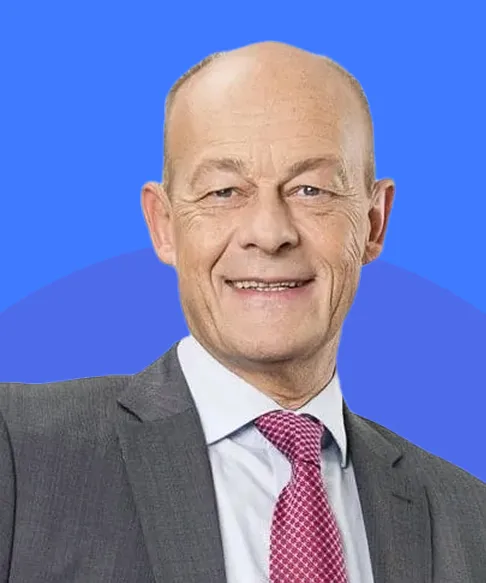
Florian Dyballa

CEO, Co-Founder

About Florian

  • Founder & CEO of Aivy — develops innovative ways of personnel diagnostics and is one of the top 10 HR tech founders in Germany (business punk)
  • More than 500,000 digital aptitude tests successfully used by more than 100 companies such as Lufthansa, Würth and Hermes
  • Three times honored with the HR Innovation Award and regularly featured in leading business media (WirtschaftsWoche, Handelsblatt and FAZ)
  • As a business psychologist and digital expert, combines well-founded tests with AI for fair opportunities in personnel selection
  • Shares expertise as a sought-after thought leader in the HR tech industry — in podcasts, media, and at key industry events
  • Actively shapes the future of the working world — by combining science and technology for better and fairer personnel decisions
success stories

You can expect these results

Discover what successes other companies are achieving by using Aivy. Be inspired and do the same as they do.

Many innovative employers already rely on Aivy

Say that #HeRoes

“Through the very high response rate Persuade and retain We our trainees early in the application process. ”

Tamara Molitor
Training manager at Würth
Tamara Molitor

“That Strengths profile reflects 1:1 our experience in a personal conversation. ”

Wolfgang Böhm
Training manager at DIEHL
Wolfgang Böhm Portrait

“Through objective criteria, we promote equal opportunities and Diversity in recruiting. ”

Marie-Jo Goldmann
Head of HR at Nucao
Marie Jo Goldmann Portrait

Aivy is the bestWhat I've come across so far in the German diagnostics start-up sector. ”

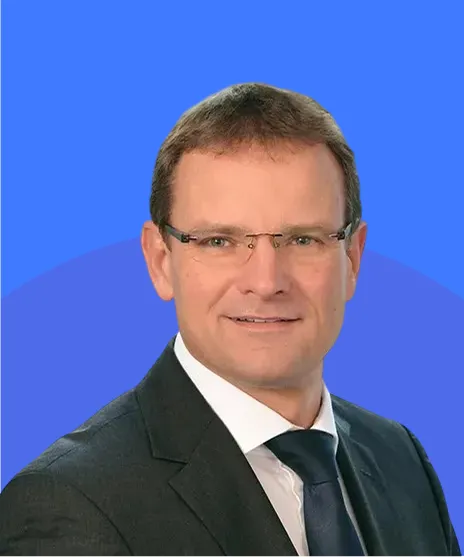
Carl-Christoph Fellinger
Strategic Talent Acquisition at Beiersdorf
Christoph Feillinger Portrait

“Selection process which Make fun. ”

Anna Miels
Learning & Development Manager at apoproject
Anna Miels Portrait

“Applicants find out for which position they have the suitable competencies bring along. ”

Jürgen Muthig
Head of Vocational Training at Fresenius
Jürgen Muthig Fresenius Portrait

“Get to know hidden potential and Develop applicants in a targeted manner. ”

Christian Schütz
HR manager at KU64
Christian Schuetz

Saves time and is a lot of fun doing daily work. ”

Matthias Kühne
Director People & Culture at MCI Germany
Matthias Kühne

Engaging candidate experience through communication on equal terms. ”

Theresa Schröder
Head of HR at Horn & Bauer
Theresa Schröder

“Very solid, scientifically based, innovative even from a candidate's point of view and All in all, simply well thought-out. ”

Dr. Kevin-Lim Jungbauer
Recruiting and HR Diagnostics Expert at Beiersdorf
Kevin Jungbauer
YOUR assistant FOR TALENT ASSESSMENT

Try it for free

Become a HeRo 🦸 and understand candidate fit - even before the first job interview...