You want to explore your strengths as a talent?

This way

Login

Gender Pay Gap – Definition, Current Statistics & HR Measures

Home
-
Lexicon
-
Gender Pay Gap – Definition, Current Statistics & HR Measures

The gender pay gap refers to the percentage difference between the average gross hourly earnings of women and men. In Germany, the unadjusted gender pay gap in 2024 stands at 16 percent – meaning women earn an average of €4.10 less per hour than men. The adjusted figure (for the same job and qualifications) is 6 percent.

What Is the Gender Pay Gap? – Definition

The gender pay gap measures the difference between the average gross hourly earnings of women and men. It is considered the key indicator for earnings inequality between genders and is published annually by the Federal Statistical Office (Statistisches Bundesamt) in Germany.

The calculation follows a simple formula: the average gross hourly earnings of men minus the average gross hourly earnings of women, divided by men's earnings, multiplied by 100. The result shows by what percentage women earn less on average.

The term originally comes from Anglo-American labor market research and has become established internationally as a standard metric. In Germany, the gender pay gap has been systematically recorded and analyzed since 2006.

Adjusted vs. Unadjusted – The Difference Explained

When discussing the gender pay gap, it's important to distinguish between two key metrics that are often confused:

Unadjusted Gender Pay Gap

The unadjusted gender pay gap compares the average earnings of all employed women and men – without accounting for differences such as occupation, industry, qualifications, or working hours. It reflects the overall structural situation in the labor market and stands at 16 percent in Germany in 2024.

The unadjusted figure is higher because it also captures structural factors: women more often work in lower-paying industries (e.g., care work, education), more frequently work part-time, and less often hold leadership positions.

Adjusted Gender Pay Gap

The adjusted gender pay gap compares only women and men with comparable jobs, qualifications, professional experience, and working hours. It shows the pay gap under otherwise equal conditions and stands at 6 percent in Germany in 2024.

According to the Federal Statistical Office, the adjusted figure is considered the "upper limit" for potential direct pay discrimination by employers. It could be even lower if additional factors such as career breaks for parental leave were taken into account.

Both figures are important: the unadjusted one reveals societal structures, while the adjusted one indicates possible discrimination for equal work.

Gender Pay Gap in Germany – Current 2024 Figures

Trends and Development

According to the Federal Statistical Office, the unadjusted gender pay gap fell from 18 percent to 16 percent in 2024 – the largest decline since calculations began in 2006. In concrete terms, this means:

  • Women earn an average of €22.24 gross per hour
  • Men earn an average of €26.34 gross per hour
  • Difference: €4.10 per hour

The decline is primarily due to stronger growth in women's earnings: women's gross monthly earnings rose by approximately 8 percent compared to the previous year, while men's earnings increased by only 5 percent.

East-West Comparison

The gender pay gap varies significantly by region:

  • Eastern Germany: 5 percent (unadjusted)
  • Western Germany: 17 percent (unadjusted)

The reasons for this difference are historical, rooted in higher female labor force participation in the former GDR and different industry structures.

Germany in EU Comparison

At 16 percent, Germany is significantly above the EU average of approximately 12 percent (as of 2023). Countries like Belgium (0.7 percent), Italy (2.2 percent), and Romania (3.8 percent) show considerably smaller pay gaps. In Luxembourg, women actually earned about one percent more than men in 2022.

Causes of the Gender Pay Gap

Structural Factors

The largest portion of the pay gap (approximately 63 percent of the unadjusted GPG) can be attributed to structural differences:

  • Career choices: Women more often work in lower-paying occupations and industries such as nursing, education, or retail (horizontal segregation)
  • Part-time work: Women work part-time significantly more often than men, which leads to lower hourly wages and fewer career opportunities
  • Career interruptions: Family-related breaks for childcare or caregiving predominantly affect women
  • Leadership positions: Women are underrepresented at management levels (vertical segregation)

Unconscious Bias in Recruiting and Promotions

Beyond structural factors, unconscious bias plays a role. Studies show that identical CVs are evaluated differently depending on whether they bear a male or female name. These biases can affect hiring decisions, salary negotiations, and promotions.

Stereotypes and gender bias in personnel selection also contribute to women being less frequently considered for certain positions or salary levels.

Pay Transparency Act and EU Directive 2026

Current Regulations

The German Pay Transparency Act (Entgelttransparenzgesetz, EntgTranspG) has been in effect since July 2017. It aims to enforce the principle of equal pay for equal or equivalent work and contains three central instruments:

  1. Individual right to information (from 200 employees): Employees can learn the criteria by which their salary is determined and how the comparative pay of the other gender looks.
  2. Company audit procedures (from 500 employees): Employers are encouraged to regularly review their pay structures for compliance with pay equality.
  3. Reporting obligation (from 500 employees): Companies required to file management reports must regularly report on the status of equality and pay equity.

In practice, the law is criticized as ineffective, as these instruments are only used sparingly.

What Changes in 2026?

The EU Pay Transparency Directive (2023/970) must be transposed into national law by June 7, 2026, and brings significantly stricter requirements:

  • Pay transparency in the application process: Employers must inform applicants of the salary range or starting salary – ideally already in the job advertisement
  • Ban on salary history questions: It will no longer be permitted to ask applicants about their current salary
  • Right to information for all: Employees gain the right to information about their own salary and average salaries for comparable positions
  • Reporting obligation from 100 employees: The threshold drops significantly (from the previous 500)
  • Reversal of burden of proof: If pay discrimination is suspected, employers must prove that no discrimination occurred
  • Compensation: Those affected are entitled to damages for violations

For HR departments, this means: salary structures must be transparently and comprehensibly documented – now is the right time to prepare.

What Can Companies Do?

Measures for HR

To reduce the gender pay gap within their own organization, HR professionals can apply various levers:

  1. Conduct pay audits: Regularly check whether there are gender-specific salary differences for comparable positions. If anomalies are found: analyze causes and make adjustments.
  2. Establish transparent salary structures: Define and communicate clear salary bands for positions. This creates accountability and reduces negotiation disadvantages.
  3. Offer flexible working models: Enable part-time work even in leadership positions, explore job-sharing models, promote work-life balance for all genders.
  4. Promote women in leadership positions: Establish targeted development programs, mentoring, and transparent promotion criteria.
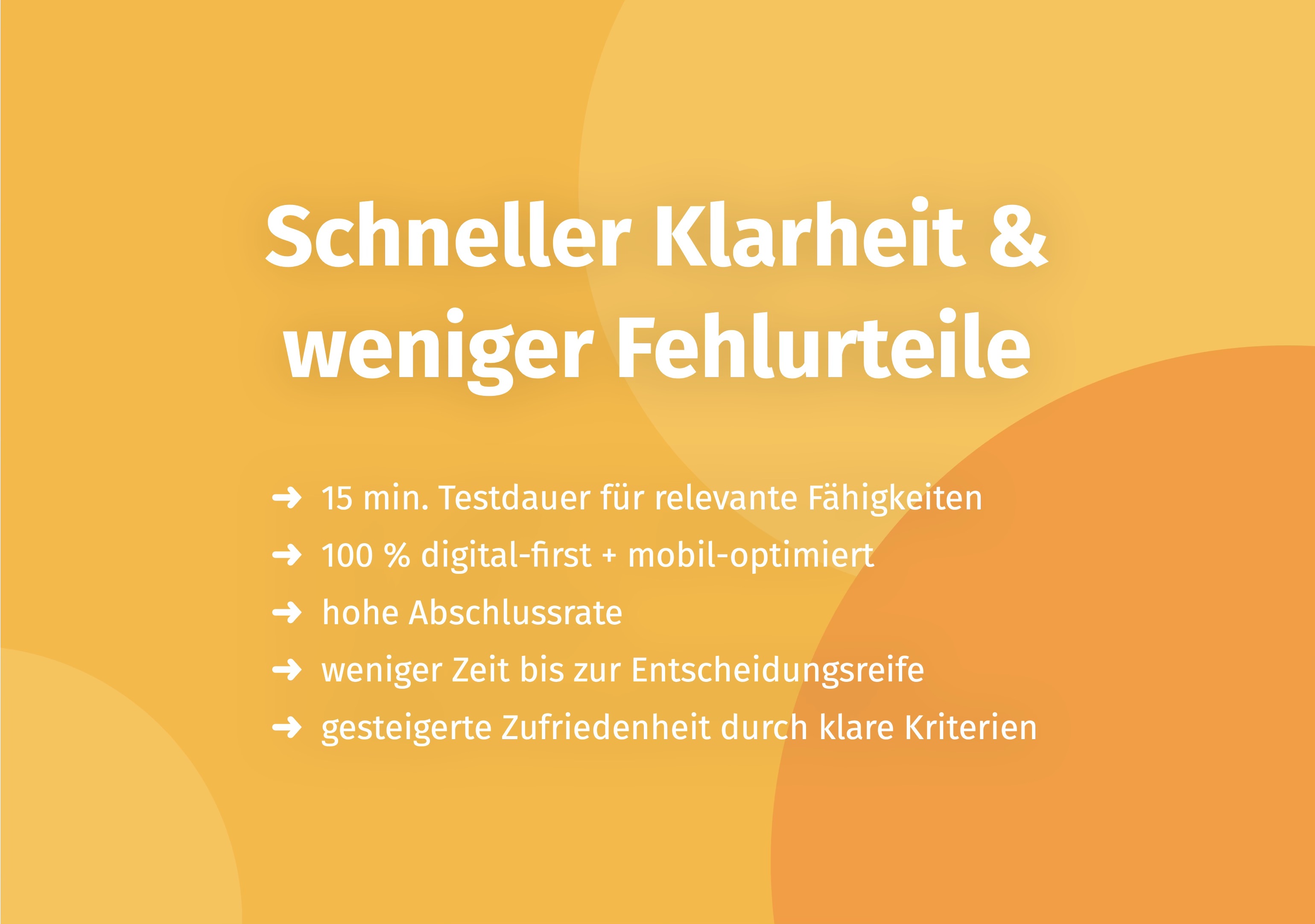
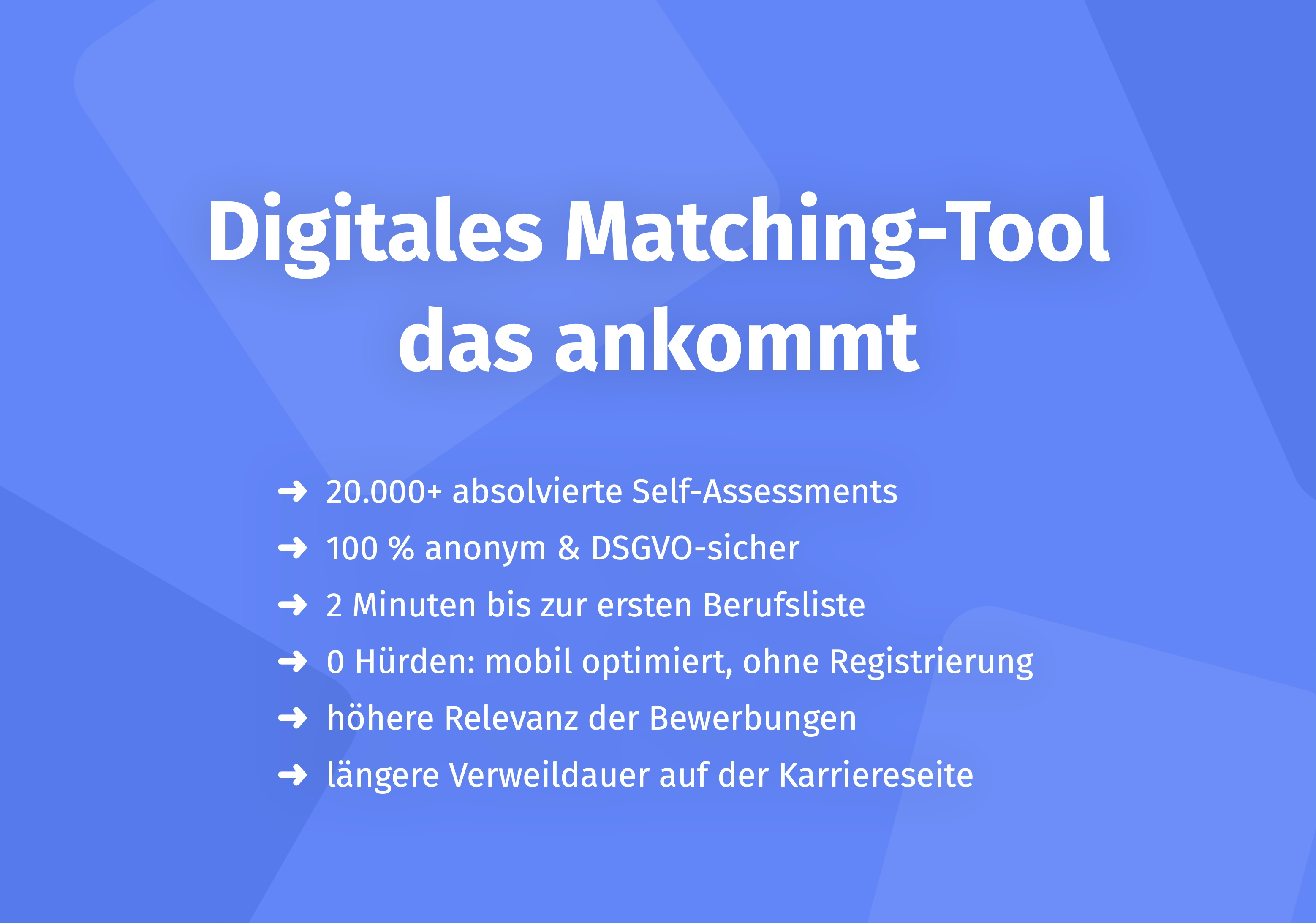
  5. Implement objective selection processes: The pay gap already begins in recruiting – when hiring decisions are based on subjective impressions rather than measurable competencies, the risk of unconscious discrimination increases. Companies like Lufthansa and OMR use scientifically validated assessments to reduce bias – with measurable success in team diversity. The digital platform Aivy supports this with validated assessments that evaluate candidates objectively based on competencies and potential rather than gut feeling.
  6. Implement regular reporting: Measure, document, and track progress on your own gender pay gap – even independent of legal obligations.

Frequently Asked Questions About the Gender Pay Gap

How large is the gender pay gap in Germany in 2024?

The unadjusted gender pay gap stands at 16 percent in 2024 – a historic low. The adjusted figure (for the same job and qualifications) is 6 percent. In absolute terms: women earn an average of €22.24 gross per hour, men €26.34.

What is the difference between the adjusted and unadjusted gender pay gap?

The unadjusted gender pay gap compares all workers without adjustments and shows the overall structural situation (16 percent). The adjusted figure compares only women and men with the same job, qualifications, and professional experience, showing the "true" pay gap under equal conditions (6 percent).

Why is the gender pay gap lower in Eastern Germany?

In Eastern Germany, the unadjusted GPG is only 5 percent, compared to 17 percent in Western Germany. The reasons are historical: higher female labor force participation in the GDR, less traditional gender role distribution, and a different industry structure with fewer industrial corporations that typically show high salary differentials.

When is Equal Pay Day 2025?

Equal Pay Day 2025 falls on March 7. It symbolically marks the day until which women work "for free" while men have been paid for their work since January 1. The 2025 motto is: "Because it's worth it – pay transparency now!"

What does the Pay Transparency Act contain?

The Pay Transparency Act (since 2017) gives employees in companies with 200+ employees the right to request information about the comparative pay of the other gender. Companies with 500+ employees must also regularly review pay structures and report on the status of equality.

What changes with the EU Directive in 2026?

From June 2026, stricter rules apply: salary information must be transparent already in the application process, the reporting obligation applies from 100 (instead of 500) employees, and if pay discrimination is suspected, the burden of proof lies with the employer. Those affected are entitled to compensation.

Which industries have the highest gender pay gap?

Particularly large pay gaps are found in industries with high male representation and strong hierarchies, such as finance and insurance, manufacturing, and technical fields. Smaller differences are seen in the public sector and in areas covered by collective agreements.

How can my company reduce the gender pay gap?

The most important measures are: conduct regular pay audits, establish transparent salary structures, use objective selection processes in recruiting, offer flexible working models, and specifically develop women for leadership positions.

Conclusion

The gender pay gap remains an important indicator of earnings inequality in Germany. At 16 percent (unadjusted), the pay gap reached a historic low in 2024, but still lies significantly above the EU average. The upcoming EU Pay Transparency Directive will create much more accountability from 2026 – from pay transparency in the application process to the reversal of the burden of proof in discrimination cases.

For HR professionals, this means: now is the right time to analyze salary structures, create transparency, and establish objective selection processes. Those who act early not only avoid legal risks but also position themselves as attractive employers for all talent.

Want to promote equal opportunities already in recruiting? Learn more about objective assessment with Aivy

Legal notice: This article is for general information purposes and does not constitute individual legal advice. For specific questions about the Pay Transparency Act or the EU Directive, please consult a lawyer specializing in employment law.

Sources

Home
-
lexicon
-
Gender Pay Gap – Definition, Current Statistics & HR Measures

The gender pay gap refers to the percentage difference between the average gross hourly earnings of women and men. In Germany, the unadjusted gender pay gap in 2024 stands at 16 percent – meaning women earn an average of €4.10 less per hour than men. The adjusted figure (for the same job and qualifications) is 6 percent.

What Is the Gender Pay Gap? – Definition

The gender pay gap measures the difference between the average gross hourly earnings of women and men. It is considered the key indicator for earnings inequality between genders and is published annually by the Federal Statistical Office (Statistisches Bundesamt) in Germany.

The calculation follows a simple formula: the average gross hourly earnings of men minus the average gross hourly earnings of women, divided by men's earnings, multiplied by 100. The result shows by what percentage women earn less on average.

The term originally comes from Anglo-American labor market research and has become established internationally as a standard metric. In Germany, the gender pay gap has been systematically recorded and analyzed since 2006.

Adjusted vs. Unadjusted – The Difference Explained

When discussing the gender pay gap, it's important to distinguish between two key metrics that are often confused:

Unadjusted Gender Pay Gap

The unadjusted gender pay gap compares the average earnings of all employed women and men – without accounting for differences such as occupation, industry, qualifications, or working hours. It reflects the overall structural situation in the labor market and stands at 16 percent in Germany in 2024.

The unadjusted figure is higher because it also captures structural factors: women more often work in lower-paying industries (e.g., care work, education), more frequently work part-time, and less often hold leadership positions.

Adjusted Gender Pay Gap

The adjusted gender pay gap compares only women and men with comparable jobs, qualifications, professional experience, and working hours. It shows the pay gap under otherwise equal conditions and stands at 6 percent in Germany in 2024.

According to the Federal Statistical Office, the adjusted figure is considered the "upper limit" for potential direct pay discrimination by employers. It could be even lower if additional factors such as career breaks for parental leave were taken into account.

Both figures are important: the unadjusted one reveals societal structures, while the adjusted one indicates possible discrimination for equal work.

Gender Pay Gap in Germany – Current 2024 Figures

Trends and Development

According to the Federal Statistical Office, the unadjusted gender pay gap fell from 18 percent to 16 percent in 2024 – the largest decline since calculations began in 2006. In concrete terms, this means:

  • Women earn an average of €22.24 gross per hour
  • Men earn an average of €26.34 gross per hour
  • Difference: €4.10 per hour

The decline is primarily due to stronger growth in women's earnings: women's gross monthly earnings rose by approximately 8 percent compared to the previous year, while men's earnings increased by only 5 percent.

East-West Comparison

The gender pay gap varies significantly by region:

  • Eastern Germany: 5 percent (unadjusted)
  • Western Germany: 17 percent (unadjusted)

The reasons for this difference are historical, rooted in higher female labor force participation in the former GDR and different industry structures.

Germany in EU Comparison

At 16 percent, Germany is significantly above the EU average of approximately 12 percent (as of 2023). Countries like Belgium (0.7 percent), Italy (2.2 percent), and Romania (3.8 percent) show considerably smaller pay gaps. In Luxembourg, women actually earned about one percent more than men in 2022.

Causes of the Gender Pay Gap

Structural Factors

The largest portion of the pay gap (approximately 63 percent of the unadjusted GPG) can be attributed to structural differences:

  • Career choices: Women more often work in lower-paying occupations and industries such as nursing, education, or retail (horizontal segregation)
  • Part-time work: Women work part-time significantly more often than men, which leads to lower hourly wages and fewer career opportunities
  • Career interruptions: Family-related breaks for childcare or caregiving predominantly affect women
  • Leadership positions: Women are underrepresented at management levels (vertical segregation)

Unconscious Bias in Recruiting and Promotions

Beyond structural factors, unconscious bias plays a role. Studies show that identical CVs are evaluated differently depending on whether they bear a male or female name. These biases can affect hiring decisions, salary negotiations, and promotions.

Stereotypes and gender bias in personnel selection also contribute to women being less frequently considered for certain positions or salary levels.

Pay Transparency Act and EU Directive 2026

Current Regulations

The German Pay Transparency Act (Entgelttransparenzgesetz, EntgTranspG) has been in effect since July 2017. It aims to enforce the principle of equal pay for equal or equivalent work and contains three central instruments:

  1. Individual right to information (from 200 employees): Employees can learn the criteria by which their salary is determined and how the comparative pay of the other gender looks.
  2. Company audit procedures (from 500 employees): Employers are encouraged to regularly review their pay structures for compliance with pay equality.
  3. Reporting obligation (from 500 employees): Companies required to file management reports must regularly report on the status of equality and pay equity.

In practice, the law is criticized as ineffective, as these instruments are only used sparingly.

What Changes in 2026?

The EU Pay Transparency Directive (2023/970) must be transposed into national law by June 7, 2026, and brings significantly stricter requirements:

  • Pay transparency in the application process: Employers must inform applicants of the salary range or starting salary – ideally already in the job advertisement
  • Ban on salary history questions: It will no longer be permitted to ask applicants about their current salary
  • Right to information for all: Employees gain the right to information about their own salary and average salaries for comparable positions
  • Reporting obligation from 100 employees: The threshold drops significantly (from the previous 500)
  • Reversal of burden of proof: If pay discrimination is suspected, employers must prove that no discrimination occurred
  • Compensation: Those affected are entitled to damages for violations

For HR departments, this means: salary structures must be transparently and comprehensibly documented – now is the right time to prepare.

What Can Companies Do?

Measures for HR

To reduce the gender pay gap within their own organization, HR professionals can apply various levers:

  1. Conduct pay audits: Regularly check whether there are gender-specific salary differences for comparable positions. If anomalies are found: analyze causes and make adjustments.
  2. Establish transparent salary structures: Define and communicate clear salary bands for positions. This creates accountability and reduces negotiation disadvantages.
  3. Offer flexible working models: Enable part-time work even in leadership positions, explore job-sharing models, promote work-life balance for all genders.
  4. Promote women in leadership positions: Establish targeted development programs, mentoring, and transparent promotion criteria.
  5. Implement objective selection processes: The pay gap already begins in recruiting – when hiring decisions are based on subjective impressions rather than measurable competencies, the risk of unconscious discrimination increases. Companies like Lufthansa and OMR use scientifically validated assessments to reduce bias – with measurable success in team diversity. The digital platform Aivy supports this with validated assessments that evaluate candidates objectively based on competencies and potential rather than gut feeling.
  6. Implement regular reporting: Measure, document, and track progress on your own gender pay gap – even independent of legal obligations.

Frequently Asked Questions About the Gender Pay Gap

How large is the gender pay gap in Germany in 2024?

The unadjusted gender pay gap stands at 16 percent in 2024 – a historic low. The adjusted figure (for the same job and qualifications) is 6 percent. In absolute terms: women earn an average of €22.24 gross per hour, men €26.34.

What is the difference between the adjusted and unadjusted gender pay gap?

The unadjusted gender pay gap compares all workers without adjustments and shows the overall structural situation (16 percent). The adjusted figure compares only women and men with the same job, qualifications, and professional experience, showing the "true" pay gap under equal conditions (6 percent).

Why is the gender pay gap lower in Eastern Germany?

In Eastern Germany, the unadjusted GPG is only 5 percent, compared to 17 percent in Western Germany. The reasons are historical: higher female labor force participation in the GDR, less traditional gender role distribution, and a different industry structure with fewer industrial corporations that typically show high salary differentials.

When is Equal Pay Day 2025?

Equal Pay Day 2025 falls on March 7. It symbolically marks the day until which women work "for free" while men have been paid for their work since January 1. The 2025 motto is: "Because it's worth it – pay transparency now!"

What does the Pay Transparency Act contain?

The Pay Transparency Act (since 2017) gives employees in companies with 200+ employees the right to request information about the comparative pay of the other gender. Companies with 500+ employees must also regularly review pay structures and report on the status of equality.

What changes with the EU Directive in 2026?

From June 2026, stricter rules apply: salary information must be transparent already in the application process, the reporting obligation applies from 100 (instead of 500) employees, and if pay discrimination is suspected, the burden of proof lies with the employer. Those affected are entitled to compensation.

Which industries have the highest gender pay gap?

Particularly large pay gaps are found in industries with high male representation and strong hierarchies, such as finance and insurance, manufacturing, and technical fields. Smaller differences are seen in the public sector and in areas covered by collective agreements.

How can my company reduce the gender pay gap?

The most important measures are: conduct regular pay audits, establish transparent salary structures, use objective selection processes in recruiting, offer flexible working models, and specifically develop women for leadership positions.

Conclusion

The gender pay gap remains an important indicator of earnings inequality in Germany. At 16 percent (unadjusted), the pay gap reached a historic low in 2024, but still lies significantly above the EU average. The upcoming EU Pay Transparency Directive will create much more accountability from 2026 – from pay transparency in the application process to the reversal of the burden of proof in discrimination cases.

For HR professionals, this means: now is the right time to analyze salary structures, create transparency, and establish objective selection processes. Those who act early not only avoid legal risks but also position themselves as attractive employers for all talent.

Want to promote equal opportunities already in recruiting? Learn more about objective assessment with Aivy

Legal notice: This article is for general information purposes and does not constitute individual legal advice. For specific questions about the Pay Transparency Act or the EU Directive, please consult a lawyer specializing in employment law.

Sources

Heading 1

Heading 2

Heading 3

Heading 4

Heading 5
Heading 6

Lorem ipsum dolor sit amet, consectetur adipiscing elit, sed do eiusmod tempor incididunt ut laboratories et dolore magna aliqua. Ut Enim ad Minim Veniam, Quis Nostrud Exercitation Ullamco Laboris Nisi ut Aliquip ex ea Commodo Consequat. Duis aute irure dolor in reprehenderite in voluptate velit eat cillum dolore eu fugiate nulla pariature.

Block quote

Ordered list

  1. Item 1
  2. Item 2
  3. Item 3

Unordered list

  • Item A
  • Item B
  • Item C

Text link

Bold text

Emphasis

Superscript

Subscript

Heading 1

Heading 2

Heading 3

Heading 4

Heading 5
Heading 6

Lorem ipsum dolor sit amet, consectetur adipiscing elit, sed do eiusmod tempor incididunt ut laboratories et dolore magna aliqua. Ut Enim ad Minim Veniam, Quis Nostrud Exercitation Ullamco Laboris Nisi ut Aliquip ex ea Commodo Consequat. Duis aute irure dolor in reprehenderite in voluptate velit eat cillum dolore eu fugiate nulla pariature.

Block quote

Ordered list

  1. Item 1
  2. Item 2
  3. Item 3

Unordered list

  • Item A
  • Item B
  • Item C

Text link

Bold text

Emphasis

Superscript

Subscript

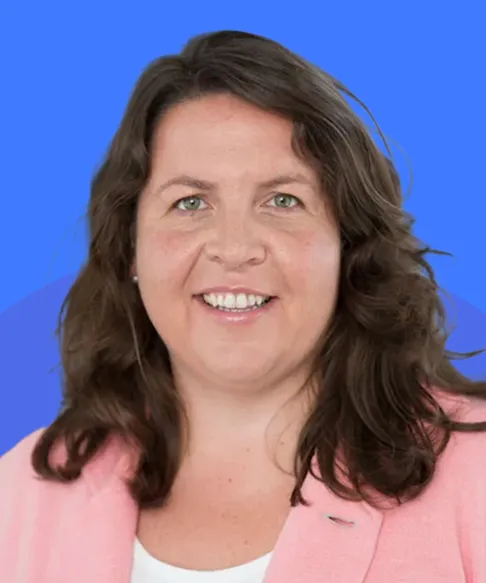
Florian Dyballa

CEO, Co-Founder

About Florian

  • Founder & CEO of Aivy — develops innovative ways of personnel diagnostics and is one of the top 10 HR tech founders in Germany (business punk)
  • More than 500,000 digital aptitude tests successfully used by more than 100 companies such as Lufthansa, Würth and Hermes
  • Three times honored with the HR Innovation Award and regularly featured in leading business media (WirtschaftsWoche, Handelsblatt and FAZ)
  • As a business psychologist and digital expert, combines well-founded tests with AI for fair opportunities in personnel selection
  • Shares expertise as a sought-after thought leader in the HR tech industry — in podcasts, media, and at key industry events
  • Actively shapes the future of the working world — by combining science and technology for better and fairer personnel decisions
success stories

You can expect these results

Discover what successes other companies are achieving by using Aivy. Be inspired and do the same as they do.

Many innovative employers already rely on Aivy

Say that #HeRoes

“Through the very high response rate Persuade and retain We our trainees early in the application process. ”

Tamara Molitor
Training manager at Würth
Tamara Molitor

“That Strengths profile reflects 1:1 our experience in a personal conversation. ”

Wolfgang Böhm
Training manager at DIEHL
Wolfgang Böhm Portrait

“Through objective criteria, we promote equal opportunities and Diversity in recruiting. ”

Marie-Jo Goldmann
Head of HR at Nucao
Marie Jo Goldmann Portrait

Aivy is the bestWhat I've come across so far in the German diagnostics start-up sector. ”

Carl-Christoph Fellinger
Strategic Talent Acquisition at Beiersdorf
Christoph Feillinger Portrait

“Selection process which Make fun. ”

Anna Miels
Learning & Development Manager at apoproject
Anna Miels Portrait

“Applicants find out for which position they have the suitable competencies bring along. ”

Jürgen Muthig
Head of Vocational Training at Fresenius
Jürgen Muthig Fresenius Portrait

“Get to know hidden potential and Develop applicants in a targeted manner. ”

Christian Schütz
HR manager at KU64
Christian Schuetz

Saves time and is a lot of fun doing daily work. ”

Matthias Kühne
Director People & Culture at MCI Germany
Matthias Kühne

Engaging candidate experience through communication on equal terms. ”

Theresa Schröder
Head of HR at Horn & Bauer
Theresa Schröder

“Very solid, scientifically based, innovative even from a candidate's point of view and All in all, simply well thought-out. ”

Dr. Kevin-Lim Jungbauer
Recruiting and HR Diagnostics Expert at Beiersdorf
Kevin Jungbauer
YOUR assistant FOR TALENT ASSESSMENT

Try it for free

Become a HeRo 🦸 and understand candidate fit - even before the first job interview...