
The ECJ ruling of May 14, 2019 (C-55/18 – CCOO) requires all EU member states to oblige employers to introduce an "objective, reliable and accessible" system for recording working time. The German Federal Labor Court (BAG) ruled in 2022 that this obligation already applies in Germany – based on Section 3(2)(1) of the Occupational Health and Safety Act (ArbSchG). However, a specific statutory amendment to the Working Hours Act is still pending.
What Does the ECJ Ruling on Working Time Recording State?
The ruling of the European Court of Justice of May 14, 2019 (Case C-55/18 – CCOO) is considered groundbreaking for European labor law. It obliges all EU member states to require their employers to systematically record working time.
Background: The Lawsuit by the Spanish Trade Union CCOO
The starting point was a lawsuit by the Spanish trade union Federación de Servicios de Comisiones Obreras (CCOO) against Deutsche Bank SAE in Spain. The union demanded the establishment of a system for daily working time recording. Previously – similar to Germany – only overtime had to be documented. The Spanish court referred the question to the ECJ for a preliminary ruling.
The Key Statements of the ECJ Ruling
The ECJ ruled that Articles 3, 5 and 6 of the Working Time Directive 2003/88/EC must be interpreted in light of Article 31(2) of the EU Charter of Fundamental Rights to mean that member states must oblige employers to set up a system for recording working time. Only in this way can compliance with maximum working hours and rest periods actually be verified.
The central statement of the court reads: Without an objective system for recording working time, neither employees nor supervisory authorities can check whether the statutory protection provisions are being complied with. Otherwise, the fundamental right to limitation of maximum working hours and to daily and weekly rest periods would be rendered meaningless.
What Does "Objective, Reliable and Accessible" Mean?
The ECJ requires a system that meets three criteria:
An objective system functions transparently and documents working hours independently of subjective assessments. A reliable system provides correct, tamper-proof data. An accessible system enables all parties involved – employees, employers and authorities – to access the recorded data.
The ECJ left it to the member states to determine the specific modalities – for example, whether electronic or analog recording is required.
The 2022 Federal Labor Court Ruling – Working Time Recording Becomes Mandatory in Germany
While the German legislature remained inactive after the ECJ ruling, the Federal Labor Court (BAG) created facts with its decision of September 13, 2022.
The BAG Decision of September 13, 2022
In case 1 ABR 22/21, the original question was whether a works council could force the introduction of electronic time recording. The BAG denied this – with a surprising reasoning: There is no right of initiative for the works council because employers are already legally obliged to record working time anyway.
Legal Basis: Section 3(2)(1) ArbSchG
The BAG bases the obligation on the Occupational Health and Safety Act. According to Section 3(2)(1) ArbSchG, the employer must "ensure appropriate organization and provide the necessary resources." In interpretation conforming to EU law – i.e., taking into account the ECJ ruling – this includes the obligation to establish a working time recording system.
The obligation has applied since the day of the decision, i.e., since September 13, 2022. The BAG did not grant a transition period.
What Exactly Must Be Recorded?
According to the BAG decision, employers must record the start, end and duration of daily working time – including overtime. This applies to all employees, not just those who work overtime. The only exception: Senior executives within the meaning of Section 5(3) of the Works Constitution Act (BetrVG), i.e., managers with independent hiring or dismissal authority.
Current Legal Situation 2024/2025
The statutory implementation of the ECJ ruling continues to be delayed. Nevertheless, the legal situation has been clarified through various developments.
The Draft Bill by the Federal Ministry of Labor
In April 2023, the Federal Ministry of Labor and Social Affairs (BMAS) presented a draft bill to amend the Working Hours Act. This provides, among other things:
Electronic recording of the start, end and duration of daily working time is to become mandatory. Documentation is to take place on the day the work is performed. Violations are to be punishable with fines of up to 30,000 euros.
Transition periods are planned for smaller companies: one year for large companies, two years for companies with fewer than 250 employees, and five years for companies with fewer than 50 employees. Small businesses with up to ten employees are to be permanently exempt from the electronic recording requirement.
However, the draft was not adopted – the coalition breakdown at the end of 2024 interrupted the legislative process.
Hamburg Administrative Court Ruling 2024: Authorities Can Order Time Recording
The Hamburg Administrative Court confirmed in August 2024 (15 K 964/24) that occupational health and safety authorities can already order the introduction of a working time recording system on the basis of Section 22(3) sentence 1 no. 1 ArbSchG. The decision makes clear: The obligation to record working time is not merely a theoretical requirement but can be enforced by authorities.
Coalition Agreement 2025: What Is Planned?
The coalition agreement between CDU/CSU and SPD announces a statutory regulation on working time recording. However, the exact design and timing of implementation are still open. Transition periods and dialogue with social partners are planned.
Practical Implementation for Employers
Even without specific statutory requirements, employers should implement working time recording now – the obligation already exists.
Electronic or Analog?
Under current law, no specific form is prescribed. The system must only be objective, reliable and accessible. Therefore, the following are permissible: time clocks and terminals, time recording software and apps, Excel spreadsheets (if designed to be tamper-proof), and handwritten timesheets.
However, the draft bill provides for an electronic requirement. Those who want to plan for the future should therefore opt for digital solutions.
Delegation to Employees
The BAG has clarified: Recording can be delegated to employees. The employer does not have to document every working hour themselves. However, they remain responsible for proper implementation. This means: instructing employees on correct recording, spot-checking records, and intervening in case of recognizable violations of the Working Hours Act.
Checklist: Implementing Working Time Recording in Compliance with the Law
First, you should select a suitable system that is objective, reliable and accessible. Document the start, end and duration of daily working time for all employees. Inform your employees about the recording obligation and the procedure. Determine who will do the recording – you as the employer or the employees themselves. Conduct regular checks to ensure compliance. Keep records for at least two years. Involve the works council in designing the system, if one exists.
Trust-Based Working Hours and Home Office
Two questions particularly concern employers: How does the recording obligation relate to trust-based working hours and home office?
Are Trust-Based Working Hours Still Possible?
Yes, trust-based working hours remain fundamentally possible. The BAG has expressly emphasized that the free organization of working time by employees is not restricted. The difference: Even with trust-based working hours, working time must be documented. The employer merely refrains from actively checking contractual working hours – not from recording itself.
Employees can therefore continue to organize their working time flexibly. However, they must record their hours – either themselves or through an automated system. The maximum working hours and rest periods of the Working Hours Act continue to apply unchanged.
Working Time Recording in Home Office
The obligation to record working time also applies to mobile work and home office. The employer must provide a system that enables recording outside the workplace as well – such as an app or web-based software. Recording can be delegated to employees. However, the employer must ensure that rest periods of at least 11 hours between two working days are also observed when working from home.
Sanctions and Fines
Currently, there are no direct fines specifically for failure to record working time. The Working Hours Act provides for fines of up to 30,000 euros in Section 22 – however, these relate to violations of maximum working hours and rest periods, not directly to the recording obligation.
However, occupational health and safety authorities can issue orders on the basis of the Occupational Health and Safety Act and impose fines for non-compliance. The Hamburg Administrative Court confirmed this authority in 2024. In addition, the lack of time recording can lead to problems of proof: Without documentation, it is difficult for employers to refute claimed overtime.
The BMAS draft bill provides for fines of up to 30,000 euros explicitly for violations of the recording obligation. However, when this regulation will come into force is uncertain.
Frequently Asked Questions About the ECJ Working Time Recording Ruling
What does the ECJ ruling on working time recording state?
The ECJ ruling of May 14, 2019 (C-55/18 – CCOO) obliges all EU member states to require their employers to introduce an objective, reliable and accessible system for recording working time. The basis is the Working Time Directive 2003/88/EC and Article 31(2) of the EU Charter of Fundamental Rights. The aim is to protect employees from overwork.
Since when is working time recording mandatory in Germany?
Since the BAG decision of September 13, 2022 (1 ABR 22/21). The Federal Labor Court derives the obligation from Section 3(2)(1) ArbSchG in interpretation conforming to EU law. The obligation applies immediately and to all employers – there is no implementation period. A specific statutory amendment to the Working Hours Act is still pending.
What must be documented in working time recording?
The start, end and duration of daily working time must be recorded – including overtime. The documentation obligation applies to all employees, not just those with overtime. Senior executives within the meaning of Section 5(3) BetrVG are exempt. The BMAS draft bill additionally provides for recording rest breaks.
Must working time be recorded electronically?
Not necessarily under current law. The system must only be objective, reliable and accessible – paper form is also permissible. However, the BMAS draft bill provides for an electronic requirement, with transition periods of one to five years depending on company size. Small businesses with up to ten employees are to be permanently allowed to record in analog form.
Are trust-based working hours still permitted after the ECJ ruling?
Yes, trust-based working hours remain possible. The flexible organization of working time by employees is still permissible. However, working time must still be recorded – by the employees themselves or automatically. The employer merely refrains from active monitoring. Maximum working hours and rest periods must be observed.
Does the obligation to record working time also apply in home office?
Yes, the obligation also applies to mobile work and home office. The employer must provide a system that enables recording outside the workplace as well. Recording can be delegated to employees. However, the employer remains responsible for proper implementation and must ensure compliance with rest periods.
What penalties are there for failure to record working time?
Currently, there are no direct fines specifically for failure to record time. However, occupational health and safety authorities can issue orders and sanction non-compliance. Fines of up to 30,000 euros are possible for violations of the ArbSchG. The draft bill provides for fines of the same amount explicitly for violations of the recording obligation. There are also risks regarding the burden of proof in overtime lawsuits.
When will the new Working Hours Act on time recording come?
The BMAS draft bill has been available since April 2023 but was not adopted. The coalition breakdown at the end of 2024 interrupted the legislative process. The 2025 coalition agreement announces a new regulation – but the exact timing is uncertain. Recommendation: Do not wait for the law, but implement working time recording now.
Conclusion
The ECJ ruling on working time recording and the subsequent BAG decision have fundamentally changed the legal situation in Germany. Since September 2022, all employers have been obliged to systematically record their employees' working time – even without an express statutory amendment to the Working Hours Act.
For HR managers, this means: Act now, do not wait for the legislature. Introduce a suitable system, inform employees and monitor implementation. Trust-based working hours and home office remain possible – but the recording obligation applies here too. Those who plan for the future should opt for digital solutions that already meet the requirements of the draft bill.
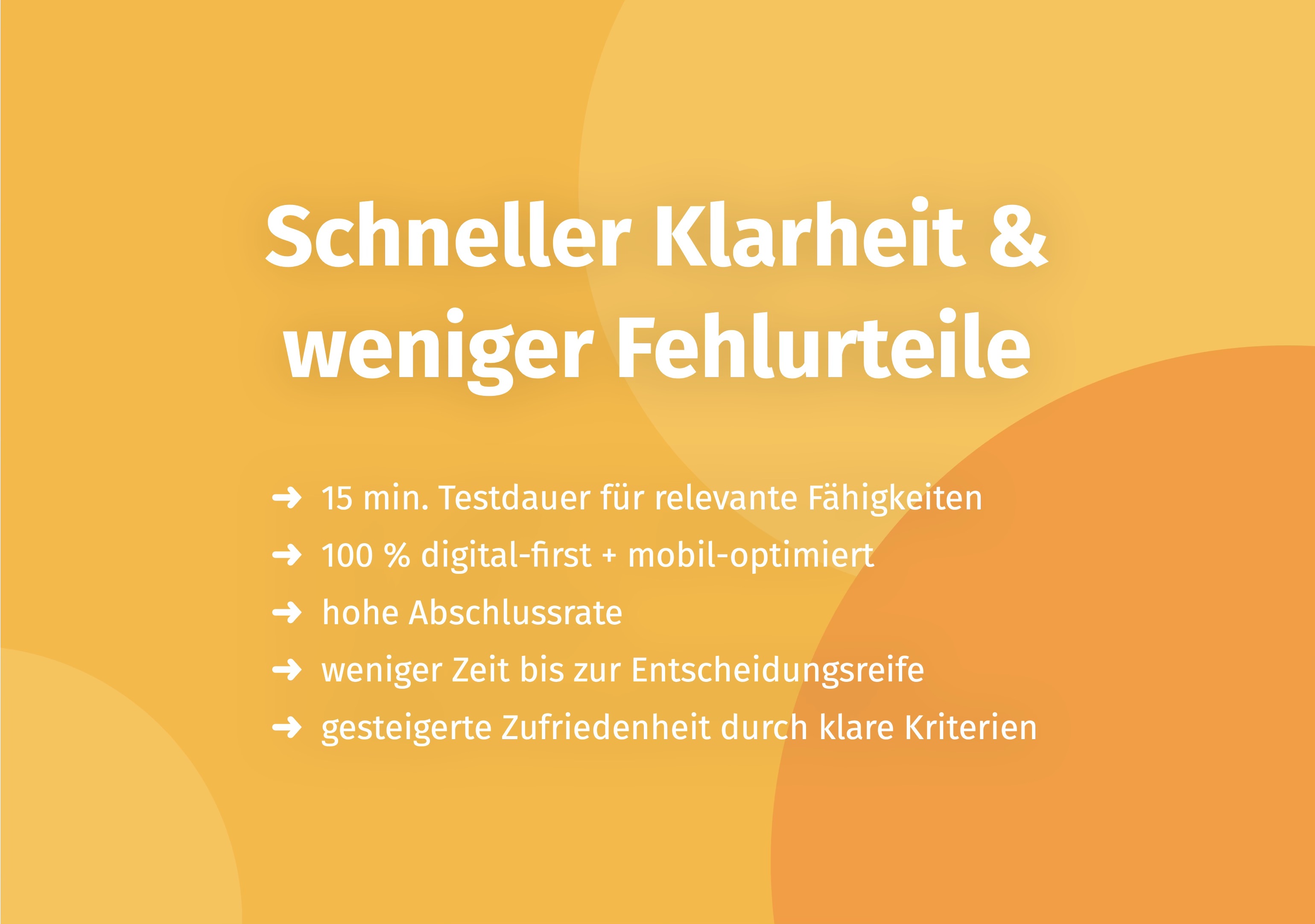
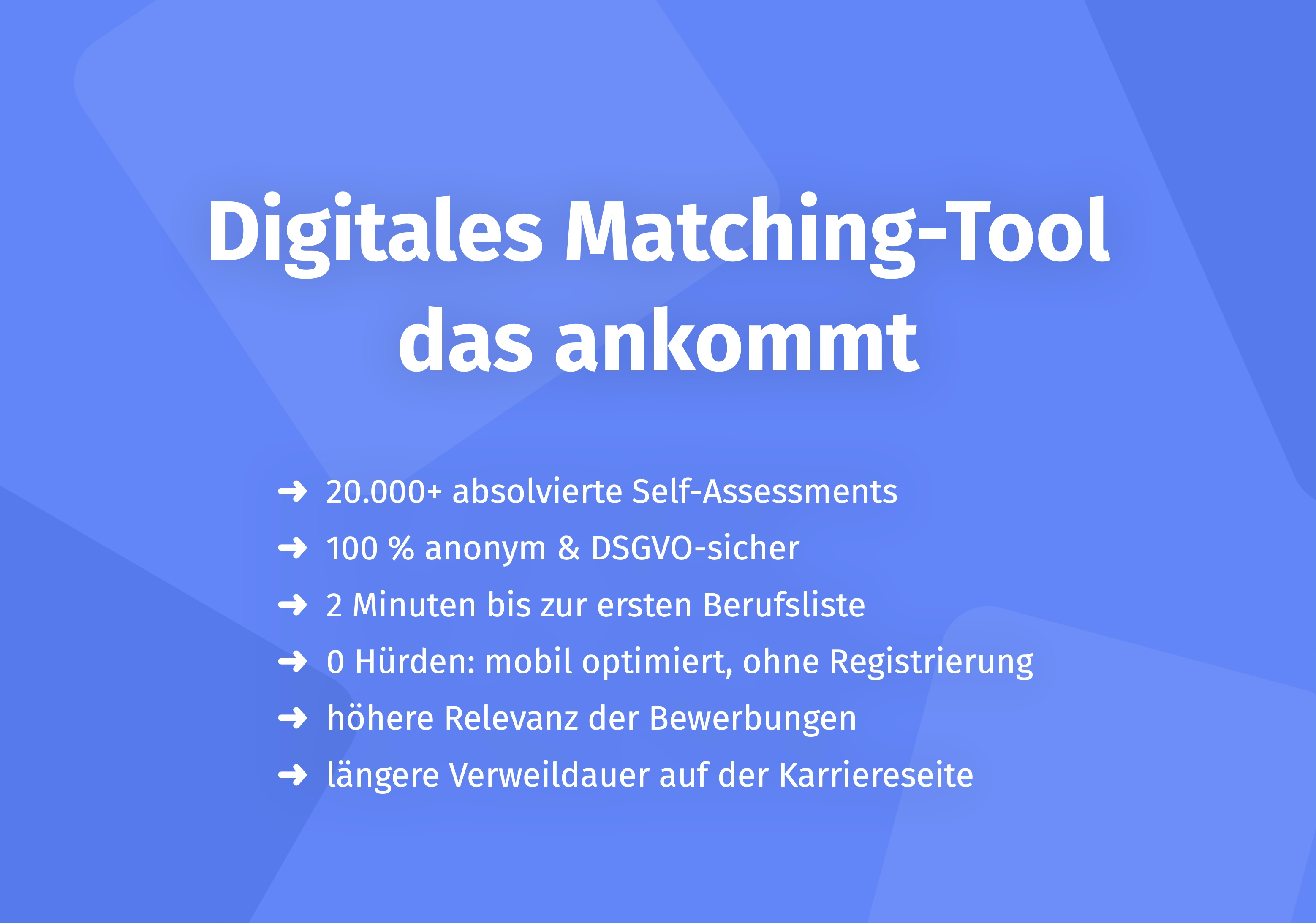
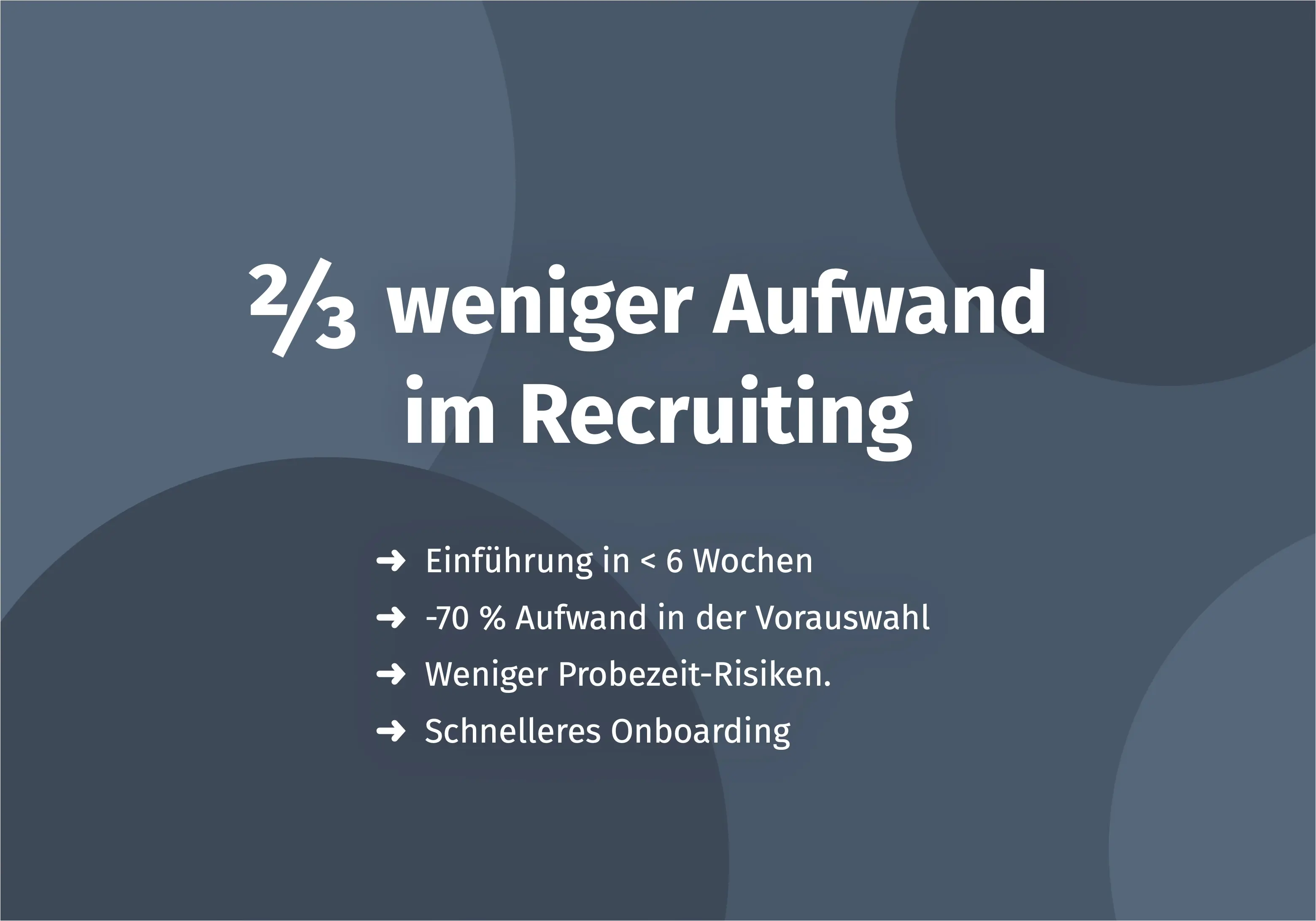
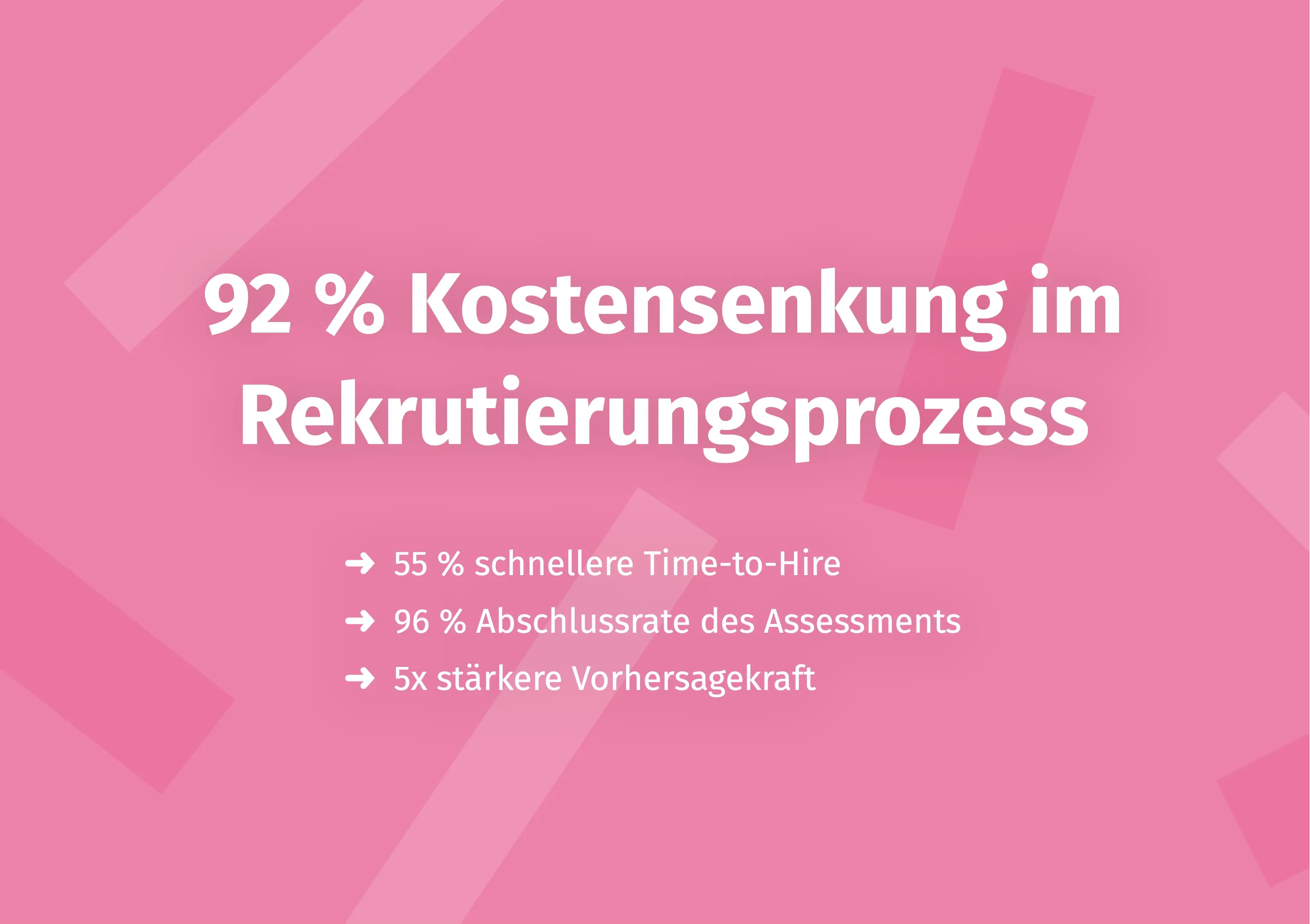
Would you like to optimize your recruiting process in addition to legally compliant working time recording? The digital platform Aivy supports you with scientifically validated assessments for objective personnel selection.
Sources
- ECJ Ruling of May 14, 2019 (C-55/18 – CCOO). European Court of Justice, 2019. https://curia.europa.eu/
- BAG Decision of September 13, 2022 (1 ABR 22/21). Federal Labor Court (Bundesarbeitsgericht), 2022. https://www.bundesarbeitsgericht.de/entscheidung/1-abr-22-21/
- Draft Bill to Amend the Working Hours Act. Federal Ministry of Labor and Social Affairs (BMAS), 2023. https://www.bmas.de/DE/Startseite/start.html
- Occupational Health and Safety Act (ArbSchG). Federal Republic of Germany, 2024. https://www.gesetze-im-internet.de/arbschg/
- Working Time Directive 2003/88/EC. European Union, 2003. https://eur-lex.europa.eu/
- Hamburg Administrative Court, Ruling of August 21, 2024 (15 K 964/24). Hamburg Administrative Court, 2024.
- Coalition Agreement 2025. CDU/CSU and SPD, 2025.

Make a better pre-selection — even before the first interview
In just a few minutes, Aivy shows you which candidates really fit the role. Beyond resumes based on strengths.