You want to explore your strengths as a talent?

This way

Login

Remote Onboarding – Definition, Process & Best Practices

Home
-
Lexicon
-
Remote Onboarding – Definition, Process & Best Practices

Remote onboarding is the process of integrating new employees entirely virtually into the company – from technical equipment to cultural immersion to professional training. Unlike traditional onboarding, the digital variant requires structured processes, clear communication, and deliberate measures for social integration, as spontaneous office encounters are absent. Studies show: companies with strong onboarding improve retention by 82% and productivity by over 70%.

What is Remote Onboarding?

Remote onboarding refers to the virtual integration process for new employees without physical presence in the office. The entire onboarding process takes place digitally – from contract signing to technical equipment to professional training and cultural integration.

Unlike traditional onboarding, where new employees come to the office in person, all steps in remote onboarding are handled through digital channels: video calls for welcome meetings, cloud-based document management for contracts and policies, virtual meetings for team introductions, and digital learning platforms for training.

Remote vs. Traditional Onboarding

The main difference lies in the type of interaction. In traditional onboarding, many connections arise spontaneously – during shared lunches, at the coffee machine, or through quick questions at colleagues' desks. These informal encounters are completely absent in remote onboarding.

This means: all interactions must be consciously planned and structured. Instead of random encounters, virtual coffee chats are needed. Instead of quick questions in the office, clear communication channels are required. Instead of shared lunch breaks, deliberately organized team events are necessary.

Technological dependence is also higher: remote onboarding only works with a stable internet connection, functioning video conferencing software, and access to all relevant digital tools. Technical problems can significantly delay the onboarding process.

Why is Remote Onboarding So Important?

Since the COVID-19 pandemic, remote onboarding has become the norm for many companies – and remains relevant in hybrid work environments. The numbers speak for themselves:

According to the Haufe Onboarding Study 2019, 78% of companies believe that better onboarding could prevent early turnover. At the same time, 77% see potential for improvement in their onboarding processes. The Brandon Hall Group proves: companies with structured onboarding improve retention by 82% and productivity by over 70%. Gallup also confirms that structured onboarding significantly increases new employees' productivity.

These figures apply especially to remote onboarding, as the risk of isolation and early resignation is even higher here. New employees who don't feel well integrated in the first weeks leave the company faster – often still during the probation period.

The challenges are real: communication barriers due to missing non-verbal signals in video calls, time zone differences in internationally distributed teams, technical problems during setup, lack of belonging due to isolated work from home. All these factors require a well-thought-out, structured onboarding process.

The 4 Phases of Remote Onboarding

A successful remote onboarding process can be divided into four clear phases. Each phase has specific goals and tasks.

Phase 1: Preboarding – Preparation Before Day 1

Preboarding refers to the phase between contract signing and the first working day. This phase is often underestimated but is crucial for the first impression.

During this phase, you should ensure that all technical requirements are met: laptop, monitor, mouse, and other equipment are shipped at least two days before the first day so new employees have time to unpack everything and report any damage. All digital accesses are set up – email account, Slack or Microsoft Teams, project management tools like Asana or Jira, VPN access for secure work.

A welcome package with merchandise (t-shirt, mug, notebook) and a personal welcome message from the team or management creates an emotional connection even before day 1. Clear communication is central: what can new employees expect on the first day? Which meetings are planned? Who is the first point of contact?

Phase 2: Orientation – The First Week

The first week is intensive and formative. This is about welcoming new employees, introducing the team, and conveying the company culture.

The first day ideally starts with a personal welcome meeting via video call – either with the manager or the HR team. This is followed by a virtual company tour: introduction to the most important departments, explanation of digital tools and platforms, overview of the company structure (organizational chart).

The assignment of a buddy is also important – an experienced person from the team who serves as the first point of contact for all questions. The buddy system reduces inhibitions and gives new employees the feeling of not being alone.

In the first days, virtual 1:1 meetings with all relevant team members should also take place – short 15-30 minute conversations where both sides can get to know each other.

Phase 3: Training – Professional Onboarding

The training phase typically lasts 2-4 weeks and focuses on professional onboarding. New employees learn about their role, tasks, and responsibilities.

Structured training plans are crucial here: which tools must be mastered? Which processes are relevant? Which projects are upcoming? A 30-60-90 day plan sets clear goals: in the first 30 days, knowledge building is the focus, after 60 days, first independent tasks should be undertaken, after 90 days, full productivity is the goal.

Regular check-ins with the manager are important – daily in the first week, then weekly. These conversations serve to discuss progress, clarify questions, and identify problems early.

Phase 4: Integration – Long-term Integration

The integration phase extends beyond the first weeks and often spans 3-6 months. This is about long-term cultural and social integration into the team.

Passive onboarding measures such as regular feedback conversations, virtual team events, and continuous training opportunities ensure that new employees feel comfortable in the company long-term. After 30, 60, and 90 days, formal feedback conversations should take place where both the manager and new employees provide feedback.

Integration into company culture is also an ongoing process: participation in all-hands meetings, involvement in company-wide initiatives, access to mentoring programs.

Remote Onboarding Best Practices: 7 Tips for Successful Integration

Based on experiences from companies like GitLab, IBM, and Toptal, seven central best practices have emerged.

1. Preboarding: Everything Ready Before Day 1

The first working day should start smoothly. This means: all technical equipment is already shipped and functional, all digital accesses are set up and tested, a detailed schedule for the first week is communicated. Nothing is more frustrating for new employees than waiting hours for IT support on the first day or not knowing what happens next.

2. Establish a Buddy System

The buddy system is one of the most effective measures for successful integration. The buddy is not the manager but a peer – ideally someone who has been with the company longer and knows the culture well. The buddy answers "silly" questions, gives informal tips (e.g., "Is it okay to use emojis in Slack?"), and offers social support.

Companies like Personio successfully use buddy programs and report significantly higher satisfaction among new employees.

3. Virtual Coffee Chats and Team Events

Social connections don't arise naturally – they must be actively created. Virtual coffee chats (15-30 minutes) with various team members, team lunches via video call, or after-work events like virtual quiz nights, online gaming together, or informal "happy hours" help.

Some companies use tools like "Wellbeing Warrior," which create random pairings for virtual coffee breaks and thus also promote cross-departmental contacts.

4. Clear Communication and Tools

Remote work only works with clear communication rules. Which tools are used for what? (e.g., Slack for informal communication, email for formal requests, Asana for project management). How quickly is a response expected? Which meetings are mandatory, which optional?

Asynchronous communication should also be encouraged: not every question requires an immediate meeting. Much information can be documented in writing and stored in a wiki or Notion so new employees can read independently.

5. Regular Check-ins

Isolation is one of the biggest dangers in remote onboarding. Regular check-ins – daily in the first week, then weekly – give new employees the feeling of being seen and supported.

These conversations should not only clarify professional questions but also check personal well-being: how are you? Do you feel well integrated? Is there anything we can improve?

6. Actively Convey Company Culture

Company culture doesn't automatically emerge through home office. It must be actively communicated and lived. This happens through: presentation of company values and mission in onboarding, access to internal resources (handbook, culture deck, code of conduct), participation in all-hands meetings and company-wide events, making successes and appreciation visible (e.g., through recognition tools).

Companies like GitLab, which have been working remote-first for years, have extensive handbooks available online that new employees can consult at any time.

7. Long-term Support (Beyond 90 Days)

Onboarding doesn't end after 90 days. Many companies make the mistake of taking focus away from new employees after the probation period. But it's precisely in months 4-6 that it becomes apparent whether integration has truly succeeded.

Long-term measures include: regular performance reviews and development conversations, access to further training and mentoring programs, continuous involvement in team events and company-wide initiatives. Long-term support signals: you are valuable, and we invest in your development.

Challenges in Remote Onboarding – and How to Solve Them

Remote onboarding brings specific challenges. The good news: for every challenge, there are proven solutions.

Isolation and Lack of Belonging

New employees can quickly feel isolated when they start from home. They don't see how the team works, don't hear informal conversations, and have no spontaneous encounters.

Solution: Actively create connections. The buddy system is worth its weight in gold here. Virtual team events, regular 1:1s with various team members, and conscious invitation to informal channels (e.g., a #random channel in Slack for non-work-related conversations) also help. Some companies have multiple new employees start simultaneously so they share a common experience and can support each other.

Technical Problems and Lack of IT Support

If the laptop doesn't work on the first day, the VPN connection doesn't work, or accesses are missing, the start is frustrating.

Solution: Proactive IT setup. All hardware should arrive at least two days before start and be tested. An IT onboarding call on the first day (ideally plan 1-2 hours) ensures all systems are running. Clear instructions and video tutorials for common technical problems should be available. An IT support ticket system or dedicated support hotline gives new employees security.

Communication Barriers and Misunderstandings

In video calls, non-verbal signals are missing, irony or sarcasm is often misunderstood, and asynchronous communication can lead to delays.

Solution: Establish clear communication rules. Which channels are used for what? How quickly is a response expected? How are conflicts handled? Camera etiquette should also be clarified: when is camera-on mandatory, when optional? Empathy and patience are crucial – new employees need time to understand the team's communication style.

The Role of Pre-Employment Assessment for Successful Onboarding

Remote onboarding doesn't start on the first working day – it begins in recruiting. Selecting the right candidates has a direct impact on how smoothly virtual integration proceeds.

Objective pre-employment assessment helps identify candidates who not only fit professionally but also culturally match the team and remote work style. Tools like the digital platform Aivy use game-based assessments and scientifically validated questionnaires to evaluate competencies, personality traits, and cultural fit – free from unconscious bias.

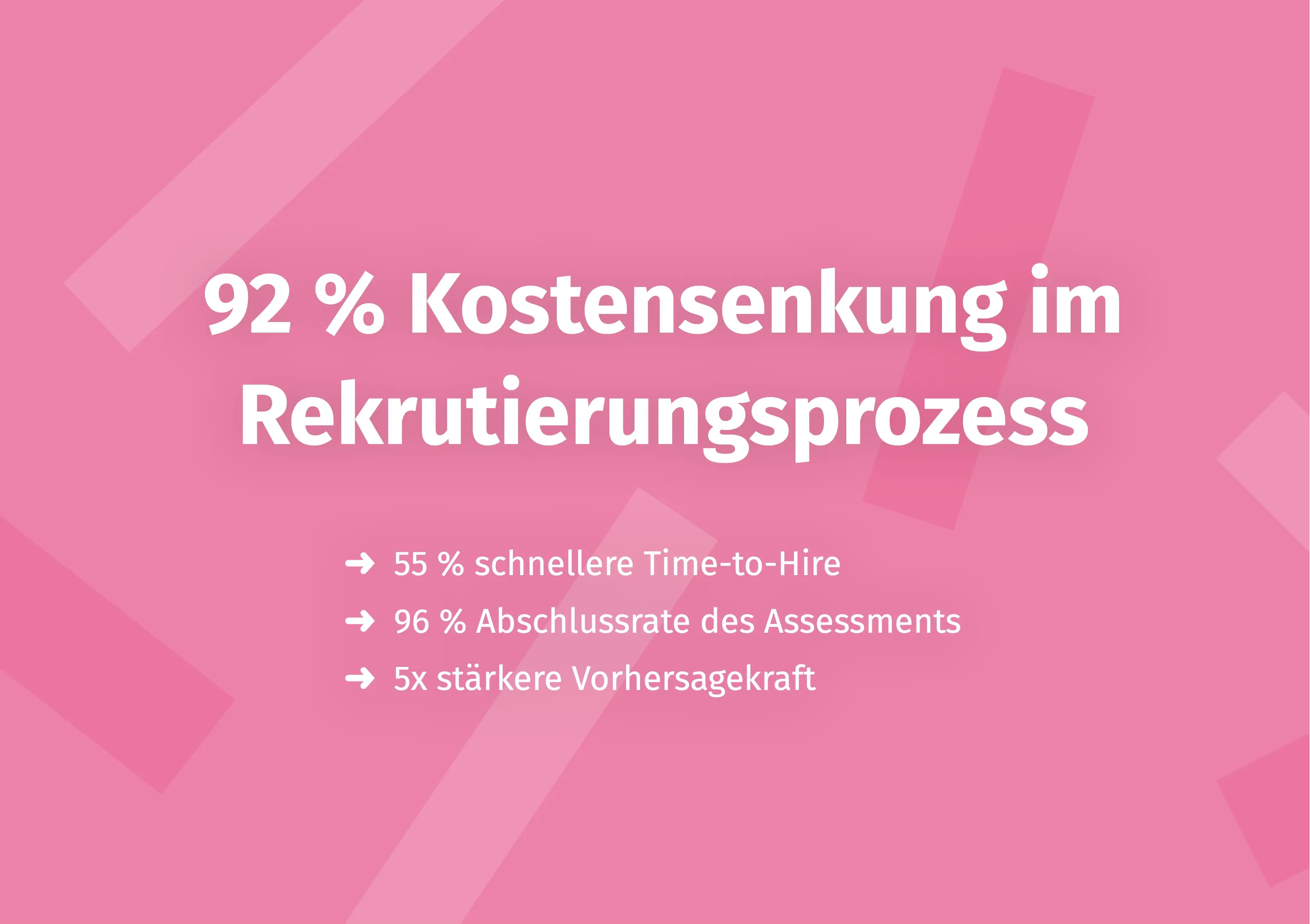
Practice shows: companies like MCI Deutschland reduced time-to-hire by 55% through objective pre-employment assessment and achieve a 96% completion rate in assessments. Faster hiring and better candidate selection lead to employees who integrate faster and stay with the company longer.

Candidate experience also plays a role: those who have a positive, appreciative experience in the recruiting process start onboarding with higher motivation. Commitment doesn't begin on the first day but with the first contact.

Learn more about objective pre-employment assessment and successful candidate experience with Aivy.

Frequently Asked Questions About Remote Onboarding

What is Remote Onboarding?

Remote onboarding is the virtual integration process for new employees without physical presence in the office. It includes technical setup, cultural immersion, professional training, and social integration – all digitally via video calls, checklists, and digital platforms.

How Does Remote Onboarding Differ from Traditional Onboarding?

The main difference is the absence of spontaneous office encounters. Remote onboarding requires consciously planned interactions instead of random coffee break conversations. Technological dependence is higher, the passive onboarding phase longer (often 3-6 months for social integration), and asynchronous communication and written documentation play a greater role.

How Long Does Remote Onboarding Take?

The active onboarding phase typically lasts 2-3 weeks and includes intensive training, technical setup, and initial team introductions. The passive integration phase extends over 3-6 months with continuous check-ins, feedback conversations, and cultural integration. A 30-60-90 day plan with clear milestones is best practice. The exact duration depends on role, seniority, and company culture.

What Phases Does Remote Onboarding Have?

Remote onboarding consists of four phases: (1) Preboarding – preparation before the first day with equipment shipping, access setup, and welcome package, (2) Orientation – first week with team introduction and company values, (3) Training – professional onboarding in role and tools over 2-4 weeks, (4) Integration – long-term integration into the team over 3-6 months with regular check-ins and feedback.

What Belongs to Successful Preboarding?

Successful preboarding includes: equipment shipping (laptop, hardware) at least 2 days before start so new employees can test everything, access to all tools (email, Slack, project management, VPN) set up in advance, a welcome package with merchandise and personal message, clear communication about the first day's schedule, and invitations to initial meetings plus buddy assignment.

How Do I Build Social Connections in Remote Onboarding?

Social connections emerge through structured measures: buddy system with experienced team member as point of contact, virtual coffee chats and team lunches (15-30 minutes) for informal exchange, 1:1 meetings with various team members in the first 2 weeks, group onboarding where multiple new employees start simultaneously, and virtual after-work events like quiz, games, or informal rounds.

What Tools Do I Need for Remote Onboarding?

The most important tool categories are: video conferencing (Zoom, Microsoft Teams, Google Meet) for meetings and orientation, communication (Slack, Microsoft Teams) for daily exchange, project management (Asana, Trello, Jira) for task tracking, knowledge management (Notion, Confluence, internal wiki) for documentation, HR software (Personio, BambooHR, Workday) for checklists, documents, and progress tracking, and e-signature tools (DocuSign) for digital contract signing.

How Do I Avoid Isolation and High Turnover?

Isolation and turnover can be avoided through: regular check-ins (daily in week 1, then weekly), clear expectations and goals with a 30-60-90 day plan, early feedback collection (after week 1, week 4, month 3), active communication of company values and culture, long-term support beyond 90 days, and selecting suitable candidates in recruiting who fit cultural fit and remote work style.

Conclusion: Remote Onboarding as a Success Factor

Remote onboarding is not a necessary evil but an opportunity: the opportunity to establish structured, scalable processes that also work in hybrid work environments. The opportunity to think more consciously about integration, culture, and communication. And the opportunity to offer employees a positive experience from the start that contributes to long-term commitment.

The most important success factors are: structured preboarding that starts before day 1, a buddy system for social support, regular check-ins and early feedback, conscious measures for cultural integration, and the right technological infrastructure for smooth communication.

And don't forget: remote onboarding begins in recruiting. Those who select the right candidates from the start – people who fit not only professionally but also culturally – make virtual integration considerably easier. Objective pre-employment assessment can make the crucial difference here.

Sources

Home
-
lexicon
-
Remote Onboarding – Definition, Process & Best Practices

Remote onboarding is the process of integrating new employees entirely virtually into the company – from technical equipment to cultural immersion to professional training. Unlike traditional onboarding, the digital variant requires structured processes, clear communication, and deliberate measures for social integration, as spontaneous office encounters are absent. Studies show: companies with strong onboarding improve retention by 82% and productivity by over 70%.

What is Remote Onboarding?

Remote onboarding refers to the virtual integration process for new employees without physical presence in the office. The entire onboarding process takes place digitally – from contract signing to technical equipment to professional training and cultural integration.

Unlike traditional onboarding, where new employees come to the office in person, all steps in remote onboarding are handled through digital channels: video calls for welcome meetings, cloud-based document management for contracts and policies, virtual meetings for team introductions, and digital learning platforms for training.

Remote vs. Traditional Onboarding

The main difference lies in the type of interaction. In traditional onboarding, many connections arise spontaneously – during shared lunches, at the coffee machine, or through quick questions at colleagues' desks. These informal encounters are completely absent in remote onboarding.

This means: all interactions must be consciously planned and structured. Instead of random encounters, virtual coffee chats are needed. Instead of quick questions in the office, clear communication channels are required. Instead of shared lunch breaks, deliberately organized team events are necessary.

Technological dependence is also higher: remote onboarding only works with a stable internet connection, functioning video conferencing software, and access to all relevant digital tools. Technical problems can significantly delay the onboarding process.

Why is Remote Onboarding So Important?

Since the COVID-19 pandemic, remote onboarding has become the norm for many companies – and remains relevant in hybrid work environments. The numbers speak for themselves:

According to the Haufe Onboarding Study 2019, 78% of companies believe that better onboarding could prevent early turnover. At the same time, 77% see potential for improvement in their onboarding processes. The Brandon Hall Group proves: companies with structured onboarding improve retention by 82% and productivity by over 70%. Gallup also confirms that structured onboarding significantly increases new employees' productivity.

These figures apply especially to remote onboarding, as the risk of isolation and early resignation is even higher here. New employees who don't feel well integrated in the first weeks leave the company faster – often still during the probation period.

The challenges are real: communication barriers due to missing non-verbal signals in video calls, time zone differences in internationally distributed teams, technical problems during setup, lack of belonging due to isolated work from home. All these factors require a well-thought-out, structured onboarding process.

The 4 Phases of Remote Onboarding

A successful remote onboarding process can be divided into four clear phases. Each phase has specific goals and tasks.

Phase 1: Preboarding – Preparation Before Day 1

Preboarding refers to the phase between contract signing and the first working day. This phase is often underestimated but is crucial for the first impression.

During this phase, you should ensure that all technical requirements are met: laptop, monitor, mouse, and other equipment are shipped at least two days before the first day so new employees have time to unpack everything and report any damage. All digital accesses are set up – email account, Slack or Microsoft Teams, project management tools like Asana or Jira, VPN access for secure work.

A welcome package with merchandise (t-shirt, mug, notebook) and a personal welcome message from the team or management creates an emotional connection even before day 1. Clear communication is central: what can new employees expect on the first day? Which meetings are planned? Who is the first point of contact?

Phase 2: Orientation – The First Week

The first week is intensive and formative. This is about welcoming new employees, introducing the team, and conveying the company culture.

The first day ideally starts with a personal welcome meeting via video call – either with the manager or the HR team. This is followed by a virtual company tour: introduction to the most important departments, explanation of digital tools and platforms, overview of the company structure (organizational chart).

The assignment of a buddy is also important – an experienced person from the team who serves as the first point of contact for all questions. The buddy system reduces inhibitions and gives new employees the feeling of not being alone.

In the first days, virtual 1:1 meetings with all relevant team members should also take place – short 15-30 minute conversations where both sides can get to know each other.

Phase 3: Training – Professional Onboarding

The training phase typically lasts 2-4 weeks and focuses on professional onboarding. New employees learn about their role, tasks, and responsibilities.

Structured training plans are crucial here: which tools must be mastered? Which processes are relevant? Which projects are upcoming? A 30-60-90 day plan sets clear goals: in the first 30 days, knowledge building is the focus, after 60 days, first independent tasks should be undertaken, after 90 days, full productivity is the goal.

Regular check-ins with the manager are important – daily in the first week, then weekly. These conversations serve to discuss progress, clarify questions, and identify problems early.

Phase 4: Integration – Long-term Integration

The integration phase extends beyond the first weeks and often spans 3-6 months. This is about long-term cultural and social integration into the team.

Passive onboarding measures such as regular feedback conversations, virtual team events, and continuous training opportunities ensure that new employees feel comfortable in the company long-term. After 30, 60, and 90 days, formal feedback conversations should take place where both the manager and new employees provide feedback.

Integration into company culture is also an ongoing process: participation in all-hands meetings, involvement in company-wide initiatives, access to mentoring programs.

Remote Onboarding Best Practices: 7 Tips for Successful Integration

Based on experiences from companies like GitLab, IBM, and Toptal, seven central best practices have emerged.

1. Preboarding: Everything Ready Before Day 1

The first working day should start smoothly. This means: all technical equipment is already shipped and functional, all digital accesses are set up and tested, a detailed schedule for the first week is communicated. Nothing is more frustrating for new employees than waiting hours for IT support on the first day or not knowing what happens next.

2. Establish a Buddy System

The buddy system is one of the most effective measures for successful integration. The buddy is not the manager but a peer – ideally someone who has been with the company longer and knows the culture well. The buddy answers "silly" questions, gives informal tips (e.g., "Is it okay to use emojis in Slack?"), and offers social support.

Companies like Personio successfully use buddy programs and report significantly higher satisfaction among new employees.

3. Virtual Coffee Chats and Team Events

Social connections don't arise naturally – they must be actively created. Virtual coffee chats (15-30 minutes) with various team members, team lunches via video call, or after-work events like virtual quiz nights, online gaming together, or informal "happy hours" help.

Some companies use tools like "Wellbeing Warrior," which create random pairings for virtual coffee breaks and thus also promote cross-departmental contacts.

4. Clear Communication and Tools

Remote work only works with clear communication rules. Which tools are used for what? (e.g., Slack for informal communication, email for formal requests, Asana for project management). How quickly is a response expected? Which meetings are mandatory, which optional?

Asynchronous communication should also be encouraged: not every question requires an immediate meeting. Much information can be documented in writing and stored in a wiki or Notion so new employees can read independently.

5. Regular Check-ins

Isolation is one of the biggest dangers in remote onboarding. Regular check-ins – daily in the first week, then weekly – give new employees the feeling of being seen and supported.

These conversations should not only clarify professional questions but also check personal well-being: how are you? Do you feel well integrated? Is there anything we can improve?

6. Actively Convey Company Culture

Company culture doesn't automatically emerge through home office. It must be actively communicated and lived. This happens through: presentation of company values and mission in onboarding, access to internal resources (handbook, culture deck, code of conduct), participation in all-hands meetings and company-wide events, making successes and appreciation visible (e.g., through recognition tools).

Companies like GitLab, which have been working remote-first for years, have extensive handbooks available online that new employees can consult at any time.

7. Long-term Support (Beyond 90 Days)

Onboarding doesn't end after 90 days. Many companies make the mistake of taking focus away from new employees after the probation period. But it's precisely in months 4-6 that it becomes apparent whether integration has truly succeeded.

Long-term measures include: regular performance reviews and development conversations, access to further training and mentoring programs, continuous involvement in team events and company-wide initiatives. Long-term support signals: you are valuable, and we invest in your development.

Challenges in Remote Onboarding – and How to Solve Them

Remote onboarding brings specific challenges. The good news: for every challenge, there are proven solutions.

Isolation and Lack of Belonging

New employees can quickly feel isolated when they start from home. They don't see how the team works, don't hear informal conversations, and have no spontaneous encounters.

Solution: Actively create connections. The buddy system is worth its weight in gold here. Virtual team events, regular 1:1s with various team members, and conscious invitation to informal channels (e.g., a #random channel in Slack for non-work-related conversations) also help. Some companies have multiple new employees start simultaneously so they share a common experience and can support each other.

Technical Problems and Lack of IT Support

If the laptop doesn't work on the first day, the VPN connection doesn't work, or accesses are missing, the start is frustrating.

Solution: Proactive IT setup. All hardware should arrive at least two days before start and be tested. An IT onboarding call on the first day (ideally plan 1-2 hours) ensures all systems are running. Clear instructions and video tutorials for common technical problems should be available. An IT support ticket system or dedicated support hotline gives new employees security.

Communication Barriers and Misunderstandings

In video calls, non-verbal signals are missing, irony or sarcasm is often misunderstood, and asynchronous communication can lead to delays.

Solution: Establish clear communication rules. Which channels are used for what? How quickly is a response expected? How are conflicts handled? Camera etiquette should also be clarified: when is camera-on mandatory, when optional? Empathy and patience are crucial – new employees need time to understand the team's communication style.

The Role of Pre-Employment Assessment for Successful Onboarding

Remote onboarding doesn't start on the first working day – it begins in recruiting. Selecting the right candidates has a direct impact on how smoothly virtual integration proceeds.

Objective pre-employment assessment helps identify candidates who not only fit professionally but also culturally match the team and remote work style. Tools like the digital platform Aivy use game-based assessments and scientifically validated questionnaires to evaluate competencies, personality traits, and cultural fit – free from unconscious bias.

Practice shows: companies like MCI Deutschland reduced time-to-hire by 55% through objective pre-employment assessment and achieve a 96% completion rate in assessments. Faster hiring and better candidate selection lead to employees who integrate faster and stay with the company longer.

Candidate experience also plays a role: those who have a positive, appreciative experience in the recruiting process start onboarding with higher motivation. Commitment doesn't begin on the first day but with the first contact.

Learn more about objective pre-employment assessment and successful candidate experience with Aivy.

Frequently Asked Questions About Remote Onboarding

What is Remote Onboarding?

Remote onboarding is the virtual integration process for new employees without physical presence in the office. It includes technical setup, cultural immersion, professional training, and social integration – all digitally via video calls, checklists, and digital platforms.

How Does Remote Onboarding Differ from Traditional Onboarding?

The main difference is the absence of spontaneous office encounters. Remote onboarding requires consciously planned interactions instead of random coffee break conversations. Technological dependence is higher, the passive onboarding phase longer (often 3-6 months for social integration), and asynchronous communication and written documentation play a greater role.

How Long Does Remote Onboarding Take?

The active onboarding phase typically lasts 2-3 weeks and includes intensive training, technical setup, and initial team introductions. The passive integration phase extends over 3-6 months with continuous check-ins, feedback conversations, and cultural integration. A 30-60-90 day plan with clear milestones is best practice. The exact duration depends on role, seniority, and company culture.

What Phases Does Remote Onboarding Have?

Remote onboarding consists of four phases: (1) Preboarding – preparation before the first day with equipment shipping, access setup, and welcome package, (2) Orientation – first week with team introduction and company values, (3) Training – professional onboarding in role and tools over 2-4 weeks, (4) Integration – long-term integration into the team over 3-6 months with regular check-ins and feedback.

What Belongs to Successful Preboarding?

Successful preboarding includes: equipment shipping (laptop, hardware) at least 2 days before start so new employees can test everything, access to all tools (email, Slack, project management, VPN) set up in advance, a welcome package with merchandise and personal message, clear communication about the first day's schedule, and invitations to initial meetings plus buddy assignment.

How Do I Build Social Connections in Remote Onboarding?

Social connections emerge through structured measures: buddy system with experienced team member as point of contact, virtual coffee chats and team lunches (15-30 minutes) for informal exchange, 1:1 meetings with various team members in the first 2 weeks, group onboarding where multiple new employees start simultaneously, and virtual after-work events like quiz, games, or informal rounds.

What Tools Do I Need for Remote Onboarding?

The most important tool categories are: video conferencing (Zoom, Microsoft Teams, Google Meet) for meetings and orientation, communication (Slack, Microsoft Teams) for daily exchange, project management (Asana, Trello, Jira) for task tracking, knowledge management (Notion, Confluence, internal wiki) for documentation, HR software (Personio, BambooHR, Workday) for checklists, documents, and progress tracking, and e-signature tools (DocuSign) for digital contract signing.

How Do I Avoid Isolation and High Turnover?

Isolation and turnover can be avoided through: regular check-ins (daily in week 1, then weekly), clear expectations and goals with a 30-60-90 day plan, early feedback collection (after week 1, week 4, month 3), active communication of company values and culture, long-term support beyond 90 days, and selecting suitable candidates in recruiting who fit cultural fit and remote work style.

Conclusion: Remote Onboarding as a Success Factor

Remote onboarding is not a necessary evil but an opportunity: the opportunity to establish structured, scalable processes that also work in hybrid work environments. The opportunity to think more consciously about integration, culture, and communication. And the opportunity to offer employees a positive experience from the start that contributes to long-term commitment.

The most important success factors are: structured preboarding that starts before day 1, a buddy system for social support, regular check-ins and early feedback, conscious measures for cultural integration, and the right technological infrastructure for smooth communication.

And don't forget: remote onboarding begins in recruiting. Those who select the right candidates from the start – people who fit not only professionally but also culturally – make virtual integration considerably easier. Objective pre-employment assessment can make the crucial difference here.

Sources

Heading 1

Heading 2

Heading 3

Heading 4

Heading 5
Heading 6

Lorem ipsum dolor sit amet, consectetur adipiscing elit, sed do eiusmod tempor incididunt ut laboratories et dolore magna aliqua. Ut Enim ad Minim Veniam, Quis Nostrud Exercitation Ullamco Laboris Nisi ut Aliquip ex ea Commodo Consequat. Duis aute irure dolor in reprehenderite in voluptate velit eat cillum dolore eu fugiate nulla pariature.

Block quote

Ordered list

  1. Item 1
  2. Item 2
  3. Item 3

Unordered list

  • Item A
  • Item B
  • Item C

Text link

Bold text

Emphasis

Superscript

Subscript

Heading 1

Heading 2

Heading 3

Heading 4

Heading 5
Heading 6

Lorem ipsum dolor sit amet, consectetur adipiscing elit, sed do eiusmod tempor incididunt ut laboratories et dolore magna aliqua. Ut Enim ad Minim Veniam, Quis Nostrud Exercitation Ullamco Laboris Nisi ut Aliquip ex ea Commodo Consequat. Duis aute irure dolor in reprehenderite in voluptate velit eat cillum dolore eu fugiate nulla pariature.

Block quote

Ordered list

  1. Item 1
  2. Item 2
  3. Item 3

Unordered list

  • Item A
  • Item B
  • Item C

Text link

Bold text

Emphasis

Superscript

Subscript

Florian Dyballa

CEO, Co-Founder

About Florian

  • Founder & CEO of Aivy — develops innovative ways of personnel diagnostics and is one of the top 10 HR tech founders in Germany (business punk)
  • More than 500,000 digital aptitude tests successfully used by more than 100 companies such as Lufthansa, Würth and Hermes
  • Three times honored with the HR Innovation Award and regularly featured in leading business media (WirtschaftsWoche, Handelsblatt and FAZ)
  • As a business psychologist and digital expert, combines well-founded tests with AI for fair opportunities in personnel selection
  • Shares expertise as a sought-after thought leader in the HR tech industry — in podcasts, media, and at key industry events
  • Actively shapes the future of the working world — by combining science and technology for better and fairer personnel decisions
success stories

You can expect these results

Discover what successes other companies are achieving by using Aivy. Be inspired and do the same as they do.

Many innovative employers already rely on Aivy

Say that #HeRoes

“Through the very high response rate Persuade and retain We our trainees early in the application process. ”

Tamara Molitor
Training manager at Würth
Tamara Molitor

“That Strengths profile reflects 1:1 our experience in a personal conversation. ”

Wolfgang Böhm
Training manager at DIEHL
Wolfgang Böhm Portrait

“Through objective criteria, we promote equal opportunities and Diversity in recruiting. ”

Marie-Jo Goldmann
Head of HR at Nucao
Marie Jo Goldmann Portrait

Aivy is the bestWhat I've come across so far in the German diagnostics start-up sector. ”

Carl-Christoph Fellinger
Strategic Talent Acquisition at Beiersdorf
Christoph Feillinger Portrait

“Selection process which Make fun. ”

Anna Miels
Learning & Development Manager at apoproject
Anna Miels Portrait

“Applicants find out for which position they have the suitable competencies bring along. ”

Jürgen Muthig
Head of Vocational Training at Fresenius
Jürgen Muthig Fresenius Portrait

“Get to know hidden potential and Develop applicants in a targeted manner. ”

Christian Schütz
HR manager at KU64
Christian Schuetz

Saves time and is a lot of fun doing daily work. ”

Matthias Kühne
Director People & Culture at MCI Germany
Matthias Kühne

Engaging candidate experience through communication on equal terms. ”

Theresa Schröder
Head of HR at Horn & Bauer
Theresa Schröder

“Very solid, scientifically based, innovative even from a candidate's point of view and All in all, simply well thought-out. ”

Dr. Kevin-Lim Jungbauer
Recruiting and HR Diagnostics Expert at Beiersdorf
Kevin Jungbauer
YOUR assistant FOR TALENT ASSESSMENT

Try it for free

Become a HeRo 🦸 and understand candidate fit - even before the first job interview...