You want to explore your strengths as a talent?

This way

Login

Boosting Employee Motivation: Strategies for HR

Home
-
Lexicon
-
Boosting Employee Motivation: Strategies for HR

Employee motivation describes the willingness of employees to commit and take responsibility. It arises from intrinsic factors (purpose, autonomy, recognition) and extrinsic incentives (salary, benefits). High motivation leads to better performance, lower turnover, and more satisfied teams – unmotivated employees cost the German economy 113 billion euros annually.

What is Employee Motivation?

Employee motivation refers to the totality of factors that drive employees to engage in their work and deliver performance. It's a critical success factor for organizations: motivated teams work more productively, are sick less often, and change employers less frequently.

Psychology distinguishes between two fundamental types of motivation that interact in the workplace:

Intrinsic Motivation: The Internal Drive

Intrinsic motivation comes from the work itself. Employees are intrinsically motivated when they enjoy their tasks, see meaning in them, or can develop personally. This form of motivation is particularly sustainable because it works independently of external rewards.

Typical intrinsic motivators include autonomy (decision-making freedom), competence (the feeling of mastering something), and social belonging (being part of a team). People who work in roles that match their strengths often experience higher intrinsic motivation.

Extrinsic Motivation: External Incentives

Extrinsic motivation is triggered by external factors – such as salary, bonuses, praise, or promotions. These incentives are important but usually work short-term. Once the reward disappears, motivation can decline.

A common problem: Too much focus on extrinsic incentives can even displace intrinsic motivation. When employees work only for the paycheck, they often lose the joy in the activity itself.

Why Employee Motivation Matters

The numbers speak for themselves: According to the Gallup Engagement Index 2020, unmotivated employees cost the German economy 113 billion euros annually. Unmotivated teams perform about 34 percent less than their motivated colleagues. At the same time, sick days and turnover increase.

But motivation isn't just a cost factor – it also strengthens employer branding. Satisfied employees recommend their company, attract new talent, and contribute to a positive corporate culture.

Motivation Theories Overview

To understand employee motivation, it helps to look at proven psychological theories. These explain what drives people and how companies can systematically foster motivation.

Herzberg's Two-Factor Theory: Hygiene Factors vs. Motivators

Psychologist Frederick Herzberg distinguishes between two groups of factors: Hygiene factors (salary, working conditions, security) prevent dissatisfaction but don't create genuine motivation. Motivators (recognition, responsibility, personal development), on the other hand, create genuine satisfaction. Herzberg's conclusion: First secure hygiene factors, then activate motivators.

Maslow's Hierarchy of Needs: From Basic Needs to Self-Actualization

Abraham Maslow's hierarchy of needs (1954) shows that people have hierarchically structured needs. Only when basic needs (security, salary) are met do higher needs like recognition and self-actualization become relevant. In the work context: Only when the foundation is solid do intrinsic motivators work.

Self-Determination Theory (Deci & Ryan): Autonomy, Competence, Social Belonging

Deci and Ryan's theory (1985) identifies three basic needs for intrinsic motivation: Autonomy (acting self-determined), Competence (successfully mastering tasks), and Social belonging (being part of the team). When companies fulfill these, sustainable motivation emerges without external incentives.

Boosting Employee Motivation: Practical Measures

Theory is important – but how do you implement motivation concretely in daily HR work? Here are seven proven measures you can apply immediately.

1. Show Recognition and Appreciation

Genuine appreciation is one of the most effective motivators – and costs nothing. Praise should be timely, specific, and sincere. Instead of "Good job!" better: "Your presentation really moved the project forward." Public recognition in meetings amplifies the effect.

2. Delegate Autonomy and Responsibility

Micromanagement kills motivation. Give employees freedom: Let them find their own solutions and take responsibility. Define clear goals but leave the path open. This strengthens motivation and problem-solving competence.

3. Enable Training and Development

Training opportunities – whether coaching or workshops – show that you're investing in your team. This increases motivation and qualifications. Important: Training should be relevant to the role or open career perspectives.

4. Transparent Communication and Feedback

Regular feedback – not just in annual reviews – provides orientation. Transparency about company goals also builds trust. Employees who understand why decisions are made feel more involved.

5. Promote Work-Life Balance

Flexible working hours, remote work, and home office options are now expected. Work-life balance also includes realistic deadlines, appropriate workload, and acceptance of time off.

6. The Right Personnel Selection as Motivation Foundation

Motivation begins in recruiting. People who work in roles matching their strengths are naturally more intrinsically motivated. Objective, strengths-based personnel selection reduces mismatches – and thus frustration and demotivation.

Companies like Callways use objective talent assessment to build strengths-based teams. CEO Achim Reinhardt reports that conversations after implementing objective assessments are "significantly better and more to the point." The recruiting process was converted within 6 weeks – with the result that conversation quality improved significantly and the investment paid off from day one.

The digital platform Aivy supports companies with scientifically validated game-based assessments to identify candidates who not only fit professionally but also match the company culture and team. This cultural fit is a decisive factor for long-term motivation.

7. Establish Error Culture

An open error culture removes the fear of mistakes and promotes initiative. When employees know that mistakes are seen as learning opportunities, they dare more – which increases innovation and engagement.

Important: Error culture doesn't mean anything goes. It's about dealing constructively with mistakes, finding solutions, and learning from them – instead of looking for culprits.

Measuring Employee Motivation

Motivation isn't just a feeling perceived subjectively – it can be measured objectively. This helps you control measures strategically and detect warning signs early.

Employee Surveys and eNPS

Anonymous employee surveys provide direct feedback on satisfaction. The Employee Net Promoter Score (eNPS) measures willingness to recommend on a scale of 0-10. A high eNPS indicates strong commitment.

Key Metrics: Turnover, Sick Days, Productivity

Indirect metrics also show the state of motivation: High turnover indicates dissatisfaction, unmotivated employees are sick more often (according to Gallup Report an average of 3.2 days longer), declining performance can be a warning sign. These metrics must be viewed in context.

Frequently Asked Questions About Employee Motivation

How do I motivate my employees?

Show appreciation and recognition. Give autonomy and responsibility. Enable training and development. Create transparent communication and regular feedback. Promote work-life balance.

What really motivates employees?

Intrinsic factors like purpose, autonomy, and competence. Recognition is often more important than salary. Good relationships with colleagues and managers. Development opportunities. Fair working conditions as foundation.

How can you motivate employees without money?

Praise and public recognition. More responsibility and exciting tasks. Flexible working hours and remote work. Training opportunities. Team-building activities. Open error culture.

What's the difference between intrinsic and extrinsic motivation?

Intrinsic: Motivation from within (joy, purpose, development). Extrinsic: Motivation from outside (salary, bonuses, praise). Intrinsic is more sustainable, extrinsic works short-term. Ideal is a combination with focus on intrinsic factors.

How do I measure employee motivation?

Anonymous employee surveys. Employee Net Promoter Score (eNPS). Metrics like turnover, sick days, productivity. Conversations with managers. Observation of engagement and work quality.

What role does management play in motivation?

Managers have direct influence – according to Gallup often the main cause of dissatisfaction. Role model function, recognition, feedback, trust, and clear goals are crucial. Good leadership makes the difference.

How does Herzberg's Two-Factor Theory work?

Hygiene factors (salary, working conditions) prevent dissatisfaction but don't create motivation. Motivators (recognition, responsibility, development) create genuine satisfaction. Practice: First secure hygiene factors, then activate motivators.

How do I increase intrinsic motivation?

Convey purpose. Give autonomy. Promote competence through training. Create social belonging. Make successes visible and acknowledge them.

Conclusion

Employee motivation isn't a "nice-to-have" but a critical success factor for companies. The numbers speak for themselves: Unmotivated teams cost the German economy 113 billion euros annually and perform 34 percent less than motivated colleagues.

The good news: Motivation can be systematically promoted. A combination of intrinsic factors (purpose, autonomy, recognition) and extrinsic incentives (fair compensation, benefits) works most sustainably. Particularly important: The right personnel selection lays the foundation for motivated teams – people in roles matching their strengths are naturally more engaged.

As an HR professional, you have many levers: Show appreciation, give autonomy, enable training, communicate transparently. Combine this with regular measurement (employee surveys, eNPS, metrics) to detect warning signs early and take action.

Would you like to use objective talent assessment to build motivated teams? The digital platform Aivy supports you with scientifically validated assessments for strengths-based personnel selection.

Sources

  • Gallup Engagement Index Germany 2020. Gallup Institute, 2020. https://www.gallup.com/de/
  • Herzberg, Frederick: The Motivation to Work. 1959. Academic Standard Reference.
  • Maslow, Abraham: Motivation and Personality. 1954. Academic Standard Reference.
  • Deci, Edward L. & Ryan, Richard M.: Intrinsic Motivation and Self-Determination in Human Behavior. 1985. Academic Standard Reference.
  • Nerdinger, Friedemann W.: Work Motivation and Job Satisfaction (Industrial and Organizational Psychology). Springer Publishing, 2014.
  • Talention: Employee Motivation: 36 Practical Tips. 2025. https://www.talention.de/blog/36-tipps-fuer-die-mitarbeitermotivation

Home
-
lexicon
-
Boosting Employee Motivation: Strategies for HR

Employee motivation describes the willingness of employees to commit and take responsibility. It arises from intrinsic factors (purpose, autonomy, recognition) and extrinsic incentives (salary, benefits). High motivation leads to better performance, lower turnover, and more satisfied teams – unmotivated employees cost the German economy 113 billion euros annually.

What is Employee Motivation?

Employee motivation refers to the totality of factors that drive employees to engage in their work and deliver performance. It's a critical success factor for organizations: motivated teams work more productively, are sick less often, and change employers less frequently.

Psychology distinguishes between two fundamental types of motivation that interact in the workplace:

Intrinsic Motivation: The Internal Drive

Intrinsic motivation comes from the work itself. Employees are intrinsically motivated when they enjoy their tasks, see meaning in them, or can develop personally. This form of motivation is particularly sustainable because it works independently of external rewards.

Typical intrinsic motivators include autonomy (decision-making freedom), competence (the feeling of mastering something), and social belonging (being part of a team). People who work in roles that match their strengths often experience higher intrinsic motivation.

Extrinsic Motivation: External Incentives

Extrinsic motivation is triggered by external factors – such as salary, bonuses, praise, or promotions. These incentives are important but usually work short-term. Once the reward disappears, motivation can decline.

A common problem: Too much focus on extrinsic incentives can even displace intrinsic motivation. When employees work only for the paycheck, they often lose the joy in the activity itself.

Why Employee Motivation Matters

The numbers speak for themselves: According to the Gallup Engagement Index 2020, unmotivated employees cost the German economy 113 billion euros annually. Unmotivated teams perform about 34 percent less than their motivated colleagues. At the same time, sick days and turnover increase.

But motivation isn't just a cost factor – it also strengthens employer branding. Satisfied employees recommend their company, attract new talent, and contribute to a positive corporate culture.

Motivation Theories Overview

To understand employee motivation, it helps to look at proven psychological theories. These explain what drives people and how companies can systematically foster motivation.

Herzberg's Two-Factor Theory: Hygiene Factors vs. Motivators

Psychologist Frederick Herzberg distinguishes between two groups of factors: Hygiene factors (salary, working conditions, security) prevent dissatisfaction but don't create genuine motivation. Motivators (recognition, responsibility, personal development), on the other hand, create genuine satisfaction. Herzberg's conclusion: First secure hygiene factors, then activate motivators.

Maslow's Hierarchy of Needs: From Basic Needs to Self-Actualization

Abraham Maslow's hierarchy of needs (1954) shows that people have hierarchically structured needs. Only when basic needs (security, salary) are met do higher needs like recognition and self-actualization become relevant. In the work context: Only when the foundation is solid do intrinsic motivators work.

Self-Determination Theory (Deci & Ryan): Autonomy, Competence, Social Belonging

Deci and Ryan's theory (1985) identifies three basic needs for intrinsic motivation: Autonomy (acting self-determined), Competence (successfully mastering tasks), and Social belonging (being part of the team). When companies fulfill these, sustainable motivation emerges without external incentives.

Boosting Employee Motivation: Practical Measures

Theory is important – but how do you implement motivation concretely in daily HR work? Here are seven proven measures you can apply immediately.

1. Show Recognition and Appreciation

Genuine appreciation is one of the most effective motivators – and costs nothing. Praise should be timely, specific, and sincere. Instead of "Good job!" better: "Your presentation really moved the project forward." Public recognition in meetings amplifies the effect.

2. Delegate Autonomy and Responsibility

Micromanagement kills motivation. Give employees freedom: Let them find their own solutions and take responsibility. Define clear goals but leave the path open. This strengthens motivation and problem-solving competence.

3. Enable Training and Development

Training opportunities – whether coaching or workshops – show that you're investing in your team. This increases motivation and qualifications. Important: Training should be relevant to the role or open career perspectives.

4. Transparent Communication and Feedback

Regular feedback – not just in annual reviews – provides orientation. Transparency about company goals also builds trust. Employees who understand why decisions are made feel more involved.

5. Promote Work-Life Balance

Flexible working hours, remote work, and home office options are now expected. Work-life balance also includes realistic deadlines, appropriate workload, and acceptance of time off.

6. The Right Personnel Selection as Motivation Foundation

Motivation begins in recruiting. People who work in roles matching their strengths are naturally more intrinsically motivated. Objective, strengths-based personnel selection reduces mismatches – and thus frustration and demotivation.

Companies like Callways use objective talent assessment to build strengths-based teams. CEO Achim Reinhardt reports that conversations after implementing objective assessments are "significantly better and more to the point." The recruiting process was converted within 6 weeks – with the result that conversation quality improved significantly and the investment paid off from day one.

The digital platform Aivy supports companies with scientifically validated game-based assessments to identify candidates who not only fit professionally but also match the company culture and team. This cultural fit is a decisive factor for long-term motivation.

7. Establish Error Culture

An open error culture removes the fear of mistakes and promotes initiative. When employees know that mistakes are seen as learning opportunities, they dare more – which increases innovation and engagement.

Important: Error culture doesn't mean anything goes. It's about dealing constructively with mistakes, finding solutions, and learning from them – instead of looking for culprits.

Measuring Employee Motivation

Motivation isn't just a feeling perceived subjectively – it can be measured objectively. This helps you control measures strategically and detect warning signs early.

Employee Surveys and eNPS

Anonymous employee surveys provide direct feedback on satisfaction. The Employee Net Promoter Score (eNPS) measures willingness to recommend on a scale of 0-10. A high eNPS indicates strong commitment.

Key Metrics: Turnover, Sick Days, Productivity

Indirect metrics also show the state of motivation: High turnover indicates dissatisfaction, unmotivated employees are sick more often (according to Gallup Report an average of 3.2 days longer), declining performance can be a warning sign. These metrics must be viewed in context.

Frequently Asked Questions About Employee Motivation

How do I motivate my employees?

Show appreciation and recognition. Give autonomy and responsibility. Enable training and development. Create transparent communication and regular feedback. Promote work-life balance.

What really motivates employees?

Intrinsic factors like purpose, autonomy, and competence. Recognition is often more important than salary. Good relationships with colleagues and managers. Development opportunities. Fair working conditions as foundation.

How can you motivate employees without money?

Praise and public recognition. More responsibility and exciting tasks. Flexible working hours and remote work. Training opportunities. Team-building activities. Open error culture.

What's the difference between intrinsic and extrinsic motivation?

Intrinsic: Motivation from within (joy, purpose, development). Extrinsic: Motivation from outside (salary, bonuses, praise). Intrinsic is more sustainable, extrinsic works short-term. Ideal is a combination with focus on intrinsic factors.

How do I measure employee motivation?

Anonymous employee surveys. Employee Net Promoter Score (eNPS). Metrics like turnover, sick days, productivity. Conversations with managers. Observation of engagement and work quality.

What role does management play in motivation?

Managers have direct influence – according to Gallup often the main cause of dissatisfaction. Role model function, recognition, feedback, trust, and clear goals are crucial. Good leadership makes the difference.

How does Herzberg's Two-Factor Theory work?

Hygiene factors (salary, working conditions) prevent dissatisfaction but don't create motivation. Motivators (recognition, responsibility, development) create genuine satisfaction. Practice: First secure hygiene factors, then activate motivators.

How do I increase intrinsic motivation?

Convey purpose. Give autonomy. Promote competence through training. Create social belonging. Make successes visible and acknowledge them.

Conclusion

Employee motivation isn't a "nice-to-have" but a critical success factor for companies. The numbers speak for themselves: Unmotivated teams cost the German economy 113 billion euros annually and perform 34 percent less than motivated colleagues.

The good news: Motivation can be systematically promoted. A combination of intrinsic factors (purpose, autonomy, recognition) and extrinsic incentives (fair compensation, benefits) works most sustainably. Particularly important: The right personnel selection lays the foundation for motivated teams – people in roles matching their strengths are naturally more engaged.

As an HR professional, you have many levers: Show appreciation, give autonomy, enable training, communicate transparently. Combine this with regular measurement (employee surveys, eNPS, metrics) to detect warning signs early and take action.

Would you like to use objective talent assessment to build motivated teams? The digital platform Aivy supports you with scientifically validated assessments for strengths-based personnel selection.

Sources

  • Gallup Engagement Index Germany 2020. Gallup Institute, 2020. https://www.gallup.com/de/
  • Herzberg, Frederick: The Motivation to Work. 1959. Academic Standard Reference.
  • Maslow, Abraham: Motivation and Personality. 1954. Academic Standard Reference.
  • Deci, Edward L. & Ryan, Richard M.: Intrinsic Motivation and Self-Determination in Human Behavior. 1985. Academic Standard Reference.
  • Nerdinger, Friedemann W.: Work Motivation and Job Satisfaction (Industrial and Organizational Psychology). Springer Publishing, 2014.
  • Talention: Employee Motivation: 36 Practical Tips. 2025. https://www.talention.de/blog/36-tipps-fuer-die-mitarbeitermotivation

Heading 1

Heading 2

Heading 3

Heading 4

Heading 5
Heading 6

Lorem ipsum dolor sit amet, consectetur adipiscing elit, sed do eiusmod tempor incididunt ut laboratories et dolore magna aliqua. Ut Enim ad Minim Veniam, Quis Nostrud Exercitation Ullamco Laboris Nisi ut Aliquip ex ea Commodo Consequat. Duis aute irure dolor in reprehenderite in voluptate velit eat cillum dolore eu fugiate nulla pariature.

Block quote

Ordered list

  1. Item 1
  2. Item 2
  3. Item 3

Unordered list

  • Item A
  • Item B
  • Item C

Text link

Bold text

Emphasis

Superscript

Subscript

Heading 1

Heading 2

Heading 3

Heading 4

Heading 5
Heading 6

Lorem ipsum dolor sit amet, consectetur adipiscing elit, sed do eiusmod tempor incididunt ut laboratories et dolore magna aliqua. Ut Enim ad Minim Veniam, Quis Nostrud Exercitation Ullamco Laboris Nisi ut Aliquip ex ea Commodo Consequat. Duis aute irure dolor in reprehenderite in voluptate velit eat cillum dolore eu fugiate nulla pariature.

Block quote

Ordered list

  1. Item 1
  2. Item 2
  3. Item 3

Unordered list

  • Item A
  • Item B
  • Item C

Text link

Bold text

Emphasis

Superscript

Subscript

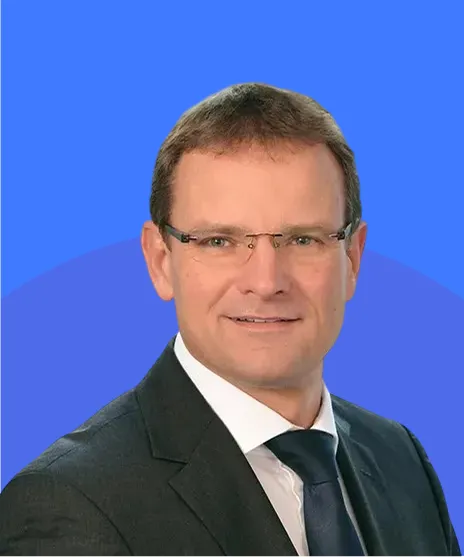
Florian Dyballa

CEO, Co-Founder

About Florian

  • Founder & CEO of Aivy — develops innovative ways of personnel diagnostics and is one of the top 10 HR tech founders in Germany (business punk)
  • More than 500,000 digital aptitude tests successfully used by more than 100 companies such as Lufthansa, Würth and Hermes
  • Three times honored with the HR Innovation Award and regularly featured in leading business media (WirtschaftsWoche, Handelsblatt and FAZ)
  • As a business psychologist and digital expert, combines well-founded tests with AI for fair opportunities in personnel selection
  • Shares expertise as a sought-after thought leader in the HR tech industry — in podcasts, media, and at key industry events
  • Actively shapes the future of the working world — by combining science and technology for better and fairer personnel decisions
success stories

You can expect these results

Discover what successes other companies are achieving by using Aivy. Be inspired and do the same as they do.

Many innovative employers already rely on Aivy

Say that #HeRoes

“Through the very high response rate Persuade and retain We our trainees early in the application process. ”

Tamara Molitor
Training manager at Würth
Tamara Molitor

“That Strengths profile reflects 1:1 our experience in a personal conversation. ”

Wolfgang Böhm
Training manager at DIEHL
Wolfgang Böhm Portrait

“Through objective criteria, we promote equal opportunities and Diversity in recruiting. ”

Marie-Jo Goldmann
Head of HR at Nucao
Marie Jo Goldmann Portrait

Aivy is the bestWhat I've come across so far in the German diagnostics start-up sector. ”

Carl-Christoph Fellinger
Strategic Talent Acquisition at Beiersdorf
Christoph Feillinger Portrait

“Selection process which Make fun. ”

Anna Miels
Learning & Development Manager at apoproject
Anna Miels Portrait

“Applicants find out for which position they have the suitable competencies bring along. ”

Jürgen Muthig
Head of Vocational Training at Fresenius
Jürgen Muthig Fresenius Portrait

“Get to know hidden potential and Develop applicants in a targeted manner. ”

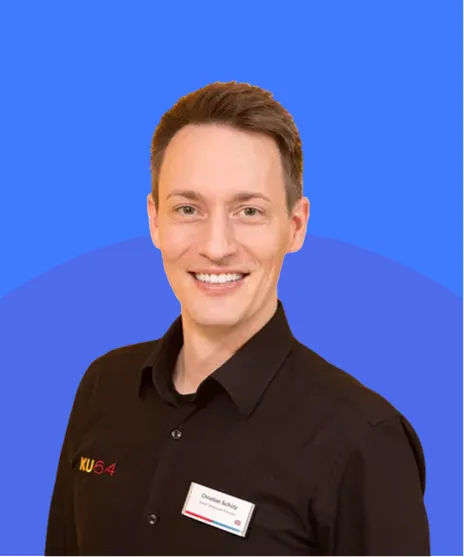
Christian Schütz
HR manager at KU64
Christian Schuetz

Saves time and is a lot of fun doing daily work. ”

Matthias Kühne
Director People & Culture at MCI Germany
Matthias Kühne

Engaging candidate experience through communication on equal terms. ”

Theresa Schröder
Head of HR at Horn & Bauer
Theresa Schröder

“Very solid, scientifically based, innovative even from a candidate's point of view and All in all, simply well thought-out. ”

Dr. Kevin-Lim Jungbauer
Recruiting and HR Diagnostics Expert at Beiersdorf
Kevin Jungbauer
YOUR assistant FOR TALENT ASSESSMENT

Try it for free

Become a HeRo 🦸 and understand candidate fit - even before the first job interview...